





Shamkhani's effectiveness aroused some jealousy and his Saudi mediation, in particular, caused disputes between the security council and the Ministry of Foreign Affairs
May 25, 2023

Jordan has gained little from its diplomatic outreach to the regime of Bashar al-Assad. Trade remains stagnant, Southwest Syria remains deeply unstable and the drug captagon still floods Jordan
May 25, 2023
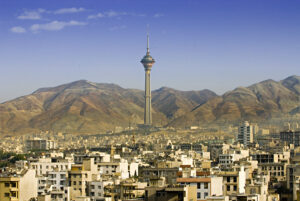
Tehran’s current composure is not turbulence-free, and there are various factors that still worry Iran, for starters, Syria’s profound economic crisis
May 24, 2023

The shift toward bipolarity can be seen in the Middle East as powers that traditionally allied with the West are hedging in favor of Beijing and countries that sought to balance between East and West are going all-in on China
May 22, 2023

Syria’s readmission to the Arab League crowned by a summit on May 19 in Saudi Arabia is a failure for U.S. values and interests that must be addressed with a new policy that prioritizes the Syrian people
May 18, 2023

The continuing crackdown coincides with a record number of executions in Iran, many for unrelated matters such as drug offenses. The high number of executions is meant to be a deterrent, a fear factor, like the recent execution of two people convicted of apostasy
May 15, 2023
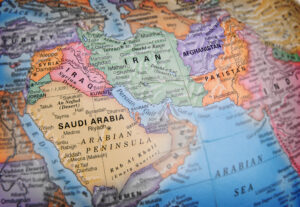
Regional powers lack capacity to become hegemons and so are forming new arrangements as middle powers that seek solutions in areas where the US lacks leverage
May 10, 2023
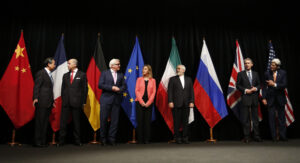
Contacts continue to free US and other hostages and to encourage Iran to increase transparency about its nuclear advances. It is already too late for a military solution and Iran’s other challenges also defy simple remedies.
May 8, 2023