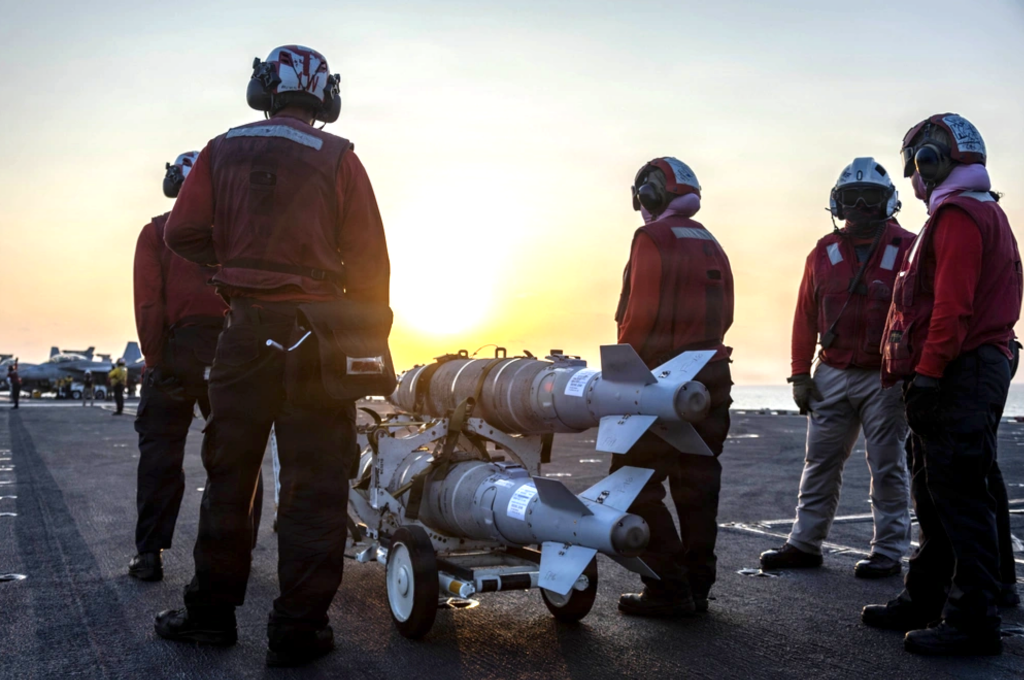
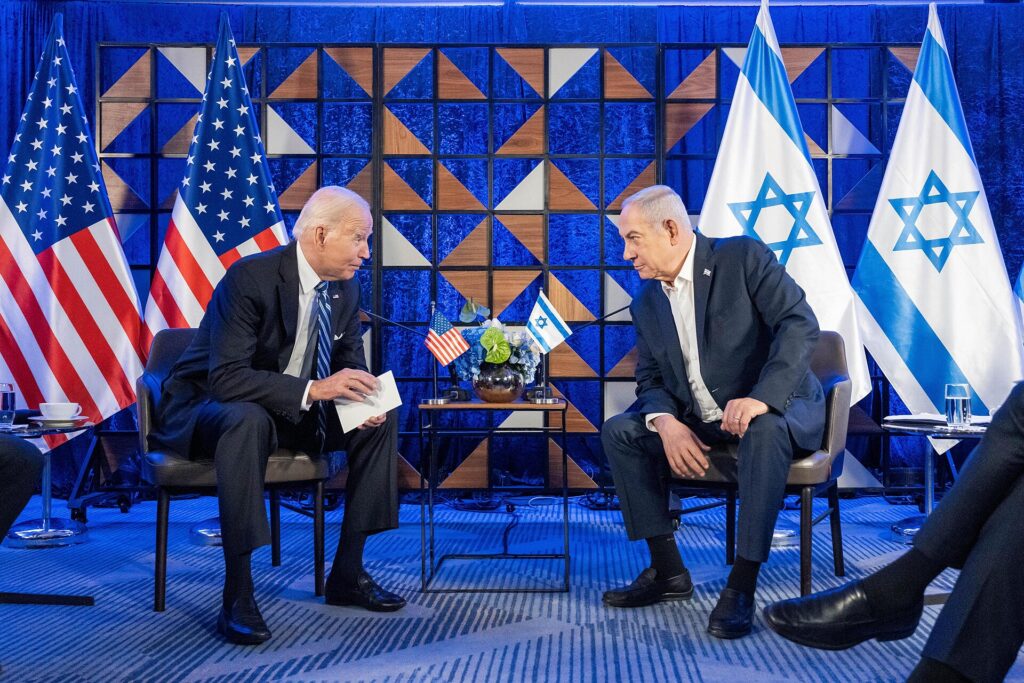
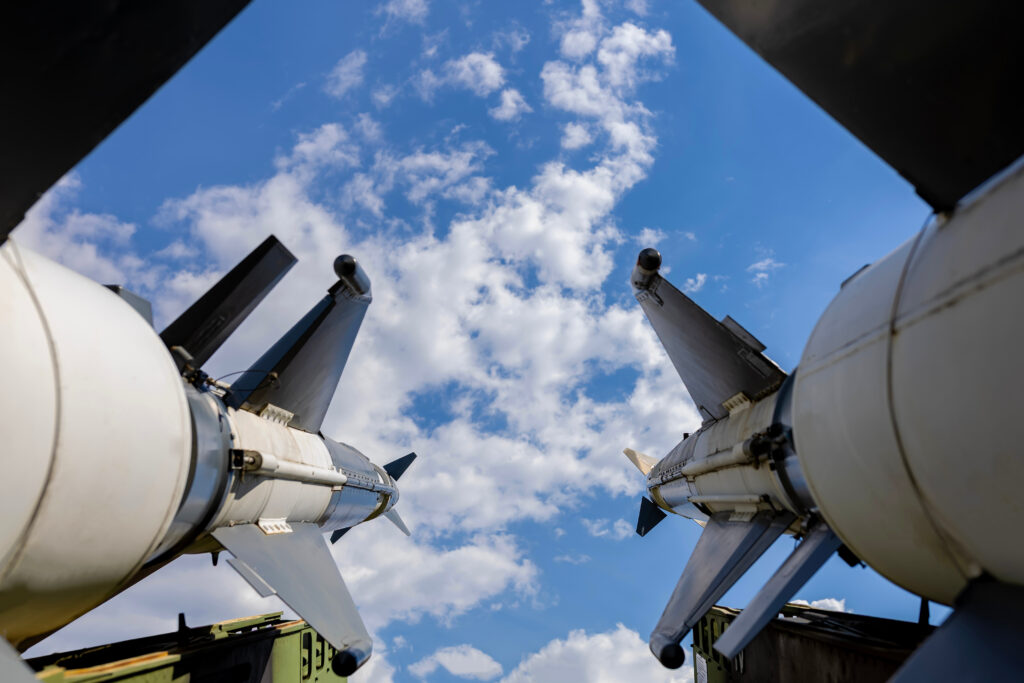
The United States and Iran have moved perilously close to direct clashes as a result of the escalating war in the Middle East and US efforts to defend Israel. Iran has also intervened against US ally Ukraine by providing drones and technology to Russia. In reaction to its increased sense of insecurity as its regional allies have been attacked and its homeland targeted by Israel, an undeclared nuclear weapons state, Iran has been debating whether to cross the nuclear weapons threshold, which would complicate efforts to defuse tensions with Israel or improve ties with the next US. president.
Featured Speakers
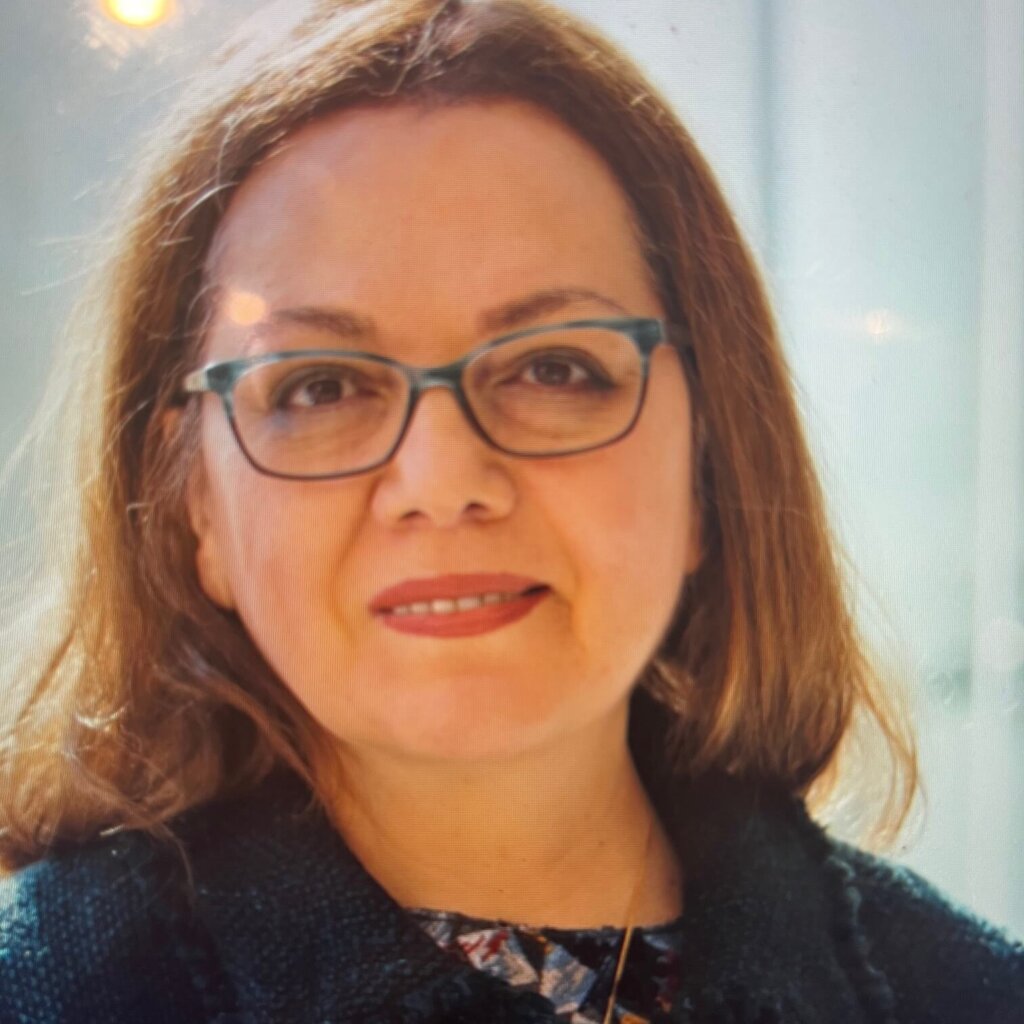
Fatemeh Aman, Non-Resident Senior Fellow, Middle East Institute
Fatemeh Aman is a non-resident senior fellow at the Middle East Institute. She has written on Iranian, Afghan, and broader Middle East affairs for over 25 years and advised U.S. and non-governmental officials. A former senior fellow at the Atlantic Council, writer, producer, and anchor at Voice of America and correspondent at Radio Free Europe/Radio Liberty, her work has appeared in Jane’s Islamic Affairs Analyst, Jane’s Intelligence Review and the Stimson Center’s Middle East Perspectives.
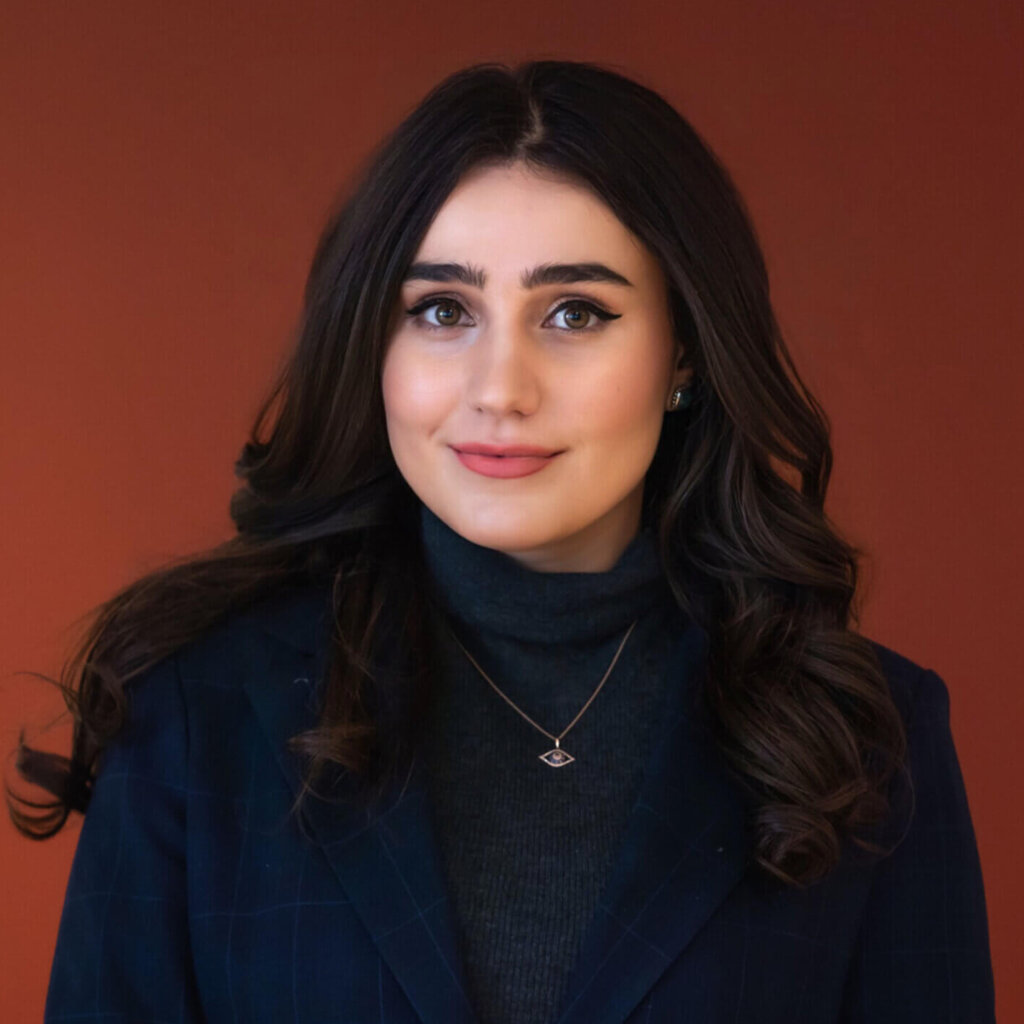
Nicole Grajewski, Fellow, Nuclear Policy Program at the Carnegie Endowment for International Peace
Nicole Grajewski is a fellow in the Nuclear Policy Program at the Carnegie Endowment for International Peace. Her research examines Russian and Iranian policies in the global order, with a particular focus on Russian nuclear strategy, Iran’s nuclear decision-making, contestation in the non-proliferation regime, and nuclear deterrence. She is completing her first book on the evolution of the Russia-Iran relationship from Syria to Ukraine, with Hurst Publishers.
Naysan Rafati, Iran Senior Analyst, International Crisis Group
Naysan Rafati is Crisis Group’s Iran Senior Analyst, focusing on the Iran nuclear deal and Iran’s regional policies. Prior to joining Crisis Group in 2017, Naysan was a Transatlantic Postdoctoral Fellow in International Relations and Security at the RAND Corporation, the United States Institute of Peace, and the Institut français des relations internationales. An honors graduate of Yale University, he earned his Masters and PhD degrees in Oriental Studies from St Antony’s College, Oxford.
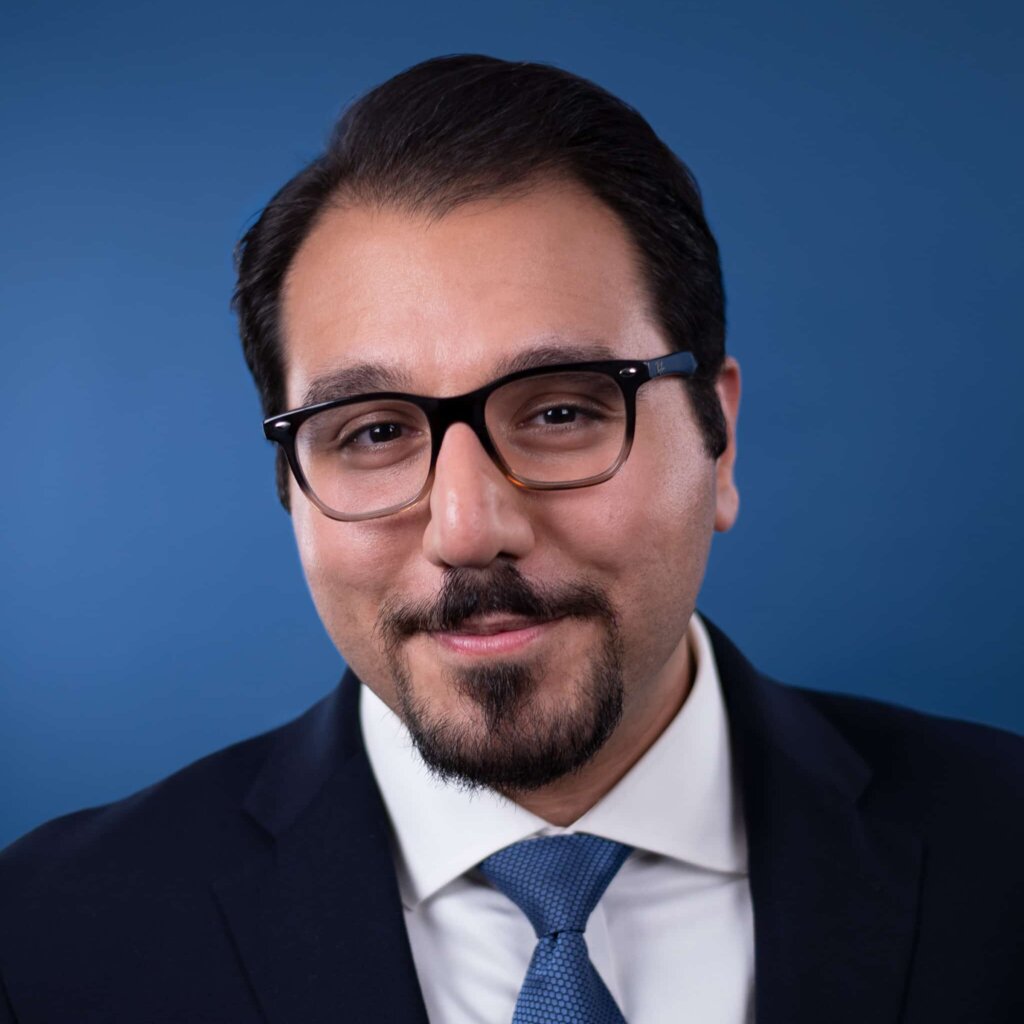
Behnam Ben Taleblu, Senior Fellow, Foundation for Defense of Democracies
Behnam Ben Taleblu is a senior fellow at the Foundation for Defense of Democracies where he focuses on Iranian security and political issues. Leveraging subject-matter expertise and native Persian-language skills, Behnam closely tracks a wide range of Iran-related functional and regional issues. Frequently called upon to brief journalists, diplomatic, military, academic, and policy audiences, Behnam has testified before the U.S. Congress, Canadian Parliament, and UK House of Commons.
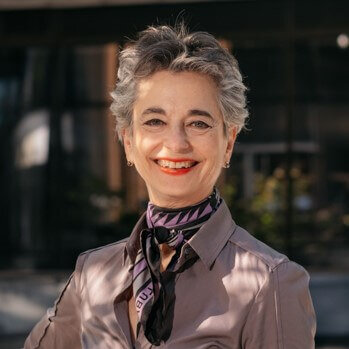
Barbara Slavin, Distinguished Fellow, the Stimson Center (Moderator)
Barbara Slavin is a distinguished fellow at the Stimson Center in Washington and a lecturer in international affairs at George Washington University. Prior to joining Stimson, she founded and directed the Future of Iran Initiative at the Atlantic Council and led a bi-partisan task force on Iran. The author of Bitter Friends, Bosom Enemies: Iran, the US and the Twisted Path to Confrontation (2007), she is a regular commentator on US foreign policy and Iran on NPR, PBS and C-Span.