

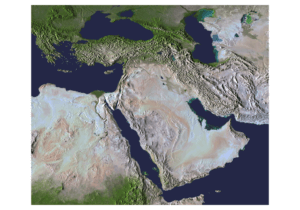


The Stimson Center’s Middle East Program seeks to inform policy discussions on the Middle East by leveraging regional expertise, convening dialogues, and producing rigorous, non-partisan analysis and scholarship. The program assesses regional geopolitical developments with a focus on conflict management, regional security, and post-conflict peacebuilding. Through sustained engagement with policymakers, scholars, and subject-matter experts, the program aims to advance practical policy thinking rooted in on-the-ground realities.
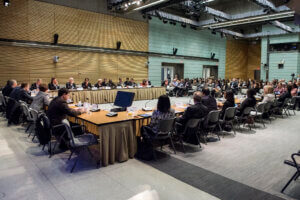
A core pillar of the program is the convening of high-level Track 1.5 and Track 2.0 regional dialogues that bring together policymakers, academics, and experts to conduct joint analysis, discuss de-escalation processes, and advance regional cooperation. The program also organizes issue-area roundtables to develop impactful policy recommendations informed by global lessons learned and regional experience. The program’s analysis and policy outputs are directly informed by the insights generated through these dialogues and roundtables.

Saudi leaders now consider Iran to be a counterbalance more than a threat.
May 30, 2025

Germany is likely to be one of the European states blocking a suspension of the EU-Israel Association Agreement over the Gaza war
May 28, 2025
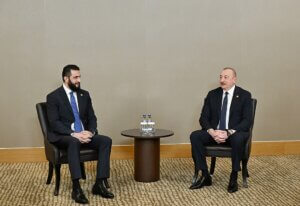
A greater Azerbaijani role in Syria could help Damascus navigate between Turkey, Israel, Iran, and Russia
May 22, 2025

Health diplomacy has a history of easing differences between historic rivals
May 20, 2025
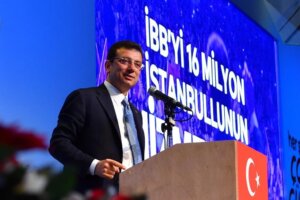
If the opposition’s resolve holds and international pressure mounts, it could galvanize a democratic revival in Turkey and beyond
May 15, 2025
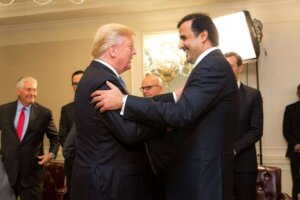
Trump is unlikely to succeed in reversing a regional trend toward closer ties with China
May 13, 2025
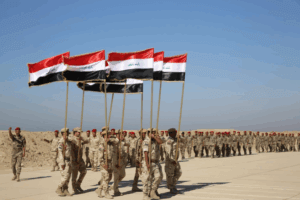
Reforming Iraq’s PMF to strengthen national stability amid regional tensions
May 8, 2025

A carefully managed balance between domestic sentiment and international engagement is now under pressure, leaving Jordan more vulnerable to non-state actors
May 6, 2025