Projects
Recent Publications
Chapter
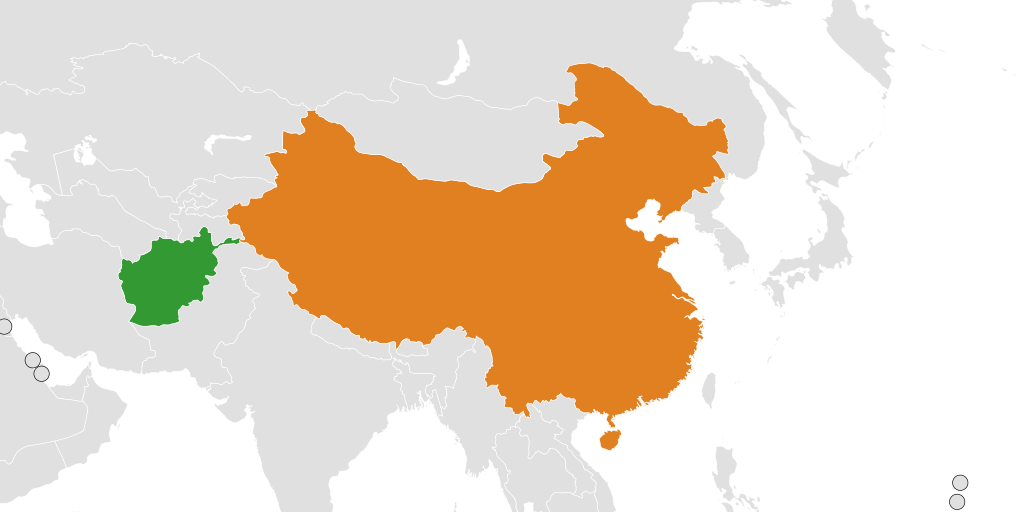
China has attempted to mediate Afghanistan’s conflicts at various stages, even as China’s global status and roles changed over the decades
Barnett R. Rubin

Commentary
The visit served to clarify India’s nuanced position on the conflict, conveying that India is neither aligned with Russia nor neutral in the situation. The policy adopted by New Delhi in this regard is “de-hyphenation,” a strategy of conducting independent foreign policy with two adversarial states
Oorja Tapan
Video
Video remarks from the 8th Secretary-General of the United Nations during Stimson's "Strategy, Security, and Diplomacy in the Indo-Pacific" event.
Ban Ki-Moon
Commentary
Exploring ways that Singapore can support adoption across ASEAN of clean energy technologies amid threats of climate change
Courtney Weatherby
Commentary
Following his appointment as South Korea’s new defense minister, this profile provides an overview of Kim Yong-hyun’s background and key positions
Kaitlyn King
Commentary
The likelihood of successful arms control arrangements between India and Pakistan is low due to a hostile geopolitical environment, India’s nuclear modernization, and the limited utility of traditional arms control
Syed Ali Zia Jaffery
Commentary
In the last decade, the priority of U.S. policy in the region has transitioned from concerns of an India-Pakistan war, the problems in Kashmir, and the worries of nuclear weapons proliferation to pushing back against Chinese military and economic influence and maintaining a favorable balance of power in the Indo-Pacific
Arvind Mohan
Commentary
Using GEOINT analysis, this article examines the uptick in activity at North Korea’s Kaesong Industrial Complex
Peter Makowsky • Jenny Town • Iliana Ragnone
No more posts to show
Experts
Events
Online Only
Online Only
Online Only
No more posts to show