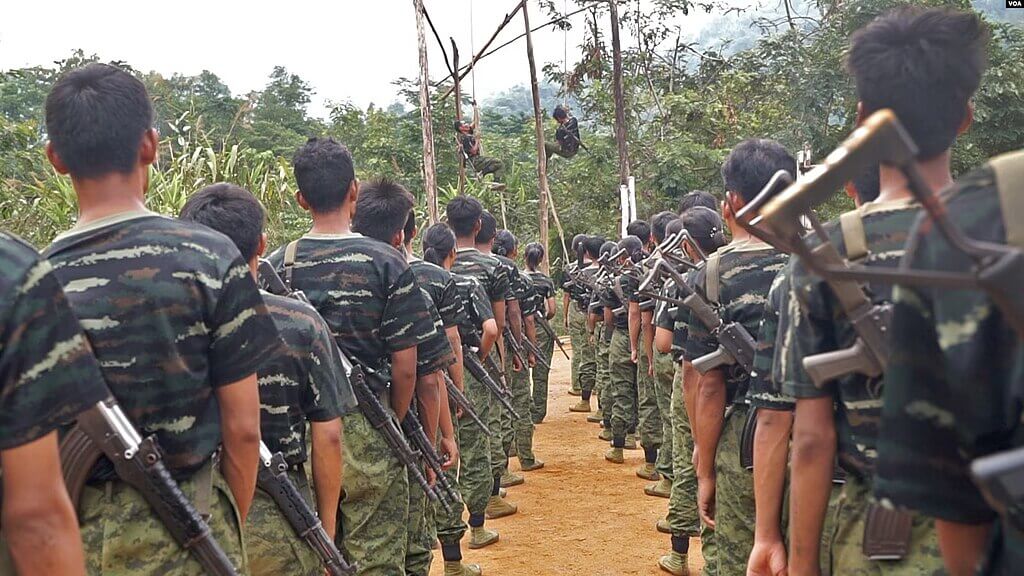
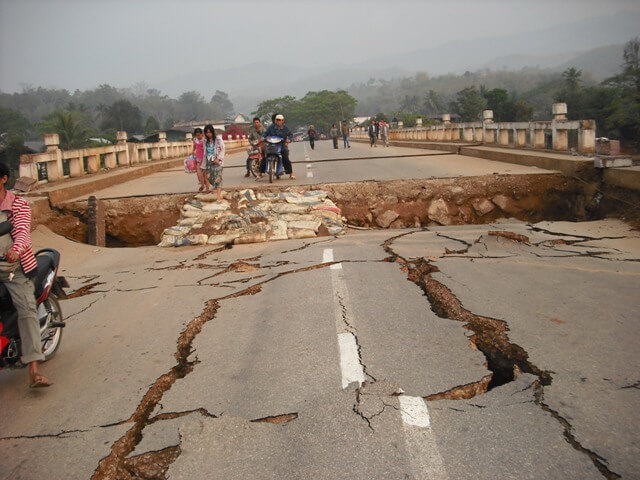
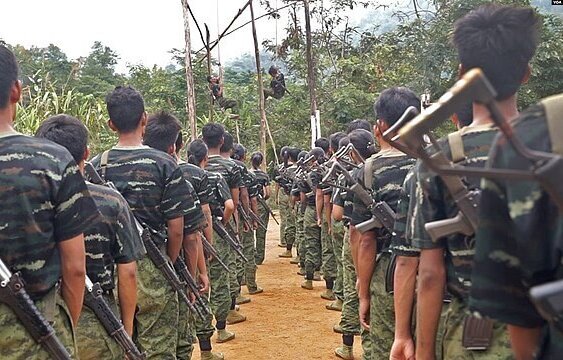
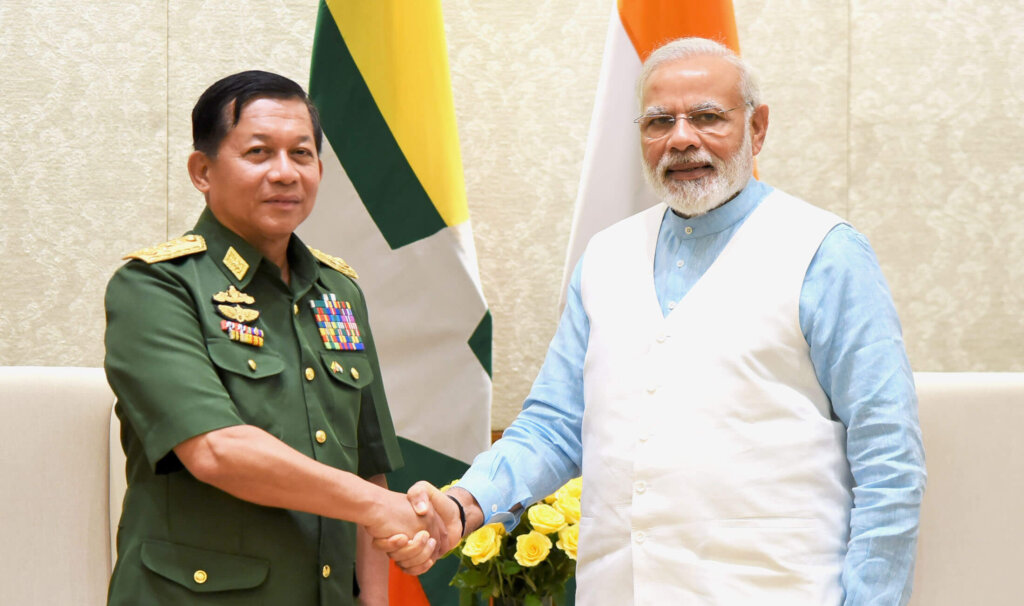
Myanmar’s Rakhine State is at a critical inflection point. Since November 2023, the long dominant Myanmar military, viewed by the Buddhist Rakhine and Muslim Rohingya as their oppressor, has rapidly lost ground to the Arakan Army. The trajectory of the conflict has significant implications: for the hundreds of thousands of internally displaced in Rakhine, the nearly one million Rohingya refugees forcibly displaced to Bangladesh by the military, and the many others impacted by decades of violence, underdevelopment, and natural disasters; for the future of politics, governance, and human rights throughout Myanmar; and for the geopolitical interests of Bangladesh, India, China, ASEAN, and the West.
This project will contribute research and analysis on conflict dynamics in Bangladesh and Myanmar, undertake dialogue and other initiatives that lay the foundation to address the proximate and root causes of conflict in Rakhine State, and engage a range of stakeholders across government, international organizations, and civil society to help shape a positive future for the people of Rakhine State, Myanmar, and Bangladesh.

You can opt out at any time. We respect your privacy and will not sell your personal information. See our privacy policy for more.