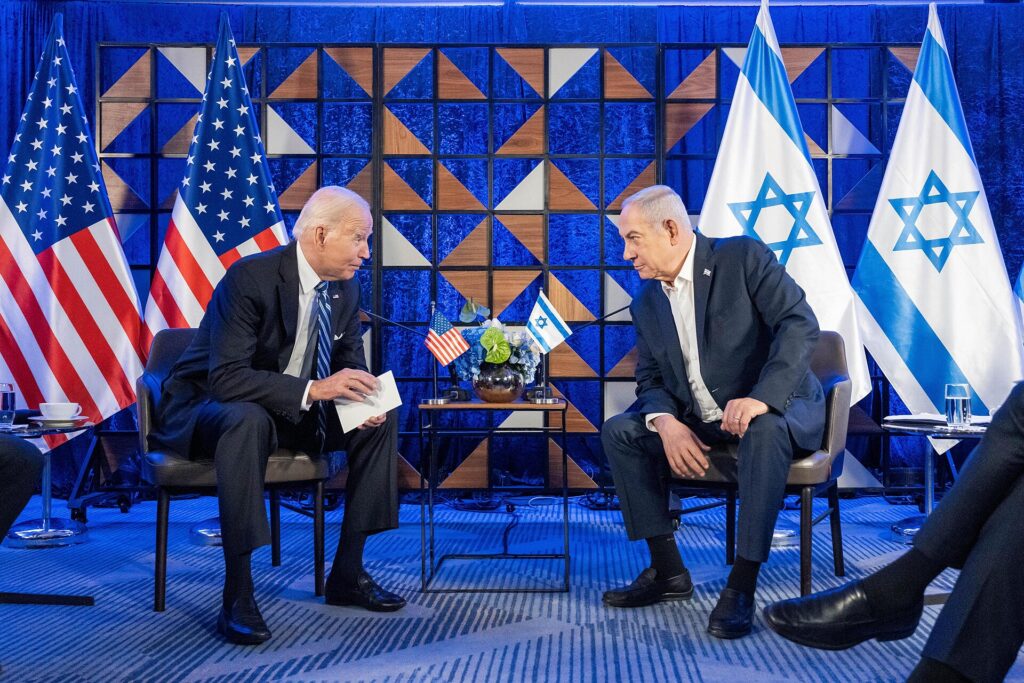
US-India relations stand at a critical juncture as both sides navigate friction that is testing the resilience of their partnership under the second Trump administration. These headwinds mark a departure from the remarkable deepening of ties between Washington and New Delhi over the past two decades, catalyzed in part by the landmark 2008 Civil Nuclear Agreement.
This event examines the enduring legacy of that accord through the lens of a new volume edited by speakers Šumit Ganguly and Dinsha Mistree. Drawing on first-person accounts from key negotiators on both sides, the book examines what it took to move the deal across the finish line despite domestic opposition in both capitals and offers lessons for policymakers today seeking to build on the momentum it generated.
The conversation will draw on those lessons to ask timely questions for the current moment in US-India ties: What does it take to achieve a genuine diplomatic breakthrough between two democracies with complex domestic politics? What has the nuclear agreement delivered — and where has it fallen short? And with the U.S.-India relationship having matured despite current challenges, what would a comparable act of strategic ambition look like today?
Featured Speakers
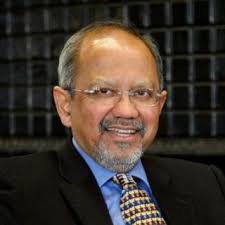
Sumit Ganguly, Senior Fellow, Hoover Institution
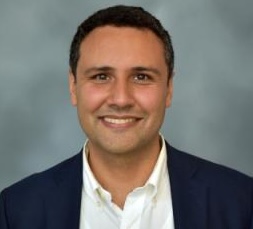
Dinsha Mistree, Research Fellow, Hoover Institution

Daniel Markey, Senior Fellow, South Asia and China programs, Stimson Center

Elizabeth Threlkeld, Senior Fellow and Director, South Asia Program, Stimson Center
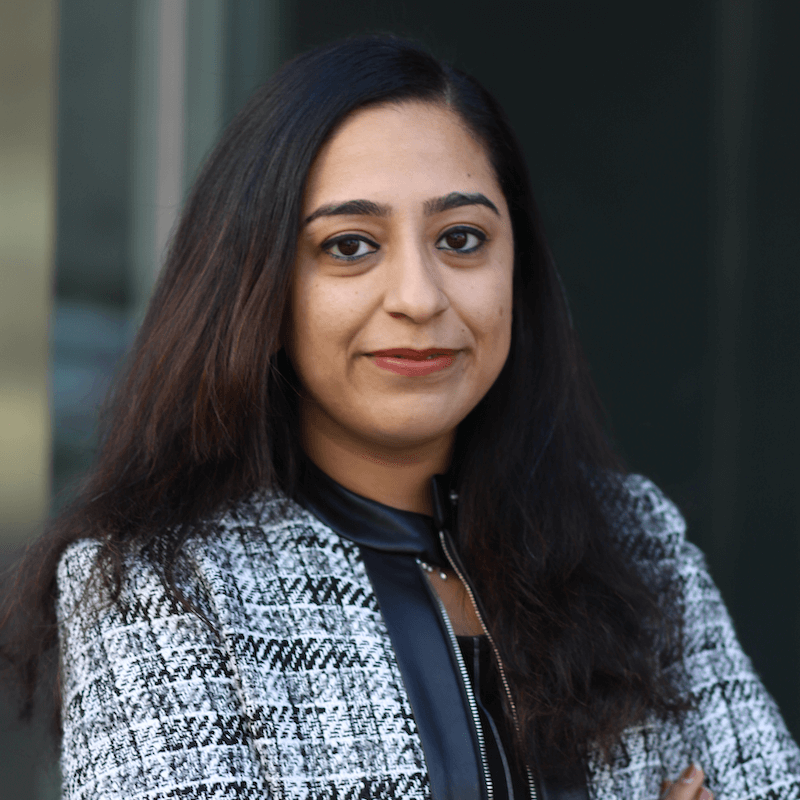
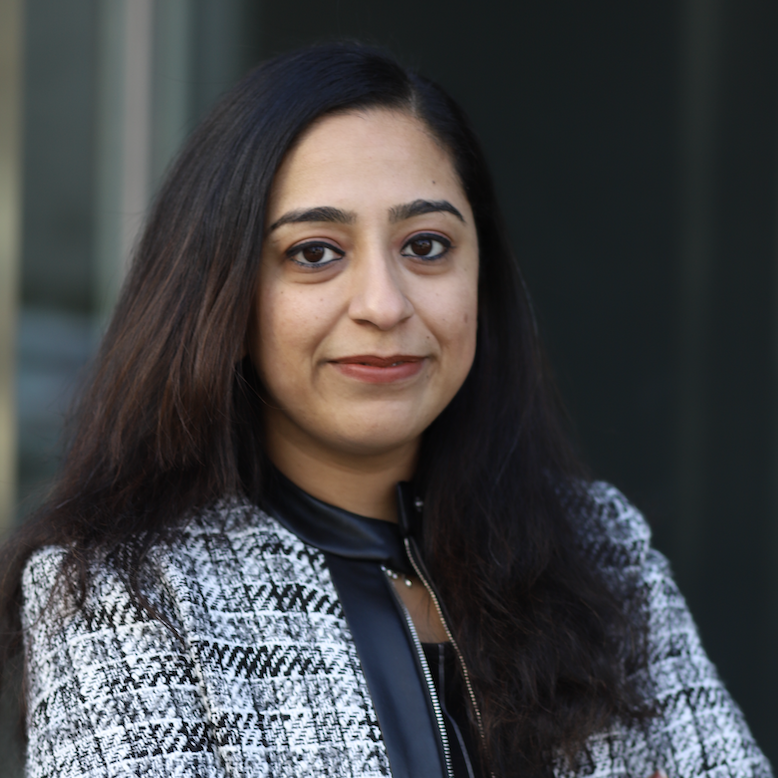
Akriti (Vasudeva) Kalyankar, Fellow, South Asia Program, Stimson Center (Moderator)