
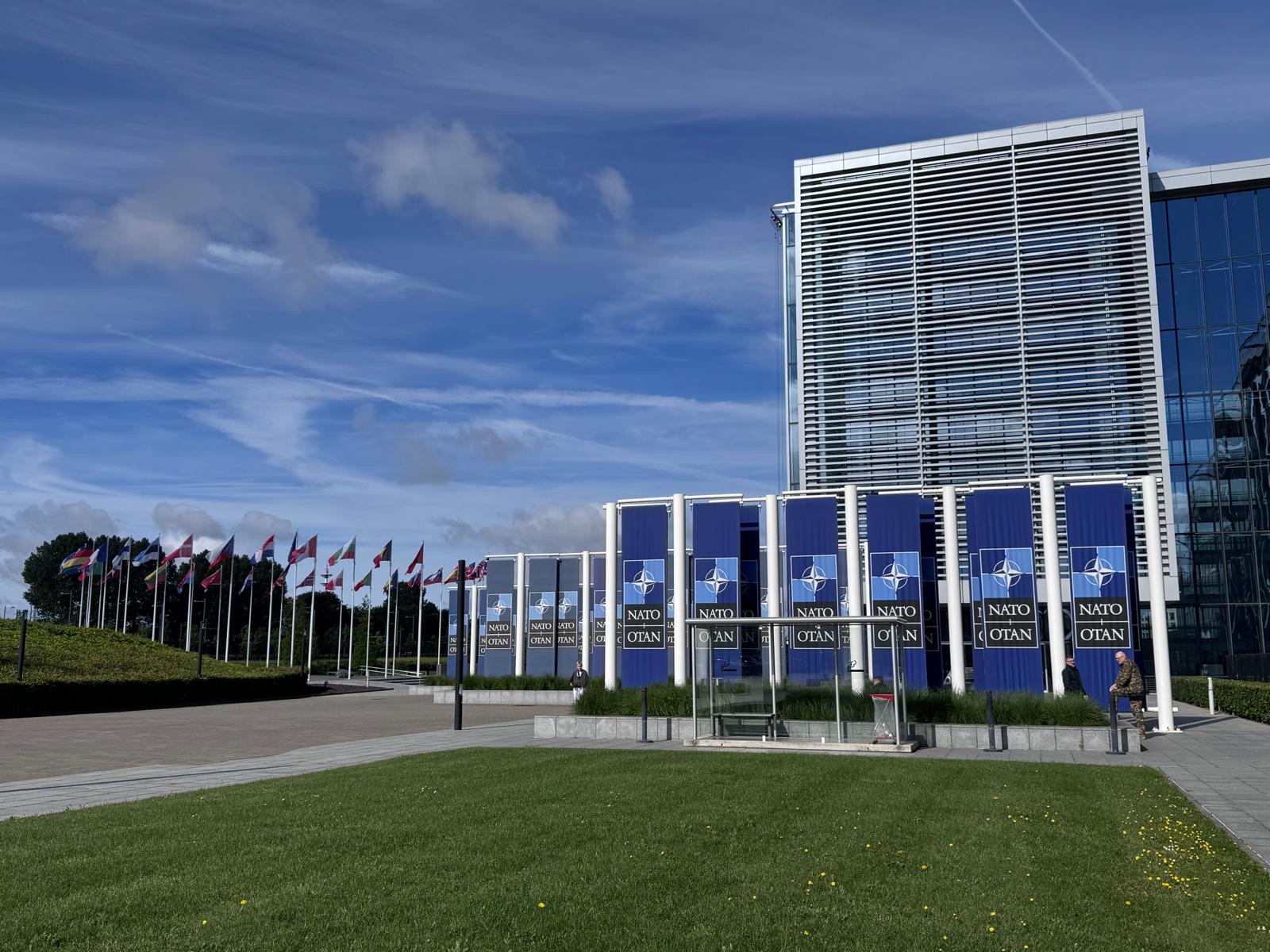
NATO’s Ankara Summit has put a spotlight on Ukraine’s military success against Russia and the support role played by Western partners. It has also highlighted, in particular, how both Ukraine and NATO have rapidly adapted to battlefield evolutions along with geopolitical trends — most notably, a U.S. pullback on direct support.
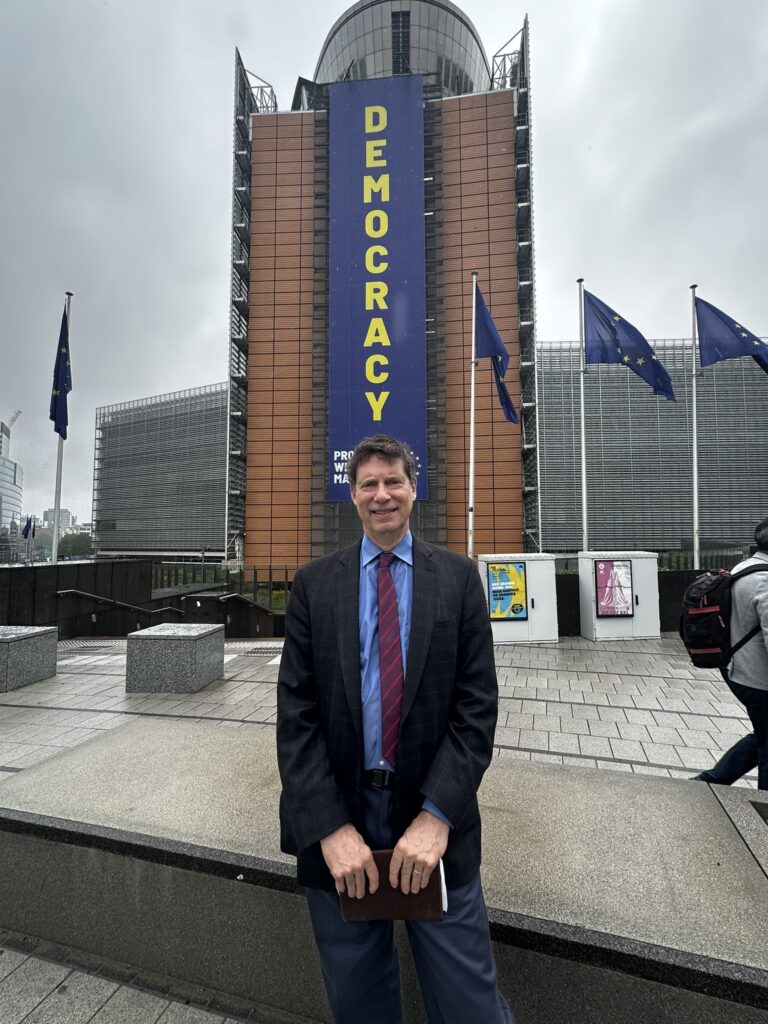
A recent study trip to Brussels to examine the details of how NATO and the EU are acting and adapting to help Ukraine yielded valuable insights. It amply demonstrated the possibilities and limitations of how these multilateral institutions could most effectively advance Kyiv’s goals. Interlocutors included officials and thinkers ranging from a former European Foreign Minister who is now a Member of the European Parliament helping to lead an informal EU-Ukraine Parliamentary grouping; a Parliamentary staff group; various parts of the European Commission and the European External Action Service; NATO operations and policy staff; SHAPE staff in charge of NATO’s Support Mission to Ukraine; the Ukrainian ambassadors to NATO and the EU; U.S, diplomats accredited to both organizations; the NATO Parliamentary Assembly; and journalists and think tank representatives. To ground the reality of Ukraine’s fight and understand the historical context, the study group also visited the battlefields, museums, and military cemeteries from WWI near the Somme in southern Belgium.
The Changing Transatlantic Relationship
Conversations also considered the new paradigm in transatlantic relations, a shift that was thrown into sharp relief as the close partnership, some might say interdependence, between Europe and the United States loosens. While there is some trepidation and even rancor about a more distant and less interested U.S., most of those we met are just busy figuring out how to navigate a new, unfamiliar terrain. There was also some unexpected optimism and even anticipation for what this new order means for Europe’s future. What was most apparent is that while Europe, through NATO and the EU, is making unprecedented steps to support Ukrainian nationhood, it fully recognizes that its own direct interests are fully at stake — better to deter and confront Russia through Ukraine now rather than later, or from within its own borders.
The EU
Despite some high-profile dissent from several European capitals, the unity and determination of Europeans to take the lead in helping Ukraine was on vivid display. The most notable example was a €90 billion EU loan to Kyiv approved on April 23 after the defeat of Hungarian PM Viktor Orban who had been blocking it for months, to finance weapons purchases, including some from the U.S., and the non-defense share of the Ukrainian government budget. Repayment of the loan is tied to prospective but unlikely Russian reparations to Ukraine, so Europe has accepted significant risk. Given traditional European resistance to planned state debt increases, and even stronger reluctance to any debt burden by EU institutions, the magnitude of this financial support is unprecedented. While an ostensible separate track, the prospect of Ukraine’s eventual membership in the EU has also provided political animation to the partnership between Brussels and Kyiv and added institutional ballast to Ukraine’s political resilience. The challenges that a conventional membership would pose to many delicate balances within the EU are enormous, not to mention the high functional and legal standards Ukrainian governing institutions would need to meet as part of the group.
NATO
NATO has also adapted at astonishing speed to the changed circumstances on the Ukrainian battlefield and across the Atlantic Ocean. A new command, with little direct U.S. participation or involvement, replaces what started out at the beginning of the current conflict in 2022 as an effective but ad hoc and personalized U.S. initiative to rally the military support of NATO allies. Besides institutionalizing the support pipeline from Western allies, the new command also enables Ukraine to be the driver in terms of specifying current and future needs. This is in sharp contrast to the early days of the war when Ukraine and Europe eagerly awaited pronouncements from the White House about what weapons systems would be made available or held back out of fear of excessive Kremlin anger. Adapting to take into account Ukraine’s own military evolution, this new command is also an ample illustration of the two-way street that now exists on sharing advanced military technology and tactics.
However, some longer-term truths remained firmly in place. There is no immediate prospect of Europeans being able to replicate certain kinds of current U.S. assistance, such as the rapid and integrated gathering, processing, and analysis of intelligence and other types of data to enable operational planning, force protection, and targeting. This also includes U.S. allowance and funding for Ukraine’s access to the private-sector Starlink satellite communications capabilities. Moreover, Ukraine’s urgent pleas for more and better air defense capabilities from depleted U.S. stocks also highlight that few alternatives now exist.
The tone and tenor of the transatlantic security partnership, as evidenced by President Trump’s comments in the lead up to the Ankara summit, have been tense and at times trite. Europe’s visible and complex support for Ukraine has provided the alliance with a real test case that is truly meeting the moment. This is a story that will continue to evolve daily but also one that provides a potent example of successful multilateral collaboration for an existential purpose.







Community Adaptation for a Water Festival Without Clean Water