
Introduction
Over the last decade, a boom in unregulated mining has been sending dangerous contaminants such as cyanide, mercury, arsenic, and other heavy metals directly into scores of rivers throughout mainland Southeast Asia. Local organizations and communities in Myanmar have voiced concern over pollution in the Irrawaddy Basin for years. In early 2025, testing on two Mekong River tributaries by Thai academics and government authorities in Chiang Mai and Chiang Rai Provinces showed pollution from unregulated mines in Myanmar was damaging downstream livelihoods in Thailand and gradually elevated the media and policy discourse on this issue. Today, tens of thousands of people living along the Kok River and Sai-Ruak Rivers in Thailand have stopped or reduced their use of those rivers. In November 2025, testing on the Salween River by Thai scientists and government authorities found arsenic levels there to be five times higher than acceptable standards. The actions of Thai activists and government agencies have unearthed a problem of a much larger scale.
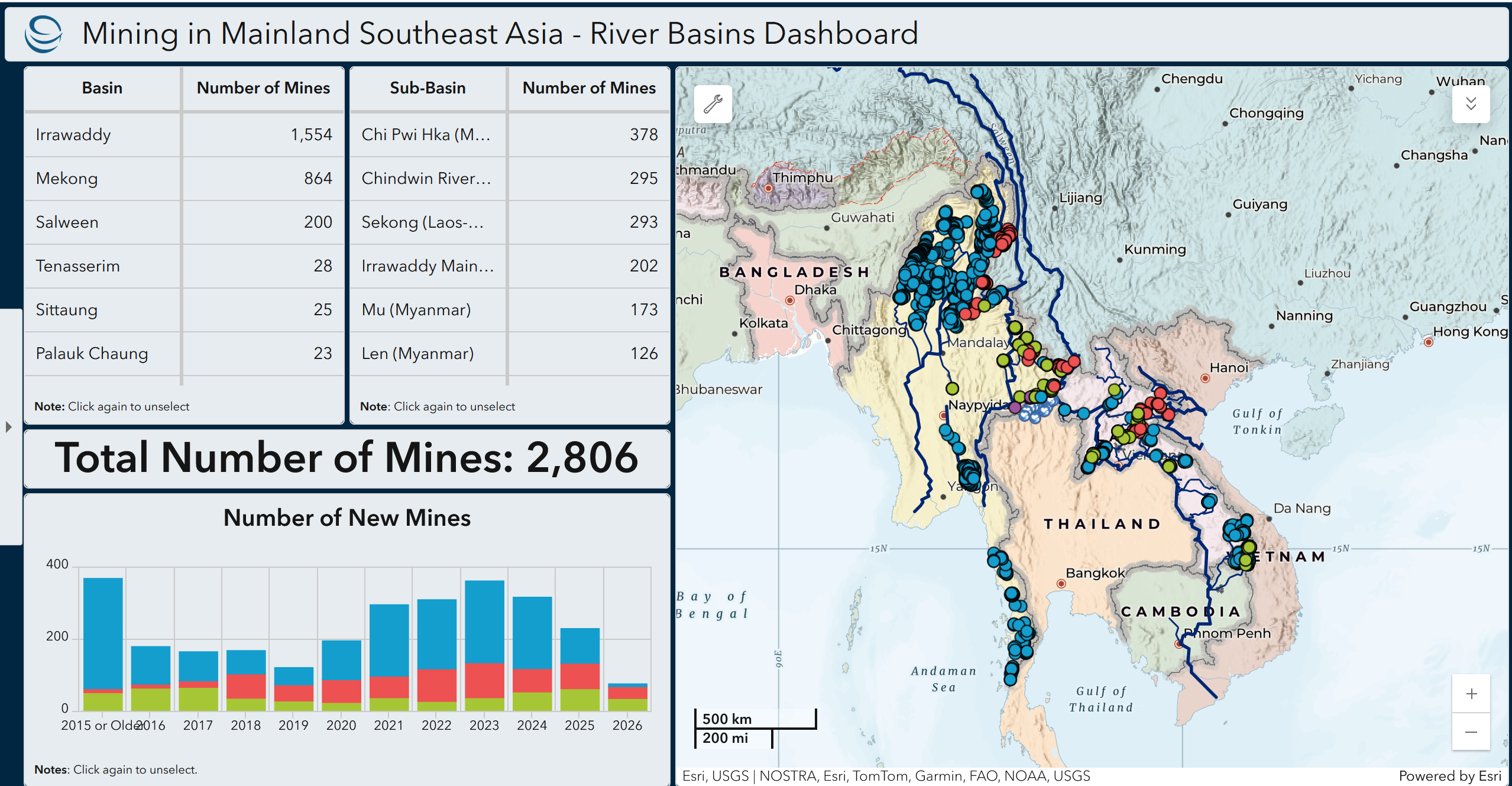
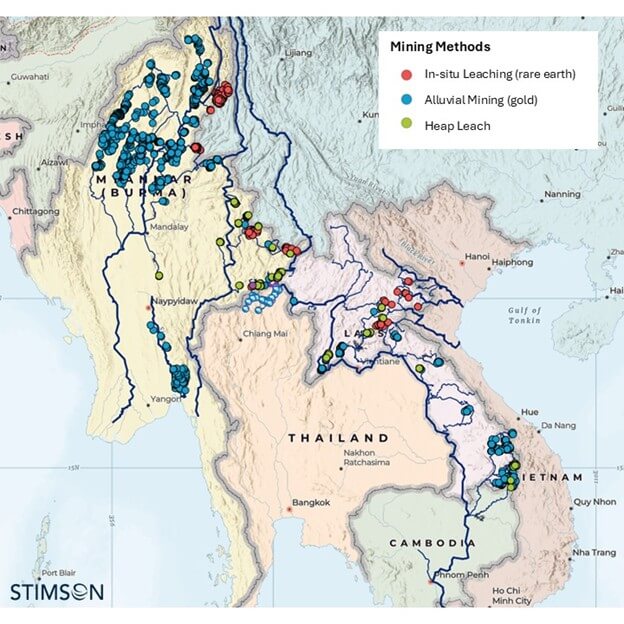
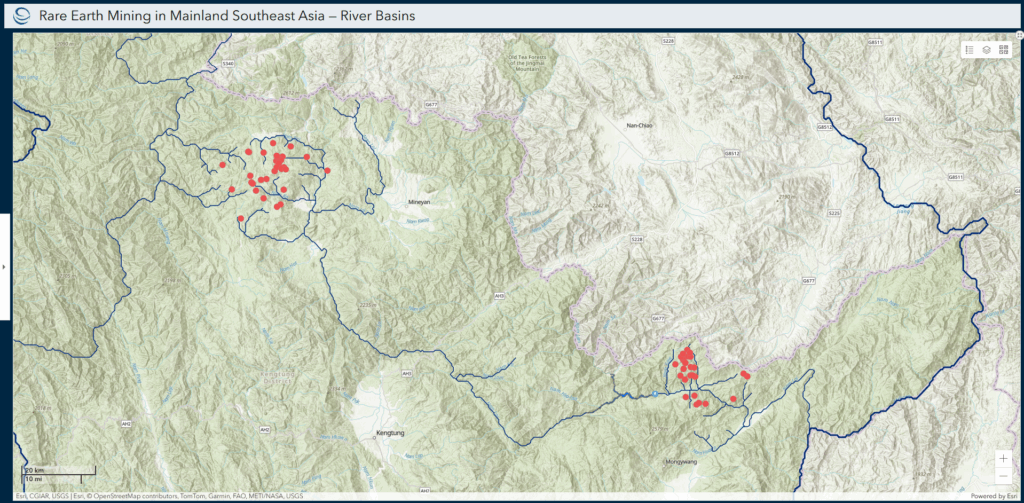
Stimson’s new interactive dashboard uses satellite imagery to unveil the massive scale of more than 2,400 sites for unregulated in-situ leach (rare earth), heap leach (gold, copper, nickel, manganese) and alluvial mining (gold, silver, tin) activities on or alongside 43 rivers in mainland Southeast Asian countries of Myanmar, Laos, and Cambodia. The dashboard also includes water quality information for the few rivers where testing has been done. The Stimson Center plans to update the dashboard with new mining sites and new testing data as it becomes available. This dashboard should be used by government agencies, journalists, academics, NGOs, and communities to drive a powerful discourse toward increased water, soil, and sediment testing throughout the region so that action can begin to protect the health and livelihoods of hundreds of millions of people who live along these rivers and depend on them for water, food, and livelihoods.
Drivers of this unregulated mining activity in mainland Southeast Asia include the increasing global demand for rare earth elements, record high global commodity prices for gold, and China’s exporting of its own rare earth extractives industry to peripheral areas just outside of its own borders. Lax regulations, poor governance, and corruption in Laos, Myanmar, and Cambodia provide safe havens for hazardous mining activity that has gone on in an unbridled manner for over a decade. Fragmented governance structures and conflict-driven economies in Myanmar have fueled extractive industries there for much longer. The 2021 coup in Myanmar only exacerbated the problem as various actors sought to take advantage of fragmentation and support an expansion of conflict, causing local people to turn to their rivers to mine gold and other valuable metals. All of these factors are very likely causing unchecked pollution in major rivers like the Irrawaddy, Mekong, Salween, Sittaung, Bilin, and rivers that run from Laos into Vietnam.
While high plastic pollution levels in the Mekong River are becoming better understood, the river system is widely perceived to be a clean river system that sustains local communities and national economies, feeds millions of international tourists, and enables the export of safe food products to the rest of the world. Only recently has a modest effort to test Thailand’s water produced evidence of heavy metal pollution. Earlier this year, Thailand’s Pollution Control Department testing activities found unsafe levels of arsenic on the Kok River and Sai River in northern Thailand. In November 2025, Thailand’s Pollution Control Department declared that unsafe levels of arsenic were found along the Thai-Lao border from Loei Province to Nakhon Phanom. The Mekong River Commission (MRC) publishes data on water quality through 2023-2024 but does not regularly test for heavy metals or toxins such as cyanide. In 2025, in response to Thailand’s testing results on the Kok River, the MRC mobilized testing efforts along the Mekong mainstream near Chiang Rai, Thailand, and farther downstream in Luang Prabang, Laos, finding excessive levels of arsenic near Chiang Rai and below at-risk thresholds at Luang Prabang. The Mekong River Commission pledges more action on this issue but only has purview over testing on the Mekong mainstream and not over the sixteen tributaries in Myanmar, Laos, and Cambodia where nearly 800 unregulated mines are operating.
This explainer article provides summary analysis on which rivers and countries have the highest instances of unregulated mining; discusses the operations and damaging effects of in-situ leaching, heap leach mining, and alluvial gold mining; and provides commentary on the drivers, current responses, and necessary actions to mitigate the region’s potential looming health and economic crisis. This article details the methodology for identifying mining sites using Planet Labs’ optical satellite image archive. Importantly, we are confident that the data captures most but not all of the rare earth, heap leach, and alluvial mining in the region. The rationale for why mines are labeled as unregulated across the three categories of mining is explained in sections below. These industries are booming, and more mines are starting or expanding operations each month in mainland Southeast Asia. Satellite imagery provided by Planet Labs only can identify mines that began operation from 2016 onward, so the data does not capture activity prior to this; while the dataset captures as many inactive mining sites as possible, not all are identified. Further, other forms of unregulated mining are happening in the region and as more is learned about identifying these other forms of unregulated mining, we plan to add these into the dashboard and produce more explainer articles such as this one to discuss the potential impacts of these mines.
What is In-situ Leaching, and How Does It Pollute?
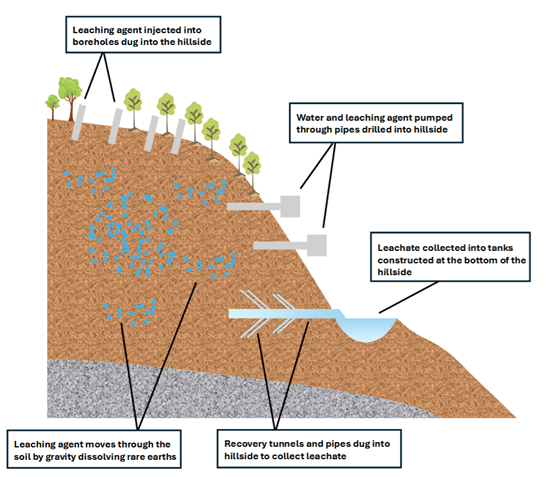
Broader understanding of how in-situ leaching works is illustrated in a University of Warwick and Kachinland Research Centre briefing paper documenting how mines operate in Myanmar. Rare earth mine operators in mainland Southeast Asia identified on our dashboard use in-situ leaching to extract rare earth elements from underground deposits through the use of chemicals and river water. Miners drill boreholes at the top of a hill where they install pipe networks to drip fertilizer into the ground. Over the course of months, fertilizer, such as ammonium sulfate and ammonium bicarbonate, reacts with the rare earth elements in the clay subsurface and dissolves the rare earths. On the side of the hill, horizontal holes are drilled, and another network of pipes is installed to pump water from nearby rivers and streams into the hillside to help spread the fertilizer throughout the subsurface. Further downhill, pipes are installed for the dissolved and more concentrated material to wash out into clusters of large collection pools. Additional chemicals are introduced into the rare earth-laden slurry that separate the rare earth elements, which settle to the bottom. The remaining water is then drained, and workers collect the pool sludge for further processing before it is transported to buyers in China.
Poorly managed and left unchecked, these mines can impact nearby river systems, groundwater, and surface soils. Access to water is crucial to in-situ leaching. Water pumped from nearby rivers to aid in the underground distribution of fertilizer is discharged back into the same river system, now contaminated with high concentrations of fertilizer and other rare earth elements not captured during the collection process. For every one ton of oxides produced through in-situ leaching, 2,000 tons of tailings are dispersed into the environment, and 1,000 tons of wastewater containing high concentrations of fertilizer and metal contaminants are produced.

Once mines have been exhausted, beyond economic feasibility, of their rare earth content, mining companies move to a new location to repeat the entire process. Exhausted mines are abandoned without any known mitigation efforts to treat remaining collection pools filled with chemicals and heavy metals or any post-mining activities to prevent environmental exposure. Consequently, these ecological and environmental impacts introduce health and economic risks to nearby and downstream communities. Excess nitrate, derived from the fertilizer, introduced into rivers can suffocate aquatic life, disrupt the ecological balance, and degrade water quality. Consistent and prolonged exposure to rare earth elements can affect the brain, liver, bones, and immune system.
Identification Methods
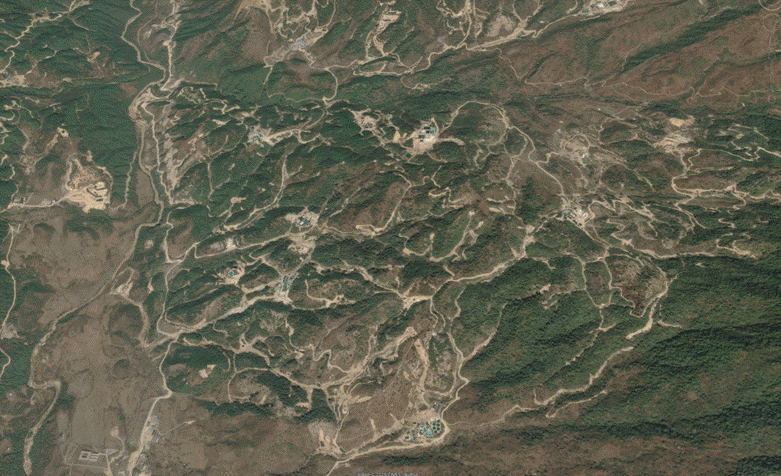
In-situ leaching is detectable through high-resolution satellite imagery. To identify rare earth mines in the dataset, we used methods learned from Shan Human Rights Foundation online publications. The mines are distinct from other types of mining and are known for heavy rare earth elements in the region. Collection pools are the most distinct and noticeable aspect of in-situ leaching. They are large, clustered in sets, and appear bright blue or green due to use of chemical solutions or the color of plastic liners around the edge of the pools. This form of rare earth mining originated in China and was later banned (discussed below) due to the significant negative impact that the mining process and wastewater discharged from the mines had on communities and the environment. No known mitigation efforts are applied to these mines, and the form of mining observed in China is the same form of mining observed in traditionally poorly governed parts of mainland Southeast Asia. Because of this, we assume the mines are unregulated in terms of their polluting effects.

Who Owns and Operates These Mines?
Satellite imagery generally cannot provide information on who owns and operates these mines. Local and regional organizations and activists provide the context for understanding what parties are involved in the development and operation of the mines. A Shan Human Rights Foundation report revealed the rare earth and gold mines on the Kok River just upstream of the Thai-Myanmar border are owned and managed/operated by Chinese companies and nationals. A University of Warwick and Kachinland Research Centre briefing paper noted Chinese nationals involved generally manage the entire process or handle technical aspects, leaving the hands-on work and constant, prolonged exposure to hazardous materials to local miners.
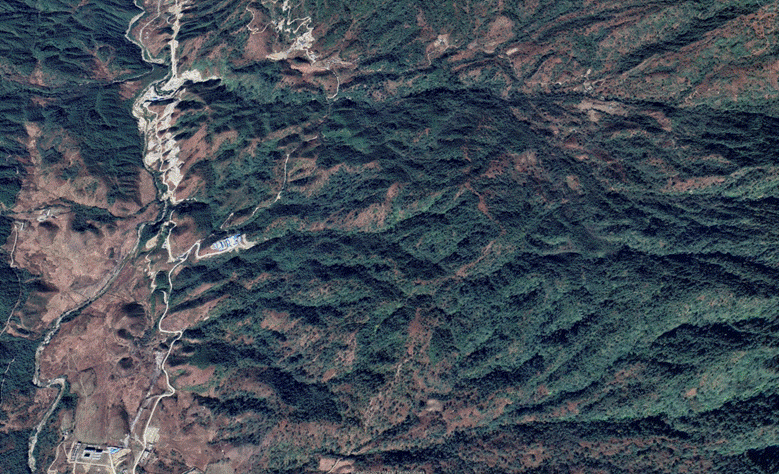
How In-Situ Leaching Transforms a Landscape
Before: November 2012, Kachin State,Myanmar. Image: Google Earth, Maxar
After: March 2021, Kachin State, Myanmar. Image: Google Earth, Maxar
Heap Leach Mining
What is Heap Leach Mining, and How Does it Pollute?

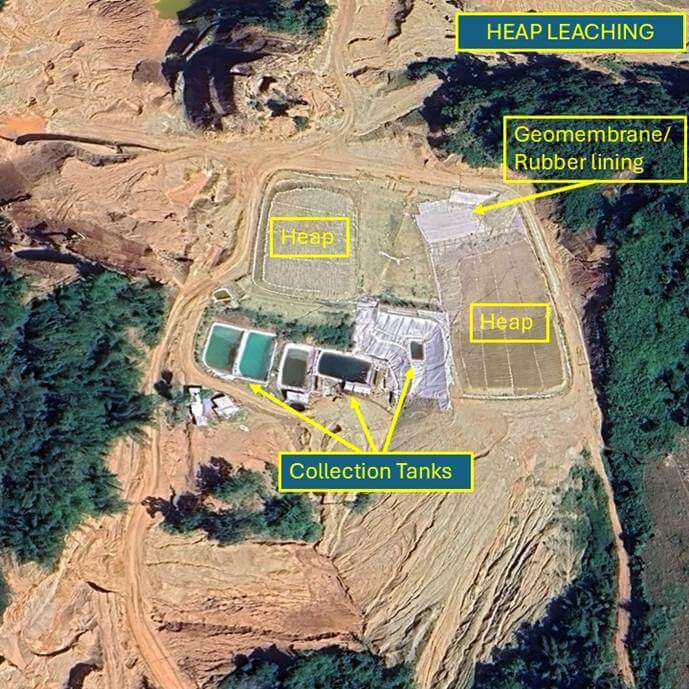
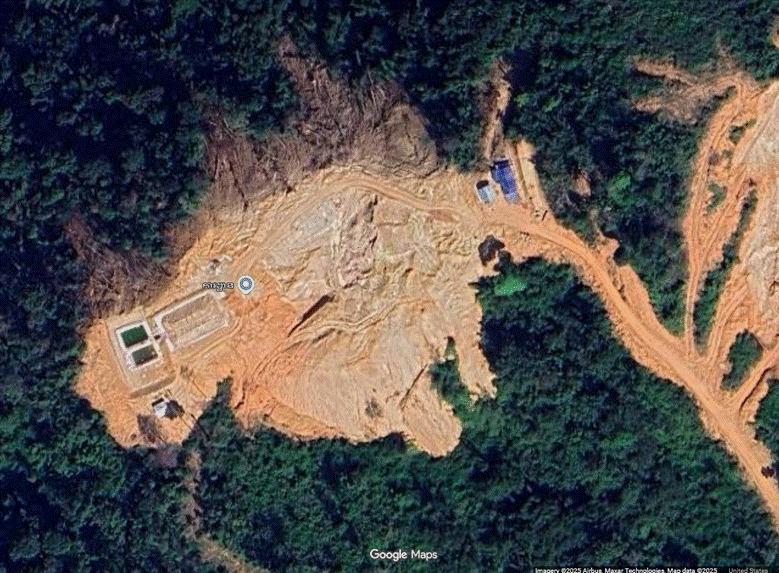
Heap leaching is a form of mining where ore deposits are mined, crushed, and heaped onto a pile with an impermeable bottom lining. Heap leaching can be used to extract a variety of metals, but a Shan Human Rights Foundation report noted heap leaches for gold mining are expanding in the region. Heap leaching processes can also mine copper, nickel, and manganese. Additionally, legal mining operations in Laos also operate heap leaches for gold, like at the Sepon Mine and Phu Kham. In the case of gold mining, the crushed ores are sprinkled with a sodium cyanide leachate over several months. The cyanide solution trickles through the ore pile and separates and dissolves the gold from other crushed materials. The gold-laden solution percolates out from the base of the heap into nearby plastic-lined pools where it goes through an additional extraction process, including carbon adsorption, zinc precipitation, activated charcoal, etc., to separate the gold from the solution. The now gold-less solution can be reused again for another heap leach and is often stored separately as a tailing. A heap leach can last for several months (or longer, depending on the size of the heap pile), and once the heap has been extracted of its gold content, it is destroyed or abandoned.
For heap leaching (an already economical form of mining), past reports have shown proper containment of chemical solutions has not been a priority, leading to environmental contamination. Pools and tailings are also exposed to nature, which can be difficult to manage during the monsoon season when sudden, heavy precipitation can lead to overflow into nearby water systems and the ground. A lack of proper and best practices can also lead to leaks through liner failure, poor placement of mines, which can lead to accidents, and abandonment.
The use of cyanide to separate and extract gold puts people and the environment at risk of prolonged and/or concentrated exposure to harmful chemicals. Cyanide poisoning for humans can occur through ingestion, inhalation, or absorption through the skin. It affects the respiratory system, can cause comas, seizures, cardiac arrest, and can also be potentially fatal in small doses. This is particularly dangerous for miners who are exposed to cyanide regularly, but also wildlife like migratory birds that may consume water from the open-air leach ponds and die.
Identification Methods
Heap leach mining is identified using high-resolution satellite imagery. To identify heap leach mines, we used methods learned from Shan Human Rights Foundation online publications. The distinct attributes of heap leach mining include the heap pile of ores and a set of nearby pools that collect the dissolved metals for further refinement. Heap leach mining is also generally near surface mines where material is mined and brought to nearby heaps. A measure commonly applied to reduce cyanide leakage into the surrounding environment is to build a tailing pond around one-third the size of the mining site. This pond captures the cyanide-contaminated waste rock and liquid. Most of the heap leach mining sites identified in this dataset do not have large tailing ponds and because of this they are labeled unregulated and are assumed to be directly polluting the rivers and environment around them.
Who Owns and Operates These Mines?
Similar to rare earth mines, ownership of heap leach mines is difficult to determine using satellite imagery and open-source information. The level of machinery to mine and transport ores to the heap leaches, and access to the amount of leachate solution like sodium cyanide needed to apply on the heap leaches, points to organizations or people with enough assets to procure the materials. Some of the more well-known mines like the Chinese-majority owned Sepon Mine in southern Laos have started to use heap leach to extract gold. In 2022, Shan Human Rights Foundation identified 12 companies with permits carrying out heap leach gold mining in eastern Shan State along the Mekong River. This report names companies from Myanmar’s Ministry of Natural Resources and Environmental Conservation’s list of mining permits for a range of minerals and extractive processes published in November 2021. This list contains names of hundreds of companies with gold mining permits throughout Myanmar but not all permits are for heap leach mining.
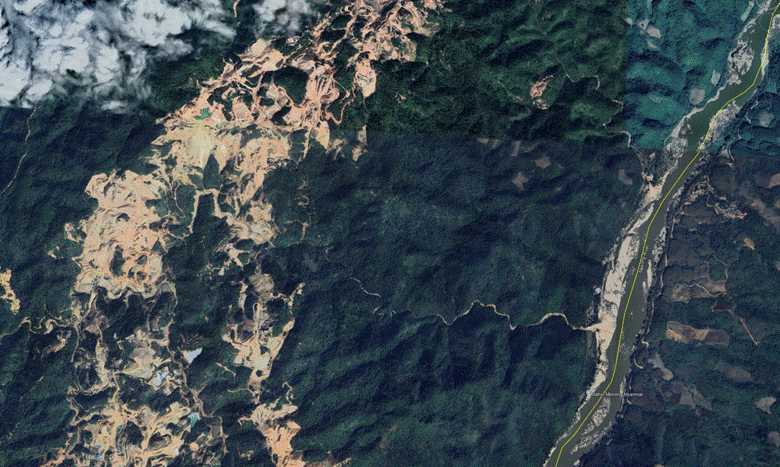
How Heap Leaching Transforms a Landscape
Before: February 2014, Shan State, Myanmar along the Mekong River 15 kilometers upstream from the Golden Triangle. Image: Google Earth, Maxar

After: January 2025, Shan State, Myanmar along the Mekong River 15 kilometers upstream from the Golden Triangle. Image: Google Earth, Maxar
Alluvial Mining
What is Alluvial Mining, and How Does it Pollute?
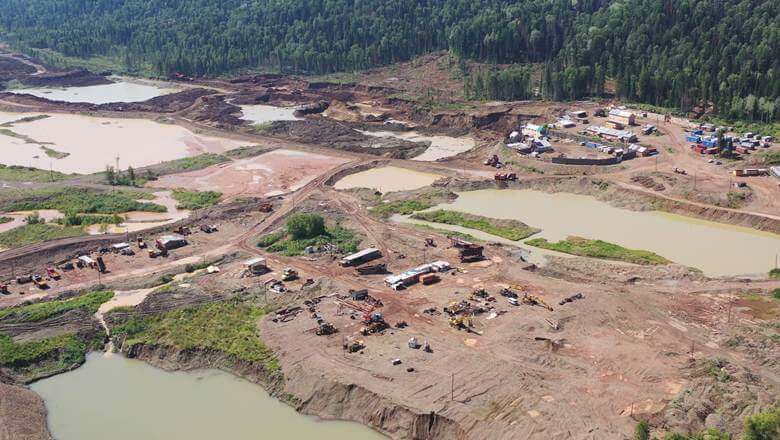
Alluvial mining is the process of extracting sediment in the riverbed and along the riverside and extracting gold or other metals such as silver or tin through various separation techniques including gravity techniques like sluicing, dredging, and panning. Mercury is often used alongside gravity techniques to improve the capture of gold through amalgamation. Mined ore is crushed into small pieces and added into a mill with water from the nearby river. Mercury is added into this mixture, and, as the mill mixes the slurry together, gold present in the crushed ore forms an amalgam with mercury. The amalgam is then separated from the remaining material and heated to vaporize the mercury, leaving gold.
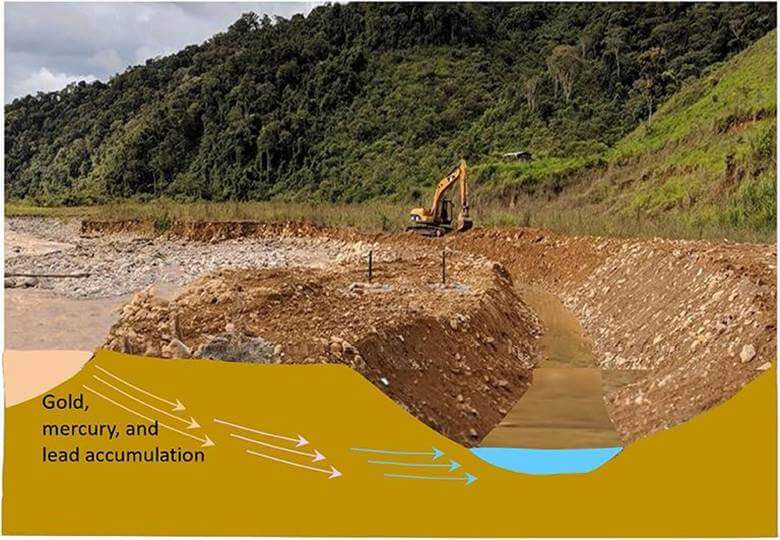
Alluvial mining is mobile, as it doesn’t take too long to mine one segment of a river before moving up or downstream to repeat the process all over again. As an example, observing a single river over 2-3 years demonstrates how miners move throughout the river system, leaving mined sites abandoned as vegetation slowly takes over the abandoned site.
The use of mercury to separate and extract gold puts people and the environment at risk to prolonged and/or concentrated exposure to the harmful metal. Mercury poisoning damages the central nervous, immune, and reproductive systems, as well as causing allergic reactions, skin irritation, fatigue, and headaches. Physical and mental disabilities are also more prevalent among children near communities that mine gold using mercury. Environmentally, mercury can negatively impact nearby food chains and biodiversity. In river systems, mercury affects plant and animal growth and health, which then threatens any animal or human that consumes said plants or animals, like fish, which is already known to accumulate mercury. Agricultural products such as rice, which are exposed to contaminated water, leads to higher mercury uptake in the crop – particularly relevant to this region, as Thailand and Vietnam are the world’s second and third largest rice exporters.
Finally, gold mining in general releases large quantities of other heavy metals as waste, which in high concentrations can lead to harmful effects on human health and the environment. Some heavy metals, like iron, zinc, and copper, are essential to our livelihoods and general biology, but only in trace amounts, while higher concentrations accumulated in humans can damage vital organs. Other heavy metals, like chromium, lead, and arsenic, (and mercury), disrupt biological processes. For example, lead poisoning induces neurological, respiratory, urinary, and cardiovascular disorders. Chromium accumulates in your body, can cause skin, renal, and neurological diseases, and is attributed to several types of cancer including lung, kidney, and bone.
Identification Methods
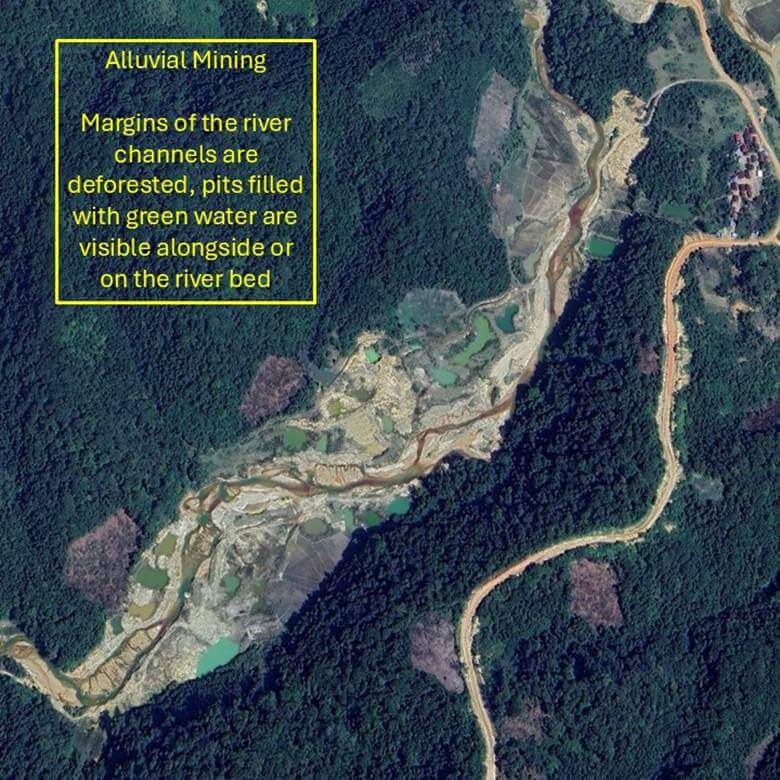
Alluvial mining can be identified using high-resolution satellite imagery. These mines are very mobile, so ongoing mining is hard to locate, but surface markings often roughly circular in shape as a result of the mining are distinct. These “scars” often appear as disturbed surfaces surrounding a river with exposed soil and pools of water, which are remnants of the mining process. Alluvial mining will often create deforestation patterns around the scar sites; thus, a first signal for sandmining is change in forest cover or clearing of land along a river. Another form of mining that can occur along river banks is sand or gravel mining, which can also create pits along the river bank. A difference between pits created by alluvial mining for metals and sandmining is the green or blue color of the alluvial mining pits. The green color can be caused by various copper-based minerals that are often found in association with gold and other metal deposits. This form of alluvial mining is globally well established to be extremely damaging to rivers and the surrounding environment during the mining process and after the mining process concludes without further environmental remediation. The sites identified in this dataset fit the characteristics described above and show no signs of environmental remediation and as such are labeled as unregulated.
Who Owns and Operates These Mines?
Determining the companies or individuals conducting alluvial mining activity in mainland Southeast Asia is an extremely difficult task. Villagers conduct artisanal mining activities as a form of livelihood. Much of the alluvial mining activity identified on the dashboard is of a medium or larger industrial scale. These mining activities could come from companies originating in the host countries of Myanmar, Laos, and Cambodia or from foreign companies. Given Laos’s relatively open borders, we assume some unregulated alluvial mining is coming from mining companies originating in neighboring Thailand, Vietnam, and China. Larger mining companies could be employing local laborers working in at-risk conditions to chemical exposure or dangerous landslides. Most literature on alluvial mining in mainland Southeast Asia suggests that a majority of the alluvial mining activity is for gold, but instances of mining for other metals such as silver or tin have been documented.
How Alluvial Mining Transforms a Landscape
Before: October 2019, Alluvial mining in the Nam Kading Basin, Laos. Image: Google Earth, Maxar
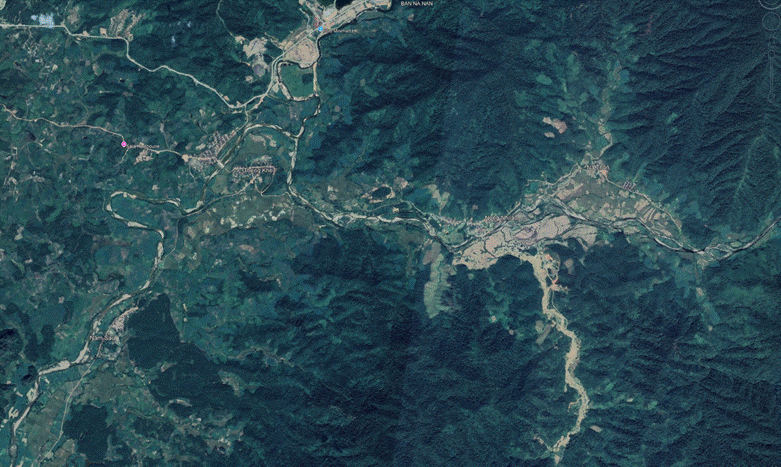
After: January 2024, Alluvial mining in the Nam Kading Basin, Laos. Image: Google Earth, Maxar
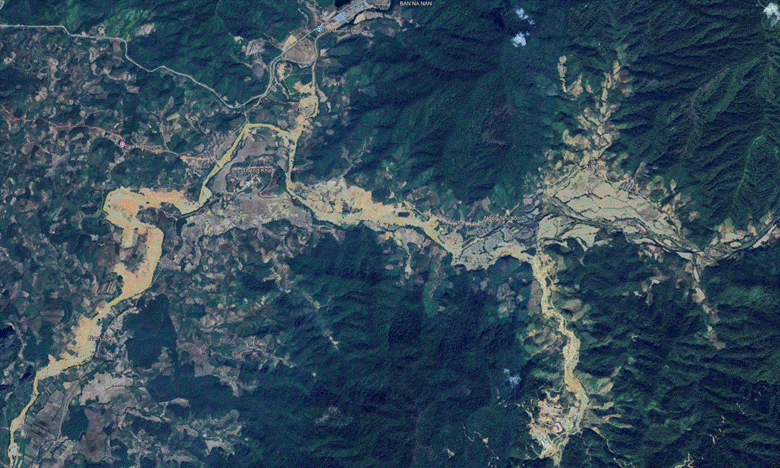
Before: February 2010, Alluvial mining on Uyu River, Myanmar. Image: Google Earth, Maxar
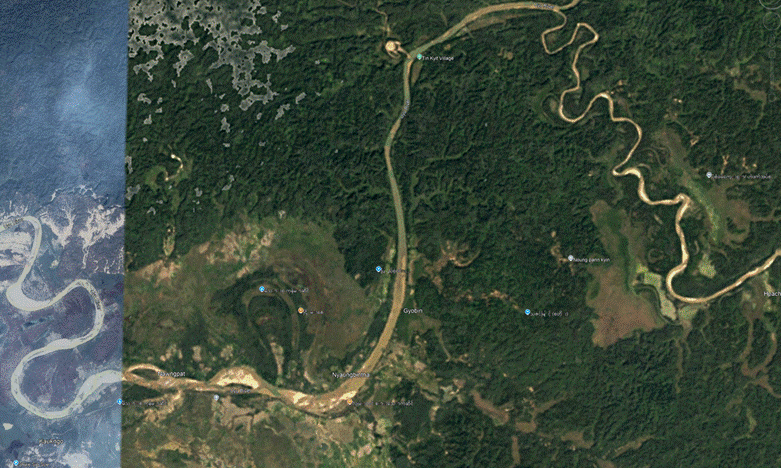
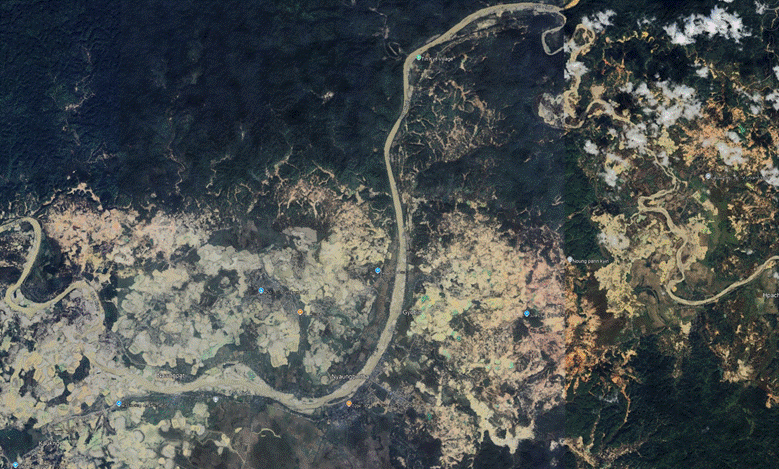
After: December 2020, Alluvial mining on Uyu River, Myanmar. Image: Google Earth, Maxar
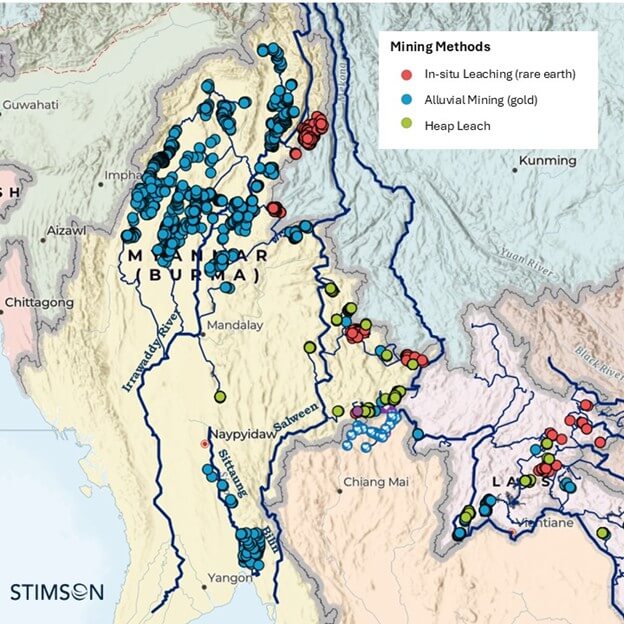
Where is Mining Activity Mostly Concentrated?
This article only discusses the locations and impacts of three kinds of unregulated mining activity in Mainland Southeast Asia: in-situ leaching, heap leach mining, and alluvial mining. Details on the processes for these mines and how they pollute rivers are discussed in sections below.
Myanmar:
Nearly 80% of the unregulated mining activity occurs in Myanmar (1,885 sites) where mining activity and its relationship to the ongoing conflict in Myanmar has been documented for years. Early reports of unregulated rare earth mining conducted by Chinese companies in Kachin State — part of the Irrawaddy Basin — were published in 2021 by Frontier Myanmar and in 2022 by Global Witness, and in May 2025, reporting from Shan Human Rights Foundation showed rare earth mining operations in Myanmar’s eastern Shan State, which straddles the Mekong and Salween river basins. The 2021 coup caused Chinese miners to shift operations from Kachin State to Shan State (discussed below). Currently, there are at least 549 unregulated in-situ leaching rare earth mining sites in Myanmar.
Mining companies likely require local permissions and land concessions to develop and operate their mines. Different governance structures provide these permissions and concessions depending on where the mines are located. In Myanmar, mines are either in Kachin or Shan State where the military junta’s control has long been contested and has further eroded since the coup. Currently, ethnic armed groups like the Kachin Independence Army (KIA), United Wa State Army (UWSA), and the National Democratic Alliance Army (NDAA) control territories where a majority of mines are located.
The design for in-situ leaching mines for rare earth elements was developed in China and high demand for heavy rare earths drove the domestic industry to build unregulated and illegal mines in southern China. Recognizing the growing environmental and ecological impact of these mines, China began a series of reforms from the early 2000s to mid-2010s, including cracking down on illegal mines, enacting stricter environmental regulations, and consolidating the industry into six state-owned enterprises. This likely pushed actors to look for alternative heavy rare earth sources as the shift away from domestic mining in China correlates with mines appearing in Kachin State in the mid-2010s. Beginning with the 2021 coup d’etat in Myanmar until 2024, the KIA gradually seized territory from the Kachin Border Guard Force that held a majority of rare earth mines in the state. This temporarily paused rare earth exports to China for several months, disrupting global supply chains and caused Chinese companies to diversify their supply by exploring other potential nearby sources. Although a few mines were operating as early as 2015, the proliferation of rare earth mines in the Mekong River Basin started in 2022 and are now spreading throughout UWSA and NDAA territory in Shan State, and northeastern Laos.
Unregulated gold mining has been a viable economic activity in Myanmar for decades for artisanal and industrial firms, but reporting has linked the uptick in gold mining to the 2021 coup in Myanmar that also coincided with upward trends in the price of gold, which is now at a record high. Heap leachmining boomed in 2017 with the introduction of 65 new mining sites, most of which are in the Mekong region. Today, more than 340 heap leach sites are found throughout Myanmar mostly located within upland areas and officially recognized self-administered zones close to China’s border. Use the dashboard to browse through the 996 identified alluvial mining sites located throughout Myanmar that have irrevocably altered huge landscapes there. Unregulated gold mining in Myanmar is opposed by many NGOs and communities in Myanmar as it exposes people and biodiversity to health and other risks; yet, ultimately this activity is deeply tied into informal and formal economies so much so that reducing alluvial mining activity through improved governance measures will meet numerous roadblocks and challenges.
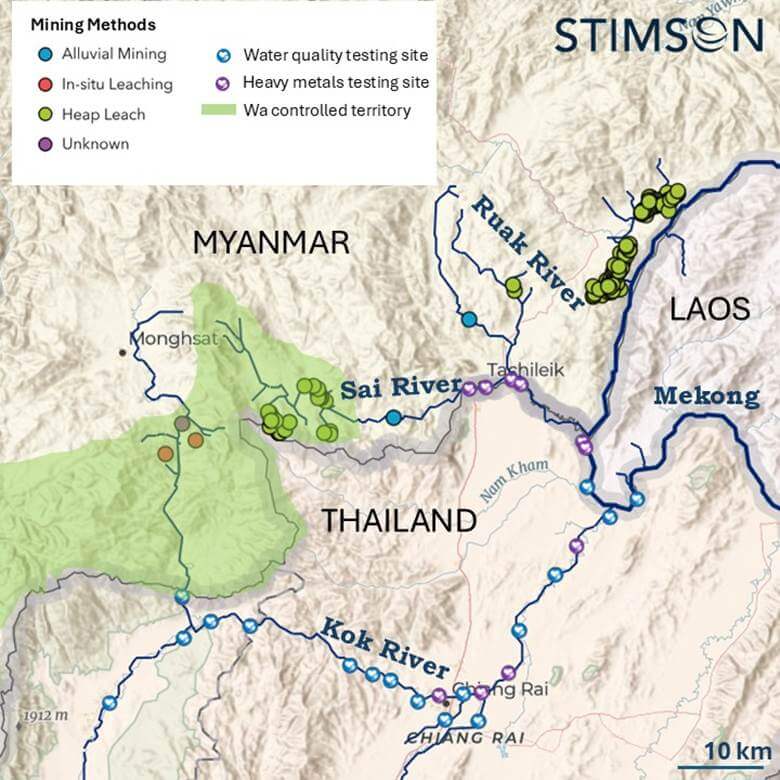
Nearly all rivers in Myanmar have some kind of unregulated mining activity occurring on or near them. Most of the watersheds of these rivers are located within Myanmar’s territory. A portion of the Salween Basin (where 125 mines are found in Myanmar) also flows downstream through Thailand. The Sai-Ruak (46 mines) and Kok Rivers (3 mines) also flow from Myanmar into Thailand before entering the Mekong. Table 2 shows the breakdown per major river system and Table 3 provides a breakdown per tributary along with a list of major towns and cities along those tributaries.
Laos:
Most of the remaining unregulated mining activity is in Lao PDR’s northern provinces along 13 tributaries of the Mekong River and rivers that flow from Laos into Vietnam (Song Ma, Song Chu, Song Lam). Prior to the release of Stimon’s rare earth mining dashboard in September 2025, only one prior instance of rare earth mining in the Xam River Basin in Laos was published by Radio Free Asia in 2024. Currently, at least 26 rare earth mines are operating in Laos with the first going into operation in 2022, shortly after the coup in Myanmar, which likely pushed China’s rare earth mining activity into Laos. Weak land tenure regulations in Laos also likely pulled in China’s rare earth miners. In Laos, permits and land concessions were procured to conduct exploratory work and build in-situ leaching mines. However, a historical inability to centralize decision-making and governance in Vientiane means national ministries have little oversight over the development and operations of the mines. Although the legality of these mines cannot be ascertained by satellite imagery alone, the mines lack regulations and mitigation of pollutants.

517 unregulated mines were identified in Laos across the heap leach (145 mines) and alluvial (346 mines) dataset. An initial boom prior to 2016 of more than 50 heap leach mines started in Laos’s southern Sekong Basin, and the recent uptick in the price of gold has caused a new boom of heap leach mining in Laos’s northern provinces with 26 new mines in 2024 and 31 new mines in 2025. Like Myanmar, alluvial gold mining has been a viable form of economic livelihood for local people for decades, but the recent increase in the price of gold has increased industrial scale alluvial gold mining directly on or alongside rivers in Laos.
To illustrate, 277 of the 346 alluvial mining sites identified in Laos started operations in the last five years. Most of this activity occurs in central Laos and southern provinces in the Sekong Basin. More than 258 heap leach mines and alluvial mining sites identified in the Sekong Basin should be a cause for concern to Cambodia’s Stung Treng Province located in the Sekong downstream. The Sekong is the last undammed large tributary of the Mekong River and serves as a migratory pathway for a massive portion of the Mekong’s fish population.
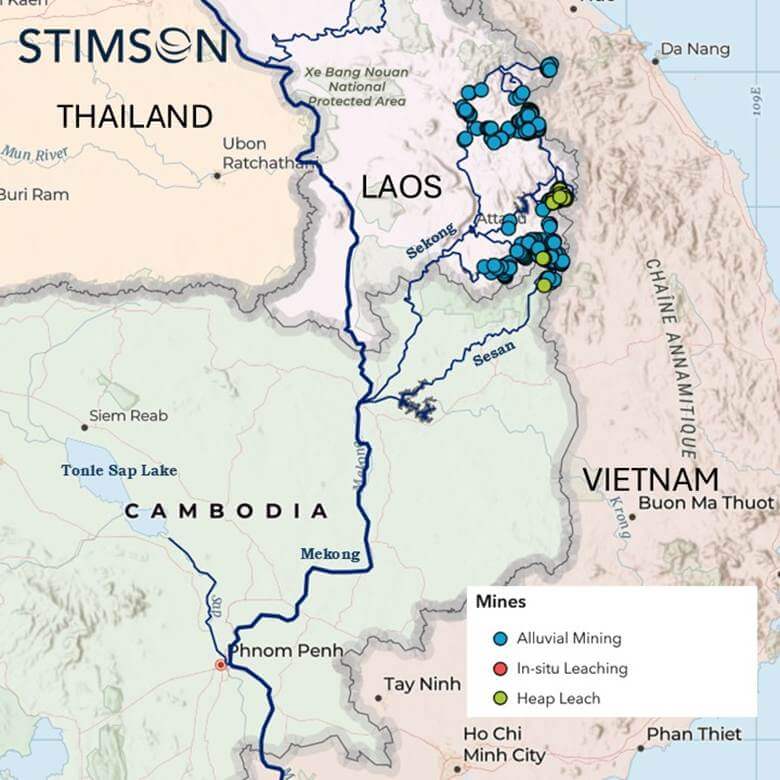
Legal heap leach and alluvial mines exist in Laos, but their operations were suspended in October 2024 by Laos’s Prime Minister Sonexay Siphandone. Laos’s National Assembly has raised concern over poor regulatory oversight and lax regulations governing gold mining operation, and pollution and fatalities from gold mining activity have been recently reported in Laos’s state-run media. Because of this, all legal mining activity in Laos is currently undergoing an inspection at the mandate of the national government, and mining is anticipated to resume when the inspection period concludes. Despite the Lao government’s commitment to cracking down on illegal mining activity, the national government lacks capacity and resources to police legal mining activity. A lack of oversight paves the way for legal mines to engage in illegal production practices. Small-scale alluvial mining for gold, tin, and silver is a common but illegal activity practiced by local people throughout Laos. Satellite imagery and related analysis such as that provided by our dashboard can help officials in countries like Laos identify unregulated mining activities and take action.
Cambodia:
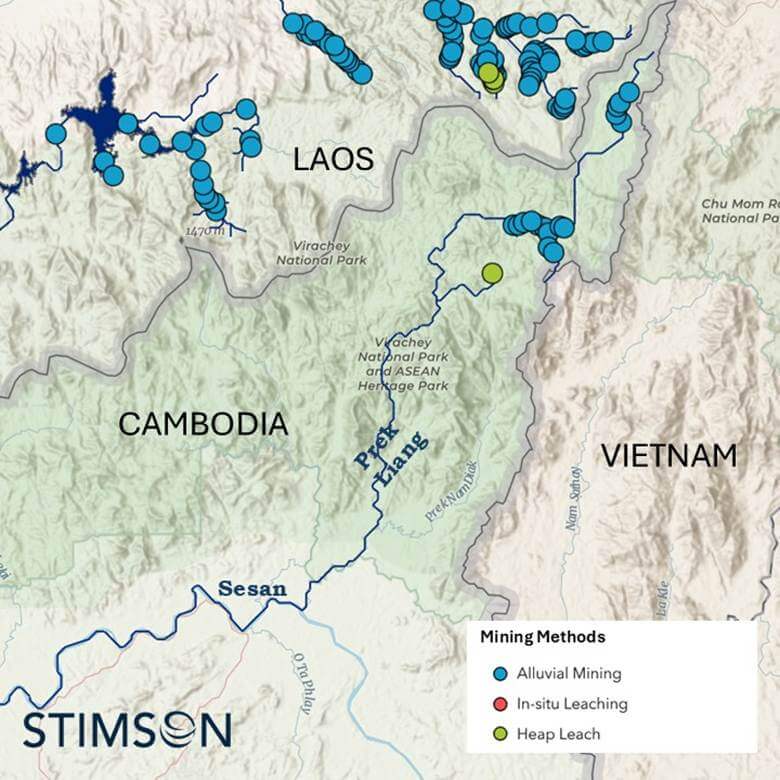
One heap leach site and 16 alluvial mining sites were identified in Cambodia — although only rivers in Cambodia within the Mekong Basin were examined. Our survey excluded Cambodia’s coastal rivers. All of the gold mining activity observed in Cambodia is located within Virachey National Park on the Prek Liang tributary of the Sesan River, a major tributary of the Mekong River. Some of this activity could have been conducted by illegal Vietnamese miners who were arrested and deported from Cambodia in 2024. A new heap leach mining site was developed in late 2024 linked to several other nearby alluvial mining sites, and new alluvial mining sites have opened in Virachey National Park in 2025, suggesting not all illegal or unregulated activity has stopped. Virachey National Park is home to threatened species, such as the red-shanked douc langur, Sunda pangolin, clouded leopard, dhole, and sun bear, and was described as an “untouched haven for biodiversity” in Cambodia’s state-run media in January 2025. Licensed gold mining in Cambodia is rapidly increasing with permits issued mainly to companies from Australia and China. Cambodia’s Ministry of Mines and Energy is committed to cracking down on illegal gold mining, but like in Laos and Myanmar, authorities lack capacity to monitor and regulate mining activity around the country. .
The table below provides more detail on mining activity along tributary rivers in mainland Southeast Asia including a list of towns and cities along the course of these tributaries.
How Urgent is the Need for Testing Rivers in Mainland Southeast Asia?
Most rivers in Laos and Myanmar have some kind of unregulated heap leach, alluvial, or rare earth mining activity happening on or adjacent to their banks. Our new dataset points to which rivers have mining activity and which rivers have the highest number of mining locations. The highest concentrations of mining in Mainland Southeast Asia are on tributaries of the Irrawaddy and the Mekong, although the Salween and the Sittaung also have relatively high numbers of unregulated mines. Given the potentially significant and widespread implications, testing on water, soil, and sediment along these rivers should happen immediately with resources first allocated to the rivers with the highest number of mines and those that are home to the largest populations. Eventually all rivers with mining activity should be tested. Testing should not be limited to the areas directly near the rivers’ channels because many of these rivers flood. If the rivers are contaminated, then seasonal flooding would cast toxic water and sediment across their floodplains, so the maximum extent of recent floods should be mapped, and those areas tested. Floodplains are where most agriculture is grown in mainland Southeast Asia, so it’s important to know where is safe and where is not safe for planting agricultural products. Some citizen science efforts can come together to point the way to toxic waters, especially when there is a gap or lag in official testing processes, but ultimately, testing needs to be done by accredited labs that adhere to strict, standardized testing methods. Laos, Cambodia, and Myanmar lag behind in capacity for water quality testing labs and also lack reach of qualified people to test in rivers located far away from labs. Given the amount of effort and resources needed, it may be years until the extent of contamination is fully understood.
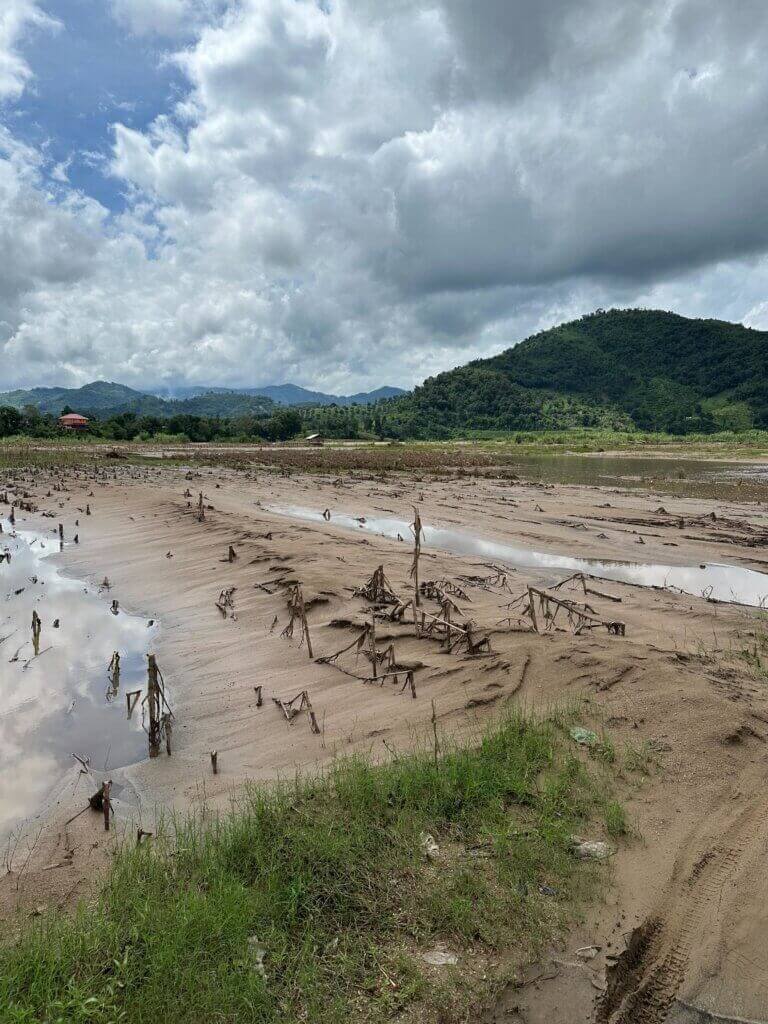
More testing will give researchers a better understanding of the biogeochemical processes in the Mekong and other Southeast Asian rivers. There is still a lot to learn about the chemical compositions of rivers in mainland Southeast Asia, and each one is different. Long-term, consistent testing will shed more light on the health of these rivers. In addition to heavy metals, labs should also test for rare earth elements and nitrate levels. Using our dataset of identified mines, authorities can direct resources to test severely impacted tributaries to understand seasonal fluctuations and environmental conditions that affect how far heavy metals and chemicals can disburse.
Can Toxins and Contaminants Float Far Downstream?
The only way to really know how upstream mines impact major rivers far downstream is to continue testing, especially tributary rivers in the Mekong and Irrawaddy basins where the most mining activity is observed. More knowledge about how in-situ leaching impacts the environment and people needs to be accessible to authorities and local communities. Engaging with Chinese regulators who responded to similar issues in southern China (Jiangxi and Sichuan) and Chinese experts who have studied the impacts of the illegal and unregulated mines is an important part of this learning process. The extent of contamination will depend on the nature and quantity of heavy metals or chemicals introduced into the river. Some chemicals, like cyanide, are highly soluble in water, so during the monsoon season, cyanide may dilute quickly due to high flows or could adsorb onto sediment and travel further downstream. Others, like lead, are insoluble and will stick to sediment. During the dry season, chemicals and toxins might stay closer to mine sites or immediately downstream, but during the monsoon season, they could mobilize and travel downstream. Concentration of spills, the type of chemical, seasonality, other chemicals in the river, and environmental conditions all play a role in how contamination can spread.
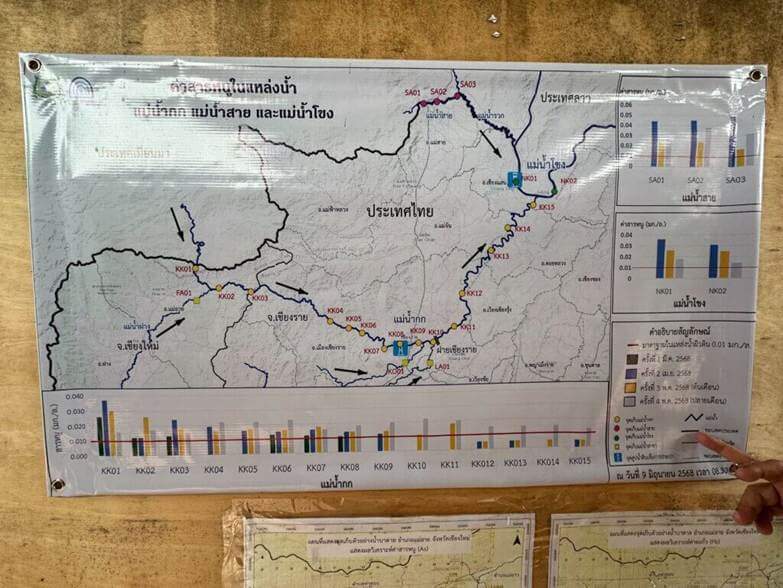
Scientific expertise is needed to help explain to governments and communities how these chemicals and dangerous elements dilute or remain active as they move downstream. It is well established that toxins contaminate crops as the crops grow, get into fish and other biota in rivers, and are directly harmful to humans if consumed or exposed to the skin. A regional effort is required for effective testing and also effective messaging to people who may be exposed. Some countries like Thailand and Vietnam have qualified scientists and active government agencies involved in testing, but our team has previously documented how Thai authorities have provided poor messaging on exposure and risk over the last year. To improve messaging and ultimately improve socioeconomic and health outcomes, authorities should hold consultations with communities in affected areas and also experts from other parts of the world who have engaged in effective messaging on this issue.
Is There a Relationship Between Unregulated Mining and Other Regulated Economic Activity?
The rivers in the Mekong Region are facing tremendous and complex pressures from multiple forms of exploitation: dams, sandmining, overfishing, chemical runoff from farms, and mining impacts. The interactions between these practices are very understudied. In our consultations over the last months, some Mekong watchers say that reservoirs behind dams could filter out toxic chemicals by preventing them from going farther downstream, assuming that the toxins would settle at the bottom of reservoirs, but this would not capture toxins suspended in the flow of the river. Even if this is the case, reservoirs are frequently used for aquaculture, thus exposing fish raised specifically for sale to supermarkets to contamination. Eventually, sediment builds up in reservoirs and needs to be flushed downstream, so any toxins that settle at the bottom of a reservoir will eventually make their way downstream.
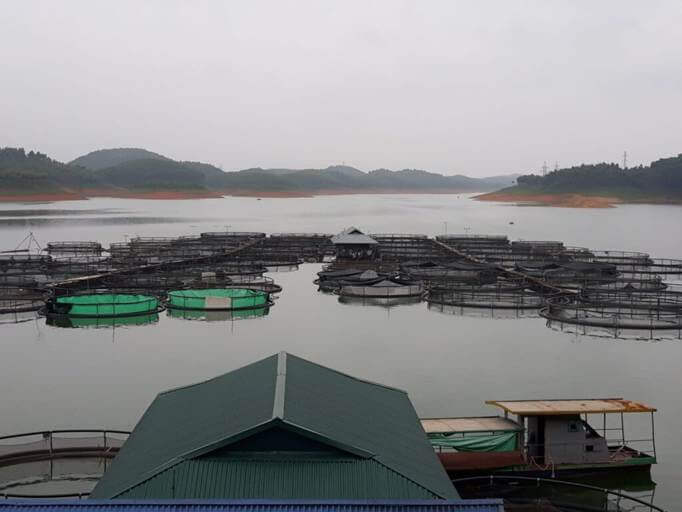
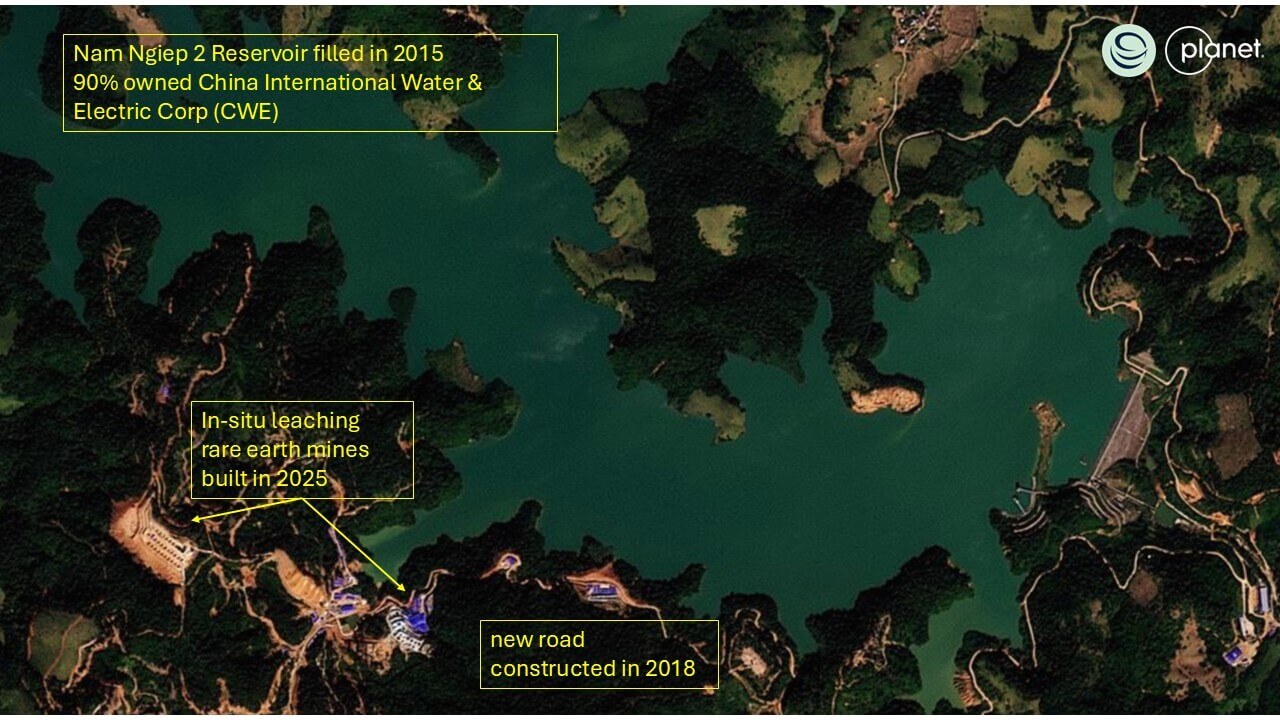
Also, some of these toxins could make their way through dam structures and damage turbines and other equipment. However, the data suggests a relationship between dams and mines: Our dataset captures alluvial mining that happened on riverbeds located within dam concession zones. Now, these alluvial mining sites are covered by reservoirs.
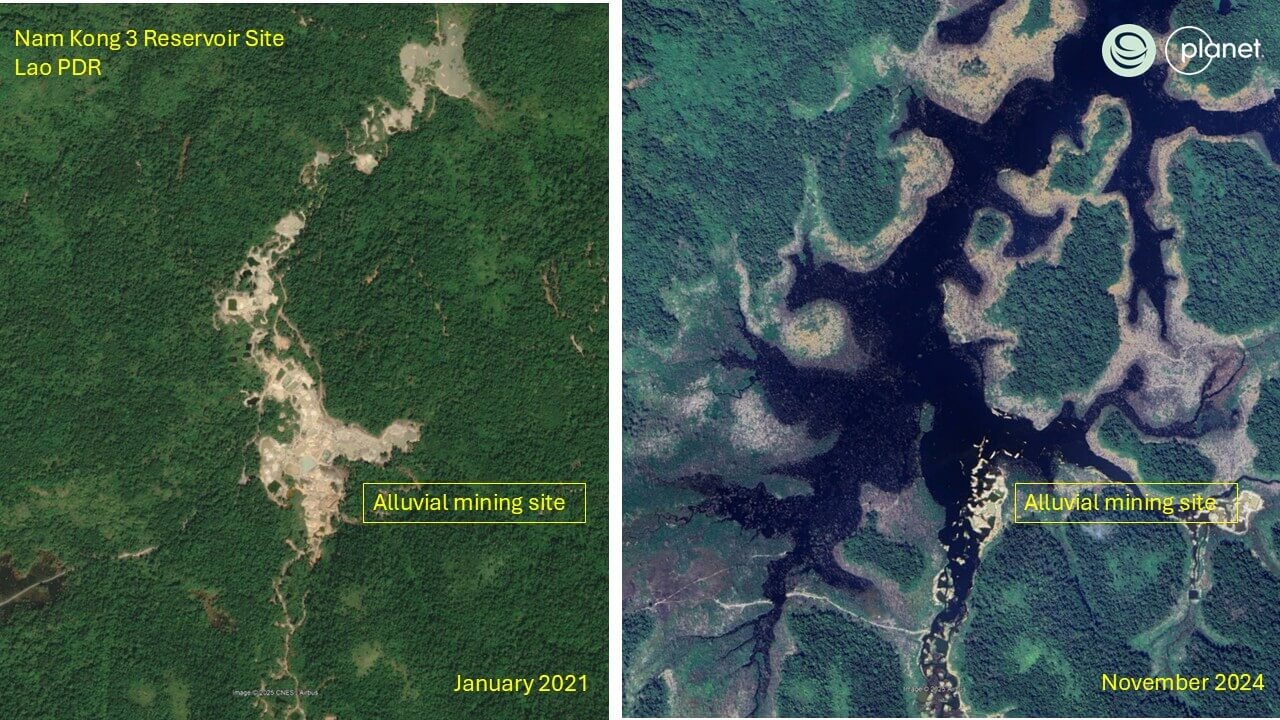
Additionally, some rare earth mines in Laos appear to be within a dam concession, so a contract to build a dam often creates inroads (and literally often builds new roads) to sites where unregulated mining and other forms of land exploitation such as deforestation can occur.
What Are Some Immediate Ways to Stop or Mitigate the Damage from Unregulated Mining?
For the Mekong River, diplomacy can help to curb both rare earth and gold mining activities. Downstream countries and supporting development partners really must communicate more clearly to Beijing that exporting unregulated rare earth mining processes to Myanmar and Laos is causing a downstream health and environmental crisis. So far, diplomacy to Beijing has produced no fruit, but if countries like the UK, Australia, and even the US increased their messaging and apply incentives or pressure to Beijing, China could choose to react in a more responsible way to curb or shut down some or all of the rare earth mining activity. Diplomacy within the region can help too. If Vietnam or Cambodia were to discover contamination in their rivers from activities upstream in Laos, then these countries could escalate the regional messaging on this issue and compel Laos in particular to take more action. The government of Laos is committed on paper to cracking down on unregulated mining, but corruption and a lack of monitoring and licensing capacity hamper improvements there.
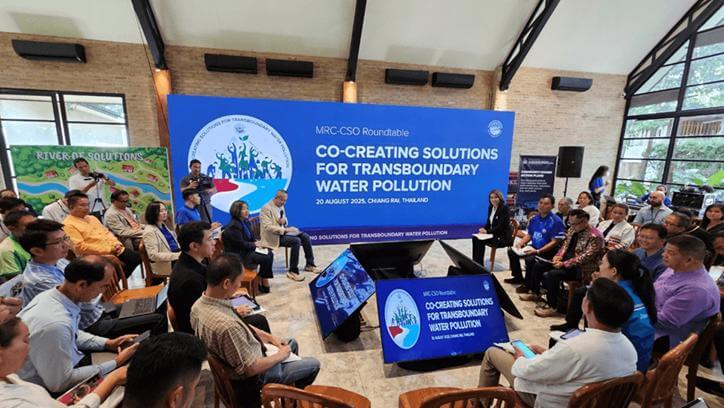
This is a regional problem that impacts countries beyond Myanmar and Laos. Mekong countries could come together through the Mekong River Commission or other body to bring China, the biggest player in the industry, to the negotiation table. Yet this is also a global problem that is driven by demand coming from outside of mainland Southeast Asia. The insatiable demand for rare earths and products that are built with rare earth elements directly impacts communities closest to the mines and those downstream. The Chinese government should recognize the role of its industries and mining operators and the implications of these operations. Beijing has the capacity but lacks motivation to responsibly source rare earth elements from abroad, and/or establish traceability mechanisms that ensure rare earths imported from outside of China meet high standards, particularly those related to health, environmental, and labor outcomes around mines.
China’s export of rare earth extraction processes outside of its borders has, in a way, created a low, almost black market price for some rare earth elements. The tech industry that consumes these rare earths and critical minerals is so sensitive to price increases that it has become reliant on China’s advantage, and this comes at a huge detriment to finding innovative processes to extract rare earths, which could ultimately reduce pollution and increase efficiency. It obviously also causes great harm to rivers and communities.
What Are Next Steps?
Our work is inspired by the communities, NGOs, and investigative media teams who have put energy and effort into unveiling the scale and impact of unregulated mining pollution in Myanmar and Thailand over the last year. We hope that this new dataset sparks a broad investigation into the status of water, soil, and sediment quality throughout the rivers of mainland Southeast Asia and helps to deliver resources to people in need and help restore ecosystems damaged by unregulated mining. Importantly, we hope this data can inform conversations about alternative and more responsible mining practices and consumption of products that use rare earths and gold not only in Southeast Asia but the rest of the world.
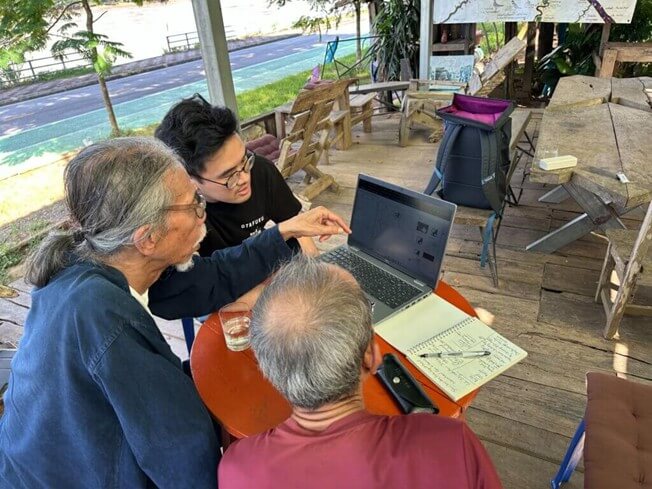
Remaining work for the Stimson Center includes near-real time monitoring of rare earth and gold mining activity in mainland Southeast Asia in addition to the monitoring of other kinds of mining activity that is damaging to ecosystems and the health and livelihoods of people living along rivers. It is possible to develop methods that identify and estimate the location and number of people who have had their water supplies and food sources contaminated through flood events downstream of mining activity. Hyperspectral remote sensing data can be used to determine the kind of mining activity happening on the surface of the earth and possibly point to exposed areas. Much research is needed to identify the supply chains that support this unregulated mining activity. We aim to disseminate the information we gather or generate to governments, researchers, media, NGOs, and community members in an appropriate, open, and transparent way that drives positive action on this issue and reduces harm to people and ecosystems.








Community Adaptation for a Water Festival Without Clean Water