
In his June 22 speech, President Lai Ching-te declared, “Of course, Taiwan is a country,” asserting the island’s sovereignty while stopping short of a formal declaration of independence. Beijing responded with predictable fury, with People’s Daily denouncing the speech as a “Taiwan independence” provocation that falsified history and promoted separatist ideas. Lai is playing a dangerous game, provoking China with bold rhetoric even as Taiwan’s military remains unready to face the fallout.
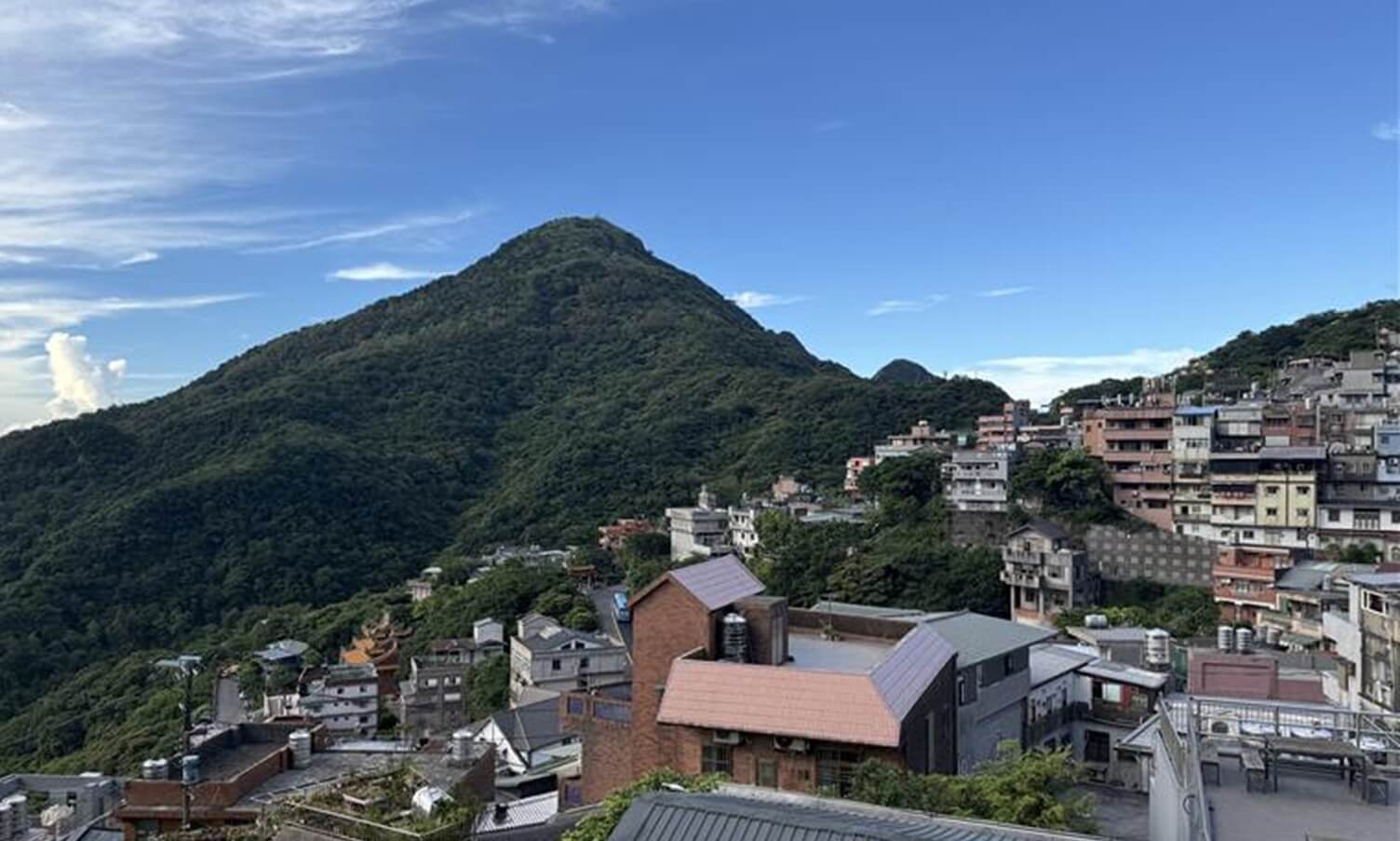
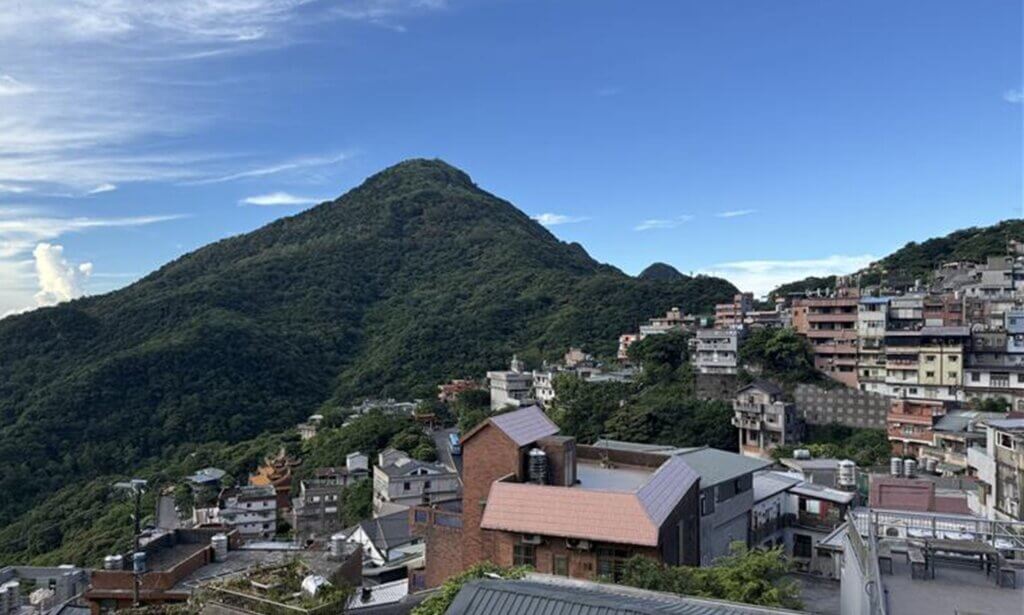
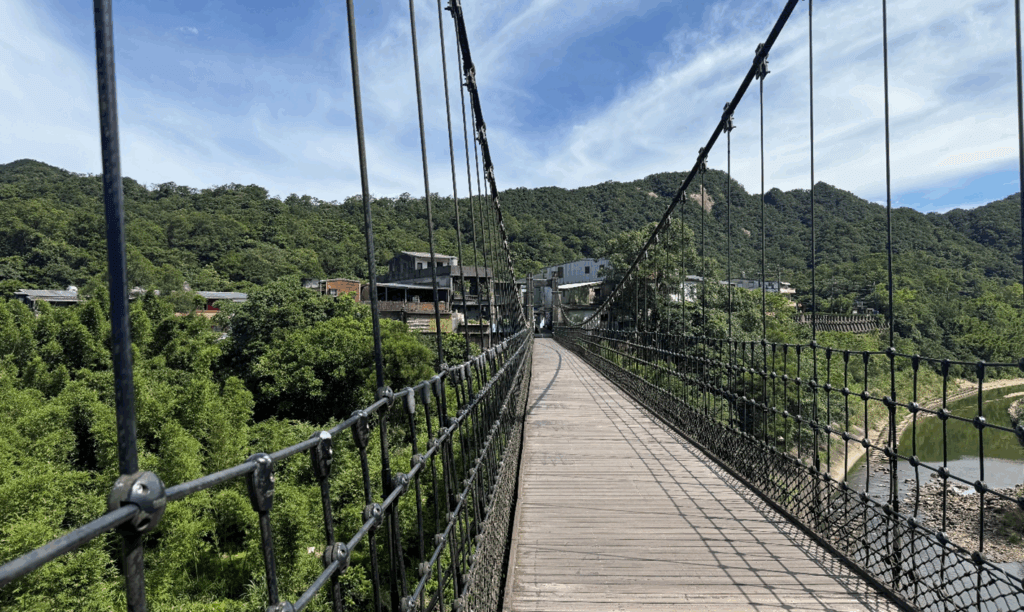
During a research trip to Taipei in late June 2025, we conducted extensive interviews with Taiwanese defense officials, retired flag officers, defense analysts, and security experts. What emerged was a troubling portrait of strategic misalignment — an island blessed with natural defensive advantages but undermined by conventional military thinking, inadequate preparations, and a lax disposition. These advantages are significant. As our colleagues MacKenna Rawlins and Dan Grazier argue, Taiwan possesses favorable geography for an asymmetric defense, including mountainous terrain, extensive rice paddies, and urbanized coastal areas, all of which complicate invasion by creating natural obstacles and logistical challenges for an attacking force.
Yet our conversations revealed a striking gap between rhetoric and reality: While Taiwan often invokes “asymmetric defense” to reassure American audiences, its defense establishment — especially the Ministry of Defense — remains wedded to conventional planning, leaving the island’s natural advantages largely untapped and fostering problematic dependencies on external support. The United States should make clear that it will not assume the burden of Taiwan’s mistakes.
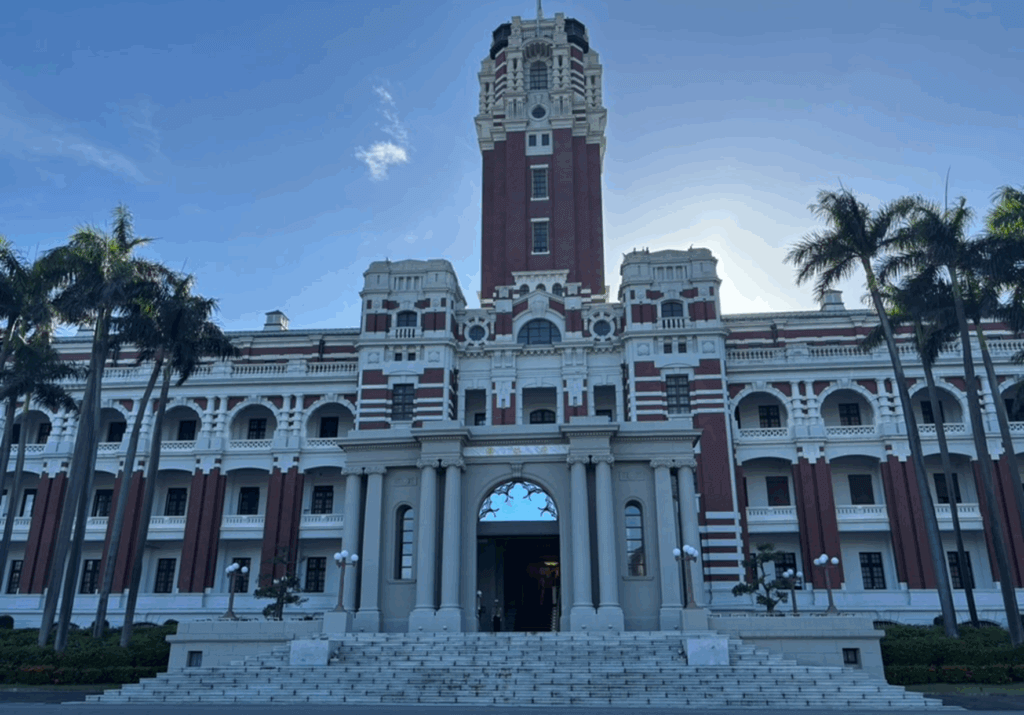
Porcupine Promises, Legacy Plans
Defense experts broadly agree that Taiwan should pursue an asymmetric approach — the so-called “porcupine strategy” — to deter and, if necessary, defend against a Chinese invasion. Attempting to match China ship-for-ship or jet-for-jet would be prohibitively expensive and ineffective given China’s numerical advantage. Those expensive legacy platforms would also be particularly vulnerable to air and missile strikes, raising the possibility that Taiwan could be rendered defenseless within hours.
Instead, a porcupine defense leverages Taiwan’s favorable defensive geography by deploying large numbers of dispersed and mobile coastal-defense missiles, air defenses, fast missile boats, naval mines and mine-layers, and small surveillance drones. If China attempted to seize the island, these assets would be used to strike Chinese ships and aircraft as they approach Taiwan’s shores, disrupt amphibious landings, and target forces attempting to disembark on its beaches. This approach is more survivable and cost-effective, and by making any invasion difficult and costly, it strengthens Taiwan’s deterrence and defense against China.
Taiwan may “talk the talk” on asymmetric defense, but in practice, the rhetoric often mirrors conventional, legacy approaches. One government analyst claimed that Abrams tanks qualify as “asymmetric” weapons simply because they can move. Another argued Taiwan needs F-35 fighter jets to go toe-to-toe with Chinese fighters and be able to achieve “windows of air superiority” during a Chinese invasion attempt. When pressed on how these expensive aircraft would operate after Chinese missiles crater the runways at Taiwan’s air bases and civilian airfields — a capability Beijing has heavily invested in — a senior defense analyst dismissed the threat entirely, insisting Chinese missiles are far less accurate and reliable than the U.S. military and American defense experts suggest.
This traditional mindset extends to Taiwan’s Indigenous Defense Submarine program. These noisy systems are ill-equipped to operate in the shallow, rocky Taiwan Strait, yet the government continues investing exorbitant amounts into the program, with the cost of the first of these submarines alone totaling $1.54 billion. One government analyst conceded the submarines would have a limited role in the Strait, suggesting they are better suited for securing Taiwan’s distant sea lines of communication, but this does little to address the island’s urgent asymmetric defense needs.
Such choices are not strategic thinking — they are wishful thinking dressed up as military strategy.
Taiwan’s military culture perpetuates these misguided priorities by rewarding prestige systems, parochialism, and institutional inertia over the hard, unglamorous work of building a survivable defense. Political leaders further reinforce this tendency by favoring high-profile acquisitions and symbolic gestures that reassure voters but avoid the domestic costs of reforming a broken military. The result is a persistent mismatch between Taiwan’s stated strategy and its investment priorities, with part of its defense establishment, particularly the Ministry of Defense, speaking fluently about asymmetric warfare while continuing to support legacy systems that undermine those very goals.
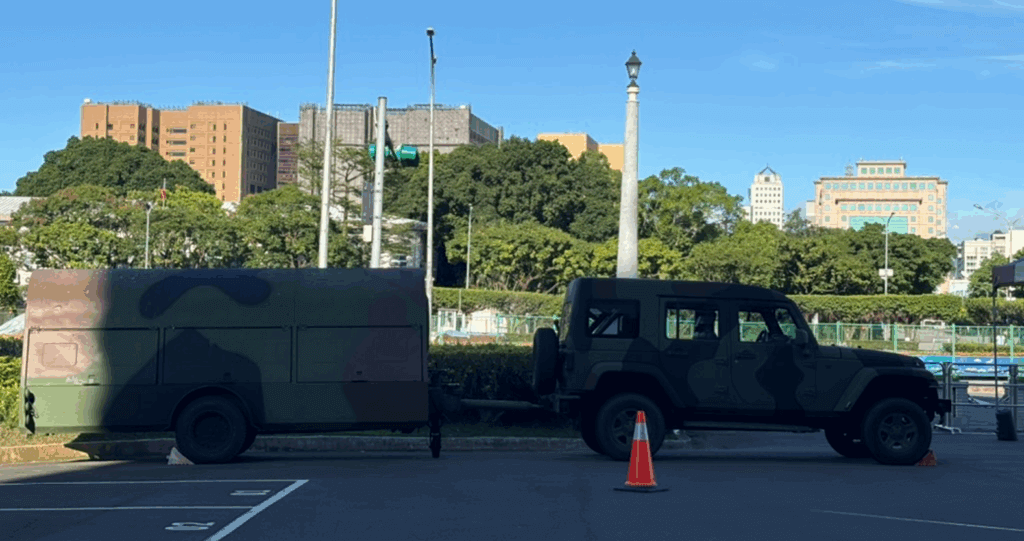
Performance over Preparation
An asymmetric strategy depends as much on preparation and sustainment as on tactics or equipment. Yet Taiwan still lacks the trained military reserves and resilient civil defense needed to sustain a prolonged defense, much less mount the kind of dispersed resistance that would make occupation both prohibitively difficult and costly for Beijing. While many of our interviewees likened Taiwan’s need for self-defense to Israel or Ukraine, the island’s reserve system and civil defense efforts fall short of those standards.
These gaps in readiness are especially evident in Taiwan’s reserve system. Taiwan’s 1.66 million-strong reserve force is meant to support 153,000 active-duty personnel, helping the island to resist a larger Chinese force, absorb casualties, and sustain a protracted fight. In practice, however, it is much smaller and less capable than its paper strength suggests. Retired senior officers that we spoke with expressed little confidence in the reserve force’s effectiveness, and one retired general noted the army lacks enough rifles to equip even 250,000 reservists. Taiwan’s strategic priorities reflect this shortfall: The $1.54-billion-dollar cost of a single Hai-Kun submarine could instead arm over 500,000 soldiers with the newest XTS-112 rifles.
Taiwan’s ability to quickly mobilize its reserves is also in doubt. Its antiquated infrastructure still relies on police officers to hand-deliver paper mobilization notices rather than using digital systems like smartphone apps. One retired general estimated that it could take 60 to 90 days to mobilize significant numbers — by which point a war could be over. Meanwhile, Taipei continues debating advanced fighter acquisitions while showing little appetite to fix structural deficiencies, particularly given the unpopularity of military service among young Taiwanese.
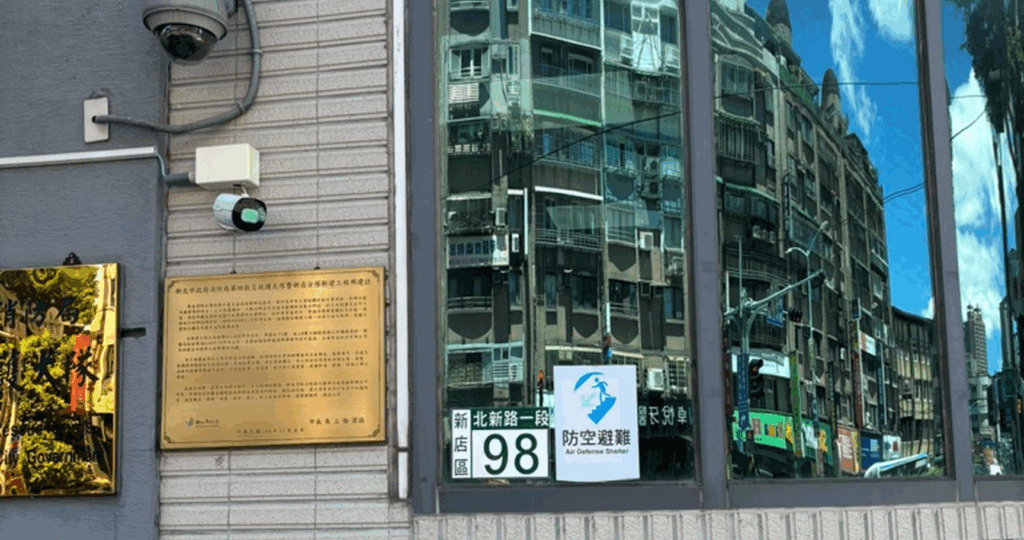
Civil defense tells a similar story. We visited Taipei just days before Taiwan’s annual Han Kuang military exercise. Officials highlighted civilian participation, including urban warfare simulations, and this year’s drills fully integrated civil defense exercises under the broader “2025 Urban Resilience (Counter Air Attack) Exercise.” Yet both experts and civilians were skeptical. One retired general called the exercises “all for show” — media attend, but “after that, nothing else is done.” He added that political leaders prioritize voter approval over genuine preparation, a view echoed by taxi drivers, shopkeepers, and other citizens, who often shrugged or dismissed the exercises outright.
The performative nature of these drills underscores a deeper problem: Without effective civil defense and well-trained reserves, Taiwan’s asymmetric strategy risks collapsing under sustained Chinese pressure, reducing what should be a credible deterrent to little more than theater.
It’s the Boring Stuff that Matters
The focus on spectacle comes at a cost: Taiwan consistently neglects the critical, behind-the-scenes preparations — like stockpiles and logistics — essential for sustained resistance. As one retired general officer noted, much of Taiwan’s artillery is decades old — some pieces fifty years in service. During exercises, new artillery is used instead of old, due to safety and civilian concerns. “We talk a lot about asymmetric warfare, but if you look at what we have, munitions are quite old,” he said, highlighting a disconnect between Taiwan’s public messaging and the practical realities of its military readiness. Other interviewees echoed this concern, pointing to shortages in small arms, ammunition, and spare parts, as well as gaps in essential supplies like fuel and medical equipment.
The issue extends beyond artillery. As another defense analyst asked, “After the first twenty-four hours, how does Taiwan plan to defend itself? Do soldiers still have meals? Fuel? Bullets?” Multiple interviewees confirmed that Taiwan lacks the weapons, munitions, and spare parts needed to keep its forces in the fight and sustain operations over time. One retired general added that even during exercises, meals often fail to arrive on schedule because the deliverers do not know the units’ locations, underscoring broader logistical challenges that would only worsen in an actual conflict.
At the same time, Taiwan’s rugged mountains and urban environments — ideal for dispersed caches and guerrilla bases — remain largely untapped. Our interviewees noted that weapons, ammunition, and other critical military supplies are not pre-positioned in these areas, leaving forces vulnerable to rapid strikes and making sustained resistance nearly impossible. Without decentralized stockpiles that leverage the island’s natural terrain, both the population and military are ill-prepared to sustain a protracted fight.
Voices of Reform
Not everyone in Taiwan’s defense establishment suffers from strategic myopia. Our conversations included retired senior military officers and security experts who understand the urgent need for genuine asymmetric reforms and publicly advocate leveraging Taiwan’s natural advantages rather than undermining them with conventional military thinking — pushing for a shift away from big-ticket warplane and warship projects toward swarms of drones and mobile anti-air and anti-ship missile units capable of denying China a quick victory.
However, these reform advocates remain systematically marginalized by an active-duty leadership more comfortable with conventional prestige projects than uncomfortable strategic realities. The Ministry of Defense has long resisted and slow-walked meaningful reforms, squandering Taiwan’s natural advantages and sidelining reform-minded officers.
As one retired general candidly observed, “Our geography is unfavorable to China — we have one main highway that moves north to south. I just fear that there will be no one there to meet them on that road.” His comment captures Taiwan’s fundamental challenge: Natural defensive advantages mean little without forces ready to exploit them.
The Trump Administration’s Opportunity
Donald Trump’s presidency creates both pressure and opportunity for reform. Many Taiwanese officials fear that absent a serious commitment to self-defense, Trump will simply abandon the island. That anxiety provides political cover for overdue changes — and Washington should use its leverage strategically. Instead of tolerating Taipei’s symbolic provocations, the United States should publicly disavow President Lai’s recent “country” comments and make clear its opposition to Taiwanese independence while selling only weapons suited for asymmetric defense — mobile air defenses, drones, and coastal- and anti-ship missile systems that make a Chinese invasion costly and uncertain. These steps would reduce tensions with Beijing, steer Taipei toward building a credible defense, and help create a Taiwan capable of denying China a quick victory — far more secure than one reliant on U.S. intervention and less likely to draw America into a devastating war.





Community Adaptation for a Water Festival Without Clean Water