








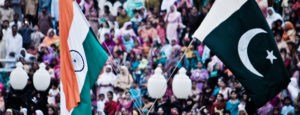



October 6, 2021
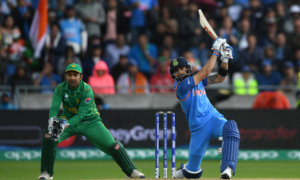
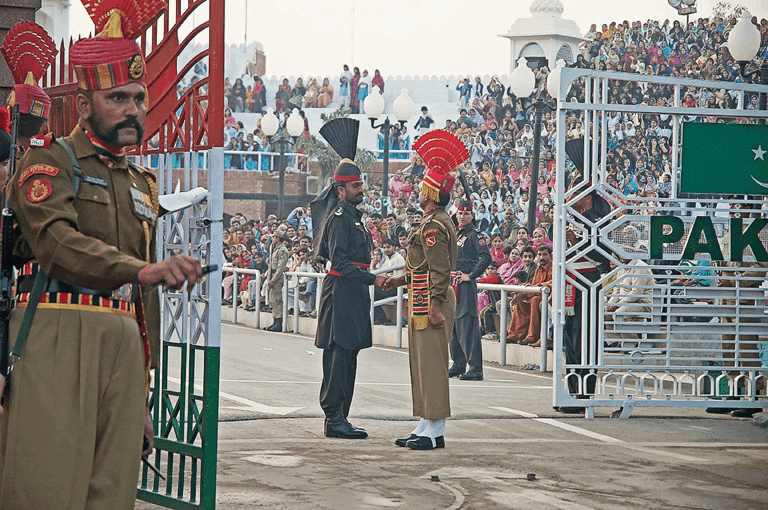
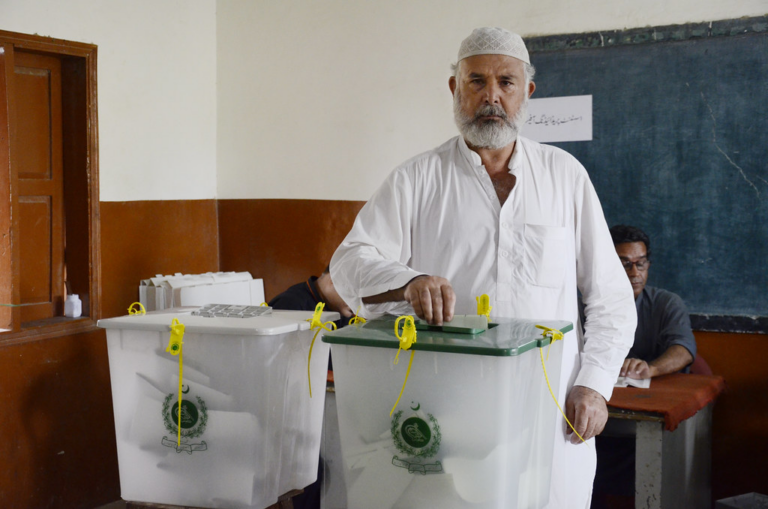
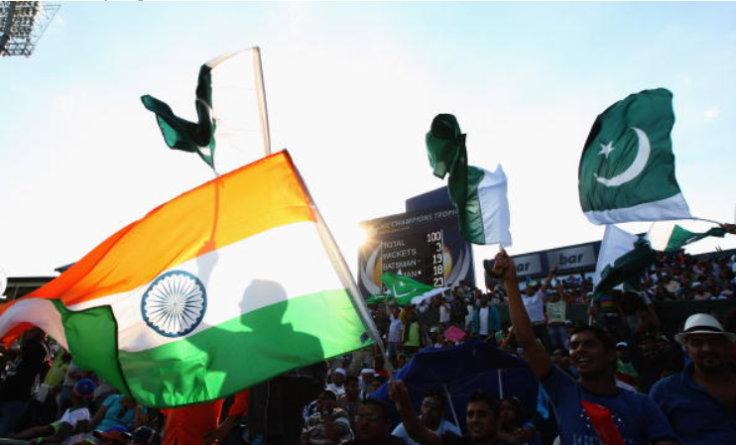
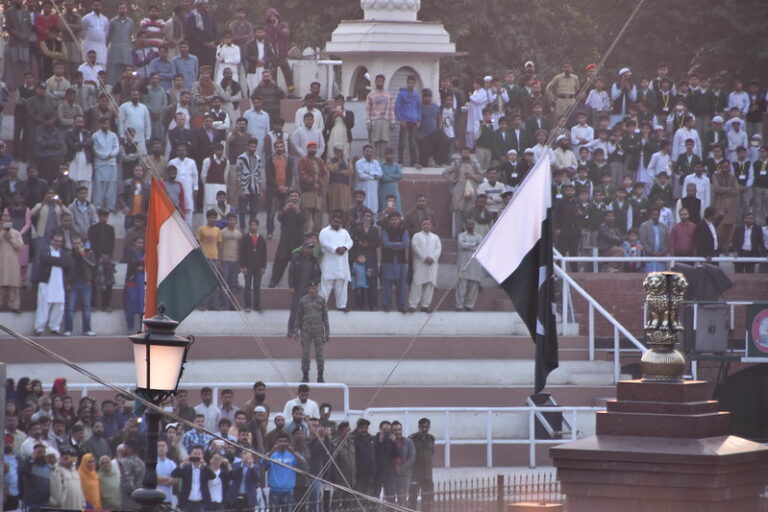
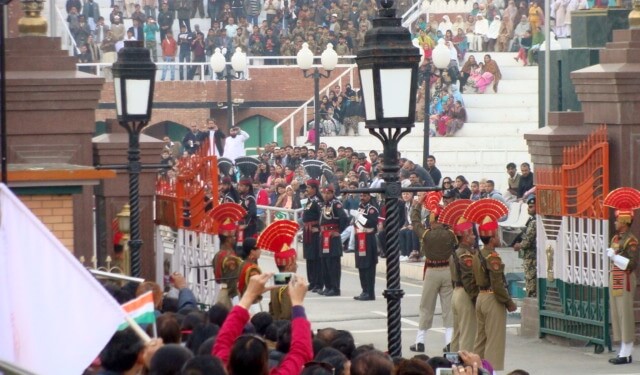
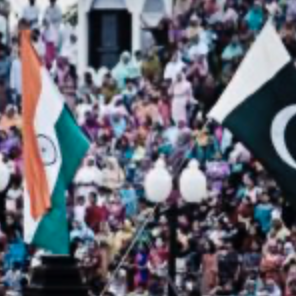
Cricket has the capacity to be a normalization tool between India and Pakistan.
October 1, 2021
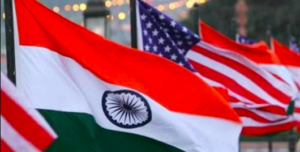
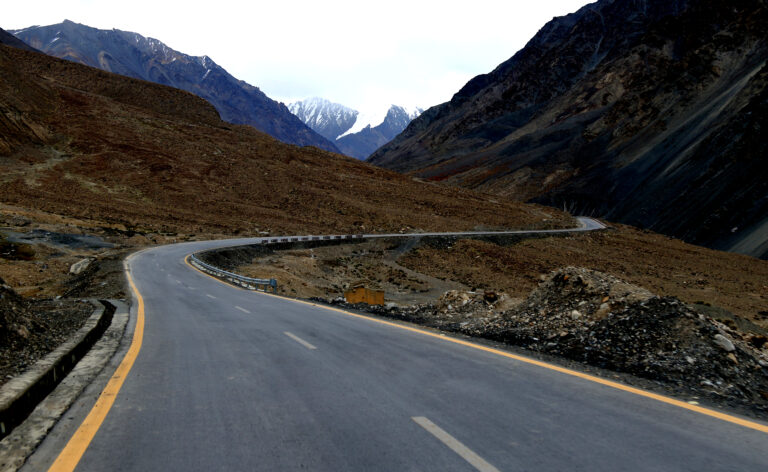
While India may have to react and even retaliate, it can do so with dispassionate compulsion to contain fallout to a setback rather than a full-blown crisis.
September 22, 2021
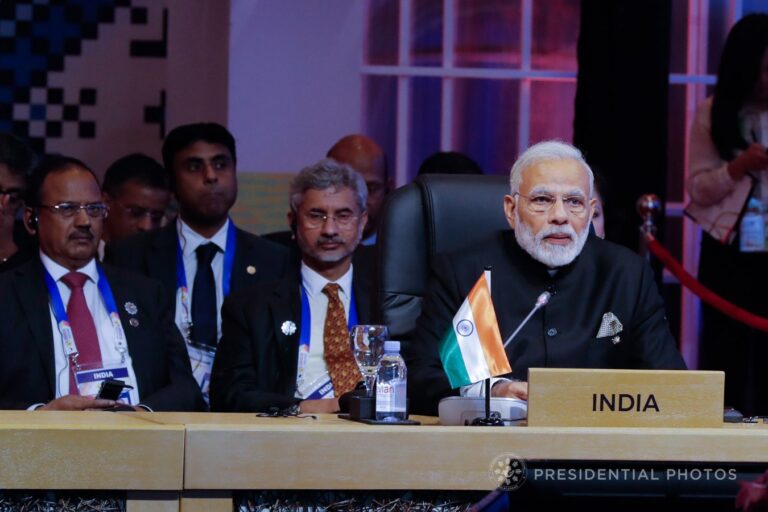
Deputy Director, former diplomat, takes helm in planned transition
September 14, 2021
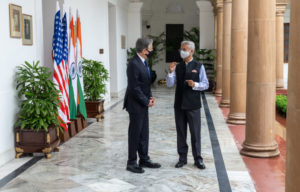
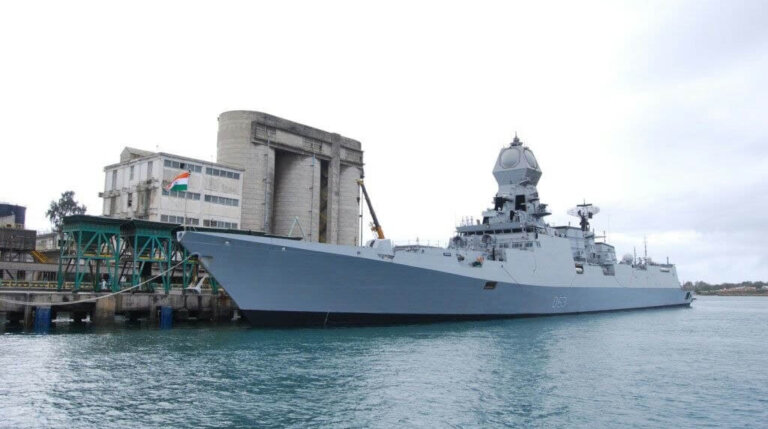
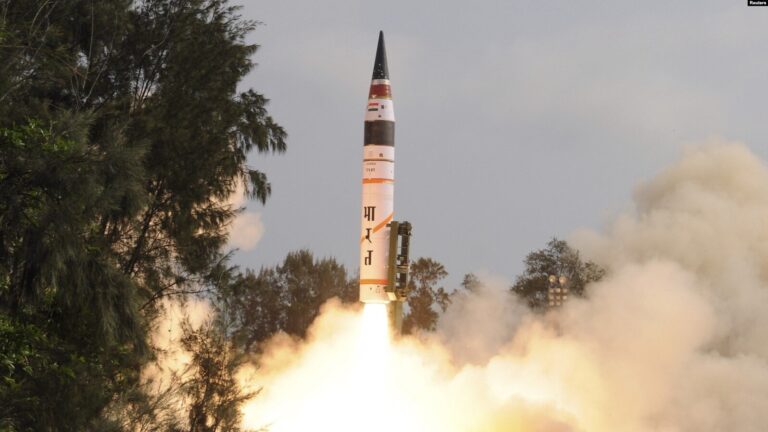
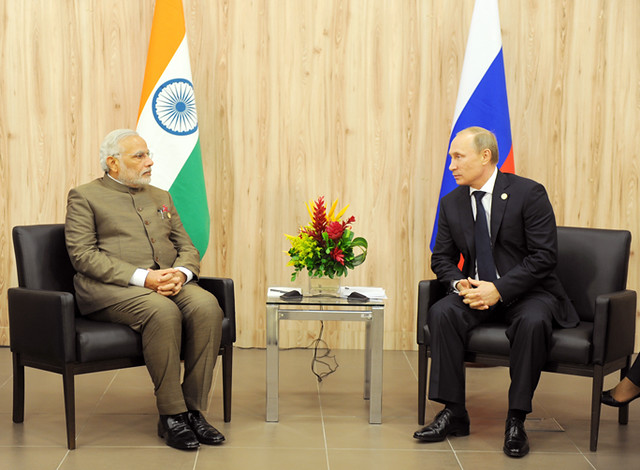
CAATSA sanctions ultimately threaten U.S. interests by undermining India’s capabilities to defend the rules-based order and willingness to deeply coordinate with the United States in the Indo-Pacific.
September 12, 2021

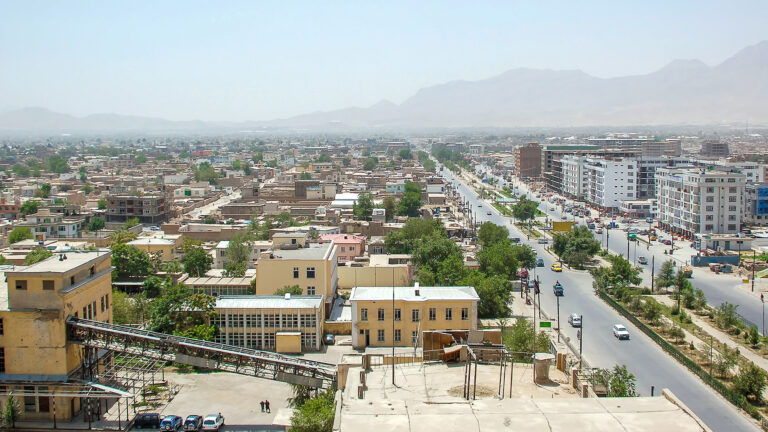
A former Afghan interpreter and diplomat explain what might lie ahead for Afghanistan after nearly two decades of war.
August 28, 2021
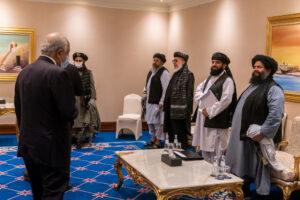
Beyond the limited aims, the most the U.S. and the international community can hope for is to strike a difficult balance between pressure and engagement.
August 24, 2021
Elizabeth Threlkeld joins the Warcast to discuss the future of Taliban-Pakistan ties
August 17, 2021