2025 was a year that saw seismic shifts in the geopolitical landscape of South Asia. A youth-led protest movement in Nepal overthrew the nation’s government, despite attempted suppression of the protests. The after-effects of similar movements in Bangladesh and Sri Lanka continued to be felt both domestically and in their foreign policy. Regional alignments also shifted, with India-Afghanistan, Bangladesh-Pakistan, and India-China ties warming. Tensions between erstwhile allies Pakistan and the Taliban, meanwhile, boiled over into kinetic conflict.
2025 also witnessed the most significant conflict between India and Pakistan in decades, when the two nuclear-armed adversaries tested the limits of conventional fighting under the nuclear umbrella and drove U.S. diplomatic intervention to secure a ceasefire. Washington’s relationship with New Delhi soured in the aftermath of the crisis alongside tensions over trade and ties to Russia, while U.S.-Pakistan ties enjoyed an unexpected boost buoyed by counterterrorism cooperation, investment potential, and engagement in the Middle East.
What are the implications of these developments domestically, regionally, and globally? Regional experts will break down key takeaways from 2025 and look ahead for what the coming year may hold.
Read the full event transcript.
Featured Speakers

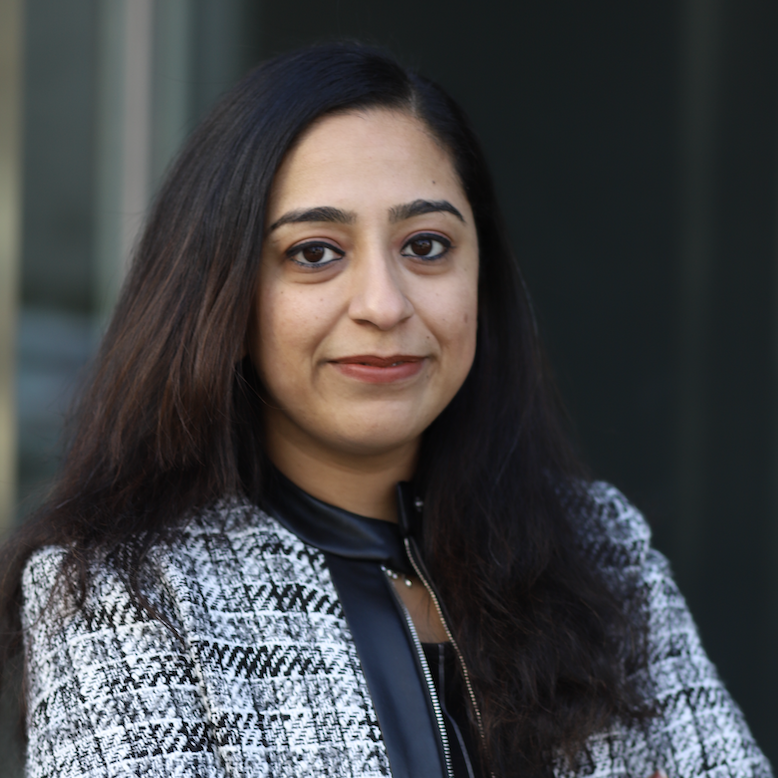
Suhasini Haidar, Diplomatic Affairs Editor, The Hindu
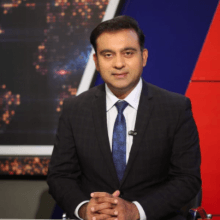
Kamran Yousaf, Journalist, Express News Pakistan
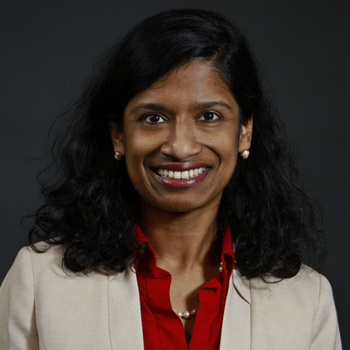
Nilanthi Samaranayake, Adjunct Fellow, East-West Center in Washington

Elizabeth Threlkeld, Senior Fellow and Director, South Asia Program, Stimson Center (Moderator)