




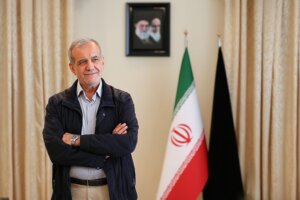
EU chief nuclear negotiator Enrique Mora attended Pezeshkian’s formal inauguration but there were no high-level delegations from EU countries
August 5, 2024
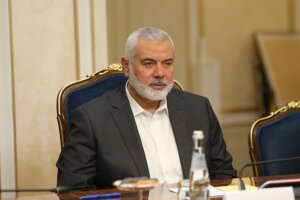
Israel's two recent strikes burnishes its reputation for proficiency in targeted assassinations while further jeopardizing hopes for a cease-fire in the war in Gaza
July 31, 2024
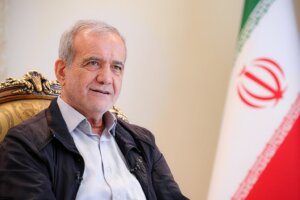
Pezeshkian has called himself a “reformist Principalist” or “Principal reformist,” combining the two main wings in post-revolutionary Iranian politics
July 30, 2024
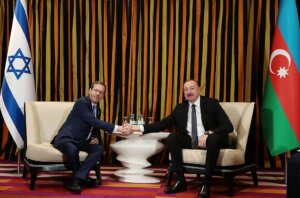
Azerbaijan has built strong partnerships with Israel in energy and defense for the last two decades despite also maintaining ties with Turkey and Iran
July 24, 2024

Heads of intelligence agencies are increasingly supplanting diplomats in peacemaking and mediation efforts
July 22, 2024
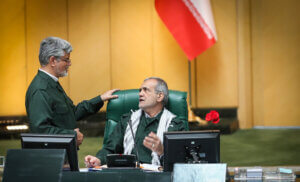
In general, Pezeshkian’s approach is practical and pragmatic, recalling the approach of predecessors Rafsanjani, Khatami and Rouhani
July 17, 2024

The U.S. killing of Qassem Soleimani in 2020 led to an increased Hezbollah role in Iraq, where it has directed attacks against U.S. forces
July 15, 2024
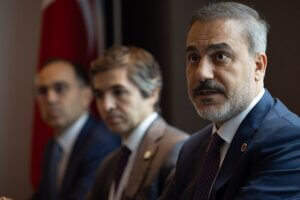
Ankara and Beijing have managed to move beyond the Uyghur issue and focus on bilateral issues including energy, trade and even military cooperation
July 12, 2024