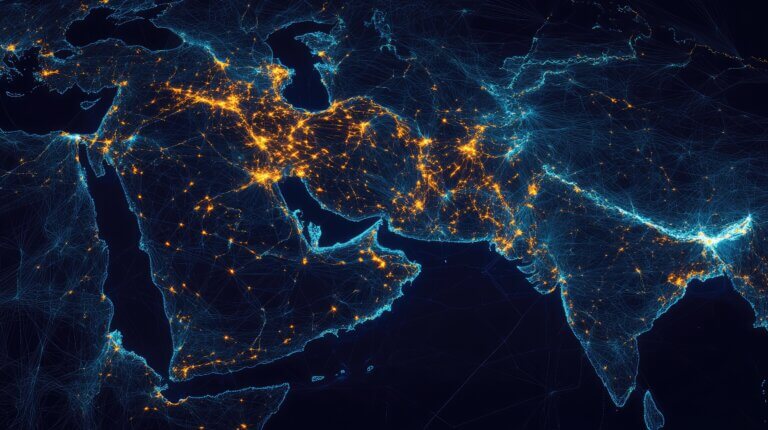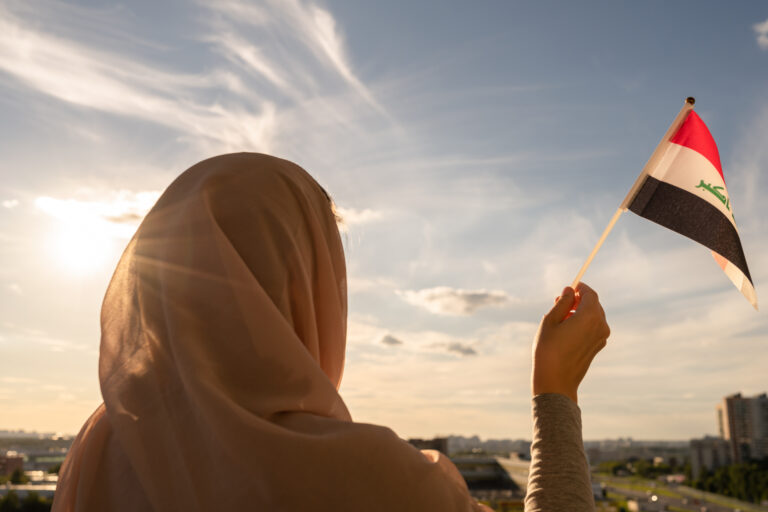





The GCC states have increasingly prioritized diplomacy over confrontation, engagement over isolation, and regional dialogue over military escalation.
October 11, 2024
New technological advances are quickly eliminating obstacles to making renewable energy a reliable and cheap alternative to oil, gas, and coal
October 9, 2024
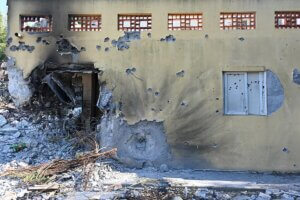
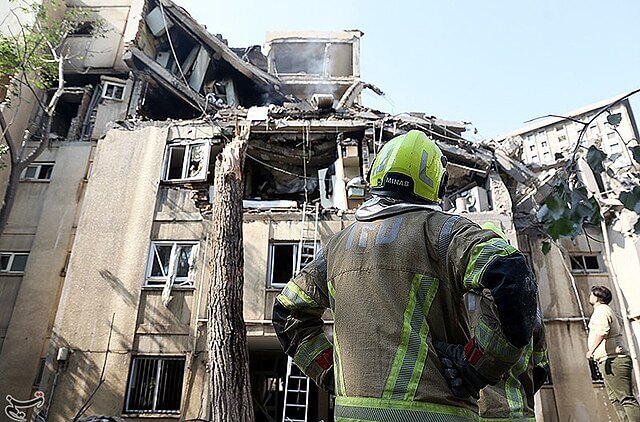
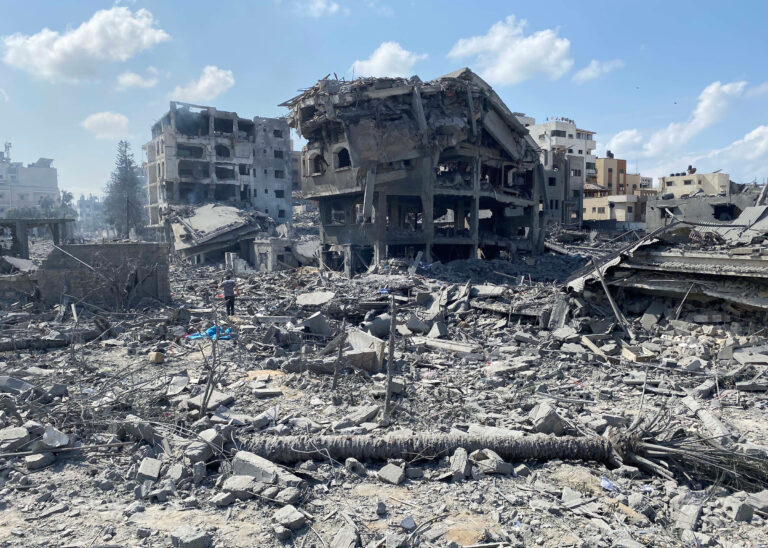
Israeli attacks on Iran’s nuclear facilities and critical economic infrastructure, and Iranian retaliation, would take the war into a new and even more dangerous phase
October 7, 2024
The continued lack of decisive action from Iran, while Israel steadily “salami sliced" the leadership of the Axis of Resistance, risked diminishing Iran’s influence in the region and over its partners and proxies
October 4, 2024

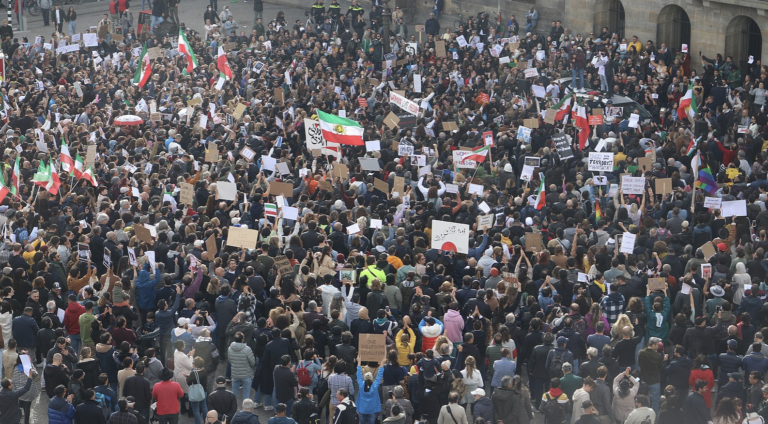
As tensions rise in the Middle East, some see a new opportunity to destabilize or possibly overthrow the Iranian government, but even in Iran’s prisons, dissidents struggle to find common ground
October 3, 2024
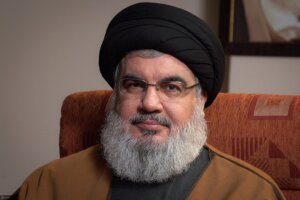
With Hezbollah decapitated and in disarray, Iran may have no choice but to continue a policy of “strategic patience”
September 30, 2024
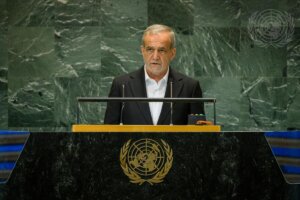
Unlike his predecessor, who argued that Asia was the ‘future’ and the West the ‘past,’ Pezeshkian is seeking better relations with the U.S. and Europe to ease crushing economic sanctions on Iran
September 26, 2024
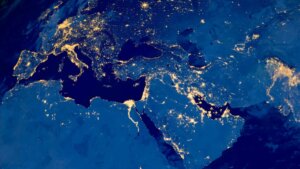
A lack of regional cooperation on the treatment of ethnic minorities, population growth, and the Palestine issue have undercut the ability of all Middle Eastern countries to address these problems in their interests and those of the wider world
September 23, 2024