
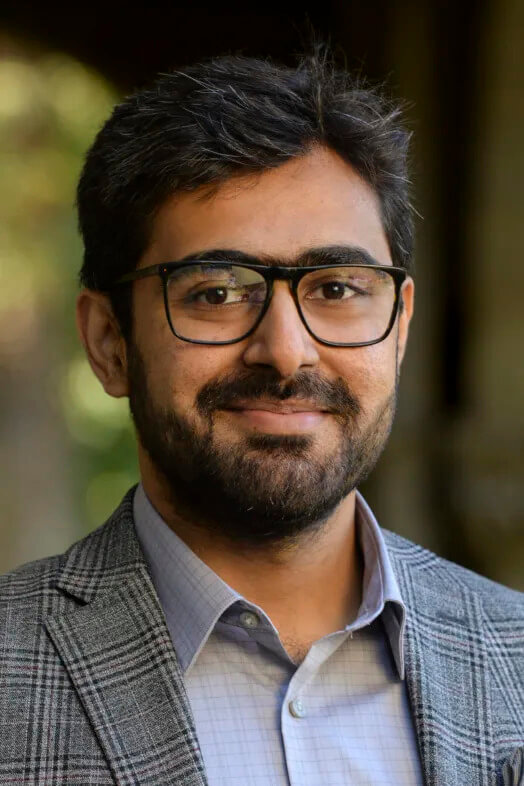
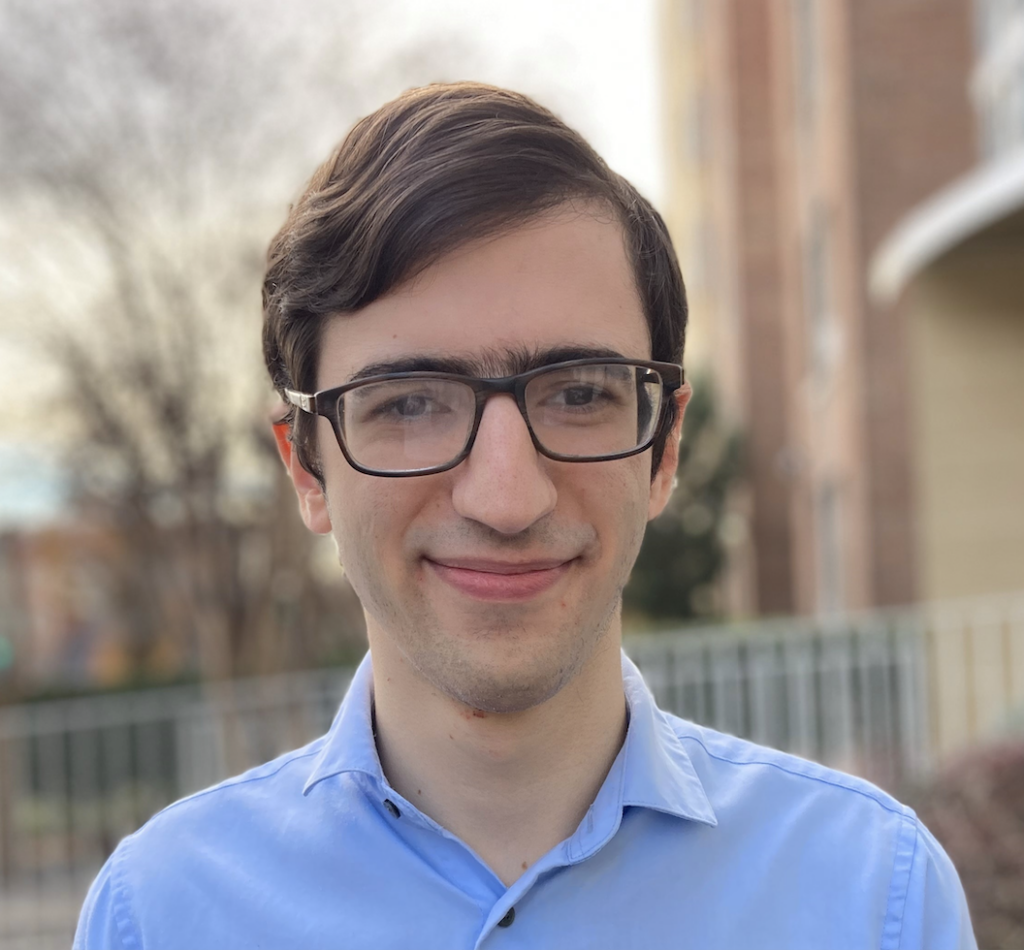
Washington, D.C. — Jupiter Huang, a 2025-2026 Junior Fellow at the Stimson Center, has been named a 2027 Rhodes Scholar. He is one of just 32 young scholars from the U.S. to receive this year’s prestigious Oxford University scholarship to promote leadership, service, and international understanding.
Huang served as a Junior Fellow with the Stimson Center’s South Asia Program, an elite fellowship for recent graduates focused on security and international policy related to South Asia. During his time at Stimson, he helped grow the Strategic Learning initiative, a signature Stimson project that provides free, online learning resources for students and professionals on strategic military and nuclear security issues in Southern Asia. His work was essential to expanding the range of online learning products beyond online courses, incorporating a podcast, explainer articles, and short-form content to bring Stimson’s expertise directly to viewers in a volatile region. He also authored publications on the strategic use of drones and air defense in South Asia.
“From its founding, the Stimson Center has fostered young thinkers and doers as they pursue solutions to the world’s toughest challenges,” said Stimson Center Acting President and CEO Rachel Stohl. “We are proud of Jupiter’s dedication to making the world safer and more secure, and excited to follow his journey as a Rhodes Scholar.”
Huang’s interest in the intersection of technology and nuclear security has been a throughline of his academic career. He graduated from Georgetown University’s School of Foreign Service in 2025 with a degree in science, technology, and international affairs, where he also pursued an accelerated master’s degree in nuclear policy and emerging technology. He is currently a fellow at the National Nuclear Security Administration, focusing on how technological advances are changing the dynamics of global conflicts.
The South Asia Program Junior Fellowship gives highly talented recent graduates the opportunity to contribute to research, engagements, and outreach, while benefiting from mentorship and networking with think tank, academic, and government contacts. Former fellows have gone on to positions in across the U.S. government, leading think tanks, and top PhD and professional degree programs. Many have continued to focus on South Asia and security studies in their careers, directly contributing to the next generation of scholarship and thought leadership on these critical issues.
“Stimson’s Junior Fellows program gives young scholars a front-row seat to the diverse perspectives and policy priorities of a dynamic and strategically important region in a way few other early-career experiences can,” said Elizabeth Threlkeld, Director of the South Asia Program at the Stimson Center. “Jupiter’s energy, passion, and academic accomplishments are a testament to this model of support for the next generation of scholars shaping global security.”
As a Rhodes Scholar, Huang plans to pursue a PhD in international relations at Oxford, researching how commercial technology, and the non-governmental actors who control it, can escalate global conflicts. His research will explore how we can manage these risks and pursue strategies to more productively engage the technology sector on critical nuclear security issues.
About the Stimson Center
The Stimson Center promotes international security, shared prosperity, and justice through applied research and independent analysis, deep engagement, and policy innovation.
For three decades, Stimson has been a leading voice on urgent global issues. Founded in the twilight years of the Cold War, the Stimson Center pioneered practical new steps toward stability and security in an uncertain world. Today, as changes in power and technology usher in a challenging new era, Stimson is at the forefront: Engaging new voices, generating innovative ideas and analysis, and building solutions to promote international security, prosperity, and justice.
More at www.stimson.org.



Community Adaptation for a Water Festival Without Clean Water