Exploring the selection process for the next UN Secretary-General and analyzing the current state of the race.
Press Release
Remembering Mathew Burrows
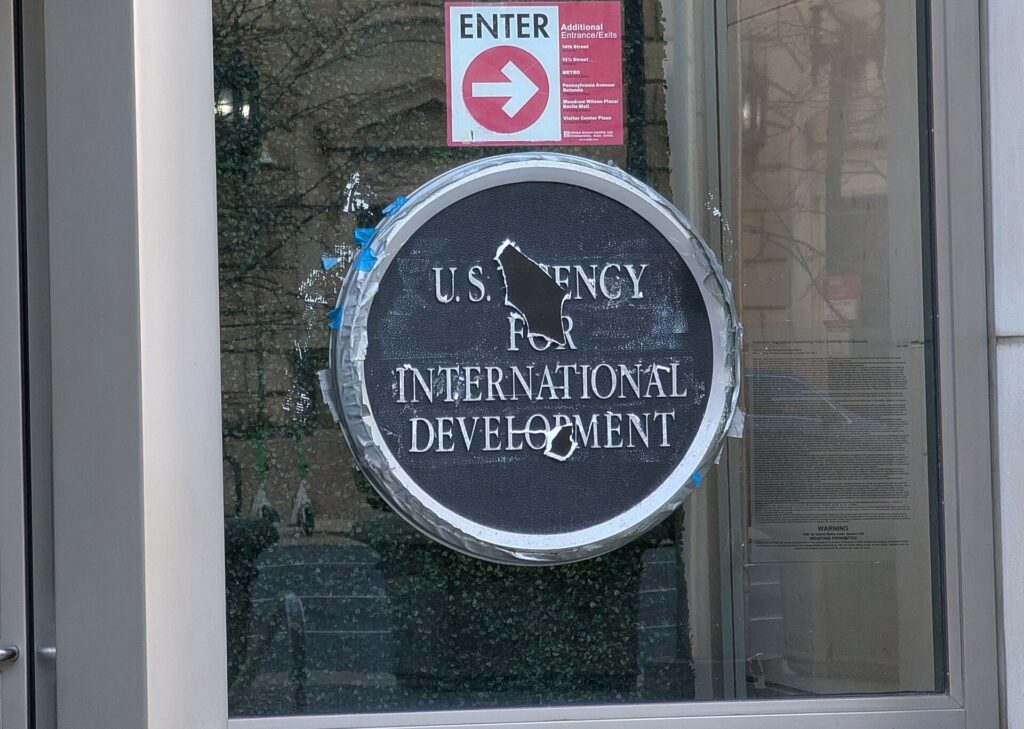
US Foreign Policy
By Evan Cooper and Minseon Ku
Celebrating the vision, dedication, and fierce determination of Stimson’s beloved President and CEO, Brian Finlay
Latest Event
Examining recent trends in global arms trade transparency and identifying opportunities to strengthen reporting and transparency under the Arms Trade Treaty.
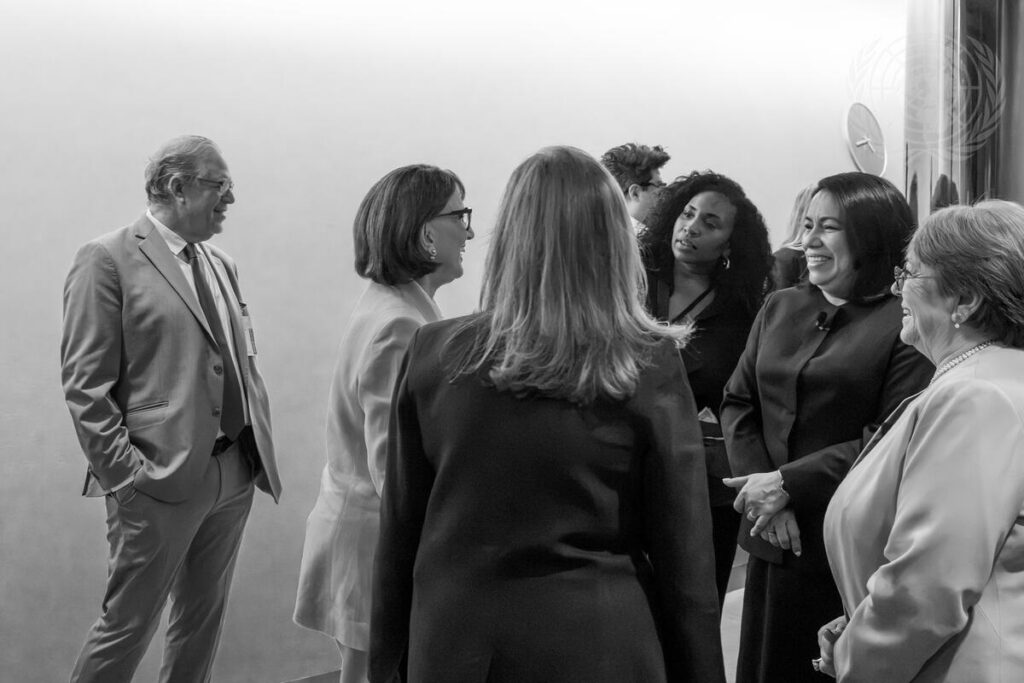
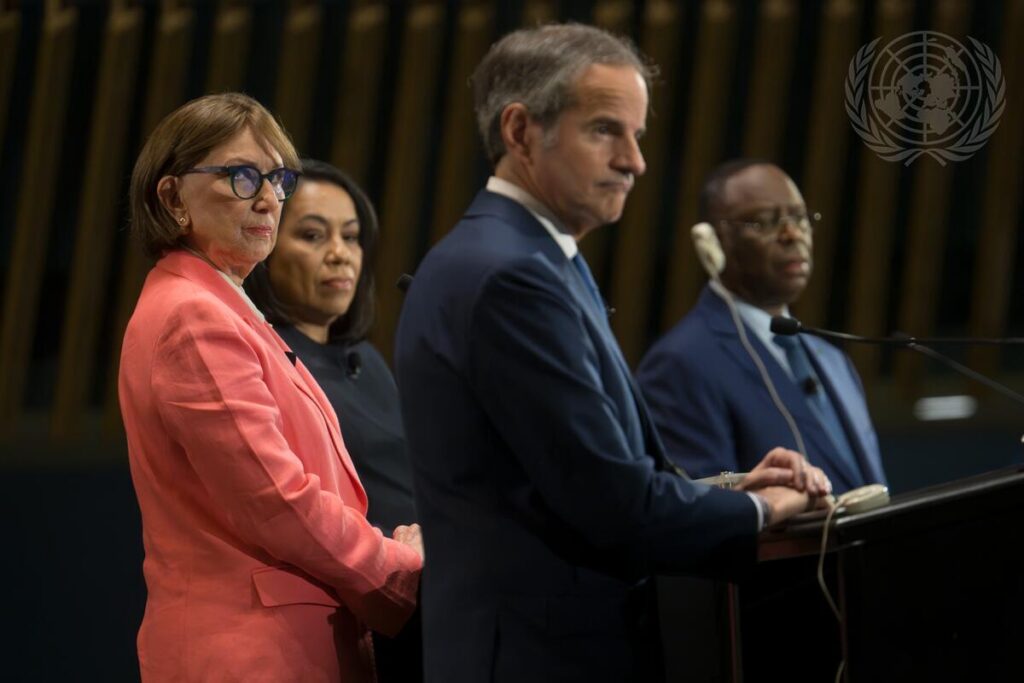
As the race tightens to elect the next Secretary-General of the UN, a Stimson series with leading candidates explores the future of multilateral cooperation at a critical period in the UN’s history.
Event Recording
“It is not a question of whether we need the UN. It’s a question of what type of UN we need.”
Event Recording
“If the UN did not exist today, we would have to create it. Not because multilateralism is an abstract ideal, but because the problems governments and people face do not respect borders.”
Event Recording
“When we look at a map of world conflict, we see an unfortunate common denominator, that the UN is absent in the resolutions of the most pressing of these conflicts.”
As the race tightens to elect the next Secretary-General of the UN, a Stimson series with leading candidates explores the future of multilateral cooperation at a critical period in the UN’s history.
Explainer
In his latest explainer, Senior Fellow and Global Governance, Justice & Security Program Director Richard Ponzio explores the selection process for the next UN Secretary-General and analyzes the current state of the race.
Event Recording
“I know the UN well enough to defend it and also to know what you need to change about it.”
Event Recording
“If the UN did not exist today, we would have to create it. Not because multilateralism is an abstract ideal, but because the problems governments and people face do not respect borders.”
Event Recording
“It is not a question of whether we need the UN. It’s a question of what type of UN we need.”
Event Recording
“When we look at a map of world conflict, we see an unfortunate common denominator, that the UN is absent in the resolutions of the most pressing of these conflicts.”
EVENT RECORDING
Inspired by a recent Stimson publication, our July 7 event tackled a deceptively simple but critical question: Was the Iran war worth it?
Experts assessed whether the US achieved its stated objectives, weighing the conflict’s military, economic, and strategic costs, and examining its lasting implications for U.S. policy in the Middle East. Looking beyond the immediate aftermath, the panel explored the conflict’s overlooked second-order effects and the lessons that should shape future American decisionmaking.
Â
Moderated by:
John Hudson, National security reporter, Washington Post

Policy Paper
Evaluating whether the Iran War is a case of alliance entanglement by the United States’ Middle East allies.
COMMENTARY
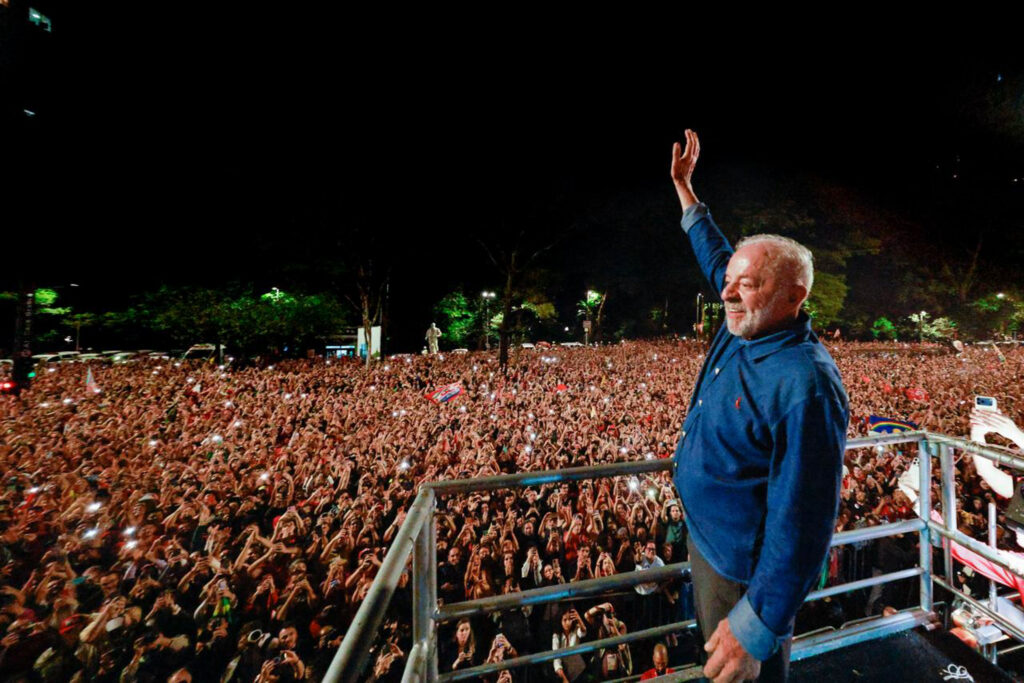
The war on Iran has strengthened hardline forces against reformists already weakened by the system, their own failings, and a dwindling middle class.
COMMENTARY
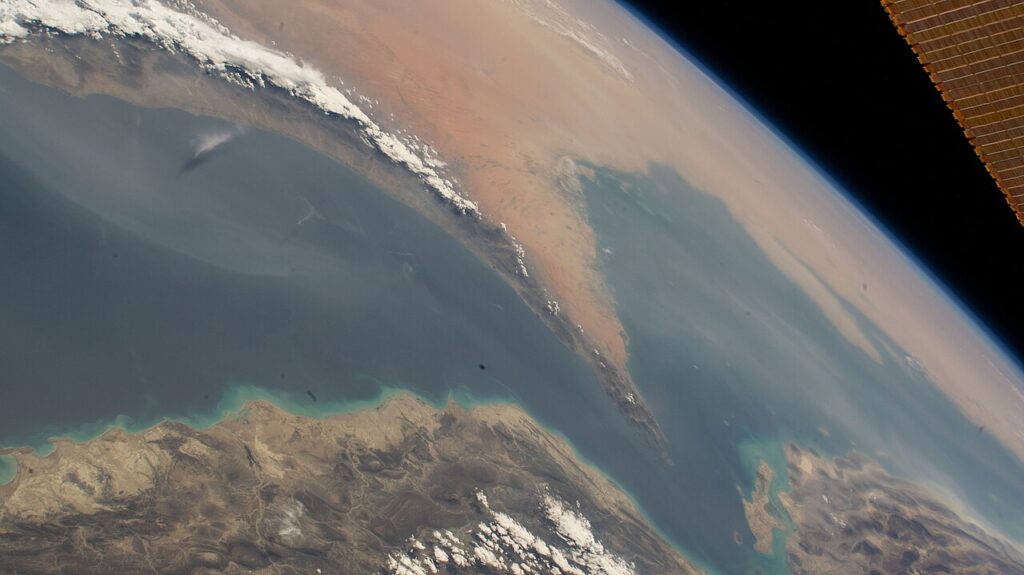
The first job is to restore freedom of navigation in the Strait of Hormuz through a mutually acceptable process.
COMMENTARY
Only decisive actions from the new government that ensure energy independence and state sovereignty can save Iraq from an impending crisis with far-reaching consequences
Natika Kantaria
Chanuk Thang
Juan Carlos Navarro and Francisco Sagasti
The Stimson Center advances practical, nonpartisan solutions to global security and governance challenges through collaborative research, policy innovation, and partnerships that strengthen peace, security, and international cooperation worldwide.
Wall Street Journal
Featuring
Featured Episode
Mark Leonard, Co-Founder and Director of the European Council on Foreign Relations, joins Worldviews with Peter Slezkine to discuss Europe’s evolving identity, the current state of the transatlantic relationship, prospects for ending the war in Ukraine, and the future of Europe in a changing global order.
Listen Now - 60 Minutes
On this episode, Chris, Melanie, and Zack consider the question of military victory. Is there such a thing? Is military victory achievable for either Russia or Ukraine? And if so, at what cost? And will we ever see a war that ends in unconditional surrender?
Christopher Preble • Melanie Marlowe • Zack Cooper
Upcoming Event
Join us for a conversation with the directors of Stimson’s China, Russia, and Reimagining U.S. Grand Strategy Programs to analyze the summit results and assess the trajectory of US-China relations.
Upcoming Event
upcoming Event
Home to more than 100 scholars and global affiliates, the Stimson Center is proud to be a magnet for the world’s leading experts on the most pressing foreign policy and national security issues of our time. Explore our experts and their work.
You can opt out at any time. We respect your privacy and will not sell your personal information. See our privacy policy for more.