














Dissanayake's surprise win in Sri Lanka's election brings hope and challenges: a new era balancing economic recovery with political reform
September 25, 2024
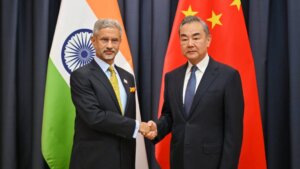
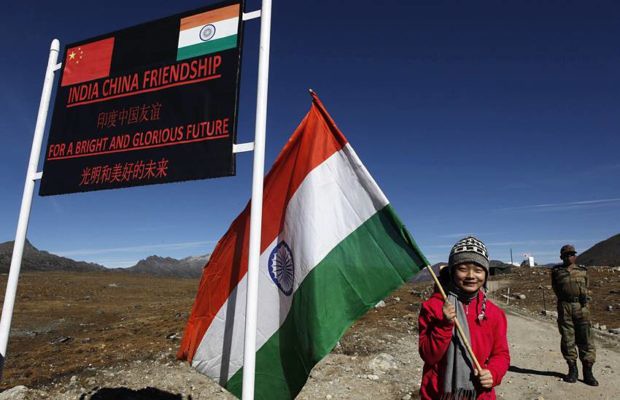
It remains unlikely that India-China relations will soon return to the pre-2020 status quo
September 24, 2024

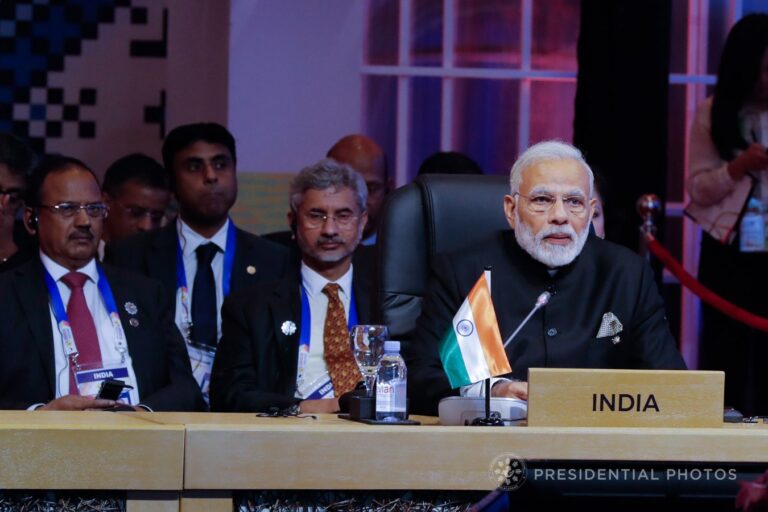
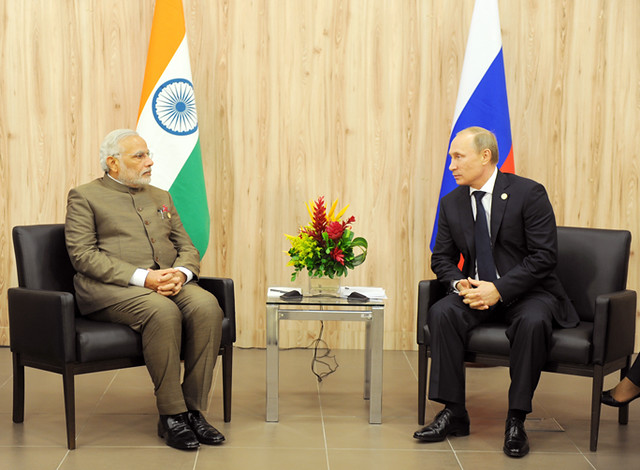
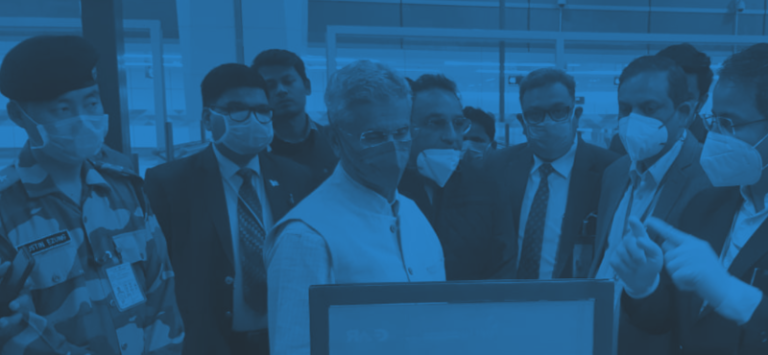
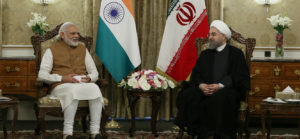
The visit served to clarify India’s nuanced position on the conflict, conveying that India is neither aligned with Russia nor neutral in the situation. The policy adopted by New Delhi in this regard is “de-hyphenation,” a strategy of conducting independent foreign policy with two adversarial states
September 20, 2024
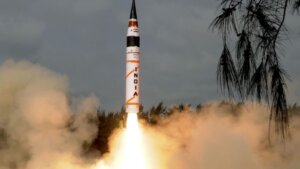
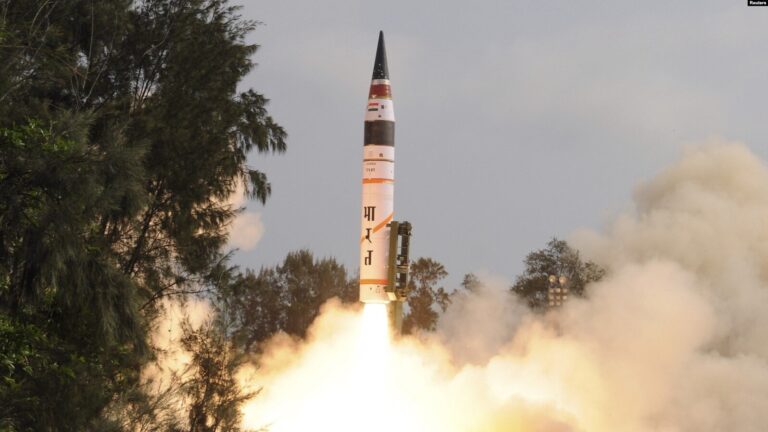
The likelihood of successful arms control arrangements between India and Pakistan is low due to a hostile geopolitical environment, India’s nuclear modernization, and the limited utility of traditional arms control
September 6, 2024
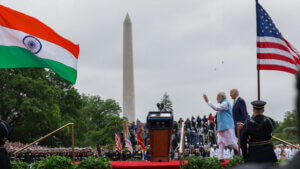
In the last decade, the priority of U.S. policy in the region has transitioned from concerns of an India-Pakistan war, the problems in Kashmir, and the worries of nuclear weapons proliferation to pushing back against Chinese military and economic influence and maintaining a favorable balance of power in the Indo-Pacific
September 6, 2024

With an interim government in place, ensuing elections, and potential shifts in geopolitical partners due to changing political alliances on the horizon, the trajectory of the Rooppur nuclear power plant project is fraught with uncertainty
August 28, 2024
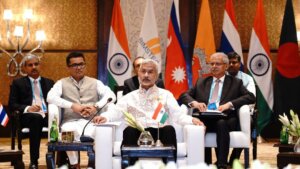
Regional integration is critical to India’s own economic growth and development and New Delhi needs to incentivize BIMSTEC countries to participate
August 23, 2024

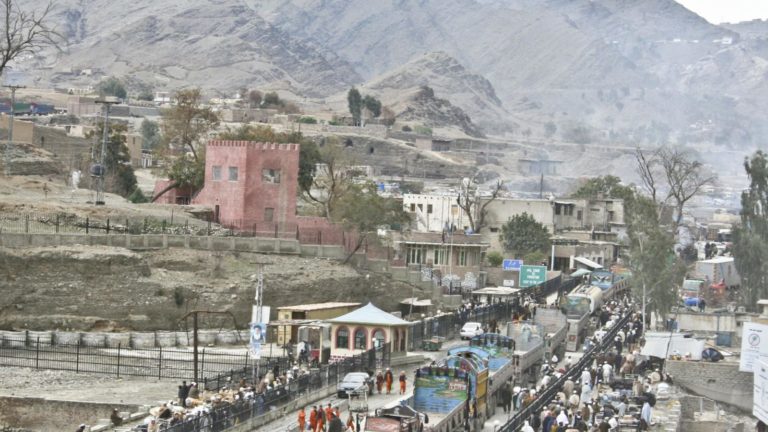
A panel of experts assess how Afghanistan-based terrorist groups have fared under the Taliban and their potential future trajectories.
August 21, 2024