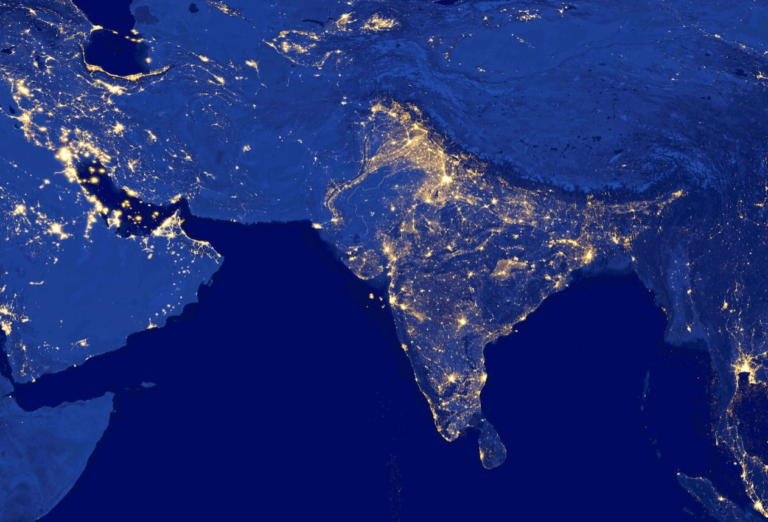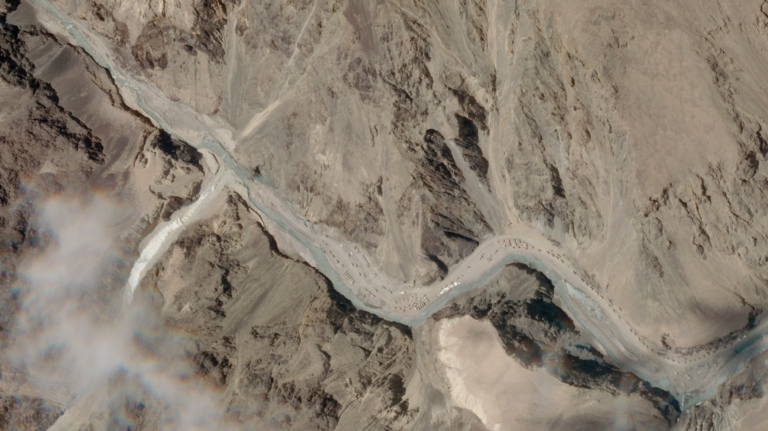








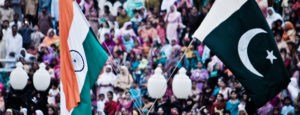


Nowhere is the risk of strategic instability and nuclear exchange greater than in South Asia. Should South Asia succumb to arms races, crises, and war, the region could play a destabilizing role well beyond the Subcontinent. The South Asia program produces policy analysis and academic research on regional strategic trends and geopolitical dynamics in order to inform both policy debates and scholarly work. We believe this dispassionate, reasoned approach is vital to generating high-quality strategic thinking that will advance regional and global stability.
The program also focuses its efforts on partnering with the next generation of South Asian analysts and policymakers to build better tools for regional stewardship and enduring relationships for deliberative engagement. We seek to foster space for respectful dialogue and debate for all those who seek it, be they rising scholars, contemporary experts, or even government officials from New Delhi, Islamabad, Washington DC, and Beijing.

Cybersecurity and its impact on national security is significant and it stands to present itself more robustly in comparison to traditional rivalries.
November 12, 2021
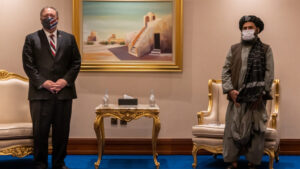
The United States and much of the West will base future decision about Taliban recognition on human rights and inclusivity considerations. Regional players are waiting to see if there are sustained improvements in security, before making any decisions.
November 10, 2021
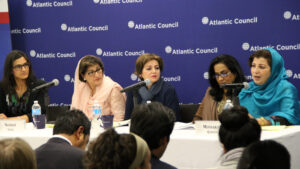
Although Feminist Foreign Policy would represent a marked shift in Pakistan’s foreign policy, it is not unprecedented if one reacquaints themselves with Pakistan’s history.
October 29, 2021
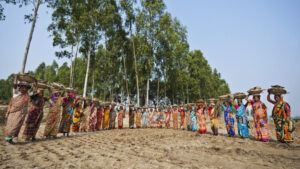
Policymakers need to include women in climate discourse and as agents of change.
October 13, 2021
An assessment of physical protection system upgrades in Pakistan.
October 8, 2021