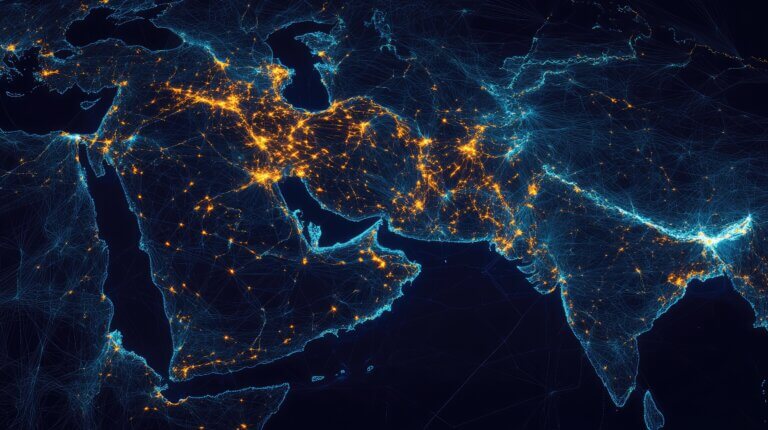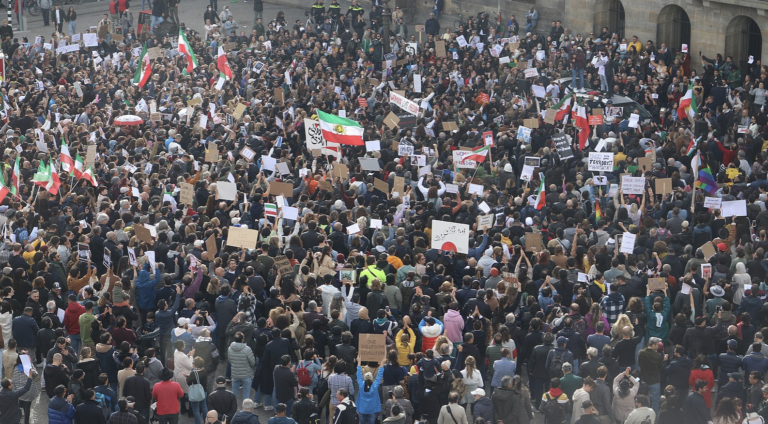






The fall of Assad reshapes Middle Eastern dynamics, challenging Iran’s influence and offering cautious hope for regional change amid persistent complexities
December 9, 2024

Turkey’s support of the Syrian opposition not only weakens Assad but targets the Kurdish military stationed in northern Syria across the Turkish border
December 5, 2024
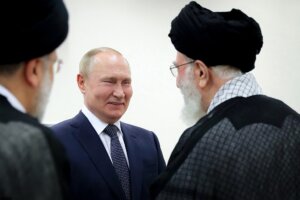
By cultivating the Houthis, the Kremlin is signaling that it can reach any geography to hurt the West and punish it for opposing Russia’s territorial ambitions in Ukraine
November 27, 2024

The Biden administration’s efforts to support peace while degrading Houthi military capabilities have made it difficult to achieve diplomatic progress
November 26, 2024

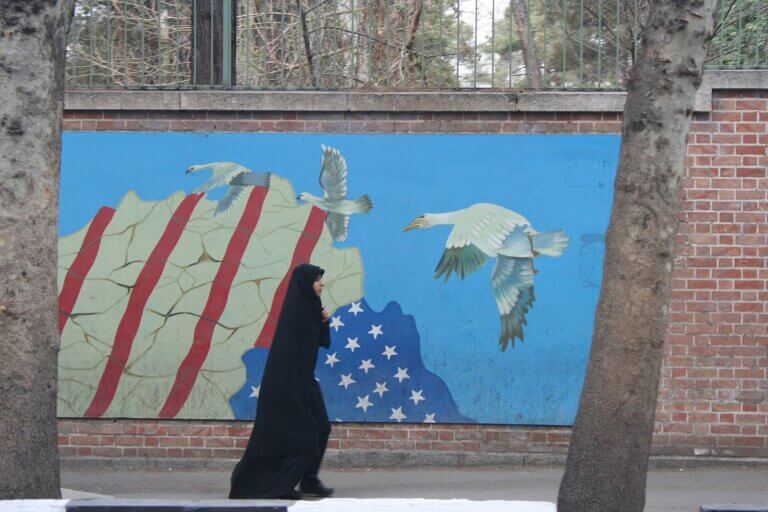
Muscular diplomacy still offers the best set of tools to prevent Iran from developing nuclear weapons.
November 26, 2024

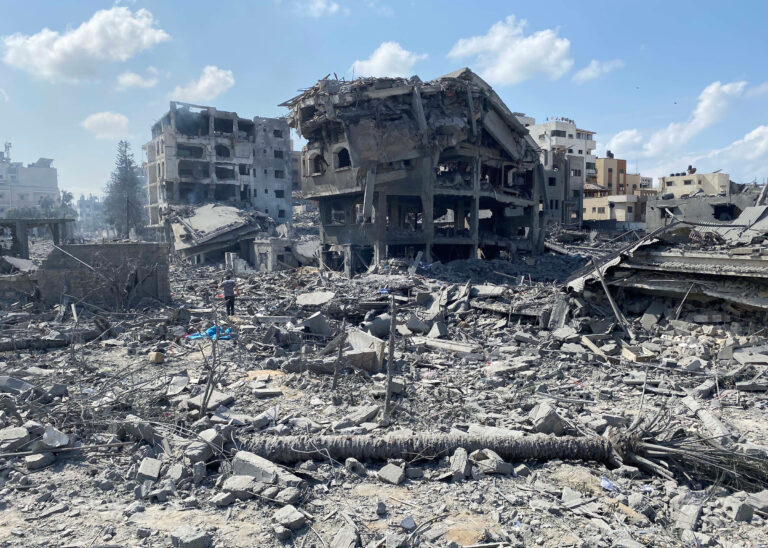
A broad range of risk to northern Israel and, potentially, to critical areas of central Israel is what drives Israel’s military campaign in Lebanon today
November 19, 2024

Any new U.S.-Iran agreement would likely require Israeli buy-in and a meaningful regional pullback by Tehran, including reduced support for militant groups like Hezbollah and Hamas
November 15, 2024
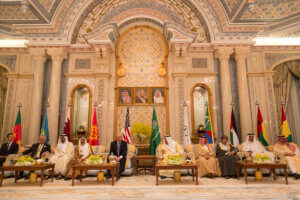
If Trump fails to provide the leadership Gulf states seek from Washington, his return may push Arab states to further diversify their alliances
November 14, 2024