
As Congress debates the 2027 defense budget, members must confront an essential reality: their children and grandchildren will be left footing the bill.
Many of the dollars that will be appropriated for military purposes in 2027 will be borrowed and tacked onto the ballooning national debt. But that is only part of the problem. Defense policies established today become spending obligations for future generations.
If members of Congress are seriously considering $1.5 trillion in defense spending for 2027, it is in part because they must cover the expenses resulting from policy decisions made years ago by people who have long-since passed from the scene.
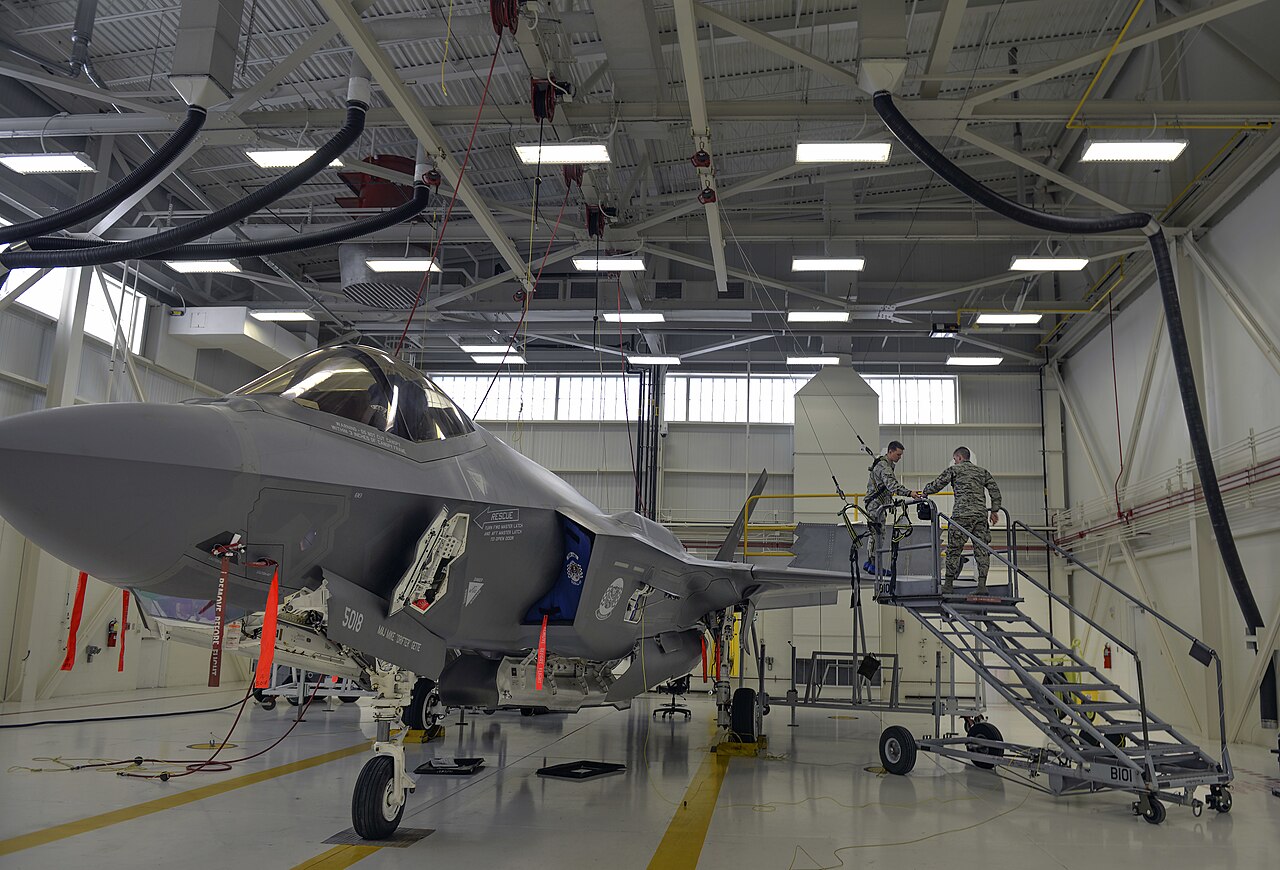
To take just one example, Pentagon officials awarded the Joint Strike Fighter contract to Lockheed Martin nearly a quarter century ago. Much has been made about how expensive the program is and how its costs have more than doubled since 2001. But the real costs of the F-35 program are yet to come.
Defense acquisition programs generally follow what is known as the “Rule of Thumb,” where one-third of a program’s total cost is the headline-grabbing development, testing, and acquisition expenses, while the other two-thirds are the far-less-interesting operations and support costs. In the case of the F-35 program, the front-end development and acquisition costs are approximately $442 billion. But the back-end operations and support costs over the lifetime of the program are estimated to be $1.58 trillion.
Read the full article on Responsible Statecraft.










Community Adaptation for a Water Festival Without Clean Water