
A perpetual fever dream of the National Security Establishment is to speed up the process of buying new weapons. Few should be surprised by this considering that it can take years, and sometimes decades, to field a new piece of hardware.
Secretary of Defense Pete Hegseth is expected to shortly issue new acquisition guidance meant to deliver new tech to the troops “at the speed of relevance,” to steal a common Pentagon refrain. Before the new administration’s reformers begin implementing solutions, they need to understand the true nature of the problem.
The current acquisition process is far from perfect and does need to be streamlined, but the process itself is not the primary reason new weapon programs blow through their budgets and fall years behind schedule.
Acquisition programs struggle mainly because they are poorly conceived. The fundamental mindset within the national security establishment is that more technology is always better, but this causes the majority of delays and cost growth. Service leaders and their allies in the defense industry work to pack as many features as possible into every weapon and then wonder why they can’t get all the components to work together properly.
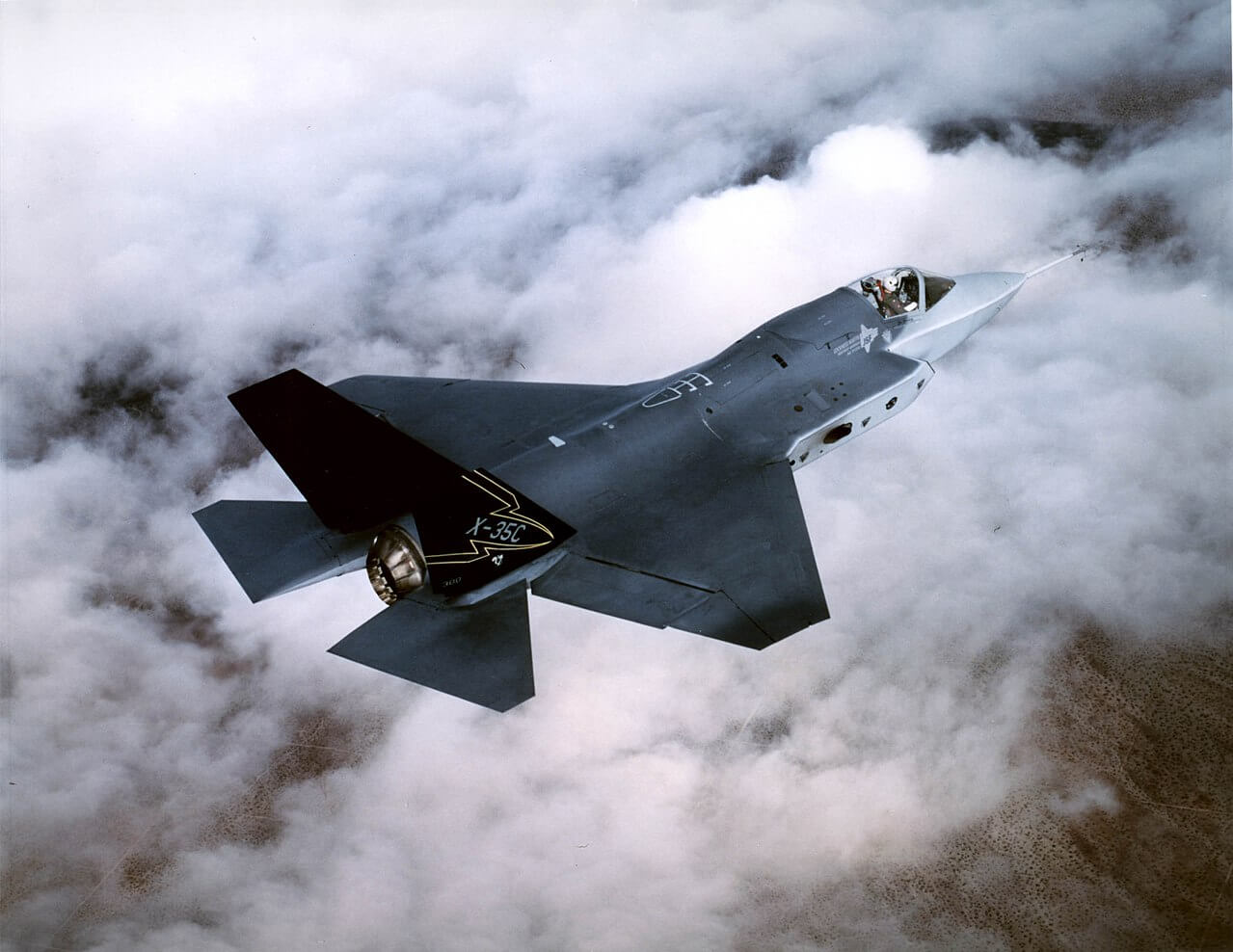
An emblematic example is the F-35’s Distributed Aperture System notably represented by the program’s $400,000 helmet. Fighter pilots need to be able to see what is happening in the sky around them. History has shown that the pilot who spots the enemy first is typically the one who wins.
Read the full article on Responsible Statecraft.










Community Adaptation for a Water Festival Without Clean Water