
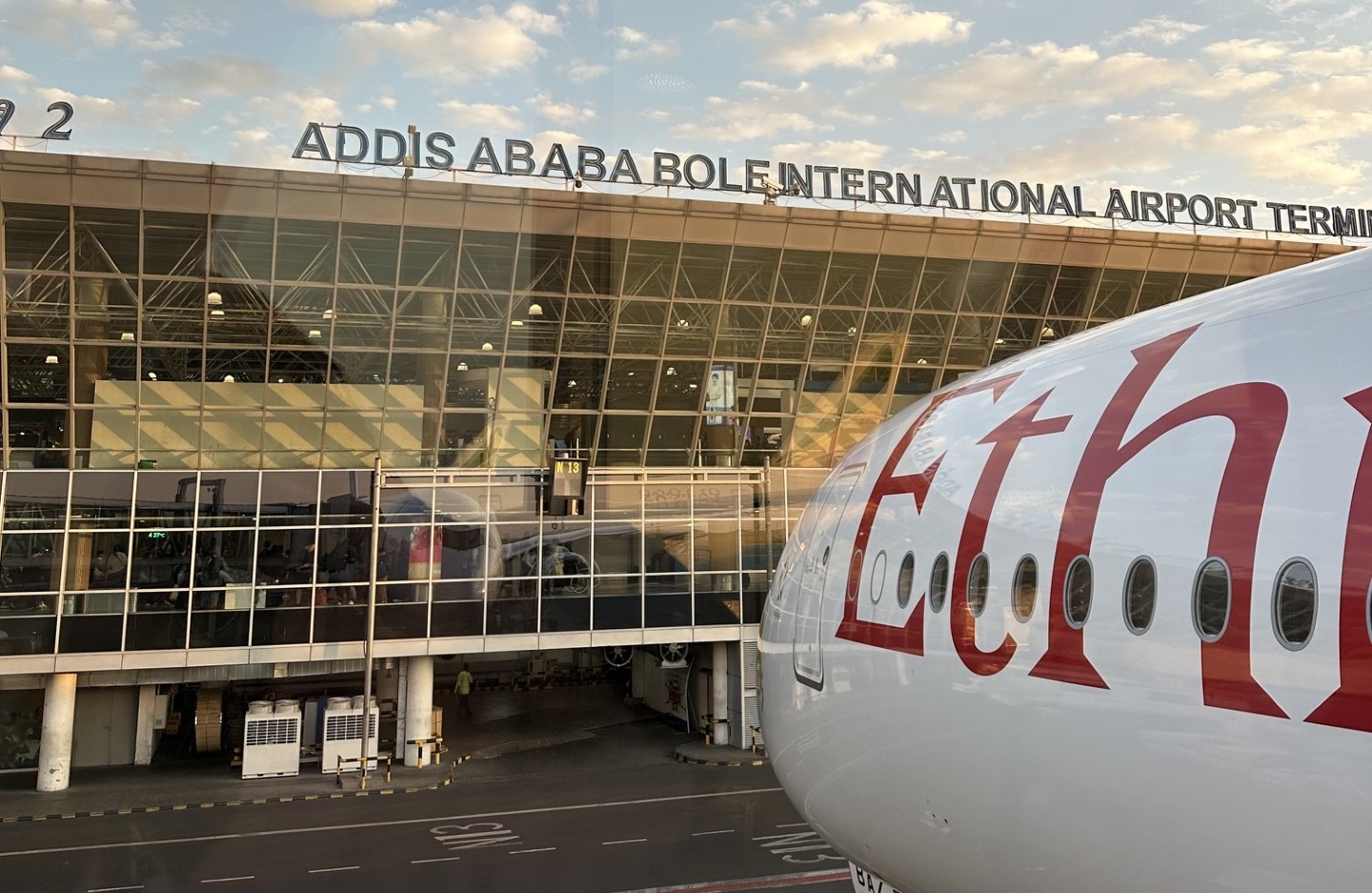
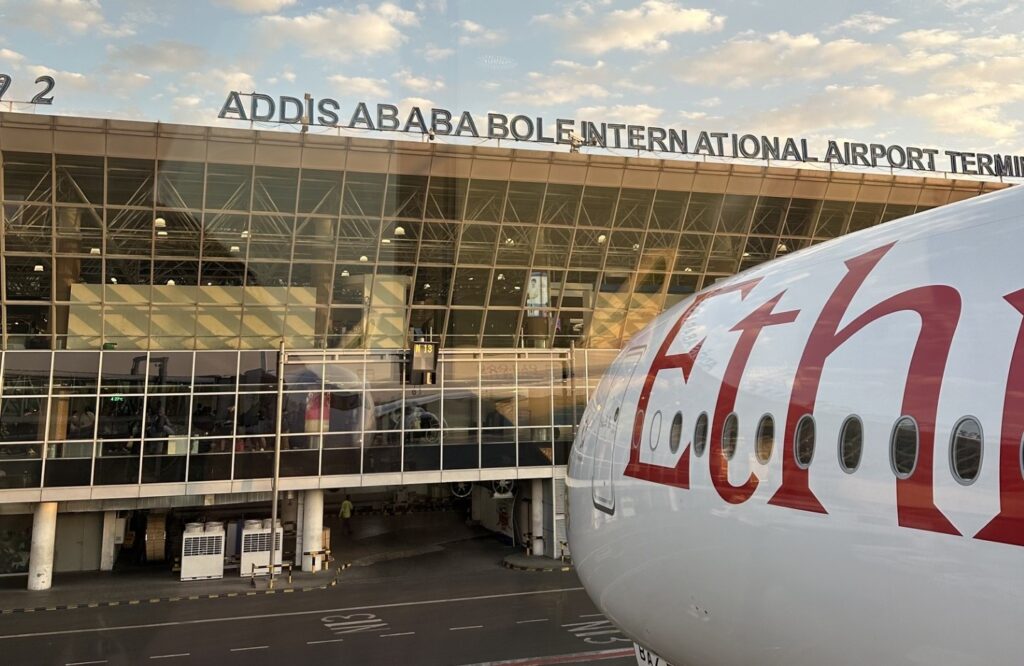
Addis Ababa, Ethiopia serves as the headquarters of the African Union (AU). A continental body, the AU represents an “integrated” Africa with aims of greater unity, peace and security, and cooperation. In service of this vision, the AU has deployed peace support operations on the African continent for over two decades, drawing troops and police from its member states. Lesser known perhaps is that African states have also been instrumental in the advancement of the Women, Peace and Security (WPS) agenda, including the integration of gender perspectives into peace operations globally.
Following the Windhoek Declaration (2000) and adoption of UN Security Council Resolution 1325 (2000), WPS and peace operations have been the subject of numerous UN resolutions, which have recognized that increasing women’s meaningful participation in peacekeeping and integrating considerations about the impact of conflict on different genders strengthens the overall effectiveness of missions. Within this context, Stimson’s Protecting Civilians and Human Security program has been engaging partners across the U.S., Europe, and Africa as part of a project on gender-responsive leadership to better understand how issues relating to gender — including women’s participation in missions — is considered by personnel in a variety of deployed peace operations globally.
In February 2026, we traveled to Addis Ababa, Ethiopia to deliver a dialogue on “WPS and the Future of UN and AU Peace Operations” to understand the operational environments of African Union-led Peace Support Operations (AU PSOs) and exchange views about how gender-responsive leadership is understood and implemented in the context of AU PSOs, including those led by regional mechanisms, Regional Economic Communities (RECs), as well as ad-hoc security initiatives on the continent. The dialogue convened over 50 government officials, representatives from the African Union and United Nations, diplomatic representatives, deployed personnel, researchers, and representatives from peacekeeping training centers, as well as academics and civil society. The dialogue, spanning one and a half days, was the product of a collaborative partnership between the International Peace Institute (IPI), Amani Africa, the Nordic Africa Institute (NAI), and Folke Bernadotte Academy (FBA), with support from Global Affairs Canada.
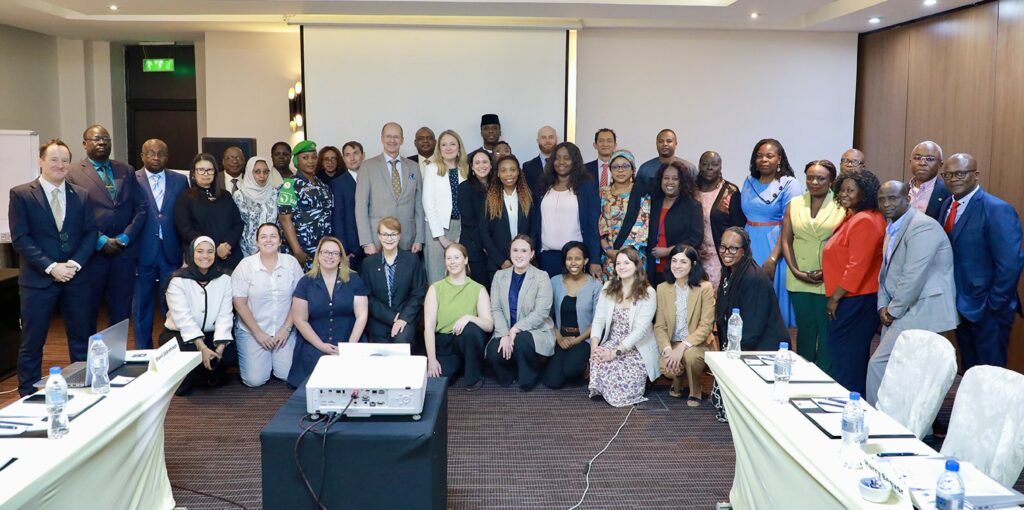
Workshop participants pictured with opening speaker H.E. Ambassador Magnus Lennartsson, Ambassador of Sweden to Ethiopia and Permanent Representative to the African Union.
Given Addis Ababa’s position as the political hub of Africa, the city is home to a diverse defense and security community. The dialogue benefitted from sustained participation from the African Defence Attaché Forum, which seeks to promote regional and international security and actively engage around questions of maintaining peace and stability on the continent. Representatives encompassed Western, Central, Eastern, and Southern Africa, which elevated a diverse range of perspectives on gender-responsive leadership and the WPS agenda. Workshop participants shared insights into how mission structures impact the elevation of gender priorities, including capacities to address abuses and violations by personnel or civilians, cultural considerations and conventions, ingrained perceptions of performance standards, and approaches to protecting civilians. Familiar anecdotes included scenarios where gender balance and parity were verbally recommended but not mandated, actioned, or integrated into institutional and national policies.
Fulfilling the aims set out in Stimson’s initial project proposal, the dialogue also covered topics beyond gender-responsive leadership, considering the current landscape as relates to the broader WPS agenda. This included discussion of organizational structures; the role of gender advisors in building peace; addressing sexual exploitation, abuse and harassment; characteristics of gender-responsiveness in diverse operational environments; and accountability. One powerful question posed by a participant struck the room: What would peace support operations look like if women designed them?
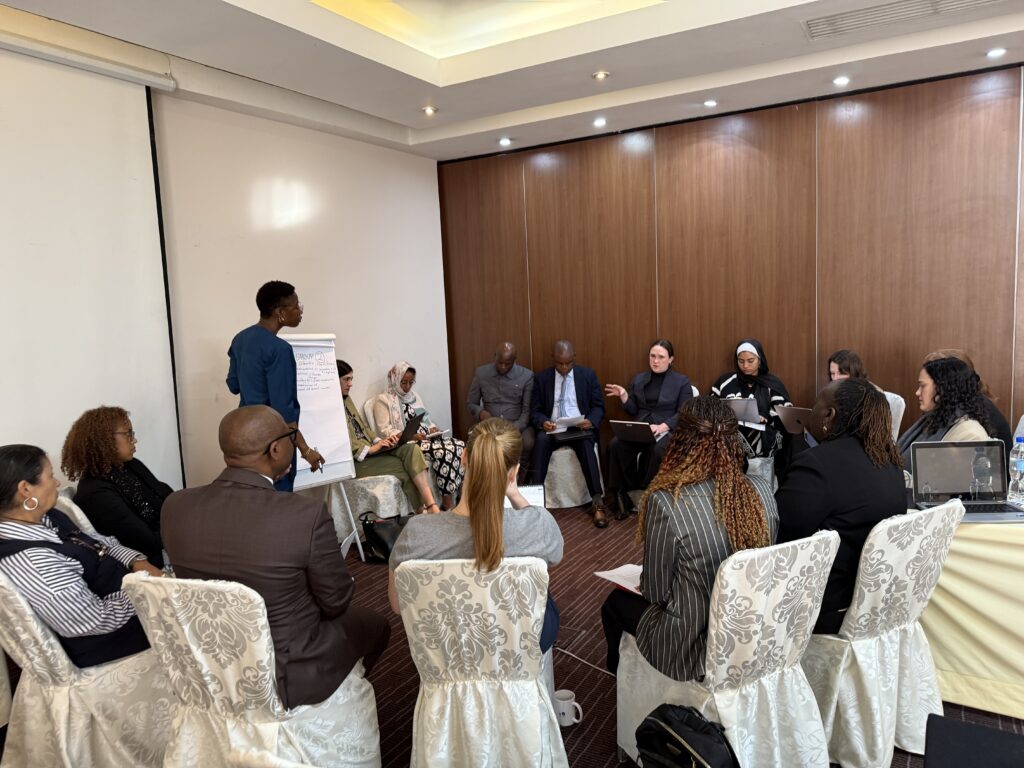
Dialogue working group examining the similarities and differences of gender-responsive leadership approaches between civilian-led missions and missions operating in highly kinetic settings.
After two days of substantive exchanges, the Stimson team and other organizing partners undertook meetings with members of the diplomatic community in Addis Ababa, as well as representatives from the African Union. Our final day in Ethiopia began with a meeting at the Swedish Embassy, where questions regarding geopolitical shifts, multilateral priorities, and security developments on the African continent framed the discussion.
We then traveled to African Union Headquarters where we met with representatives from the Peace Support Operations Division (PSOD) to discuss challenges facing AU-led peace support operations as related to efforts to advance protection of civilians and WPS, including ongoing efforts to further the AU-UN partnership as part of Security Council Resolution 2719. The afternoon concluded with a meeting with the AU Special Envoy on Women, Peace and Security H.E. Liberata Mulamula. It was a privilege to engage with Special Envoy Mulamula on the issues she is prioritizing in her current role, as well as the role of research, linkages between the WPS and Youth, Peace and Security agenda, and the institutionalization of WPS into the AU architecture.
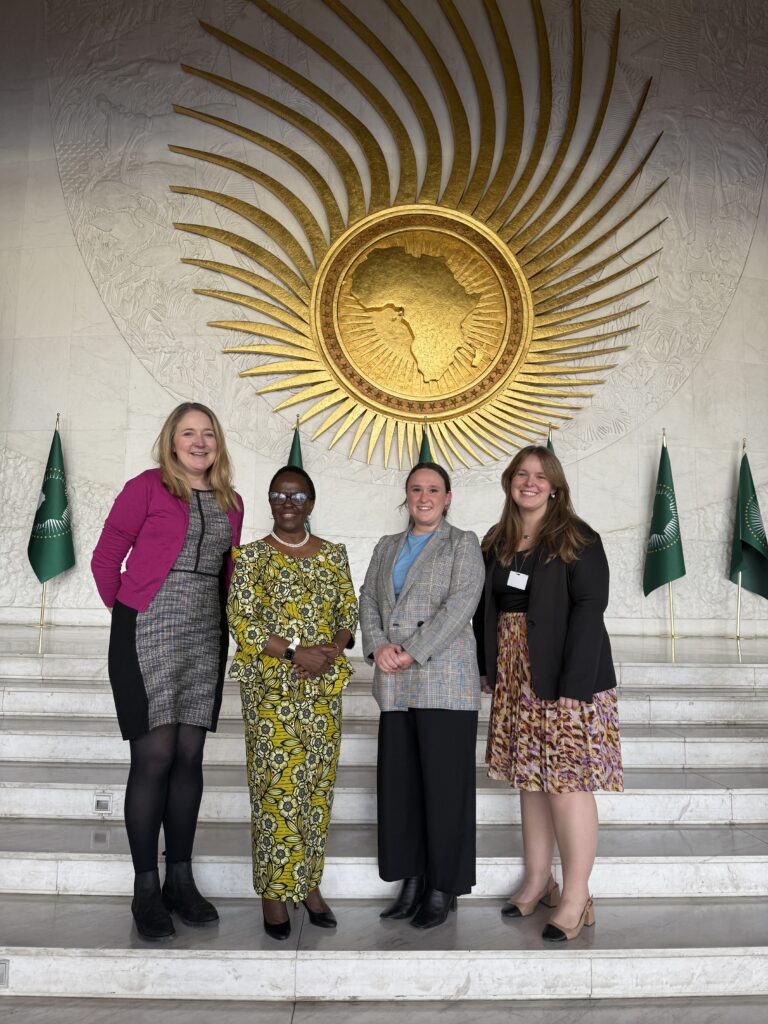
Stimson’s Protecting Civilians and Human Security program pictured with AU Special Envoy on WPS H.E. Liberata Mulamula at the Nelson Mandela Plenary Hall, African Union Commission, Addis Ababa, Ethiopia.
Underpinning our trip to Addis Ababa were the insights about the leadership of African nations as one of the birthplaces of the WPS agenda, but also the sentiment that despite the gains to advance the role and contribution of women and their perspectives to peace operations, that political expediency will continue to undermine those efforts. There remain varied structural inequalities built into national institutions, the UN, the AU, peacekeeping missions, RECs, and other security arrangements that continue to limit the full realization of the WPS agenda and advancement of more gender-responsive environments. Fostering partnerships, engaging broader security constituencies beyond those working on WPS and gender, and reckoning with concerted political pushback will be essential in moving beyond verbal commitments to actionable policies.
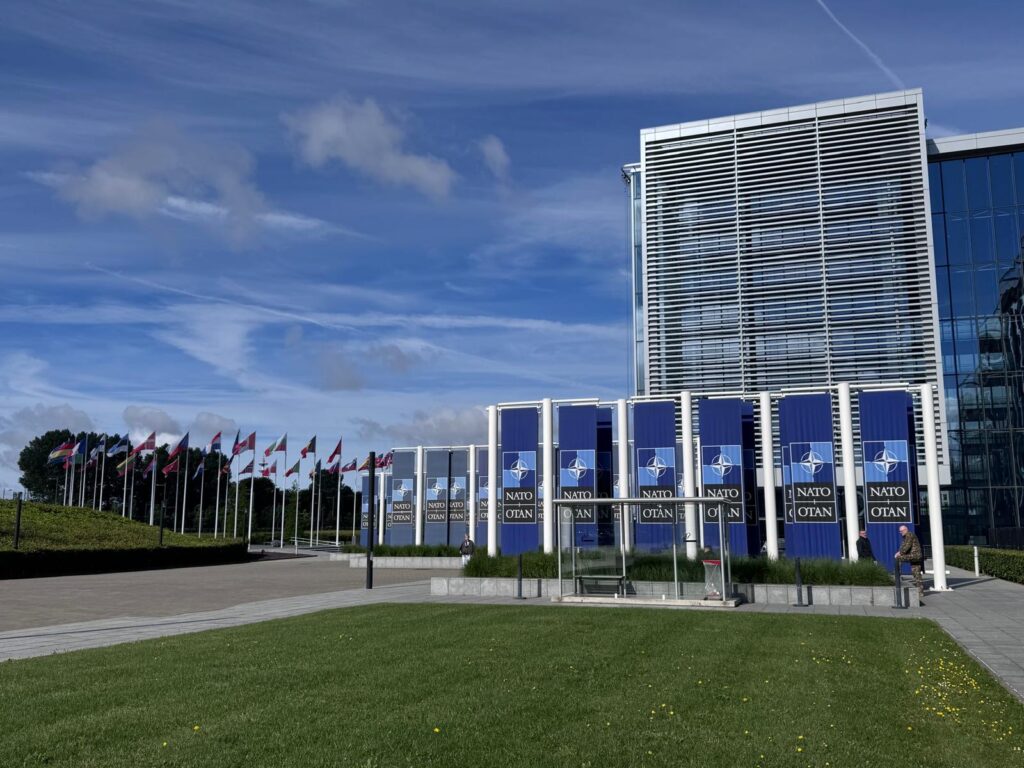
Moving ahead, the Protecting Civilians and Human Security Program looks forward to sharing an issue brief on gender-responsive leadership in the context of regional and multilateral peace operations. This will encompass analysis of lessons learned, good practices, and outstanding gaps in implementation, as well as assess comparative advantages between AU-led peace support operations, and missions led by the EU, NATO, OSCE, and UN, drawing on discussions in Addis Ababa and an earlier workshop held in Brussels in 2025.
The Stimson team appreciates the contributions of those present for the discussions in Addis Ababa and thanks the participants for their insights, interventions, and recommendations for strengthening gender-responsive leadership in peace operations globally. Stimson’s project on “Framing Gender-Responsive Leadership in UN Peace Operations” is supported by the Elsie Initiative and Global Affairs Canada. All views reflected in this piece are the responsibility of the authors.

Community Adaptation for a Water Festival Without Clean Water