
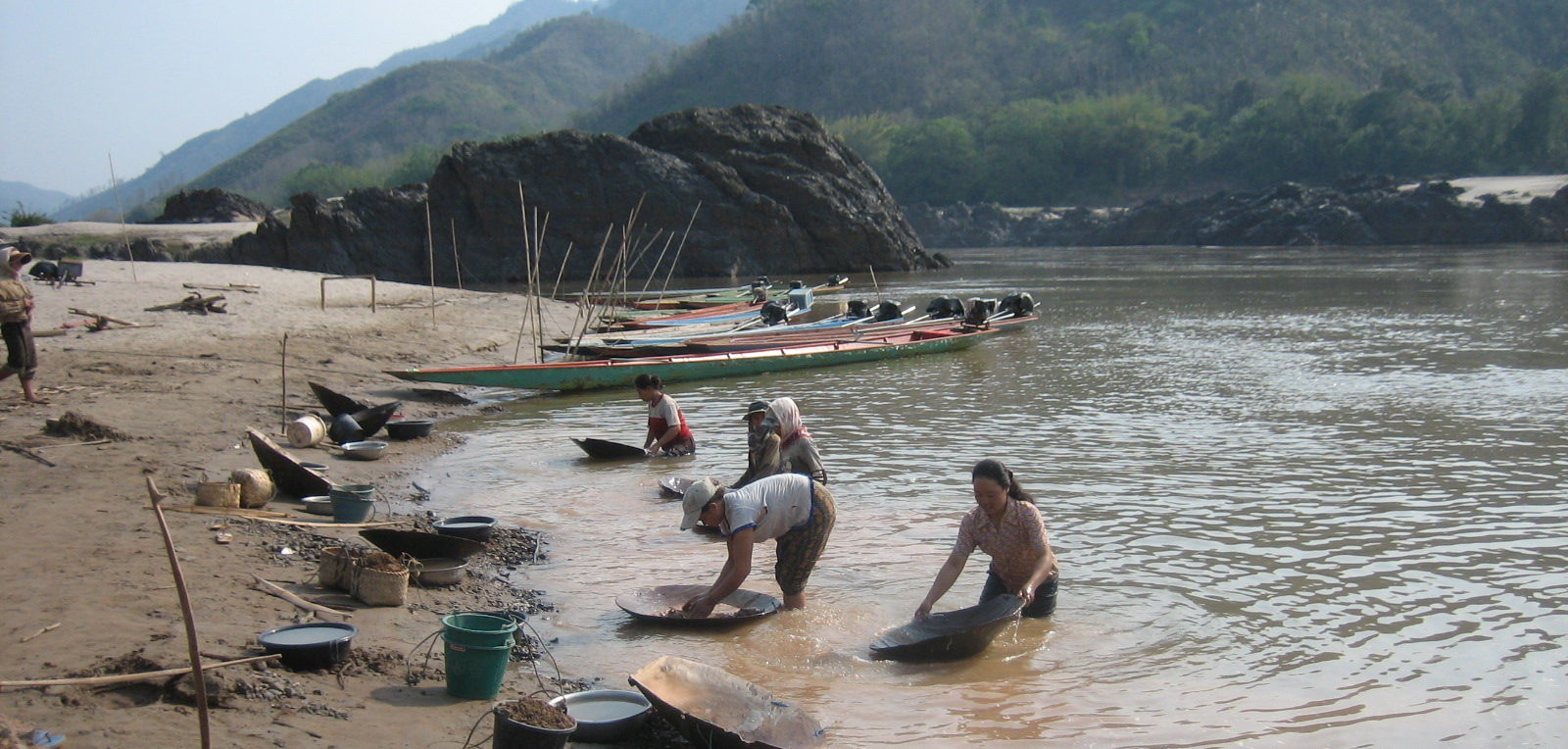
Eleven massive dams straddle the mighty Mekong River before it leaves China and flows into Myanmar, Laos, Thailand, Cambodia, and on into Vietnam. Yet I have long been skeptical that China could use those 11 upstream dams, massive as they are, to turn off the tap for the countries downstream. Too many people’s livelihoods, including 20 percent of the world’s freshwater fish catch, are dependent on the monsoonal ebb and flow of the Mekong. Yes, dams might store water for a time, but eventually that water must flow downstream through generators’ spinning turbines or open floodgates. Holding on to that water for leverage seemed like a diplomatic blunder.
Since China began building these dams in the early 1990s, the downstream countries have worried China could use its massive cascade of reservoirs—they have a capacity to store as much water as is in the Chesapeake Bay—to hold them hostage. When I gave talks on my recent book, Last Days of the Mighty Mekong, I often felt audiences were disappointed that I avoided reflexively painting China as the upstream boogeyman. The way the downstream countries of Laos, Vietnam, Thailand, and Cambodia build dams and extract sand, fish, and water from the river can also harm a fragile system.
Read the full op-ed in Foreign Policy.





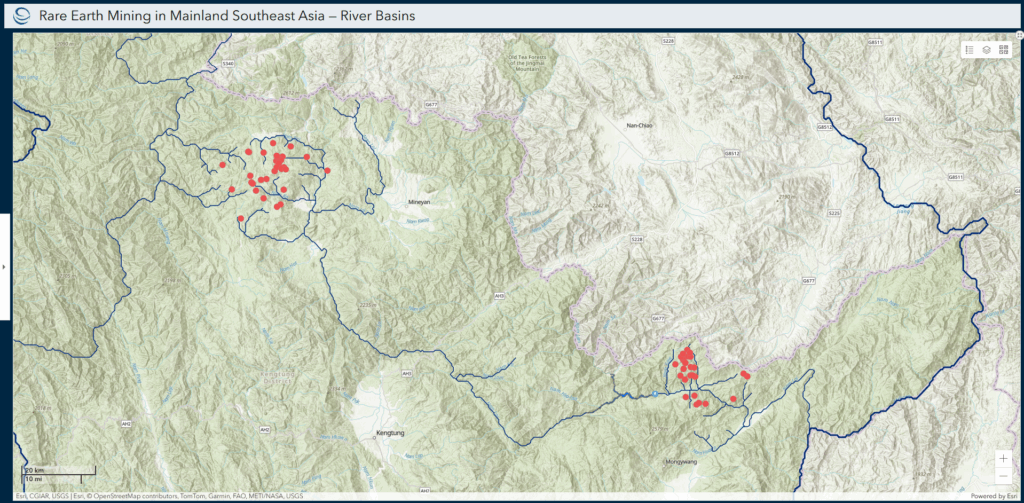



Community Adaptation for a Water Festival Without Clean Water