Mekong Policy Project

Reducing Risks in the Mekong Basin

Addressing the regional environmental and social impacts along the Mekong River to improve food security, stability and cross-country relations.

In Southeast Asia Research

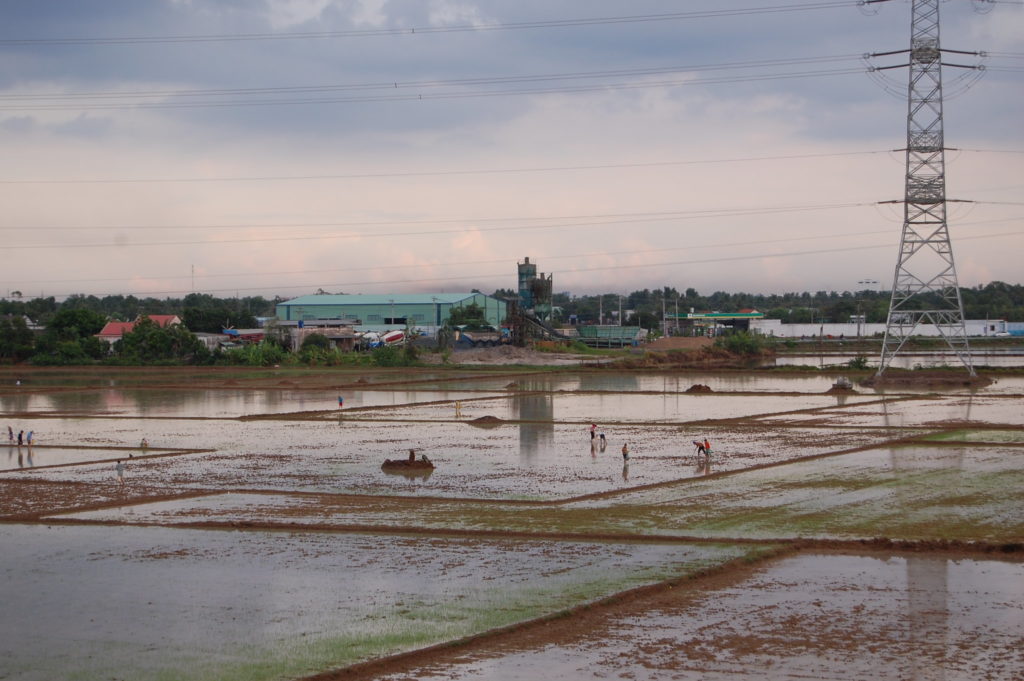
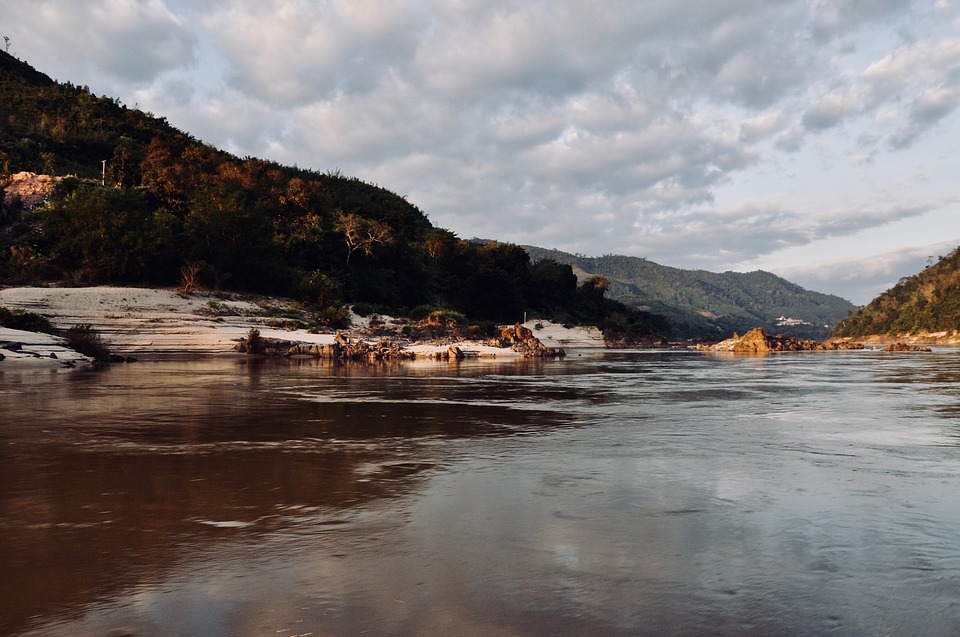
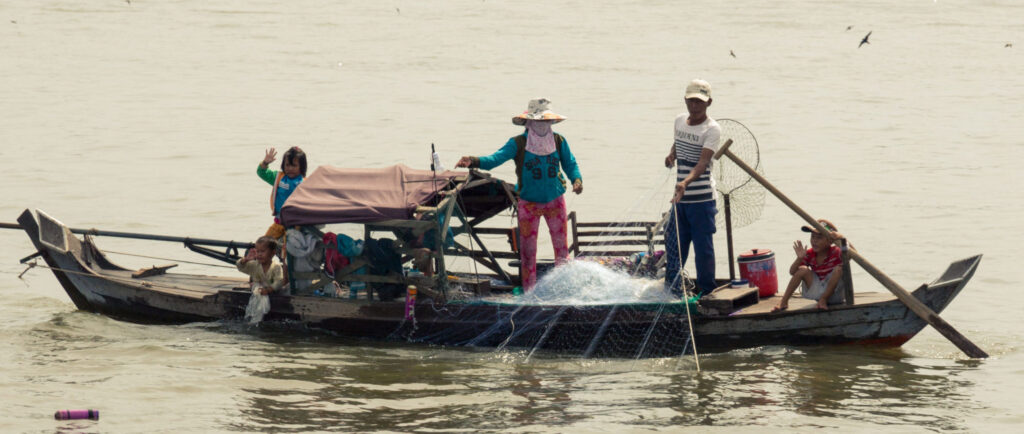
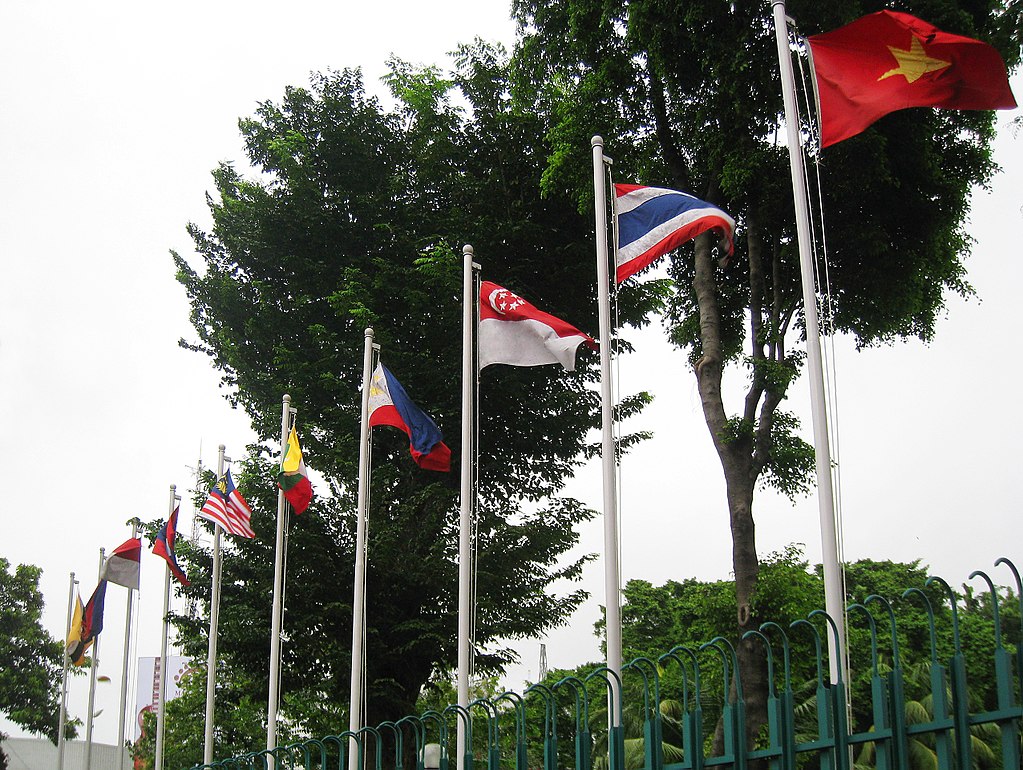
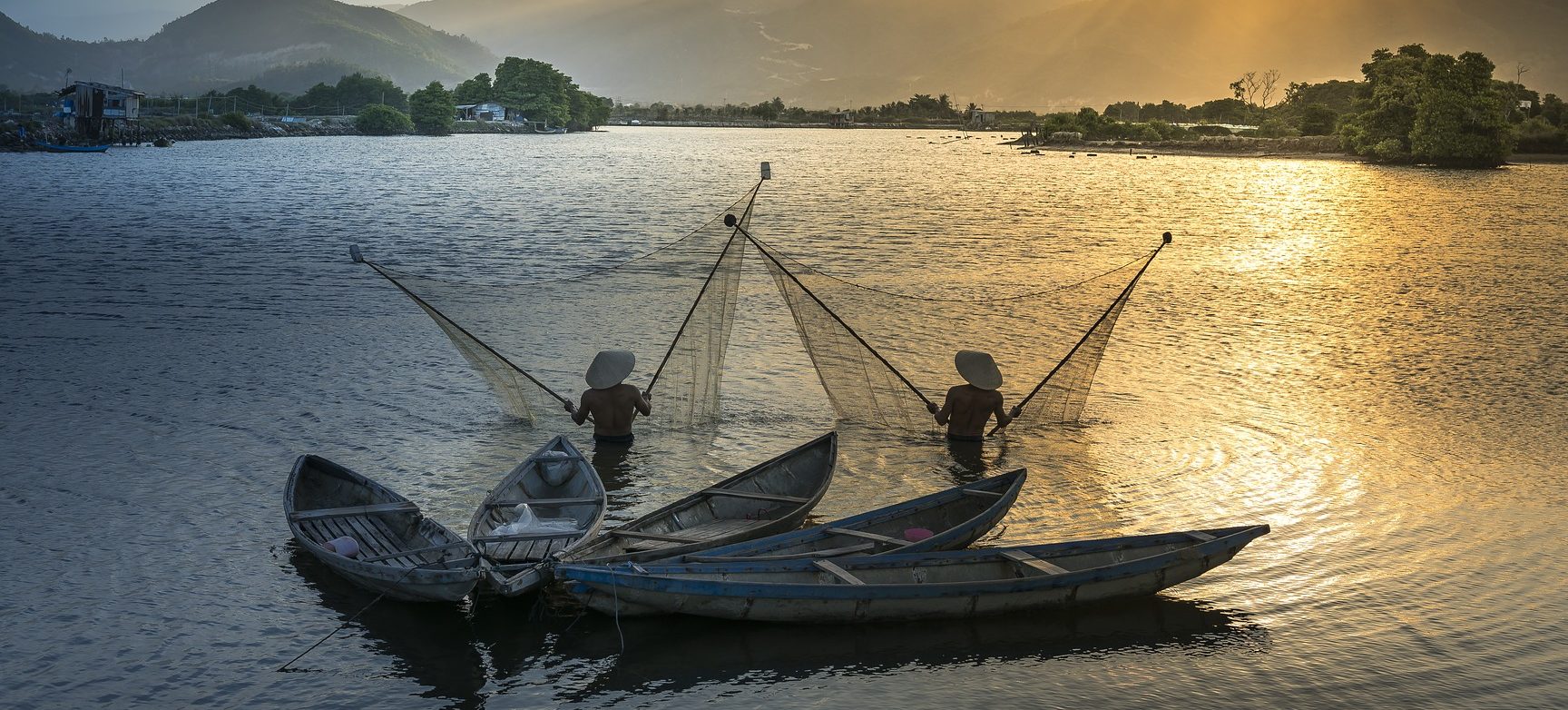
As a biodiversity hotspot that is home to more than 60 million people, the Lower Mekong River Basin plays a vital role as the region’s “rice bowl,” the world’s largest freshwater fishery and provider of livelihoods. Stimson’s Mekong Policy Project interacts with a wide range of local and international NGOs, government departments, and academic institutions in addressing environmental, political, and economic challenges in the region.

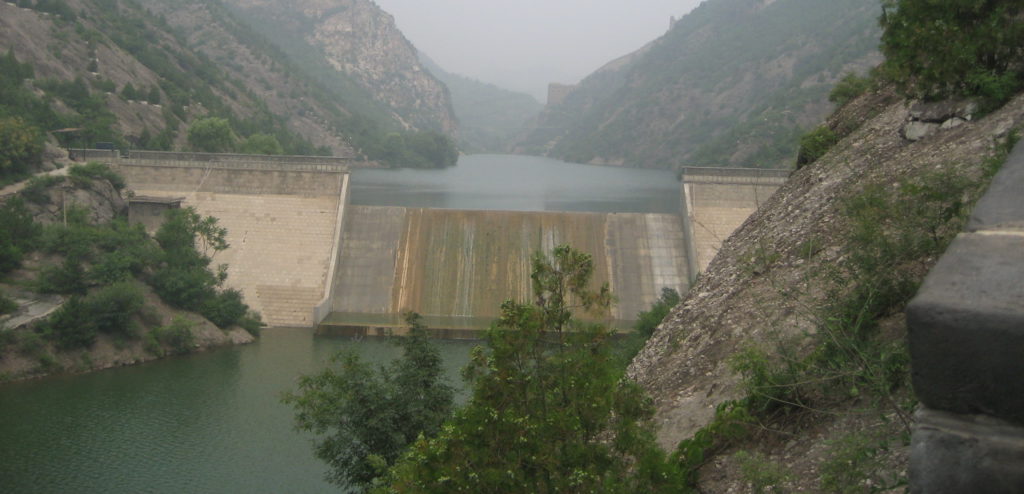
We lead the discourse on transboundary effects of hydropower dams along the Mekong River, the basin’s significant impacts on regional relations, and the future of water and energy collaboration among a crowded field of regional development frameworks.

Monitoring the Mekong

Maps, Imagery, & Analysis of Impacts on the River

Infographic
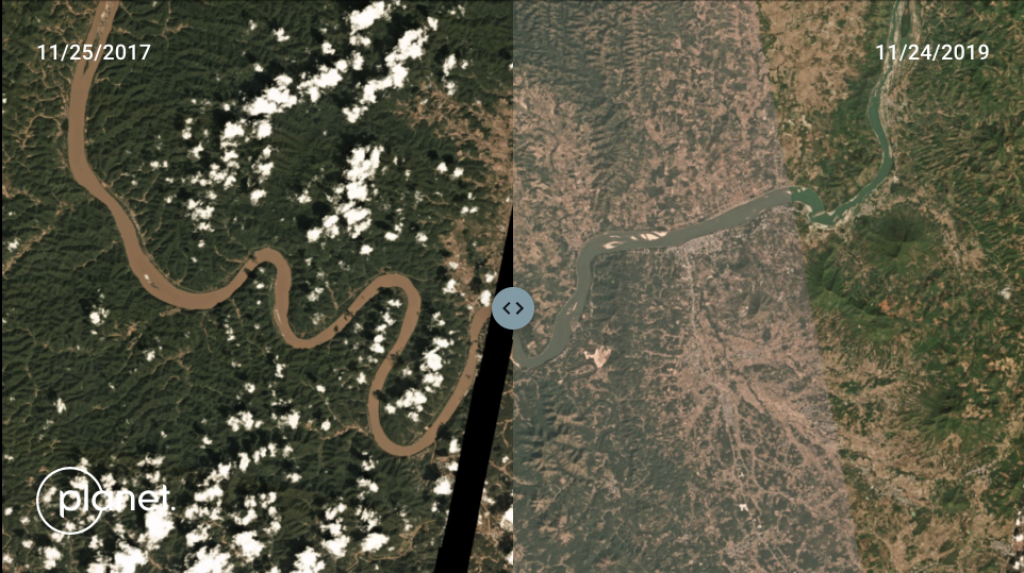
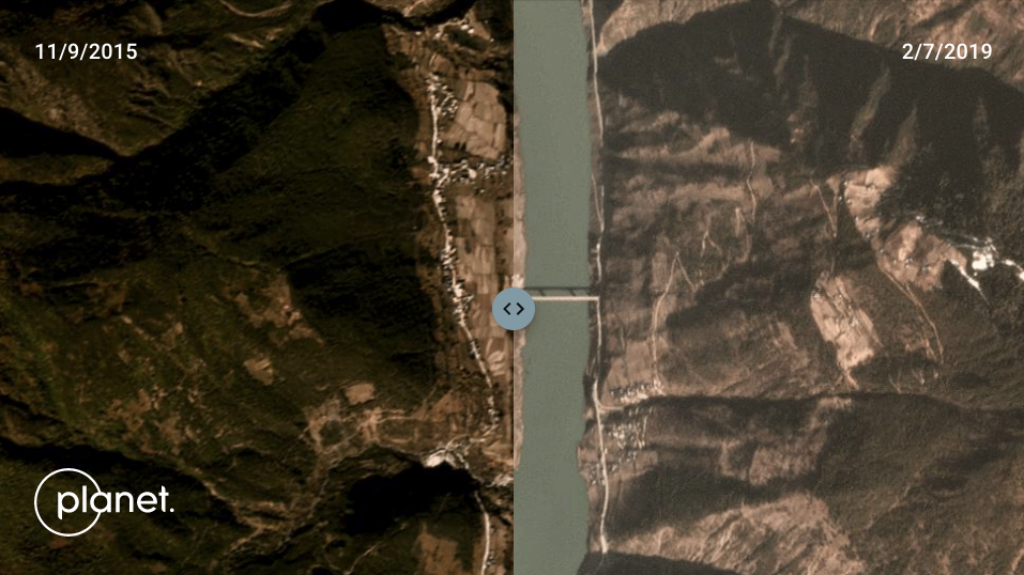
More than 100 reservoirs now hold water in China’s portion of the Upper Mekong and impact the Mekong’s natural hydrological cycle.
Brian Eyler • Regan Kwan • Courtney Weatherby
Infographic
Mainstream Mekong dams have been proven time after time to devastate the river’s fisheries and agricultural processes along its floodplain.
Brian Eyler • Courtney Weatherby
Infographic
More than 200 large dams planned, completed, or under construction in the lower Mekong Basin will deliver severe fragmentation to the river’s ecosystem and devastate downstream fisheries and agricultural practices.
Brian Eyler

Latest

Explainer
ข้อมูลใหม่เผยให้เห็นเหมืองแร่ที่อลหม่านมีมหาศาลไร้การควบคุมตามริมแม่น้ำในเมียนมา, ลาว และกัมพูชา ด้วยเกี่ยวพันต่อสุขภาพ, ความปลอดภัยของชุมชน และระบบนิเวศ
Regan Kwan • Brian Eyler
Explainer
ຂໍ້ມູນໃໝ່ໄດ້ເປີດເຜີຍໃຫ້ຮູ້ໃນວົງກວ້າງກ່ຽວກັບການຂຸດຄົ້ນ-ປຸງແຕ່ງແຮ່ທີ່ບໍ່ຖຶກຕ້ອງຕາມແມ່ນໍ້າສາຍຕ່າງໆ ຢູ່ໃນປະເທດພະມ້າ, ປະເທດລາວ, ແລະ ປະເທດກໍາປູເຈຍ ເຊິ່ງມີຜົນກະທົບຕໍ່ສຸຂະພາບ ແລະ ຄວາມປອດໄພຂອງຊຸມຊົນ ແລະ ລະບົບນິເວດ
Regan Kwan • Brian Eyler
Data Tool
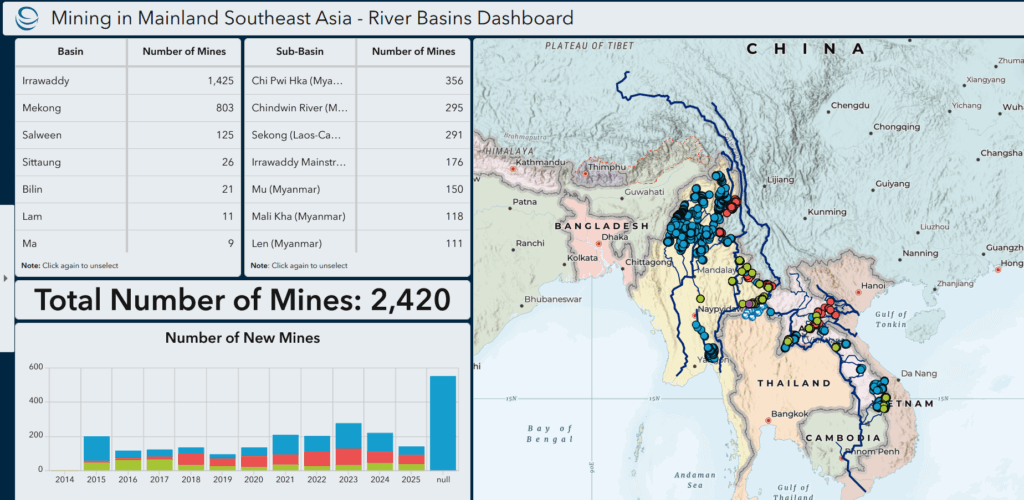
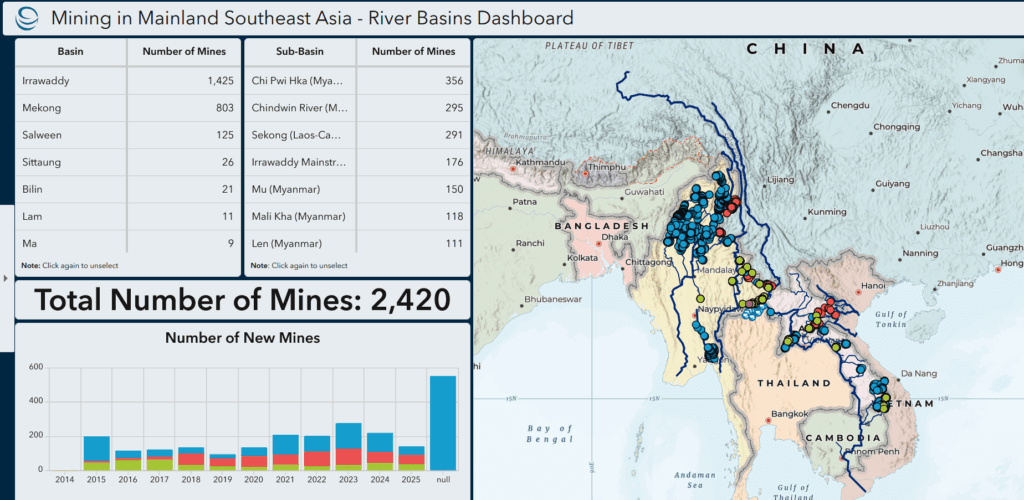
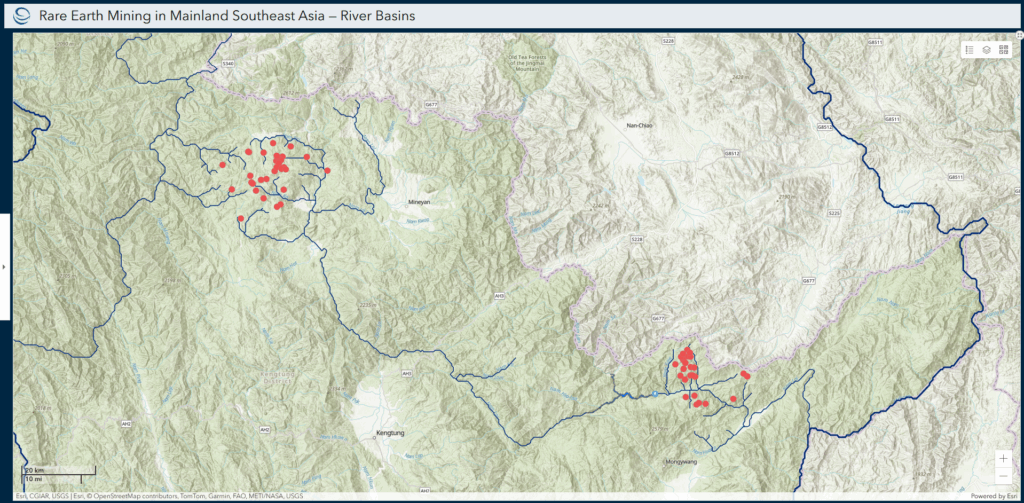
This interactive dashboard visualizes and analyzes the impact of mining operations on rivers in mainland Southeast Asia
Regan Kwan • Brian Eyler
Explainer
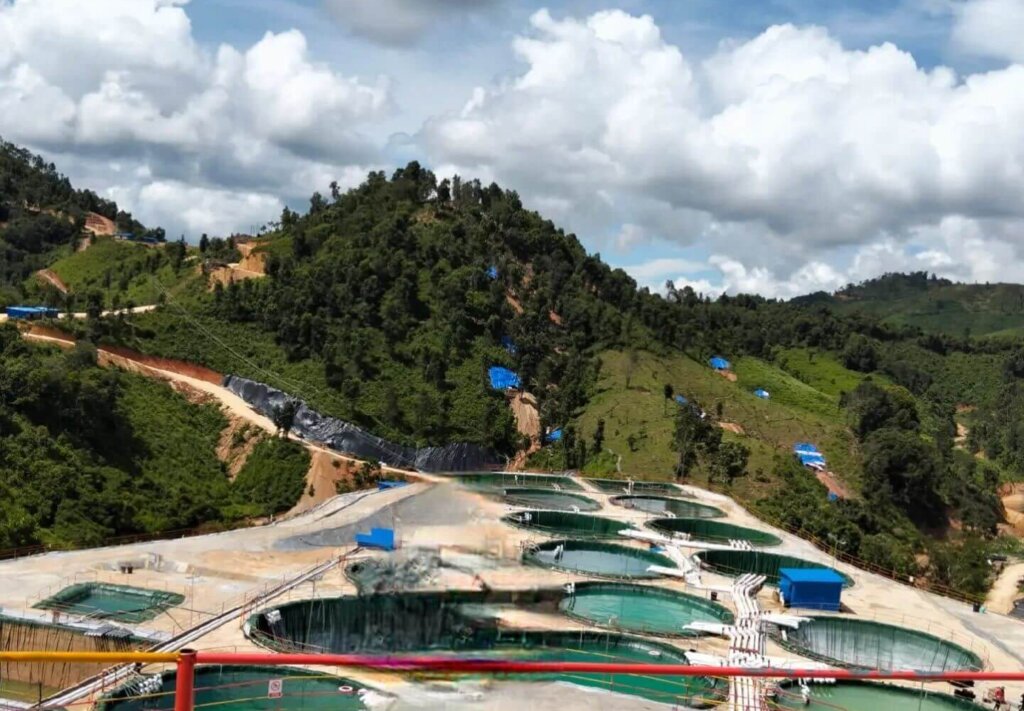
New data unveils the huge scale of unregulated mining along rivers in Myanmar, Laos, and Cambodia with implications for the health and safety of communities and ecosystems.
Regan Kwan • Brian Eyler
Commentary
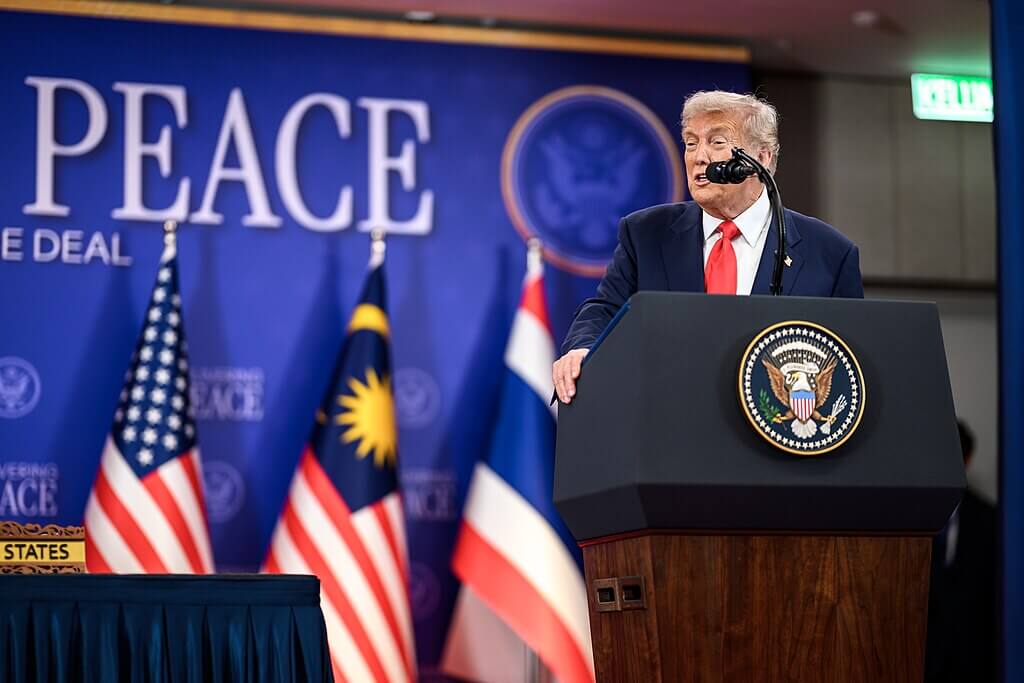
Recent U.S. expansion of critical minerals cooperation in ASEAN and the broader Indo-Pacific is a strategic opportunity, not without challenges
Regan Kwan • Courtney Weatherby • Brian Eyler
Field Note
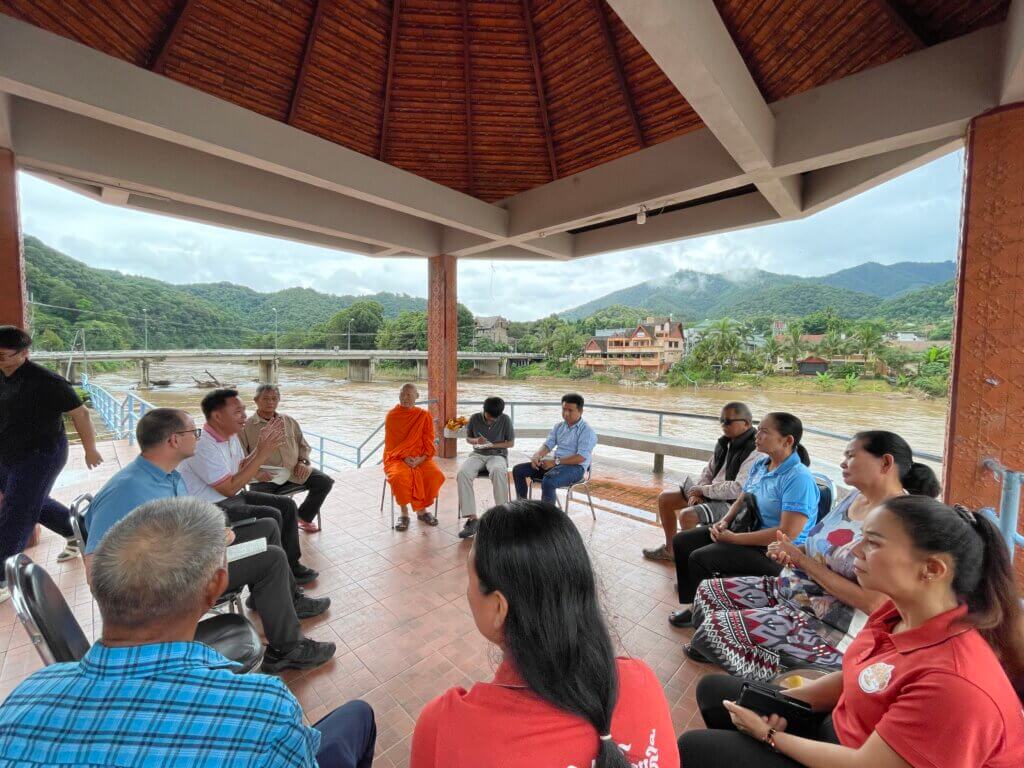
Community activists and experts in Chiang Rai, Thailand are calling for urgent attention to a looming health and environmental crisis plaguing their rivers and floodplains
Brian Eyler • Regan Kwan
Issue Brief
How a new Belt and Road project in Cambodia could increase water and flood risks in Vietnam and weaken the 1995 Mekong Agreement
Brian Eyler • Regan Kwan • Courtney Weatherby
Resource
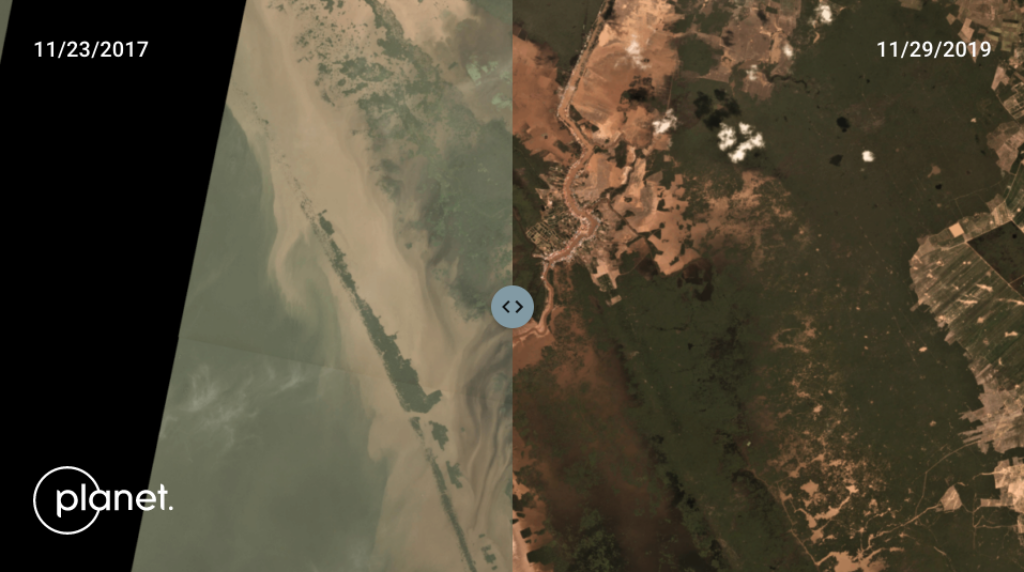
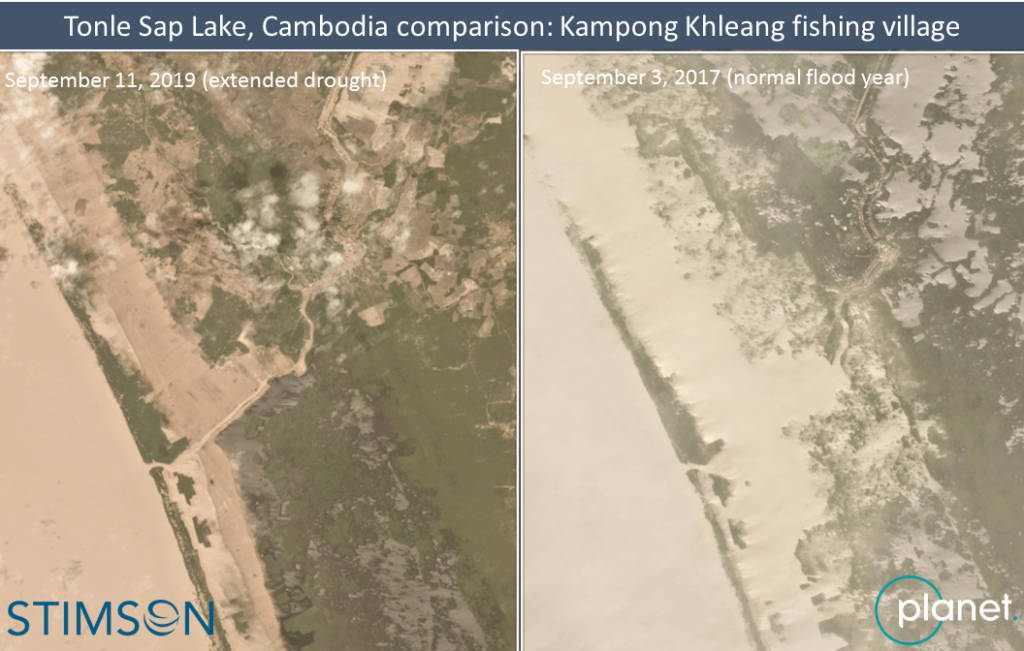
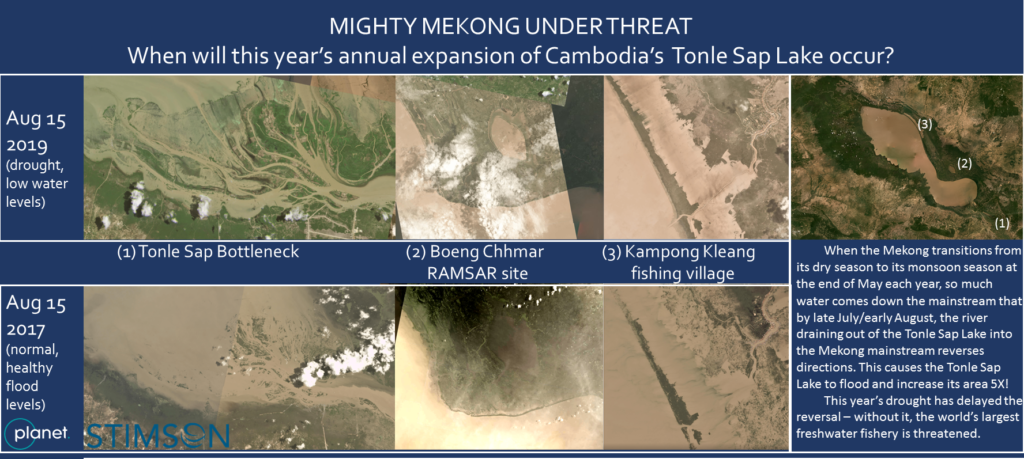
An animated visualization of the Mekong Floodpulse and Tonle Sap Expansion
Brian Eyler • Regan Kwan

News & Commentary

Commentary
Recent U.S. expansion of critical minerals cooperation in ASEAN and the broader Indo-Pacific is a strategic opportunity, not without challenges
Regan Kwan • Courtney Weatherby • Brian Eyler
Op-Ed
China inevitably has become a major focus of concern about extreme drought in the lower half of the river
Richard Cronin
Op-Ed
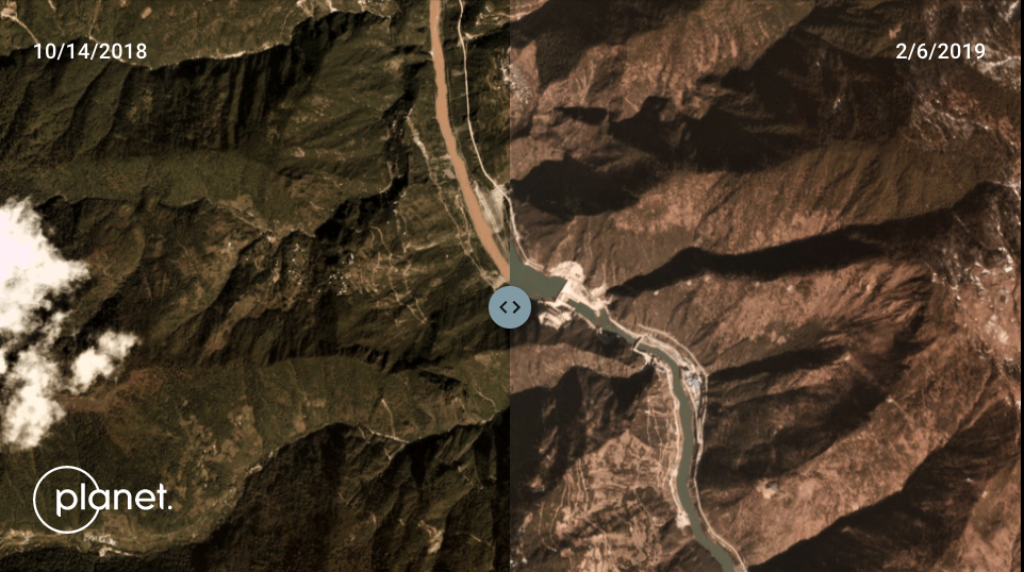
The Mekong's natural flow and the heartbeat of the Tonle Sap are being undermined by wet season water restrictions from dams in China and in downstream Mekong countries.
Brian Eyler • Courtney Weatherby
Commentary
Stimson scholars consider China's dams on the Mekong, evidence of their impact downstream, policy motivations, and more
Brian Eyler • Yun Sun
Op-Ed
Drought coupled with the coronavirus pandemic spells danger for food security.
John Lichtefeld • Courtney Weatherby
Op-Ed
New data demonstrates a devastating effect on downstream water supplies that feed millions of people.
Brian Eyler
Commentary
Despite a quick response during their initial outbreak, Vietnam could not avoid a second outbreak and the need to take more aggressive measures.
John Lichtefeld
Commentary
ASEAN countries start taking measures to mitigate an outbreak as cases begin to surge, despite an initial delay
Courtney Weatherby

Events

Search this project

Filter