
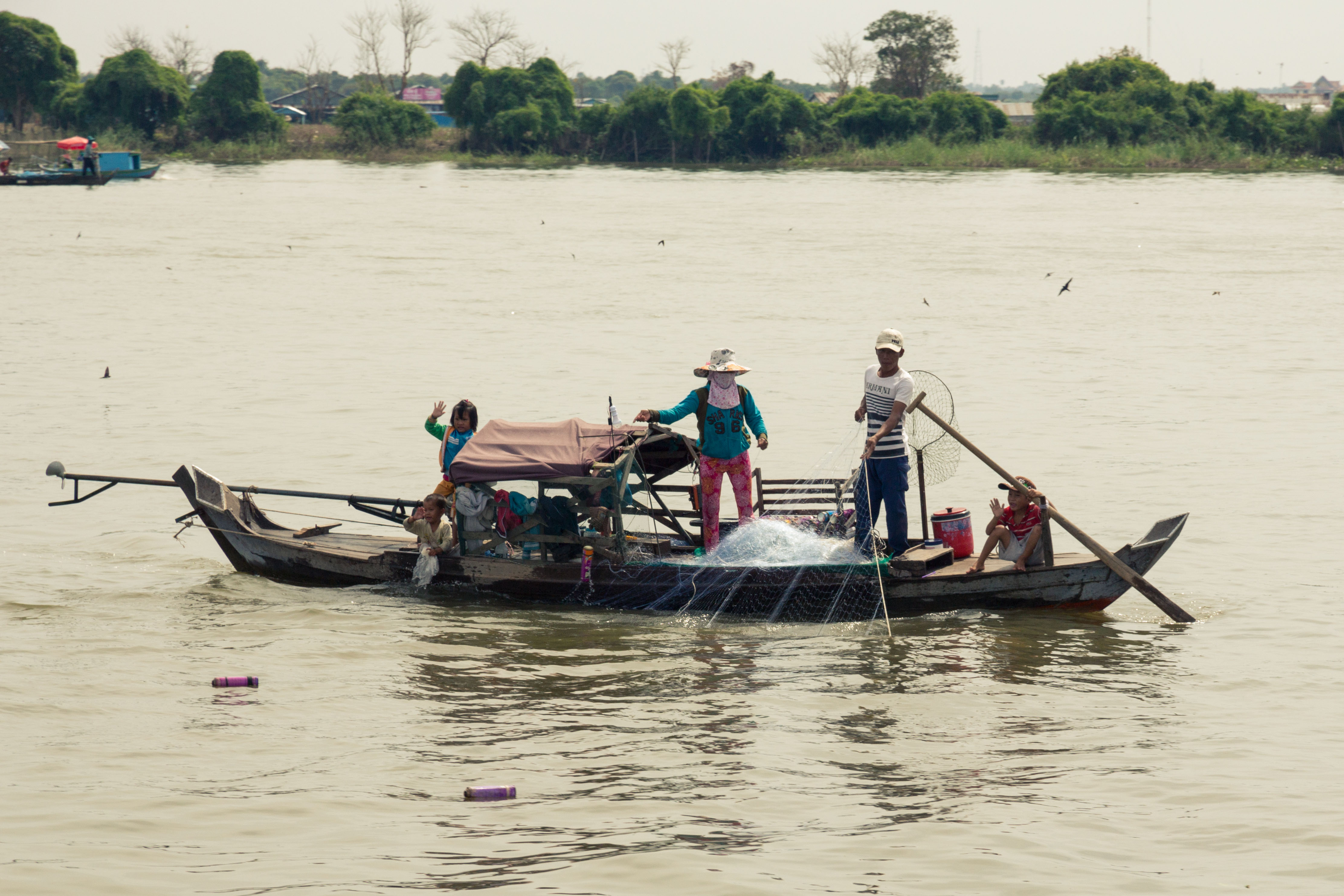
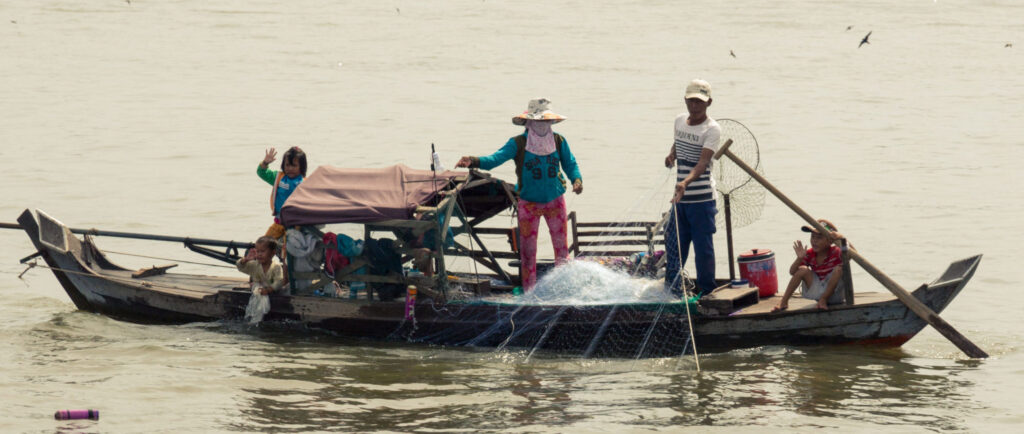
Over the past year, severe drought exacerbated by upstream hydropower dams has throttled agricultural productivity, devastated fisheries, and threatened the livelihoods of millions of people in the Mekong River Basin. The coronavirus pandemic is compounding this situation, disrupting supply chains and increasing price volatility for rice and other staples. While Mekong governments have assured their populations of secure food supplies, concerns are growing around the affordability and accessibility of food for the region’s most vulnerable populations. Nowhere are these risks of growing food insecurity more evident than in Cambodia.
For farmers and fishers throughout the Mekong River Basin, the coronavirus couldn’t have hit at a worse time. In April 2019, the region began suffering a prolonged and severe drought. An El Niño weather pattern led to widespread water shortages, as the monsoon rains—which typically fall from May to October and usher in planting of the primary rice crop—failed to appear. Reservoirs across the region began to run dry, and the waters of the lower Mekong dropped to historic lows. Chinese dams on the upper Mekong worsened the drought’s impact, restricting water from flowing downstream where it could have alleviated record dry conditions.
Read the full article.









Community Adaptation for a Water Festival Without Clean Water