
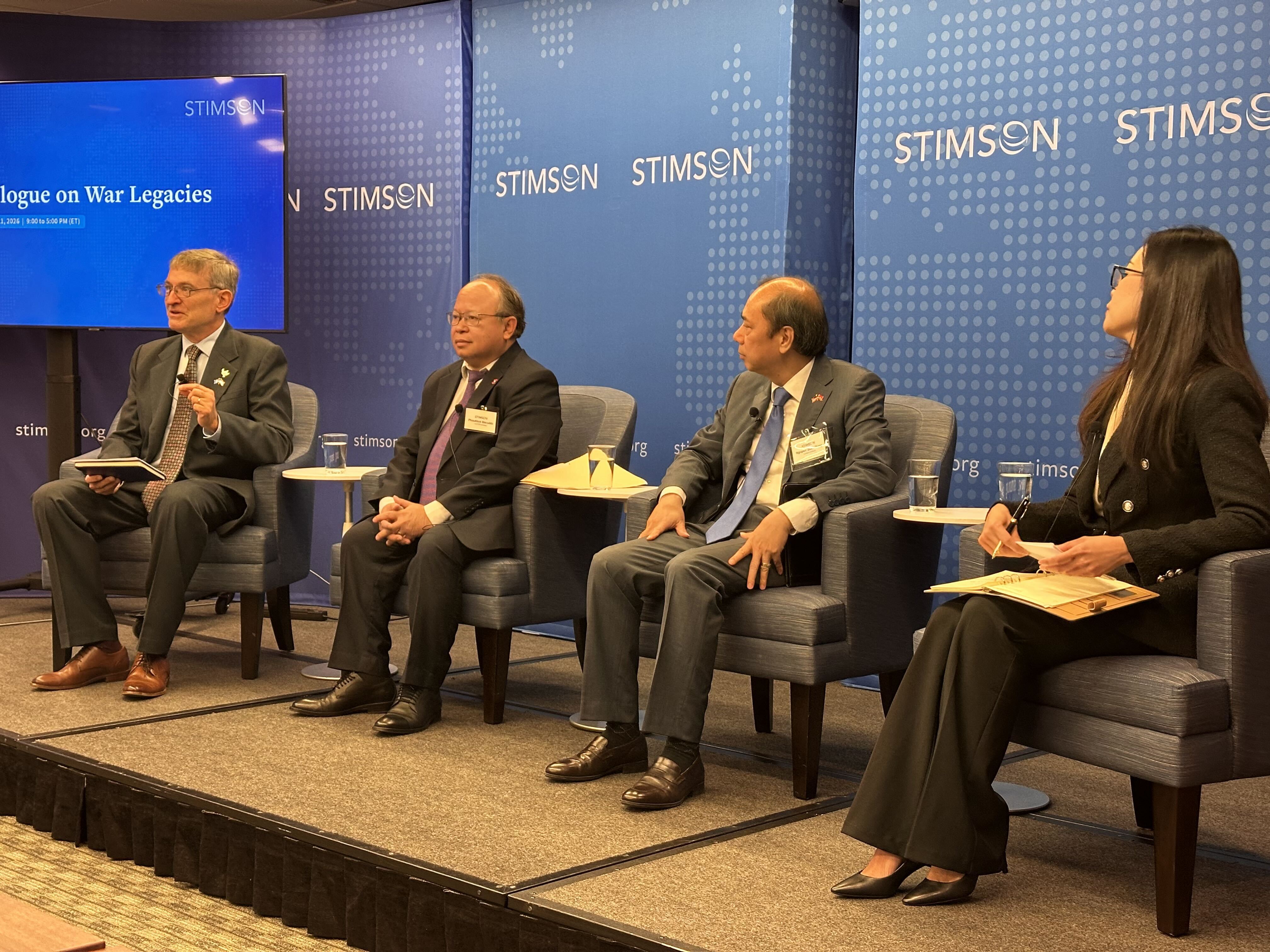
Ambassadors’ Roundtable: Perspectives from the Region
Senior representatives of the Lao, Vietnamese, and Cambodian Embassies presented their country’s situations and domestic efforts to address the consequences of the war in Indochina that severely affected people and the environment in all three countries. The Lao PDR government views UXO action as a humanitarian and development challenge that is integrated into all national development plans. In November, Laos and the United States will mark the 10th anniversary of a Comprehensive Partnership that includes UXO clearance, survivor assistance, and MIA remains recovery. Effective cooperation on all war legacy issues, including Agent Orange, will require sustained and consistent funding as well as technical support.
For Vietnam, cooperation with the United States on dioxin remediation, UXO clearance, and the search for missing personnel from both sides is a foundation of reconciliation and mutual trust and a key pillar of the Comprehensive Strategic Partnership. The Vietnamese government takes a proactive approach to keeping operations running without interruption and supporting nearly 300,000 persons affected by Agent Orange. In October 2025, Vietnam and the United States signed a comprehensive MOU to ensure continuity in war legacy cooperation, which has led to additional agreements on dioxin remediation at Bien Hoa Air Base and assistance to persons with disabilities.
Cambodia’s journey to postwar peace and recovery have come about through a process of national reform and reconciliation. The government addresses humanitarian consequences of war through clearing mines and UXO, supporting survivors and restoring public services with U.S. support. The recent border conflict with Thailand has added new challenges and placed extra pressure on Cambodian clearance teams. Having received international assistance, Cambodia now contributes peacekeepers and technical skills to other conflict-affected countries.
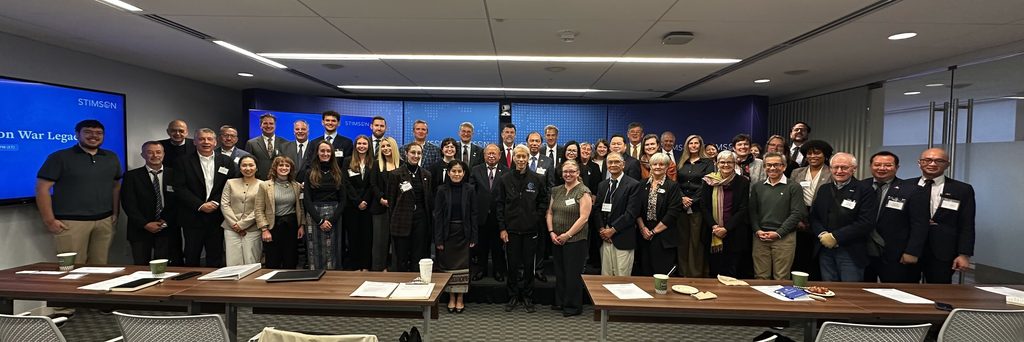
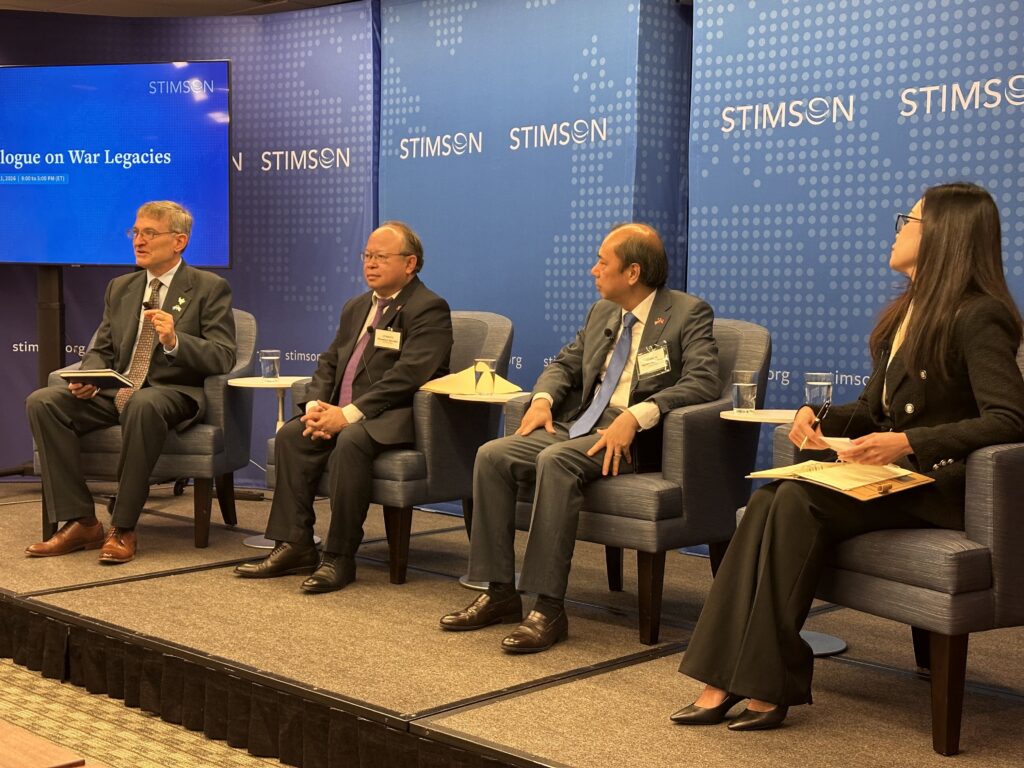
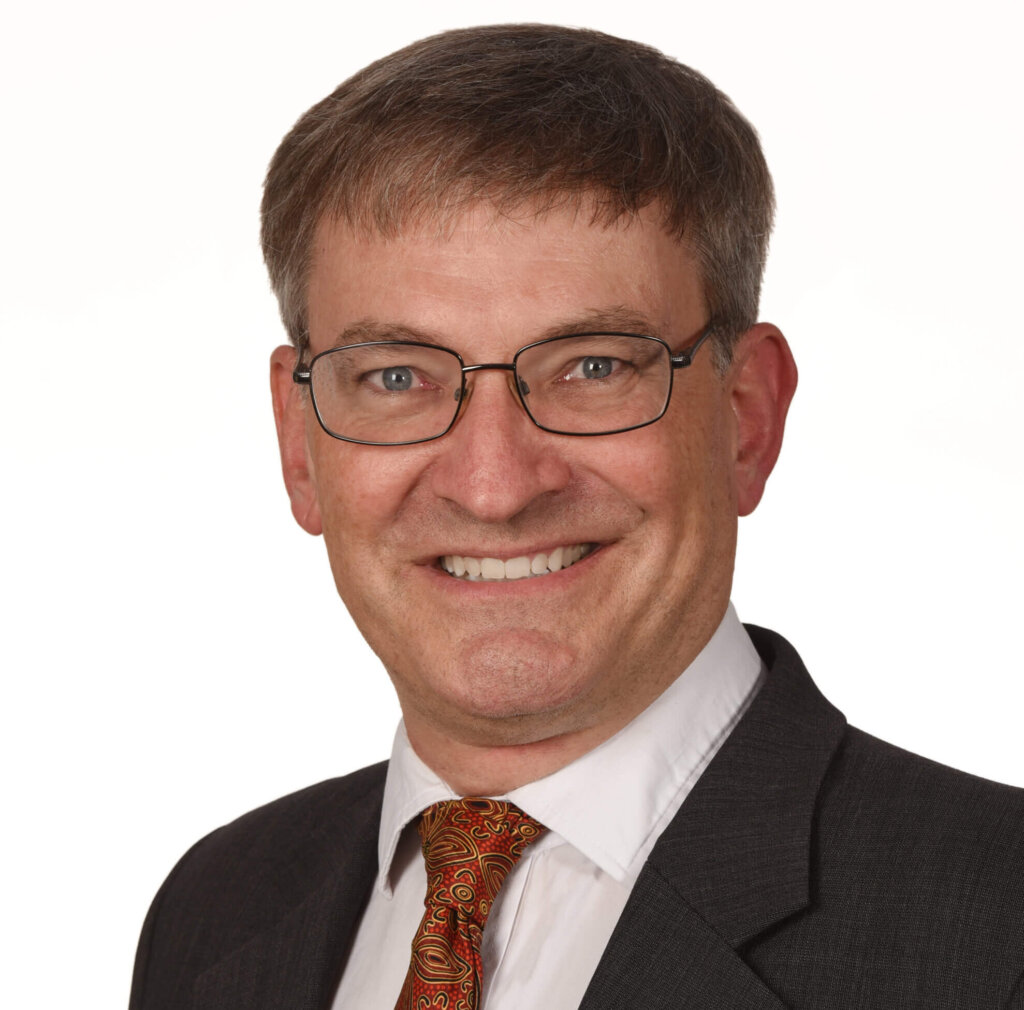
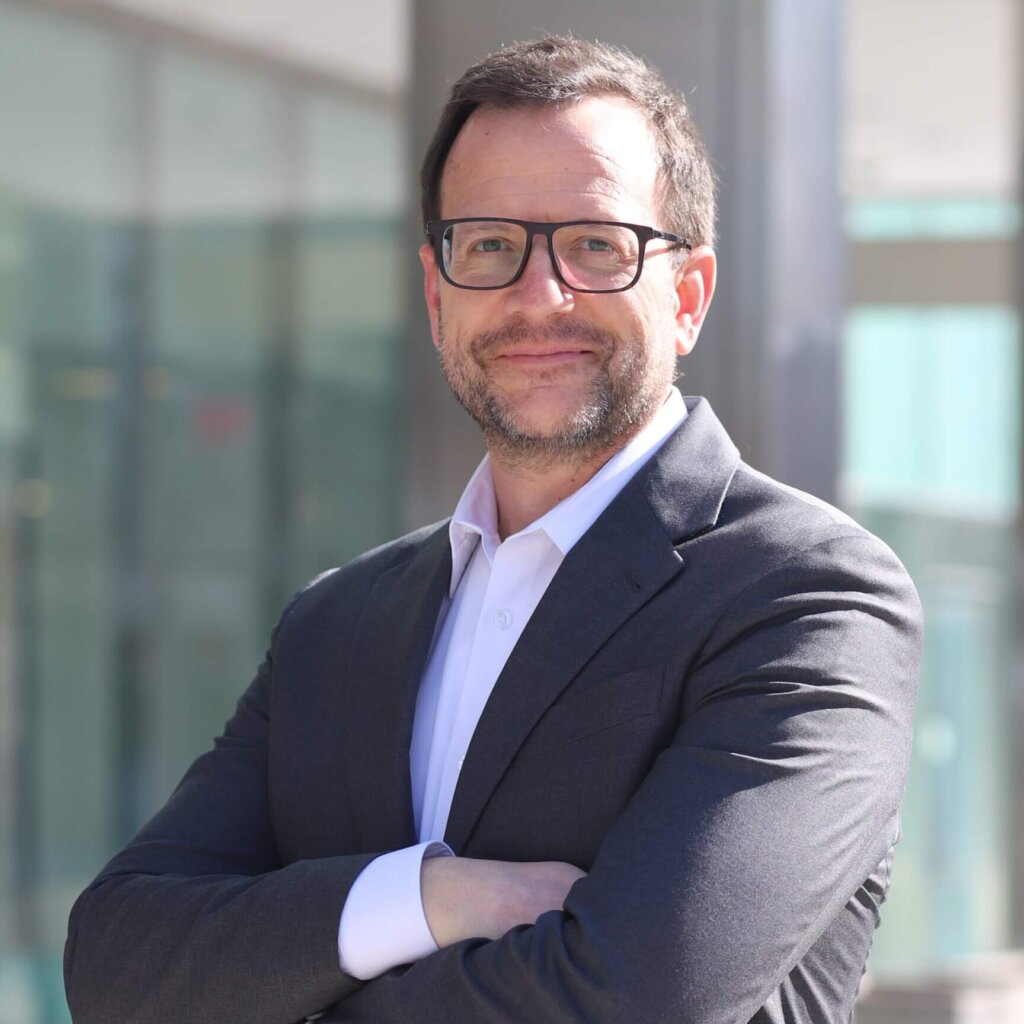
Participants in the Dialogue on War Legacies at the Stimson Center on October 21, 2026 included Lao Ambassador Phoukhong Sisoulath, Vietnamese Ambassador Nguyen Quoc Dzung, and Cambodian DCM Tan Solita.
U.S. Support for War Legacy Programming
For decades, the United States has invested in UXO clearance, assistance to communities affected by Agent Orange, and efforts to account for missing service members in Southeast Asia. Since 1993, the United States has provided more than $5 billion in conventional weapons destruction assistance across more than 125 countries and areas, including substantial investments in Vietnam, Laos, and Cambodia. These efforts have saved lives, supported economic development, and helped strengthen relationships with countries that were once our adversaries. In addition, Track II citizen diplomacy programs bring veterans, family members, and young people to Asia to see the effects and results firsthand, creating connections that extend beyond government-to-government relationships.
War legacy programs have received bipartisan support from Congress and U.S. administrations, including the Trump administration. However, the cancellation of most USAID funds and temporary suspension of other U.S. foreign assistance in 2025 has affected implementers in Southeast Asia and threatened broader progress towards trust and reconciliation. Advocacy by supporters in Congress and WLWG members contributed to restoring many of these programs.
In fiscal year 2026, UXO clearance assistance through the State Department’s Office of Weapons Removal and Abatement continued in all three countries, as did dioxin remediation at Bien Hoa Air Base in southern Vietnam. In Vietnam, most disability assistance related to Agent Orange and UXO survivors has resumed. In Laos, however, USAID disability programming was cut in 2025 along with the end of a Congressional appropriation for Agent Orange assistance and testing.
Dialogue participants agreed that U.S. support will continue to be needed in the next 5-10 years. An end point is in sight in the case of Bien Hoa remediation, scheduled to finish in 2031, but is less obvious for disability assistance. Communicating longer-term goals is important to show what war legacy programs deliver for America.
Clearing and Banning Cluster Munitions
The Third Review Conference of the Convention on Cluster Munitions (CCM) was held from 14-18 September 2026 in Vientiane, Lao PDR. The conference featured survivor testimonies, cultural performances, and discussions of the future of the convention. WLWG members War Legacies Project and Legacies of War held a side event in Vientiane concerning survivor assistance. The selection of Laos to host the Review Conference shows both the progress Laos has made in partial clearance and reduction of casualties, but also how far there is still to go. One positive step that emerged at the Review Conference is increased Lao government interest in testing and assistance to potential victims of Agent Orange, which was used around former U.S. bases and along the Ho Chi Minh Trail.
The “elephant in the room” is continuing use of cluster munitions and landmines in conflicts around the world, from Mali to Thailand. With Lithuania’s withdrawal from the Cluster Munitions Convention and five other countries leaving the Mine Ban Treaty, participants expressed concern that the international stigma against use of these indiscriminate weapons is eroding and compliance processes in the conventions are ignored.
The Search for Missing Personnel
In March 2025, the Vietnamese government announced a new “500 Days and Nights Campaign” (Chiến dịch 500 ngày đêm) with targets of finding 7,000 missing soldiers’ remains and identifying 17,000 unknown remains in cemeteries by 27 July 2027, which is Disabled Veterans and Martyrs Day in Vietnam. The campaign provides resources, media attention, and policy coordination between the Ministry of National Defense and other government agencies. These efforts have already produced results, such as the 731 fallen soldiers found to date in Lê Thị Riêng park in Ho Chi Minh City, honored in a recent nationally-broadcast memorial service.
Vietnam Wartime Accounting Initiative (VWAI) partners are contributing to the 500 Days and Nights Campaign through providing information and artifacts directly to Vietnamese government partners, helping to host Vietnamese delegations to the United States, and linking U.S. veterans and MIA family members to the effort. Recovering remains, whether American or Vietnamese, is a re-enactment of history that helps the living to remember the past.




Community Adaptation for a Water Festival Without Clean Water