
Washington, DC – Today, NOAA Fisheries released an action plan to improve the U.S. Seafood Import Monitoring Program (SIMP), following a year of stakeholder engagement aimed at improving the system that keeps illegal, unreported, and unregulated (IUU) seafood and fish products from entering U.S. markets.
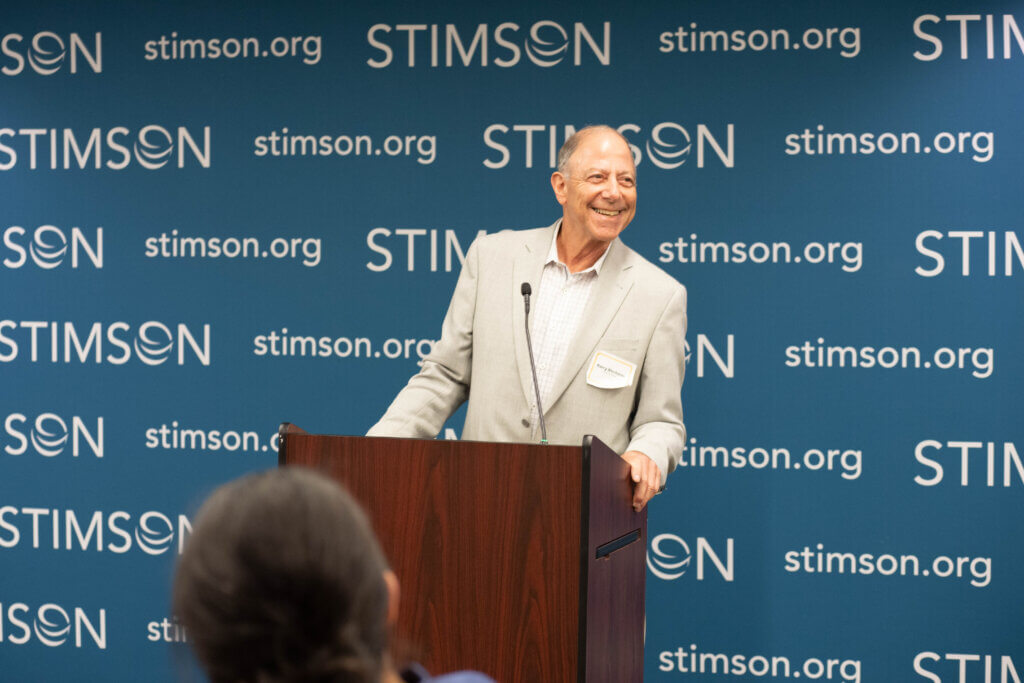
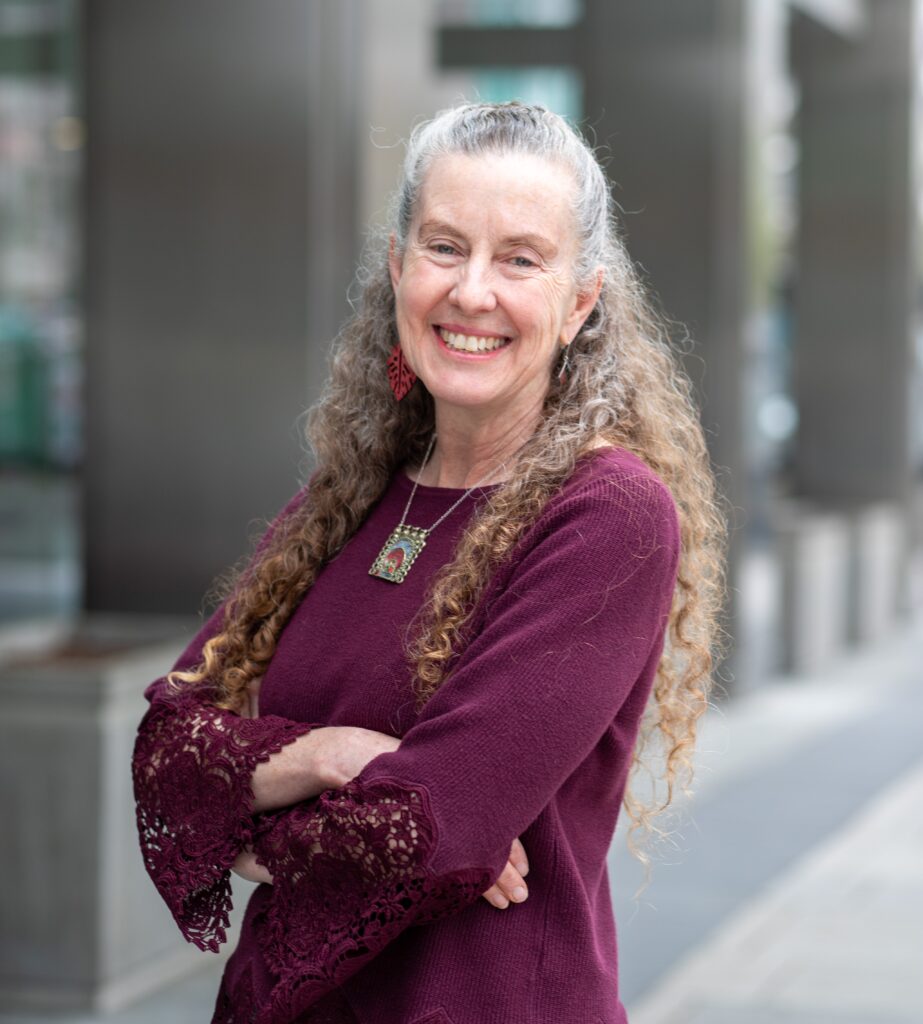
Sally Yozell, Director of the Environmental Security Program at the Stimson Center, responded positively to the plan: “A year ago, stakeholders — including industry and NGOs—raised concerns over proposed changes to SIMP, calling them ineffective and burdensome. Today, I applaud NOAA Fisheries for laying out a new, more constructive plan to combat IUU fishing and forced labor in the seafood supply chain. With over $2.5 billion dollars of illegally caught seafood entering the U.S. each year, a strengthened approach is essential. Three-quarters of U.S. consumers support stronger measures to ensure that their seafood is responsibly sourced and free from forced labor and human rights abuses. This action plan will help meet those demands, allowing for more accurate tracking across the supply chain, safeguarding against illegally imports, leveling the playing field for the seafood industry through targeted risk analytics. These improvements have real potential to make a difference in both the fight against IUU fishing and promoting ethical labor practices. The plan hits many of the key areas needed to improve SIMP, and I am hopeful for more details of the plan in the coming months.”
This year, the Stimson Center’s Environmental Security Program, in collaboration with FishWise, co-hosted workshops with nearly 100 participants — including seafood industry representatives, NGOs, and seven federal agencies, seafood harvesters and processors, trade experts and customs brokers, and academia — to reimagine the future of SIMP. These discussions helped shape NOAA’s action plan, which incorporated many of the recommendations for enhanced seafood traceability and labor rights protections throughout the seafood supply chain. We invite you to read our reports from the workshops:
- Reimagining the Seafood Import Monitoring Program, Workshop I
- Reimagining the Seafood Import Monitoring Program, Workshop II
For further details on our research and specific recommendations, please contact: Madelyn MacMurray at [email protected]



Community Adaptation for a Water Festival Without Clean Water