
Dear Friend,
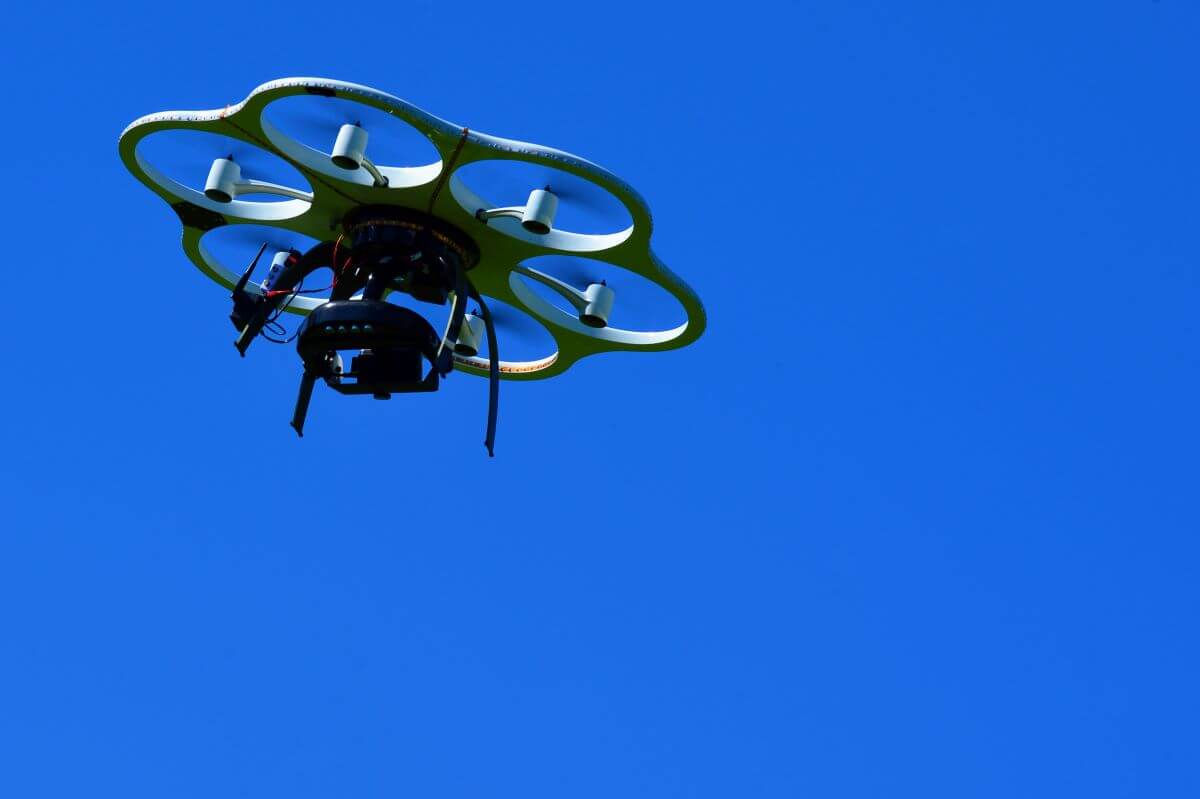
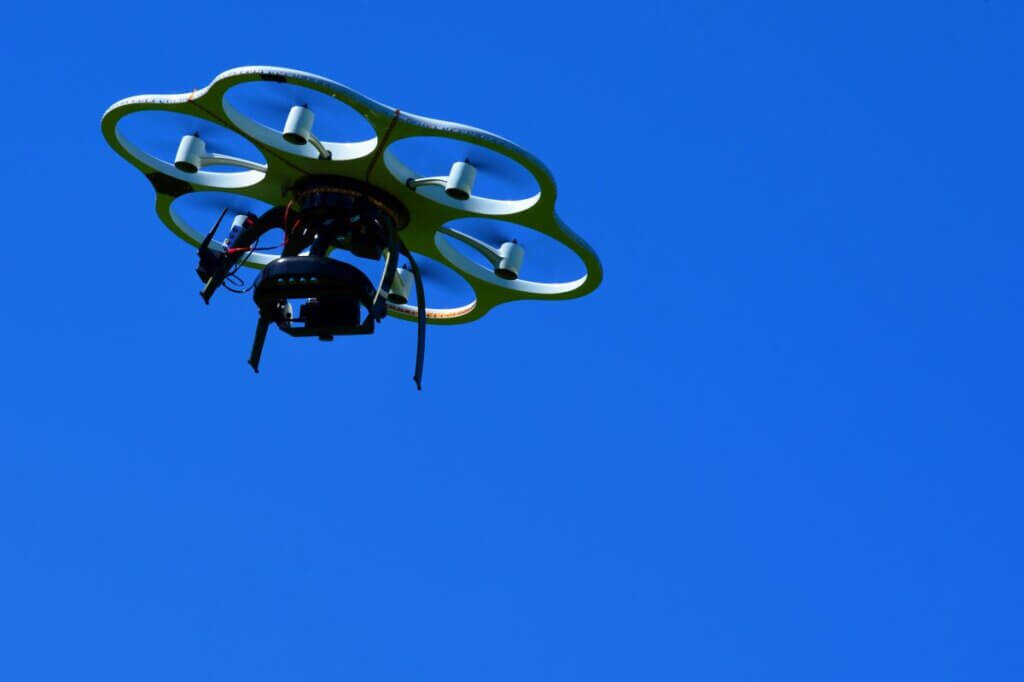
As we embark on 2025, this newsletter reviews the nuclear security headlines of December, 2024, including a drone attack on a convoy facilitating the rotation of International Atomic Energy Agency (IAEA) teams monitoring conditions at Ukraine’s Russian-occupied Zaporizhzhia Nuclear Power Plant (NPP). Drone sightings near New Jersey’s Salem and Hope Creek Nuclear Generating Stations also underscored the nuclear security risks posed by this disruptive technology wherever it is used near nuclear facilities, while other stories highlighted security weaknesses in spent fuel storage at Pilgrim NPP in Massachusetts and North Korean-linked hackers targeting workers at nuclear sites. In the Philippines, meanwhile, authorities recovered 100 kilos of uranium smuggled into the country and the IAEA published a new guidance document as part of its Nuclear Security Series, “Security of Nuclear and Other Radioactive Material in Transport.” Do also review the updates from INSF members on their impactful work that closed out a busy year.
Finally, we would very much appreciate your help as we explore ways to sustain this valuable newsletter and its community throughout 2025 and beyond. Please take this short survey today – only three short questions! It is vital that we hear from you so that we can continue to serve you.
Warmly,
Christina
Director, International Nuclear Security Forum
Join the conversation on X: @INS_Forum
Follow INSF on LinkedIn here
Updates
- FUNDING APPEAL: If you appreciate this newsletter, please consider a donation to ensure sustainability into the future. Donate here and specify where indicated that your gift is intended to support the INSF. Institutional funding for civil society’s nuclear security work is increasingly hard to come by, as many readers already know, and the International Nuclear Security Forum appreciates your support!
Nuclear Security News
Impact: The Russian Invasion of Ukraine
- Update 263 – IAEA Director General Statement on Situation in Ukraine (December 5): “Ukraine’s three operating nuclear power plants (NPPs) have largely restored their electricity production after sharply reducing output [the week of November 25] as a precautionary step due to renewed attacks on the country’s increasingly fragile energy grid, Director General Rafael Mariano Grossi of the International Atomic Energy Agency (IAEA) said today. The NPPs – Khmelnytskyy, Rivne and South Ukraine – have nine reactors, of which eight are currently operating while one is in shutdown. Over the [week of December 2], most of them have gradually increased output again, even though some units operated below full capacity for several days after the military strikes on November 28, which affected electrical infrastructure that is essential for nuclear safety. Still, some of the off-site power lines that the plants use both for receiving and transmitting electricity remain disconnected. ‘A stable electricity grid that provides secure off-site power is essential to ensure nuclear safety at Ukraine’s operating nuclear power plants, which are vital for producing the electricity the country needs, especially during the cold winter months. The operators have demonstrated significant resilience during and after this latest period of grid instability so that these plants can maintain nuclear safety and generate electricity following [the week of November 25]’s output cuts,’ Director General Grossi said. ‘However, the fragile grid situation remains a source of deep concern and we will continue to closely monitor relevant developments, including with follow-up expert visits to the electrical substations on which the nuclear power plants depend. Once again, I call for maximum restraint, so that no action affecting the external power supply and nuclear safety is taken,’ he said.”
- Update 264 – IAEA Director General Statement on Situation in Ukraine (December 10): “A drone hit and severely damaged an official vehicle of the [IAEA] during a rotation [on December 10] of IAEA teams to Ukraine’s Zaporizhzhya Nuclear Power Plant (ZNPP), in what Director General Rafael Mariano Grossi condemned as an ‘unacceptable’ attack on Agency staff working to prevent a nuclear accident during the military conflict. The IAEA staff, one driver and one security officer, who were in the armored vehicle at the time of the incident at 2:05 pm local time were both unharmed, but the rear of the vehicle was destroyed. The incident occurred approximately 8 kilometers from the frontline within Ukrainian controlled territory. The vehicle was in a convoy moving towards the handover point on the frontline to meet the IAEA team that had been stationed at the ZNPP for the past month, as part of the Agency’s efforts to help ensure nuclear safety and security at the site.”
- Update 265 – IAEA Director General Statement on Situation in Ukraine (December 12): “The [IAEA] remains committed to maintaining a presence at Ukraine’s [ZNPP] to help prevent a nuclear accident during the military conflict, despite [the December 10] drone attack on one of its armored vehicles during a regular rotation of IAEA teams stationed at the site, Director General Rafael Mariano Grossi said [on December 12]. The 26th team of IAEA staff sent to the ZNPP since the mission was established more than two years ago began their work to monitor and assess nuclear safety and security at the plant immediately after arriving on [December 10], replacing colleagues who had been there for the past several weeks. The drone strike took place later the same day, targeting an official vehicle – with the IAEA logo clearly visible – that formed part of a convoy preparing to pick up the departing IAEA team at a handover point on the frontline. No one was harmed in the attack. ‘This […] attack was a stark reminder of the potential dangers our staff are facing as they carry out their important nuclear safety and security work in an active war zone. They deserve all our sincere gratitude for helping to keep the Zaporizhzhya Nuclear Power Plant safe,’ Director General Grossi said. The drone used was of a model designed to explode on impact, leaving no discernible debris to be recovered for an investigation into the incident.”
- Amid Russian Bombing, Ukraine is Planning More Nuclear Reactors (December 12): “Russian missiles have knocked out roughly half of Ukraine’s pre-war electricity-generation capacity. But because Russia has refrained from blowing up nuclear reactors, nearly 60% of Ukraine’s electricity production is currently nuclear—even though the country’s (and Europe’s) biggest plant, in Zaporizhia, was occupied by Russia in 2022 and is now shut down. Without nuclear reactors, says German Galushchenko, the energy minister, Ukraine’s grid ‘would not survive’. In what would be a first for a country under assault, Ukraine now aims to install more of them. Initial construction has begun. At Khmelnitsky, a plant in western Ukraine with two existing reactors, connections are being built to a ‘shovel ready’ area where four more reactors are planned, says Elias Gedeon of Westinghouse, an American partner on the project. Westinghouse is to provide two reactors. The other two, of Russian design, are to be purchased for $600m or so from Bulgaria, where they were mothballed after a project fell apart in 2012. Haggling continues, but Mr. Galushchenko says Russian meddling in Bulgaria has so far failed to scuttle the deal.”
- Update 266 – IAEA Director General Statement on Situation in Ukraine (December 13): “Most of Ukraine’s operating nuclear power reactors once again reduced their electricity output early [on December 13] following renewed attacks on the country’s energy infrastructure, further underlining persistent risks to nuclear safety during the military conflict, Director General Rafael Mariano Grossi of the [IAEA] said. For the third time in less than a month, several units of the Khmelnytskyy, Rivne and South Ukraine [NPPs] lowered their power levels during widespread military activities in the country, while air raid alarms sounded at the three sites, Director General Grossi said. One of the IAEA teams deployed in Ukraine was forced to shelter and reported hearing explosive detonations at mid-distance. Additionally, the team at the South Ukraine NPP was informed that military objects were observed flying approximately 300 meters from the site. ‘Our teams deployed in Ukraine have witnessed how the growing instability of Ukraine’s power infrastructure, as a result of frequent military attacks in recent months, is impacting the ability to safely operate the country’s nuclear power plants,’ Director General Grossi said.”
- Update 267 – IAEA Director General Statement on Situation in Ukraine (December 18): “An [IAEA] team is in Ukraine this week to assess the nuclear safety impact of recent attacks on its increasingly fragile energy infrastructure, travelling to seven electrical substations on which the country’s [NPPs] depend to safely generate electricity, Director General Rafael Mariano Grossi said [on December 18]. NPPs need reliable connections to the grid both to deliver the electricity they produce and to receive off-site power for reactor cooling. But repeated attacks on Ukraine’s energy infrastructure, including the substations, have weakened its electrical grid and reduced its ability to provide stable off-site power to the NPPs, potentially endangering nuclear safety. Based on the IAEA’s safety standards, the seven indispensable pillars of nuclear safety and security that Director General Grossi outlined early during the military conflict stressed that ‘there must be secure off-site power supply from the grid for all nuclear sites.’”
International Architecture
- IAEA Completes International Physical Protection Advisory Service Mission in Romania: “An [IAEA] team of experts today completed an International Physical Protection Advisory Service (IPPAS) mission in Romania. The IPPAS mission was conducted from 2 to 13 December and was hosted by Romania’s National Commission for Nuclear Activities Control (CNCAN). The ten-person team evaluated the country’s nuclear security regime for nuclear material and nuclear facilities. The scope of the mission also included reviews of physical protection and computer security measures in nuclear facilities, and physical protection during transportation of nuclear material. As part of the review, the IPPAS team visited the Cernavoda Nuclear Power Plant and the Pitesti Nuclear Fuel Plant in Mioveni. Romania operates two nuclear power units at Cernavoda, which supplied about 19 per cent of the country’s total energy in 2023. Romania is also planning to expand its nuclear power program.”
- Nuclear Security in Armenia Strengthened – IAEA: “Nuclear security in Armenia has strengthened, experts at the International Atomic Energy Agency said after the agency’s monitoring carried out at the invitation of the Armenian government and the Armenian State Committee for Nuclear Safety Regulation, as Hayastani Hanrapetutyun reports. The aim of the monitoring was to see how […] Armenia applied the IAEA’s recommendations. The experts saw progress in improvement of nuclear security infrastructures. They say Armenia has taken a number of important steps in this direction since 2015. Ashot Martirosyan, head of the Armenian State Committee for Nuclear Safety Regulation, said that the IAEA has come up with some proposals for improvement of the regulator’s infrastructure.”
Weapons, Materials, and Facilities
- NRC Finds Apparent Security Violations at Pilgrim: “Inspectors from the [U.S.] Nuclear Regulatory Commission (NRC) have found apparent violations in the security measures being used to protect the spent fuel storage area on the grounds of the Pilgrim Nuclear Power Station. The problems were found in early November, according to a Nov. 26 letter to Holtec International, which now owns the plant, from Paul Krohn, the director of the NRC’s Radiological Safety and Security Division. That notification letter is publicly available, but details of the violations are not, because the infractions relate to security, according to the letter. The inspection examined activities related to Holtec’s physical security plan for the area where radioactive spent fuel rods used during Pilgrim’s five decades of operation are stored in mammoth steel and concrete casks. The inspectors looked at procedures and records, conducted interviews with personnel, and observed security activities. Based on the results of that inspection, “escalated enforcement action” is being considered, the letter says.”
- Drones Spotted Flying Near Nuclear Power Plants in Salem County: “A drone sighting was reported [December 14] near two PSE&G nuclear power plants in Salem County. A company spokesperson made a statement in response to the incident. It read in part, ‘PSE&G is aware of reports of drones flying over the Salem and Hope Creek Nuclear Generating Stations. We have contacted the appropriate authorities.’ The spokesperson also said, ‘the safety and security of our employees, customers and communities are our top priority and we will continue to work with authorities.’”
Threats
- 3 Arrested for Illegally Selling Uranium: “Authorities on [December 9] confirmed the arrest of 3 people who allegedly smuggled uranium into the Philippines and illegally sold it. The National Bureau of Investigation (NBI) said it arrested a certain Mae ‘Madame Mae’ Vergel Zagala and Arnel Gimpaya Santiago last October 18, 2024, in an entrapment operation in Pasay City, leading to the recovery of 20 kilograms of metal bars and 3 kilograms of black powder, all positive for Uranium-235 and Uranium-238. After 10 days, Zagala’s partner, Roy Vistal was arrested in Cagayan de Oro City. ‘The Philippine Nuclear Research Institute (PNRI) discovered that Vistal’s residence in Pasay City is heavily contaminated with an undeterminable quantity of depleted Uranium powder. As part of PNRI’s safety protocols, the area is currently undergoing decontamination procedure before its release to the owners,’ the NBI said in a press release. Uranium is a heavy metal sought after by terror organizations as it could be used to create weapons like dirty bombs and shields, the NBI said. It said it recovered 100 kilos of uranium from various locations where it was stored by the suspects.”
- Missing Baggage? Alert Lifted After Missing Radioactive Package Found at Madrid Airport: “The Spanish Nuclear Safety Council (CSN) reported that a transport package containing four radioactive selenium-75 sources, which had been lost, has been located ‘in perfect condition.’ The discovery was made at the cargo terminal of Adolfo Suárez Madrid-Barajas International Airport, according to EL PAÍS. The package, identified as a B(U) type container model NE4C, had been missing after its expected arrival from Prague. ‘The holder of the facility to which the package was directed notified the CSN that it had been located and that it should have been delivered last Friday from Prague,’ a CSN statement cited by EL PAÍS indicated. Prior to its recovery, the disappearance of the package had raised concerns due to the nature of its contents. The transport package housed four encapsulated radioactive sources of selenium-75 (Se-75), a radioactive isotope with applications in the field of industrial radiography, as reported by Diario AS. The CSN had sent a team of three inspectors to Barajas Airport to verify whether the package had arrived and to gather more details about the incident, according to La Vanguardia.”
- Lazarus Group Spotted Targeting Nuclear Engineers with CookiePlus Malware: “The Lazarus Group, an infamous threat actor linked to the Democratic People’s Republic of Korea (DPRK), has been observed leveraging a ‘complex infection chain’ targeting at least two employees belonging to an unnamed nuclear-related organization within the span of one month in January 2024. The attacks, which culminated in the deployment of a new modular backdoor referred to as CookiePlus, are part of a long-running cyber espionage campaign known as Operation Dream Job, which is also tracked as NukeSped by cybersecurity company Kaspersky. It’s known to be active since at least 2020, when it was exposed by ClearSky. These activities often involve targeting developers and employees in various companies, including defense, aerospace, cryptocurrency, and other global sectors, with lucrative job opportunities that ultimately lead to the deployment of malware on their machines. ‘Lazarus is interested in carrying out supply chain attacks as part of the DeathNote campaign, but this is mostly limited to two methods: the first is by sending a malicious document or trojanized PDF viewer that displays the tailored job descriptions to the target,’ the Russian firm said in an exhaustive analysis.”
Security Culture
- New IAEA Publication on the Security of Nuclear and Other Radioactive Material in Transport: “A new IAEA publication on the security of nuclear and other radioactive material in transport has been released. “It is essential that nuclear and other radioactive material is managed securely and is properly protected against criminal or intentional unauthorized acts during their transport,” said Heather Looney, Head of the Nuclear Security of Materials and Facilities Section in the IAEA’s Division of Nuclear Security. “Transport-related incidents account for more than 50 per cent of all thefts reported to the IAEA’s Incident and Trafficking Database since 1995, which highlights the importance of strengthening transport security measures,” she added. The publication is designed to assist countries in establishing robust transport security measures against potential threats such as theft or sabotage. Such measures range from administrative procedures, to protecting the confidentiality of transport routes and operations, to the physical protection of shipments. The guidance is aimed at those responsible for transport security, including law enforcement, customs and border control, intelligence and security agencies, as well as operators, shippers and others.”
Emerging Technologies
- Virtual Reality Gives New Vision to Nuclear Reactor Security: “Simulated populations, virtual reality and non-player characters sound like components of a modern video game. In fact, a team of researchers at the Department of Energy’s Oak Ridge National Laboratory is using virtual reality to understand normal and abnormal human behavior in a given location – specifically, a nuclear reactor. “The overarching vision is to proactively prepare for insider threats in secure facilities such as nuclear reactors, fuel depots and other critical infrastructure,” said Gautam Malviya-Thakur, an ORNL group leader in location intelligence. “We intend to help situationally understand the underlying patterns of where people go in secure facilities: what paths they take, how much time they spend, what areas they access, and when and if they have the credentials to be there.” As people move around their lives, communities, even their homes, they tend to do similar activities in the same locations, creating a predictable blueprint for how they spend their days. Normal behavior makes it easier to detect anomalous behavior, such as if a worker decided to do something they weren’t authorized to do.”
Member Organization Announcements and Updates
Bellona Foundation
- Bellona editor and journalist Charles Diggs published an opinion essay in The Moscow Times, “The IAEA Must Do More to Stand Up to Russia’s Attacks on Nuclear Power Plants”. It discusses the challenges and opportunities the IAEA faces with Ukraine’s NPPs following Russia’s invasion in 2022. Read the piece.
- Bellona’s 2024 report, “The IAEA’s Role in Times of War” explores these themes further, arguing that, while the IAEA has been intermittently successful in its attempts to provide a public facing front for concern about conditions at the Zaporizhzhia plant, its existence alone is not sufficient to prevent attacks on civilian nuclear facilities. The international community must work to reform our common nuclear security policies to protect civilian atomic facilities from becoming the spoils of—or weapons in—international conflicts. Read the report.
- A presentation on this report will occur on January 23 (GMT+2) during which the report will be presented by its author, Bellona’s nuclear expert Alexander Nikitin. There will be translation into English and an opportunity for attendees to ask questions. View the presentation on Bellona’s YouTube channel.
- On January 27 (GMT+1), Bellona will host a side event at the Arctic Frontiers Conference titled “The Russian Arctic at War: What Do We Know and What Can We Expect?”. Bellona experts, including Dmitry Gorchakov, will discuss various aspects of risks in the Russian Arctic, including nuclear-related risks. An online broadcast of the event is expected. Find out more about the side event and conference.
- Bellona has published their October nuclear digest with a survey of events in the field of nuclear and radiation safety relating to Russia and Ukraine. Read the digest.
Nuclear Transport Solutions
- Nuclear Transport Solutions (NTS) has been awarded £10.5 million to spearhead the development of transport capabilities for the UK’s future use of High-Assay Low-Enriched Uranium (HALEU) – an innovative form of fuel, which will be used in new nuclear developments. The investment, by UK government, means NTS’s world-leading transport expertise will be used to significantly bolster the UK’s ability to meet its future low-carbon energy needs. Read about the award.
Odesa Center for Nonproliferation
- Ali Alkis recently presented “Nuclear Piracy: Weaponization of Nuclear Facilities” at Bradford University’s first Interdisciplinary Nuclear Disarmament Symposium on December 6, 2024. During the presentation, Ali emphasized the importance of protecting nuclear facilities and outlined the potential consequences of radioactivity caused by military actions. He also addressed why such facilities might be targeted in the future and highlighted NATO’s role in mitigating nuclear security threats. Read about the symposium.
Individual Member Updates
- Professor Tom Sauer of Universiteit Antwerpen, Belgium has published a new paper, “The Potentially Revolutionary Impact of Emerging and Disruptive Technologies and Strategic Conventional Weapons on the Nuclear Deterrence Debate” in EU NPDC paper no.91, December 2024. Read the paper.
- Artem Lazarev from the CBRN Terrorism Prevention Programme of the UN Office on Drugs and Crime (UNODC) shared that:
- On November 26-28, 2024, UNODC conducted a regional capacity-building event for Central Asian countries on the International Convention for the Suppression of Acts of Nuclear Terrorism (ICSANT) with a focus on criminal investigations and mock trials. The event brought together 35 participants representing supreme courts, police, prosecution authorities, national security entities, nuclear regulatory authorities and other relevant officials from Kazakhstan, Kyrgyzstan, Tajikistan, Turkmenistan and Uzbekistan. The event was funded by the Government of Canada. Read about the capacity building event.
- On December 3, 2024, Seychelles deposited its instrument of ratification of ICSANT with the United Nations Secretary-General. On January 2, 2025, the country became the 126th party to the Convention. Read about the instrument of ratification.
- On December 6, 2024, UNODC gathered over 20 national stakeholders from Suriname at a national workshop to promote ICSANT. Co‑organized with the Government of Suriname and funded by the Government of Canada, the event was opened by Ms. Krishnakoemarie Mathoera, Minister of Defence. Find out more about the workshop.
Opportunities
- The Herbert Scoville Jr. Peace Fellowship Program invites recent college and graduate school alumni to apply for full-time, six-to-nine-month fellowships in Washington, DC. Outstanding individuals will be selected to work with nonprofit, public-interest organizations addressing peace and security issues. Applications are especially encouraged from candidates with a strong interest in these issues who have prior experience with public-interest activism or advocacy. Scoville Fellows will choose to work with one of the twenty-five organizations participating in the program. With the assistance of alumni, board, and staff, fellows will select a placement which best matches their interests and the needs of the host organization. Participating organizations provide office space and support, supervision and guidance for fellows’ work. With the exception of Congressional lobbying, fellows may undertake a variety of activities, including research, writing, and organizing that support the goals of their host organization. Read more.
- GDIT and the U.S. Department of State are seeking a Program Advisor to oversee international capacity-building trainings aimed at addressing pressing nuclear security, proliferation, safety, and sovereignty challenges posed by aggressive civil nuclear reactor exports. This FIRST Program Advisor will serve as an on-site/hybrid contractor at the Department of State and assist CTR in developing, managing, and coordinating FIRST and civil nuclear security capacity-building efforts. The Program Advisor will be responsible for providing programmatic, financial, and technical oversight to assigned projects and activities while actively contributing to strategically advancing the FIRST team’s objectives and programming. Read more.
- The David Rockefeller Studies Program at the Council on Foreign Relations (CFR) is seeking to hire a Stanton Nuclear Security Senior Fellow. The fellow will be expected to conduct original research on nuclear security policy, which includes nuclear terrorism, nuclear proliferation, and nuclear weapons, and as it relates to nuclear security, nuclear energy. This is an extraordinary opportunity for an individual looking to shape new thinking and creative policy solutions on the spread of nuclear weapons to unstable and hostile states, the collapse of arms control and risk of conflict between nuclear-armed nations, the importance of nuclear weapons in great power competition, and the impact of new technologies such as AI and quantum on the nuclear balance. Read more.
- The Partnership for Global Security (PGS) is seeking applicants for their Research Internship. The intern will primarily focus on researching nuclear security, nuclear energy, and transnational governance issues. Current research projects that interns will support include: exploring the nexus of climate change, nuclear power growth and global security; understanding the growth of nuclear energy in the Middle East and East Asia; tracking the evolution of nuclear security policies and governance structures; using existing voluntary frameworks as a model for nuclear security governance structures; and examining cybersecurity and other potential threats prompted by new technology developments. Read more.
- The Partnership for Global Security (PGS) is seeking candidates for the Della Ratta Global Energy and Security Fellowship. This is a $15,000 stipend-supported six-month position. The applicant’s term will run from January-June 2025. The Della Ratta Fellowship is a unique opportunity for early career candidates to develop the skills and experience that are necessary for a rapidly evolving technological, security, and geopolitical environment. The primary focus is on addressing the intensifying intersection of nuclear energy and commerce, climate change, global security, geopolitics, and international energy security. Read more.
- The Laboratory of Applied Nuclear Physics (LANPh) is announcing two openings at the level of a postdoc and/or research scientist. The selected scientists will have the chance to work on groundbreaking research in nuclear physics applied to problems in nuclear security, such as arms control, cargo security, and nuclear detection. The principal duties include contributing to existing projects at LANPh in leading/co-leading roles’ guiding graduate and undergraduate students in their research, designing experiments and new engineering concepts, and co-authoring papers and proposals.Read more.
- The Nuclear Threat Initiative is seeking a Director, with a focus on Nuclear Energy, to join the Nuclear Materials Security (NMS) team. This position reports to the Vice President for NMS. This is a full-time hybrid position, working a minimum of three days a week in our Washington, DC office. Read more.
- The Raymond Frankel Nuclear Security Policy Fellowship provides an opportunity for an early-career professional with training in security studies or nuclear policy to learn about a career in public policy and administration. Reporting to the Chief Program Officer, the Fellow will assume primary responsibility for one or more workstreams within the Academy’s nuclear and global security portfolio. They will work in close coordination with Academy staff, the Academy’s Committee on International Security Studies (CISS), and project chairs to steward and advance the work of this program area. Read more.





Community Adaptation for a Water Festival Without Clean Water