On the morning of August 26, 2026, a massive block of the mountainside and glacial ice broke off from the north side of the Langtang range in Nepal, creating a rock-ice avalanche that plummeted north into the Lhende River. As the avalanche surged downstream, it created a massive debris-laden flood torrent that surged through the Nepal-China border at Rasuwagadhi and swept down the Bhotekoshi / Upper Trishuli River corridor — some are referring to this event as a “Himalayan tsunami”. This is the deadliest extreme flow disaster among several that have occurred in Nepal in recent years — with over 1,350 people confirmed dead (as of September 10th) and nearly 5,000 others who still remain missing.
This event will examine the disaster and its evolving aftermath, analyzing the event and its impacts and unpacking some of the key issues that will shape patterns of recovery and planning. Speakers will place this disaster within a broader context and consider other extreme flow events that have occurred in the Himalayan region in recent years (see Related Content below), including last year’s supraglacial flood along the same river. There will be a discussion around ongoing attempts to assess impacts, contributing factors, and lingering risks — as well as the need to develop new approaches to hazard assessment and monitoring that can support the design of improved early warning systems.
As impacted people and authorities begin to shift their attention from immediate response activities like search and rescue and toward early recovery, they must grapple with extremely difficult questions. At the same time, scientists are working to understand the factors that contributed to this disaster; formal processes of climate attribution are ongoing. The Government of Nepal is seeking international recognition of both loss and damage inflicted by this disaster and the increasing level climate-related risks Nepal must face. This disaster and other recent events bring critical questions about the changing dimensions of disaster and climate risk in the Himalayan region to the world stage.
This event exists as part of a Stimson project, Early Warning Systems for Cascading Disasters in Nepal.
Image: Betrawati, Nuwakot (Source: Biraj Pokharel, Stimson Nepal Post-Disaster Assessment)
Featured Speakers
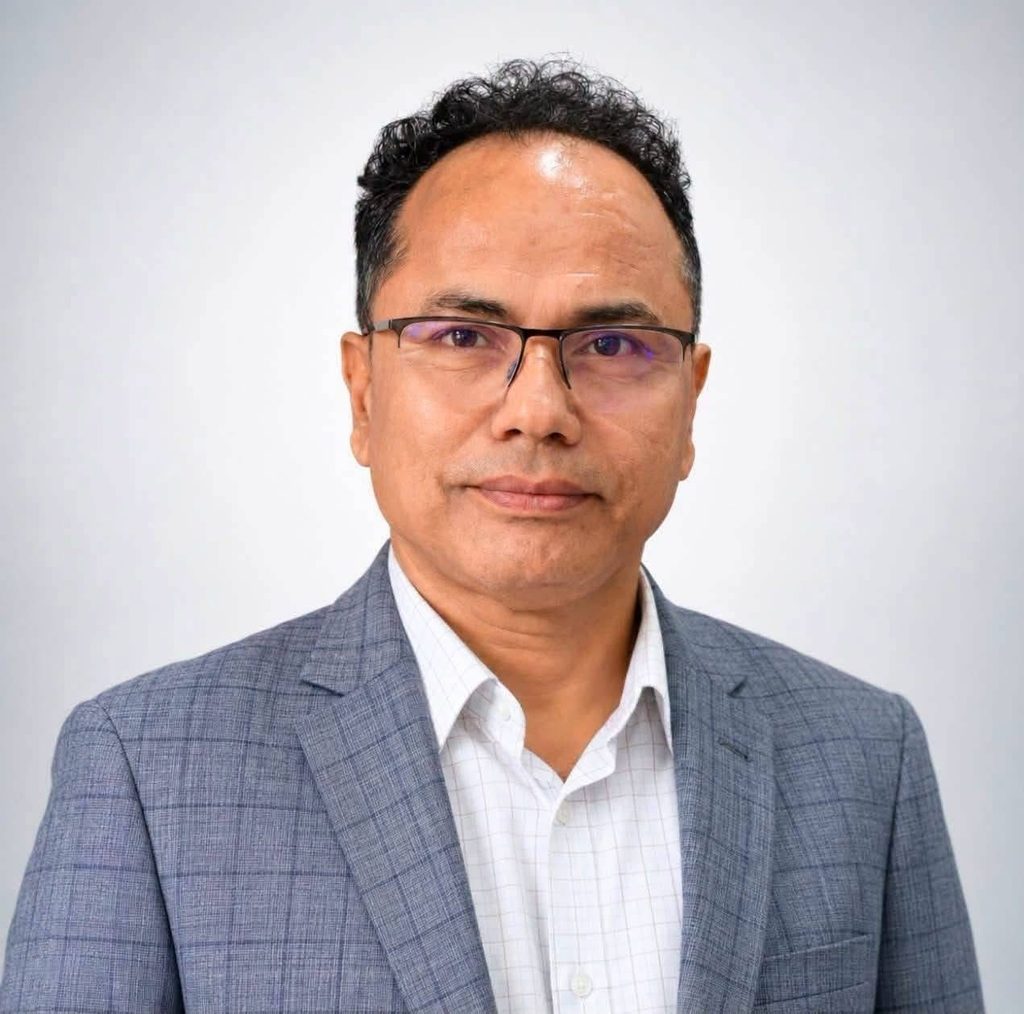
Dr. Dharam Uprety, Chief Executive, Nepal Disaster Risk Reduction & Management Authority (NDRRMA), Ministry of Home Affairs, Government of Nepal (Keynote and Opening Remarks)

Dr. Prakash Pokhrel, Geologist, Nepal Disaster Risk Reduction and Management Authority (NDRRMA), Ministry of Home Affairs, Government of Nepal (Keynote and Opening Remarks)
Dr Prakash Pokhrel’s work focuses on geohazard assessment of disaster-affected areas and contributes to the development of a national multi-hazard risk assessment framework for Nepal. His research interests center on landscape evolution and the reconstruction of extreme disaster events.
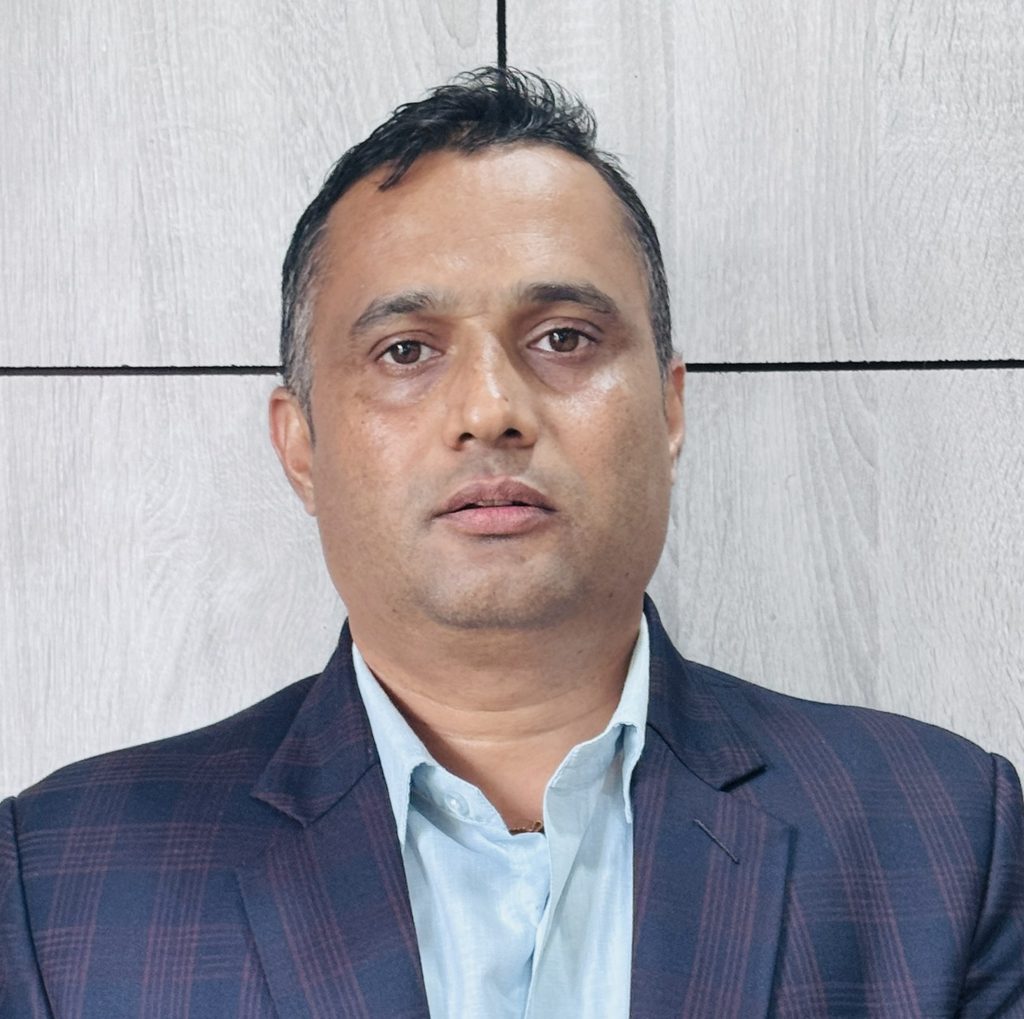
Dr. Basanta Raj Adhikari, Director, Centre for Disaster Studies, Institute of Engineering, Tribhuvan University, Nepal
Dr. Basanta Raj Adhikari is a renowned geohazard expert specializing in cascading and compounding mountain hazards, disaster risk assessment and early warning systems. His extensive research on extreme events, including the 2021 Melamchi debris flow and the recent Rasuwa Bhotekoshi disaster, has enhanced understanding of multi-hazard processes in the Himalayas. Through science-driven innovation and risk-informed solutions, he continues to advance resilience against emerging climate-induced hazards.

Dr. Dan Shugar, Director of the Water, Sediment, Hazards, and Earth-surface Dynamics (waterSHED) Lab, University of Calgary, Canada
Dr. Dan Shugar is a top geohazards researcher whose research focuses on rapid changes in the world’s high mountains. He has worked on glacier-related hazards and disasters in the Himalaya, including the 2021 Chamoli and 2023 Sikkim floods, and in North America, including the 2025 Alaskan megatsunami, and makes considerable effort to communicate science to general audiences through talks, media interviews, documentaries, and podcasts. He is professor of Geoscience at the University of Calgary where he leads the Water, Sediment, Hazards, and Earth-surface Dynamics (watershed) Lab, and is Director of the Environmental Science Program.
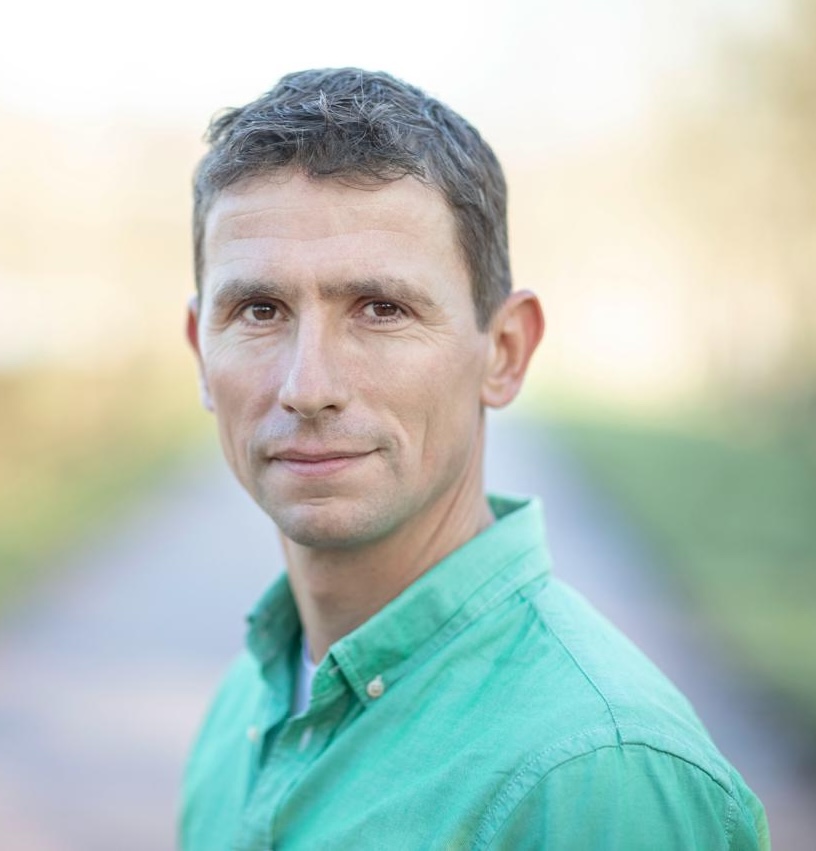
Dr. Walter Immerzeel, Professor, Mountain Hydrology, Utrecht University, Netherlands
Dr. Walter Immerzeel is a leading cryosphere scientist whose research focuses on understanding how climate change affects glaciers, snow, water resources, and natural hazards in high mountain regions, with a particular emphasis on the Himalaya. He has conducted research in Nepal for more than two decades and combines field observations, remote sensing, and hydrological modelling to understand ongoing changes in the region.

Pradip Khatiwada, Founder and Executive Director, Youth Innovation Lab, Nepal
Pradip Khatiwada is a disaster risk reduction, climate resilience, and technology specialist with over 12 years of experience working at the intersection of risk science, geospatial analytics, artificial intelligence, and public-sector decision systems. He is the Founder and Executive Director of Youth Innovation Lab, Nepal, where he leads the development of AI-enabled climate and disaster risk technologies, multi-hazard risk assessment systems, and data-driven decision-support solutions for governments, UN organizations, and development partners. He has also contributed to international initiatives on disaster risk analytics and resilience, including technical work with UNDRR and RiskChanges.
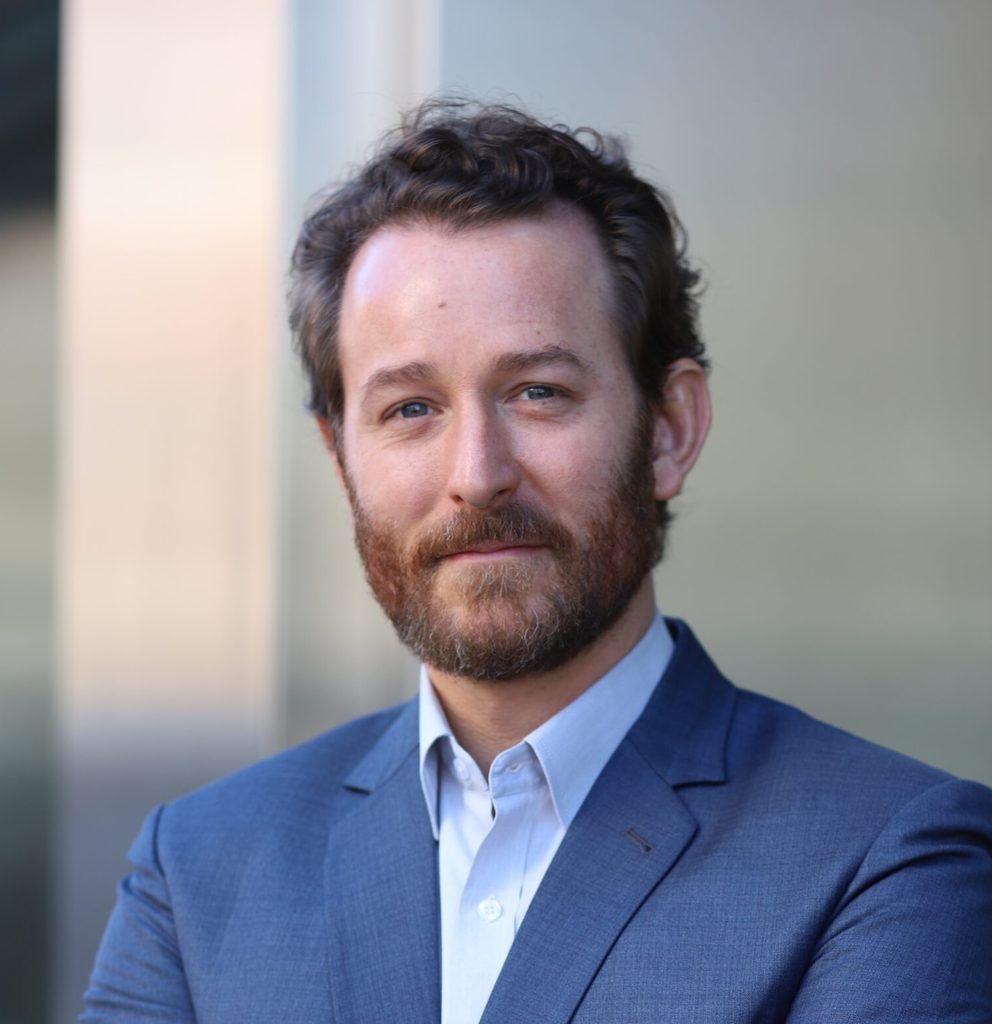
Dr. Austin Lord, Senior Fellow, Energy, Water, and Sustainability Program, The Stimson Center (Moderator)
Related Content
In recent years, the Stimson Center has organized several webinars focused on other Himalayan disasters and, specifically, on the need to develop more comprehensive early warning systems for extreme flow events and other cryosphere-related hazards. If interested, please check out the recordings of these past events:
On Seismic Monitoring for Extreme Flow Events (Sept 2025)
On Early Warning Systems in the Cryosphere (July 2025)
On the 2024 Thame GLOF (Sept 2024)
On the 2023 South Lhonak GLOF and the 2021 Melamchi Disaster (Oct 2023)
Stimson also published a policy brief on August 4, 2026 (before this tragic disaster) which highlighted the lingering impacts of the 2025 flood in this basin, lingering risks, and the need for more comprehensive analysis of transboundary risks in this exact area and other similar corridors across High Mountain Asia.
Acknowledgement: The Stimson Center’s work on disaster and climate risk management in Nepal is currently made possible by support from the Margaret A. Cargill Philanthropies and The McConnell Foundation.