Since the collapse of the last round of summit diplomacy in 2019, North Korea has fundamentally altered its approach to both nuclear negotiations and relations with South Korea. Pyongyang has emphatically rejected denuclearization, expanded its nuclear ambitions, and embraced a new “two-state” policy that challenges longstanding assumptions about the future of the Korean Peninsula.
As Washington and Seoul seek to revive diplomacy with Pyongyang, these shifts raise difficult questions: What can realistically be achieved through renewed negotiations? Which issues demand the most urgent attention? And what opportunities remain to reduce tensions and advance peace and security on the Korean Peninsula?
38 North and the Sejong Institute are pleased to host a half-day seminar examining the challenges and opportunities for diplomacy in this dramatically changed environment.

Featured Speakers
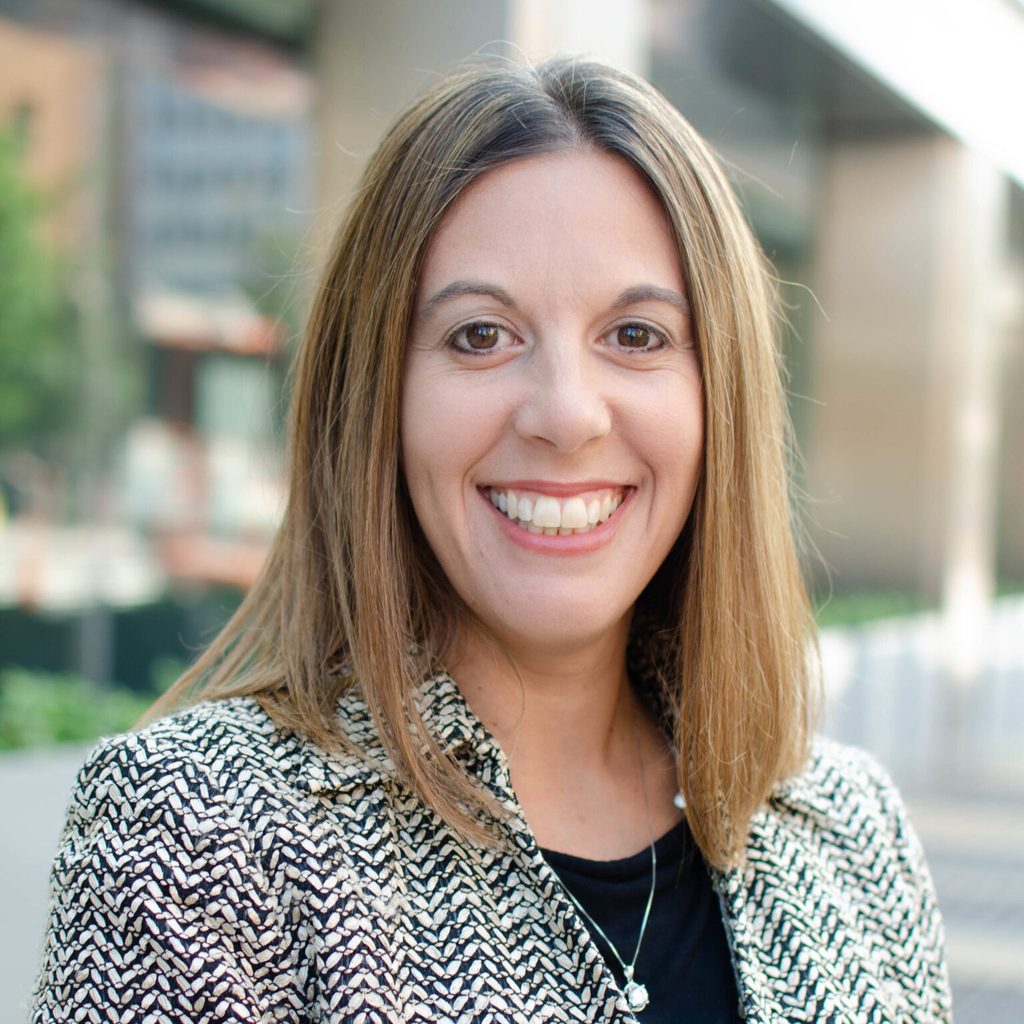
Rachel Stohl, Acting President & CEO, Stimson Center (Introductory Remarks)
Prior to joining Stimson, Stohl was an Associate Fellow at Chatham House, the Royal Institute of International Affairs, from 2009-2011. She was a Senior Analyst at the Center for Defense Information in Washington, D.C. from 1998-2009. Stohl has been a consultant for a variety of international organizations, including Oxfam, Project Ploughshares, SIPRI, the Small Arms Survey, and World Vision. She served as a Scoville Fellow at the British American Security Information Council in D.C. and worked at the United Nations Center for Disarmament Affairs in New York and at the Program for Arms Control, Disarmament, and Conversion in Monterey, CA. Stohl was the consultant to the U.N. ATT process from 2010-2013 and was previously the consultant to the U.N. Group of Governmental Experts (GGE) on the Arms Trade Treaty in 2008 and the U.N. Register for Conventional Arms in 2009.
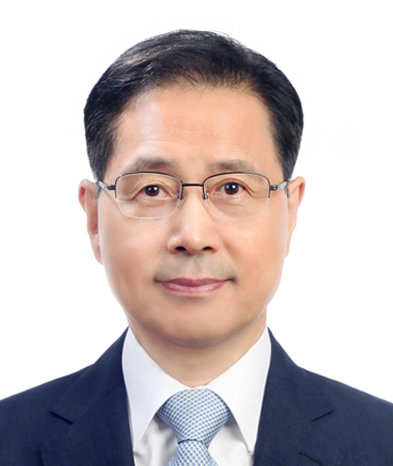
Robyug Park, Chairman, Sejong Institute (Opening Remarks)
Robyug Park served as a diplomat for 38 years in the Ministry of Foreign Affairs of the Republic of Korea (ROK). As a Foreign Service officer, he served at several overseas posts including the United States, Ukraine, and Russia, and held various positions including Director-General in the Foreign Ministry. He served as Ambassador of the Republic of Korea to Ukraine, with concurrent accreditation to Georgia and Moldova, from 2008 to 2011. From 2011, he led the negotiations on the amendment of the ROK–U.S. civil nuclear cooperation agreement as Chief Negotiator, successfully concluding the four-year talks in 2015. He was Ambassador of the Republic of Korea to Russia from 2015 to 2017. Since 2022, he has frequently been invited as a special commentator on TV and radio news channels to explain various aspects of the war in Ukraine.
Panel 1: The Future of Nuclear Negotiations with North Korea
This session will explore the prospects for renewed US-DPRK engagement, including potential objectives, priorities, and negotiating strategies should a new summit become possible.
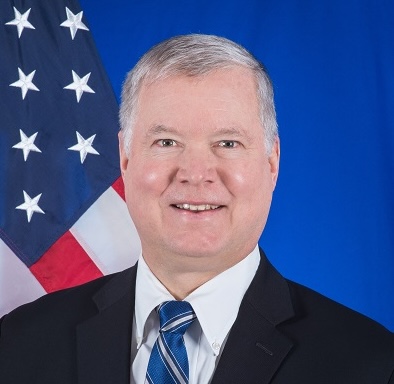
Stephen Biegun, Former U.S. Deputy Secretary of State, U.S. Department of State
Stephen E. Biegun was previously Senior Vice President with The Boeing Company. He has more than three decades of international affairs experience in government and private sector, including service with the Department of State, the White House, and the Congress. In 2021, Mr. Biegun concluded his most recent government service as Deputy Secretary of State, to which he was confirmed by the Senate with a strong bipartisan vote of 90-3. Mr. Biegun began his career as a foreign policy specialist with the United States Congress, with a focus on Russia, the former Soviet Union, and Europe. He served two years as Executive Secretary of the White House National Security Council, serving as advisor to National Security Advisor Condoleezza Rice.
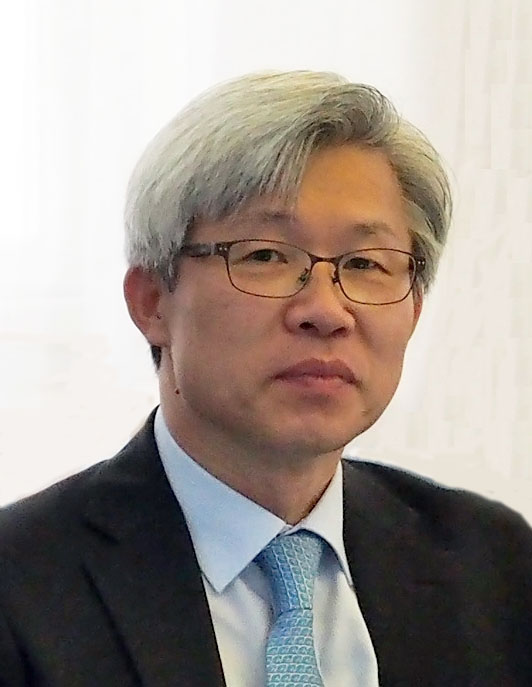
Sang Hyun Lee, Emeritus Senior Fellow, Sejong Institute
Sang Hyun Lee is an Emeritus Fellow of the Sejong Institute, President of the Plaza Project, Visiting Fellow of the National Assembly Futures Institute, Visiting Fellow of Jeju Peace Institute, Visiting Professor, Graduate Institute of Peace Studies, Kyung Hee University. He is also a board member of the Institute of Nuclear Materials Management-Korea (INMM-K), board member of the Asia-Pacific Leadership Network (APLN) for Nuclear Nonproliferation and Disarmament, and Program Director of Seoul Forum for International Affairs. He served as President of the Sejong Institute (2021~2024), researcher at the Korea Institute for Defense Analyses, Director-General for Policy Planning at the Ministry of Foreign Affairs and Trade, a guest researcher at the Stockholm Institute for Security and Development Policy (ISDP) in Sweden, and a visiting researcher at the Stimson Center in Washington, DC.
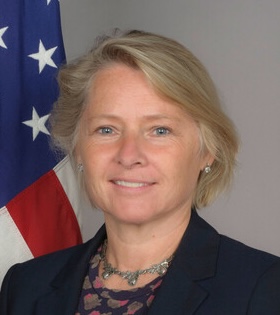
Susan A. Thornton, Trustee & Director of the Forum on Asia-Pacific Security, National Committee on American Foreign Policy
Susan A. Thornton is the Director of the Forum on Asia-Pacific Security at the NCAFP, Visiting Lecturer in Law at Yale Law School and Senior Fellow at the Paul Tsai China Center. In 2018, she retired from the State Department after a 28-year diplomatic career focused primarily on East and Central Asia. In leadership roles in Washington, Thornton worked on China and Korea policy, including stabilizing relations with Taiwan, the U.S.-China Cyber Agreement, the Paris Climate Accord and led a successful negotiation in Pyongyang for monitoring of the Agreed Framework on denuclearization. Prior to joining the Foreign Service, she was among the first State Department Fascell Fellows and served from 1989–90 at the U.S. Consulate in Leningrad. She was also a researcher at the Foreign Policy Institute from 1987–91.
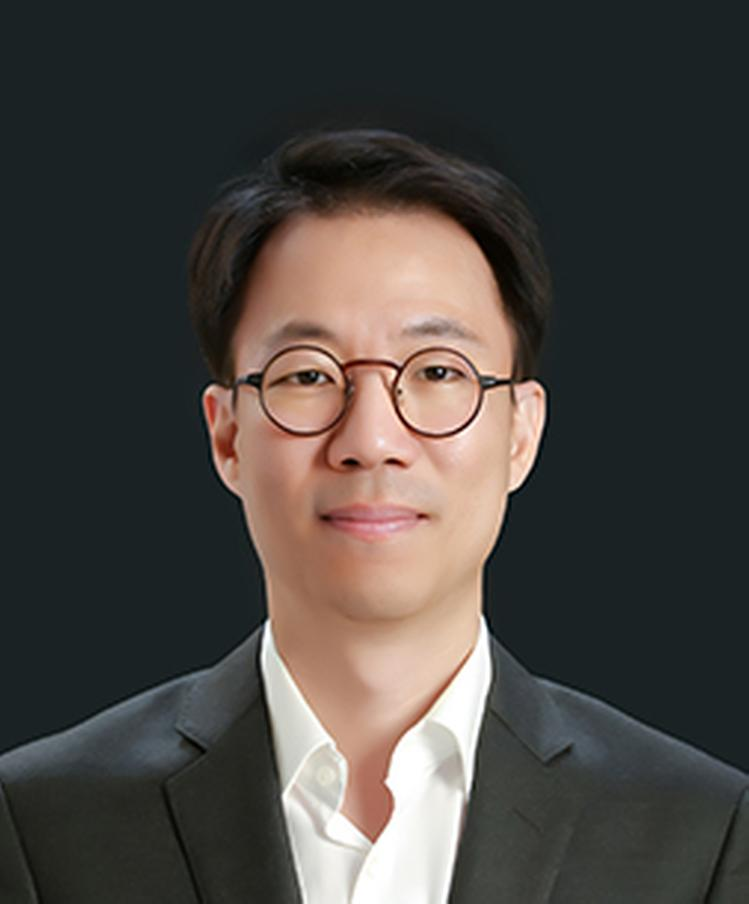
Inwook Kim, Associate Professor, International Relations, Sungkyunkwan University
Inwook Kim specializes in the history and geopolitics of oil, the politics of alliances, and international security. Before joining Sungkyunkwan University, he held academic positions at Korea Military Academy, the University of Hong Kong, and Singapore Management University. Over a decade-long academic career, he has widely published in premier journals including Foreign Affairs, International Studies Quarterly, Security Studies, Contemporary Security Studies, Journal of Global Security Studies, and others. He has also appeared as a commentator on television and radio.
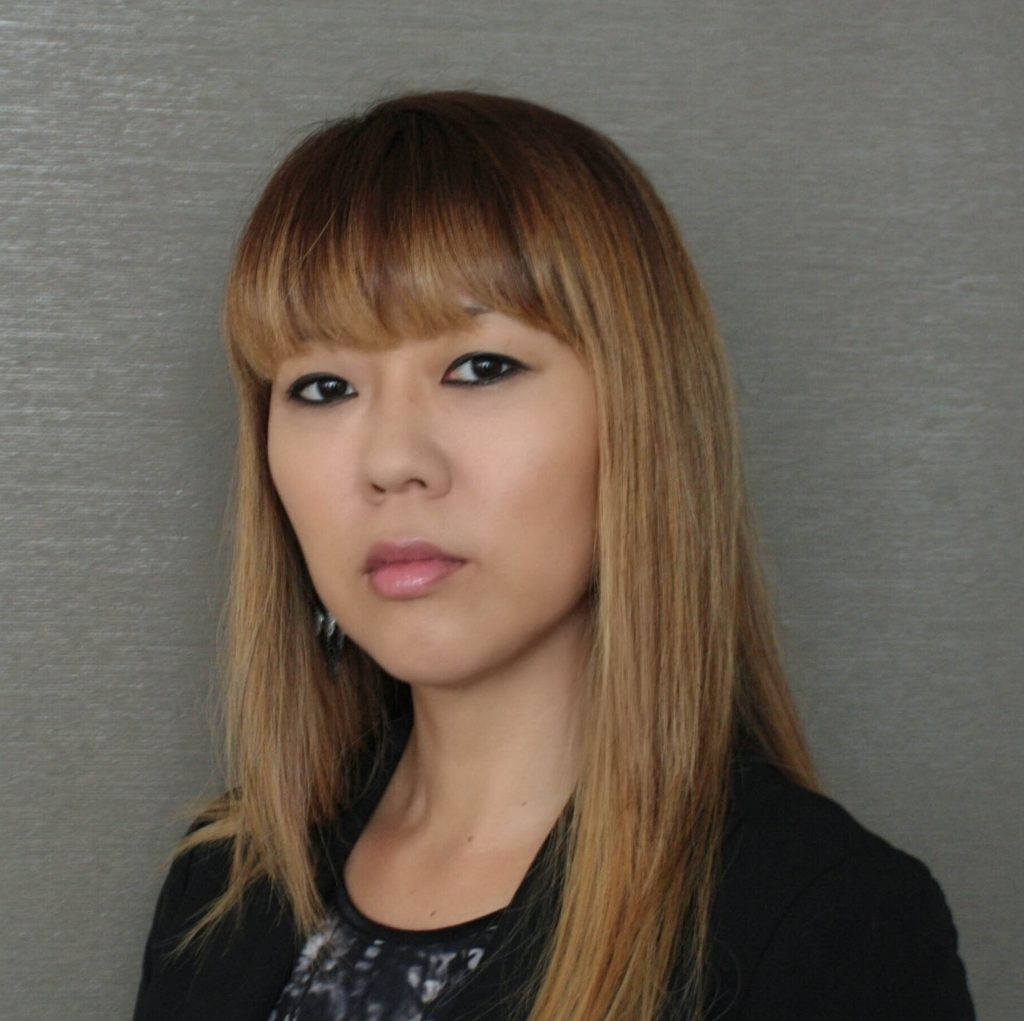
Jenny Town, Senior Fellow & Director, 38 North Program, Stimson Center (Moderator)
Jenny Town was named one of Worth Magazine’s “Groundbreakers 2020: 50 Women Changing the World” and one of Fast Company’s Most Creative People in Business in 2019 for her role in co-founding and managing 38 North, which provides policy and technical analysis on North Korea. Ms. Town is also a Research Fellow in the Department of East Asian Studies at the University of Vienna, an Associate Fellow at the Foreign Policy Institute at Johns Hopkins School of Advanced International Studies (SAIS), a Member of the National Committee on North Korea, and an Associate Member of the Council of Korean Americans. She serves on the Editorial Board for Inkstick, an online foreign policy journal for emerging scholars.
Panel 2: Whither Inter-Korean Relations and Peace on the Korean Peninsula?
This session will examine the evolving inter-Korean relationship and consider potential pathways toward reducing tensions and building a more durable peace regime on the Korean Peninsula.
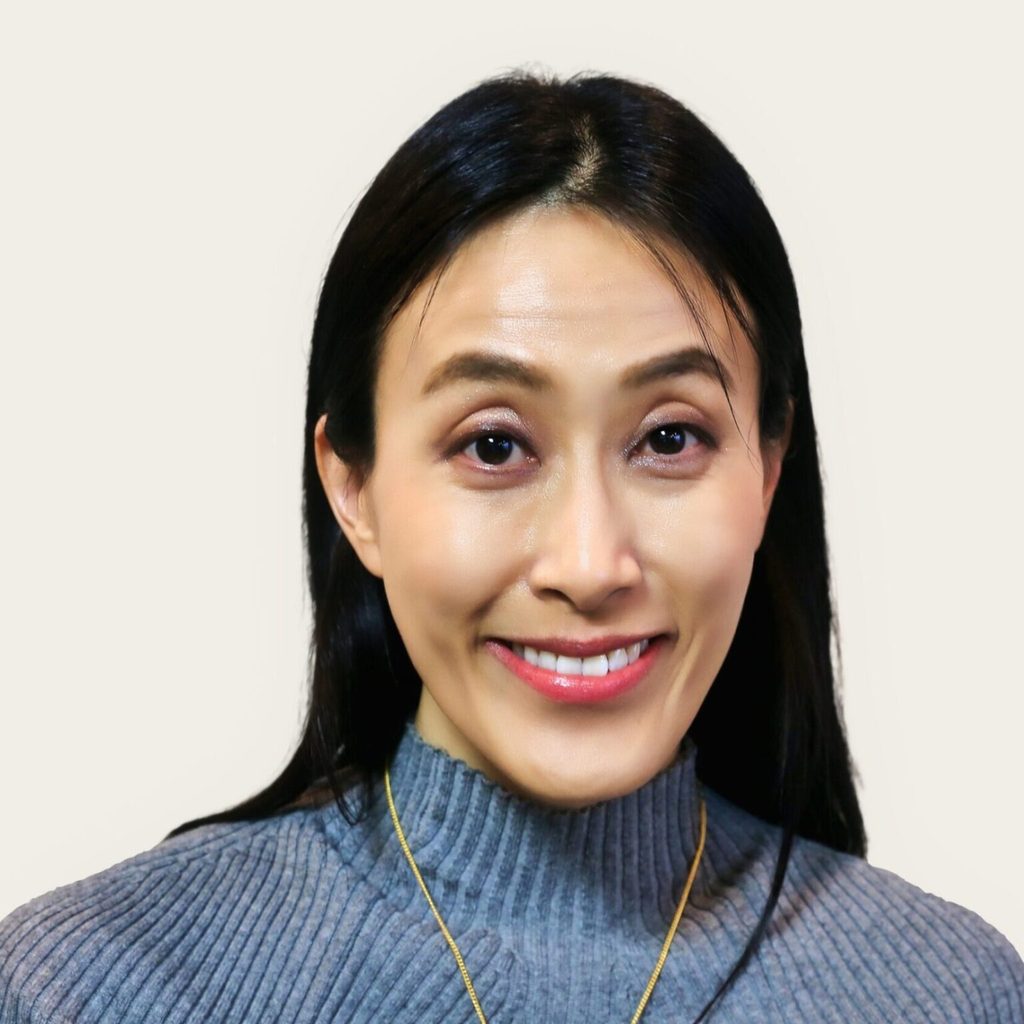
Rachel Minyoung Lee, Senior Fellow, 38 North Program, Stimson Center
Rachel Minyoung Lee is co-chair of the North Korea Economic Forum, which is part of the policy program at the George Washington University’s Institute for Korean Studies (GWIKS). Lee was a North Korea collection expert and analyst with Open Source Enterprise (OSE; formerly known as Open Source Center) in the US government from 2000 to 2019. As Analysis Team Lead, Lee led a team of collection officers and analysts to track and analyze North and South Korean issues with implications for Pyongyang’s regime stability and regional security. Most recently, from 2022 to early 2024, Lee headed engagement and network-building efforts at the Vienna-based Open Nuclear Network (ONN). In July 2025, she was a POSCO Visiting Fellow at the East-West Center in Hawaii.
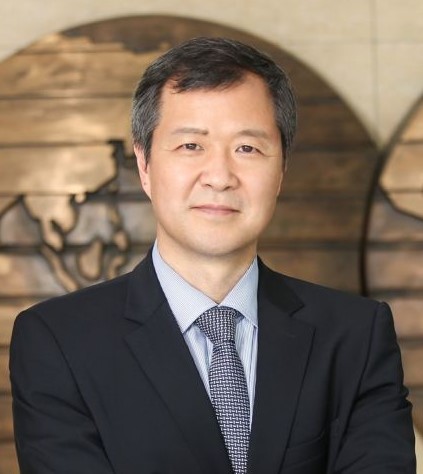
Seong-ho Sheen, Professor & Former Dean of Graduate School of International Studies, Seoul National University
Seong-ho Sheen was a visiting fellow at the East-West Center DC, a CNAPS fellow at the Brookings Institution, an assistant research professor at Asia-Pacific Center for Security Studies (APCSS), Honolulu, Hawaii and a research fellow at Institute for Foreign Policy Analysis (IFPA), Cambridge, Mass, the U.S. He has taught at Univ. Mass Boston. In addition, he advised various government organizations including ROK National Ministry of Defense, Ministry of Foreign Affairs, Ministry of Unification and Committee on Foreign Affairs and Unification, the ROK National Assembly. His area of interest includes International Security, US Foreign Policy, Northeast Asian Politics and the Korean Peninsula.
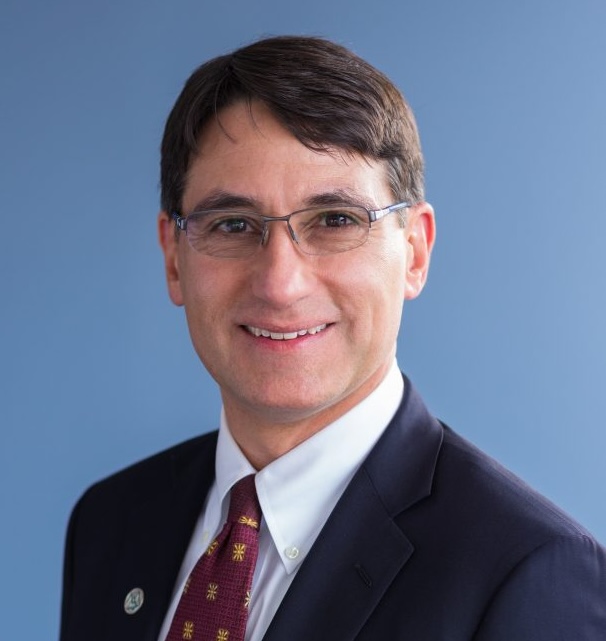
Frank Jannuzi, President & CEO, Maureen & Mike Mansfield Foundation
Frank Jannuzi previously served as Deputy Executive Director (Advocacy, Policy and Research) at Amnesty International, USA. From 1997-2012 Mr. Jannuzi was Policy Director, East Asian and Pacific Affairs, for the U.S. Senate Foreign Relations Committee, where he advised Committee Chairmen Joseph Biden and John Kerry on a range of security, political, economic, and human rights issues pertinent to U.S. relations with East Asia. During his tenure with the Foreign Relations Committee he also was a Hitachi Fellow of the Council on Foreign Relations from 2006-2007, serving as a visiting lecturer at Keio University and a visiting scholar at the Institute of International Policy Studies in Tokyo. Early in his career he served for nine years as an analyst in the U.S. Department of State’s Bureau of Intelligence and Research.
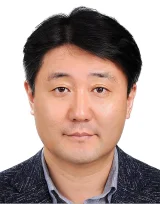
Jung-Chul Lee, Professor, Department of Political Science & International Relations, Seoul National University
Jung-Chul Lee was a former Chief of the Team for Economic Security Studies at the Samsung Economic Research Institute (2002-2006) and a Professor in the Department of PS & IR at Soongsil University.(2006-2021). In 2014, he served as a visiting scholar at the Sigur Center for Asian Studies at George Washington University. He holds a Bachelor of Laws degree (1991) from Seoul National University and an M.A. (1997) in Political Science from Seoul National University. He completed his Ph.D. in Political Science at Seoul National University in 2002.
Robyug Park, Chairman, Sejong Institute (Moderator)