This event explores the extent to which seismic sensor networks can be utilized for multi-hazard monitoring activities and incorporated into early warning systems for extreme flow events.
In recent years, a gamut of different extreme flow events have caused significant damage in the Himalayan region, the Alps, and other mountain regions across the globe. Mass movements and extreme flow events generate seismic signatures and scientists can use seismic sensor networks to ascertain information about the location, timing, and characteristics of these flows. Ongoing innovation and refinement of detection systems for certain events hint at the potential to move from seismic forensics to the development of effective early warning systems.
Speakers will first examine a series of recent extreme flow events, analyzing the processes, pathways and hazard chains that shaped each event and considering which tools and technologies might be useful for monitoring for these cascading hazards.
Second, we will examine the seismic record for recent cascading disasters in the Himalayan region and the Alps – focusing on the Chamoli disaster in Uttarakhand (February 2021), the glacier avalanche in Blatten, Switzerland (May 2025), and a supraglacial flood in the Nepal-China borderlands (July 2025).
Lastly, we will unpack technical aspects of the system, outline system design at different scales, and discuss questions of governance and risk communication. Presentations from our speakers will be followed by moderated discussion and audience Q&A.
Featured Speakers
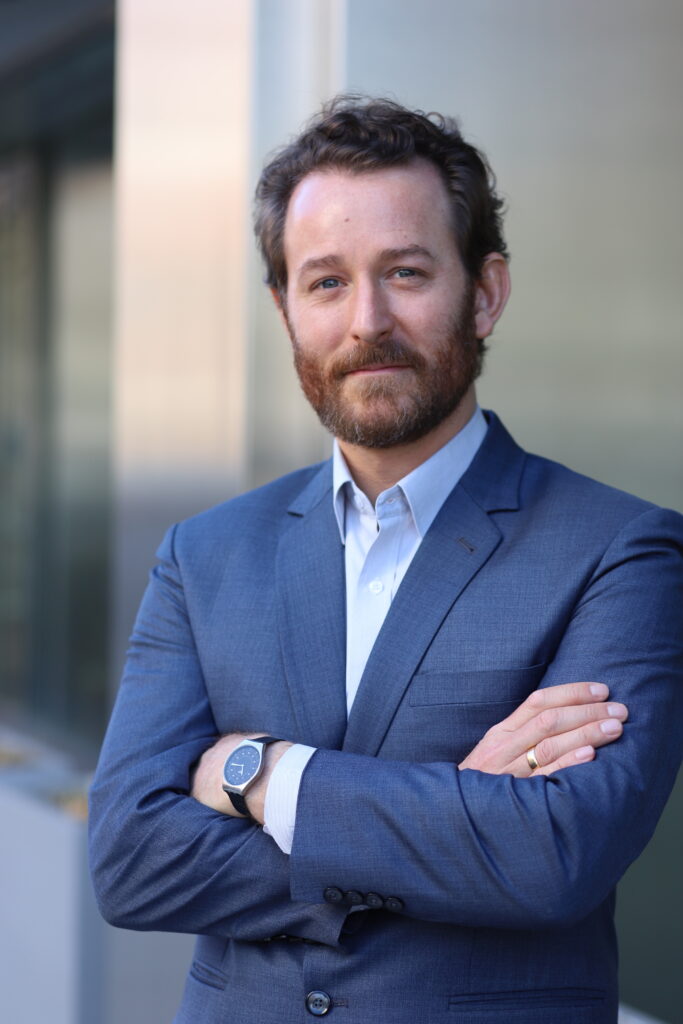
Kristen Cook, Research Officer, Institut de Recherche pour le Développement (IRD); ISTerre, University of Grenoble
Dr. Kristen Cook is a geomorphologist working on the interaction between fluvial processes and extreme events in mountain landscapes. She currently works as a scientist with the French National Research Institute for Sustainable Development based in ISTerre, Université Grenoble Alpes. She holds a PhD in Geology from MIT.
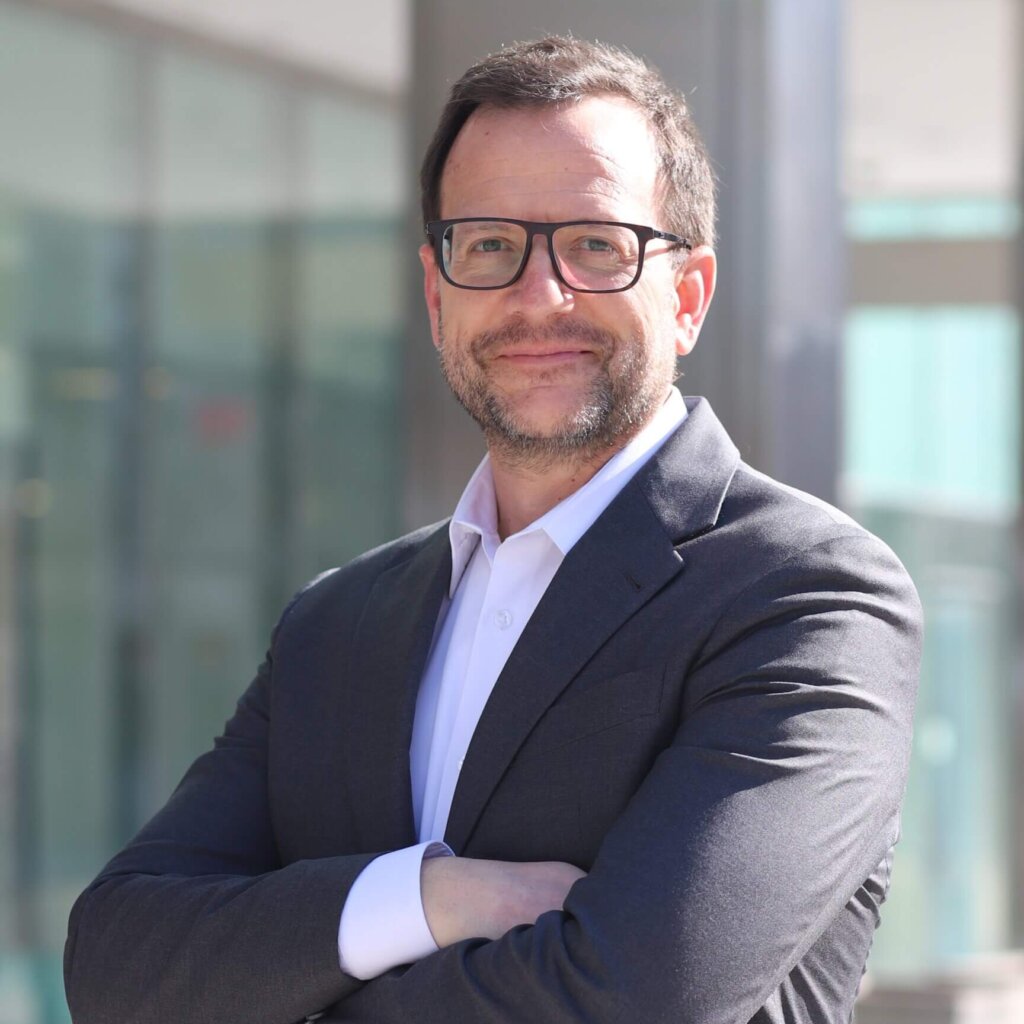
Niels Hovius, Professor, Institute for Earth and Environmental Sciences, University of Potsdam
Dr. Niels Hovius is a geoscientist with broad interests in Earth surface processes and their roles in the Earth’s system. He has worked on weathering, erosion and matter fluxes in mountain environments, using a combination of geophysical and geochemical approaches, and paying specific attention to extreme events. A Director of Research at the German National Centre for Geosciences GFZ, Niels coordinates work on early warning systems in the Helmholtz Association. He is a member of the German Academy of Science and Technology, and a fellow of the American Geophysical Union.
Fabian Walter, Senior Scientist, Swiss Federal Institute for Forest, Snow and Landscape Research (WSL)
Dr. Fabian Walter has been working on environmental seismology since his PhD thesis on glacier outburst floods in 2005. He is now a senior scientist at the Swiss Federal Institute for Forest, Snow and Landscape Research WSL and studies on alpine mass movements. One of his main research areas is the use of portable seismic instrumentation and machine learning algorithms to detect and monitor debris flows.

Jiahui (Keith) Kang, PhD Candidate, Swiss Federal Institute for Forest, Snow and Landscape Research (WSL)
Jiahui (Keith) Kang is a Ph.D. candidate within a Marie Skłodowska-Curie Doctoral Network (EnvSeis) at the Swiss Federal Institute for Forest, Snow and Landscape Research (WSL). Her research focuses on distributed seismic sensing in alpine regions, with a focus on mass movement early warning systems and dynamic analysis.

Austin Lord, Senior Fellow, Energy, Water, and Sustainability Program, Stimson Center (Moderator)
Austin Lord, Ph.D. is the Senior Fellow in the Energy, Water and Sustainability program at the Stimson Center. His research focuses on disaster and climate risk management, water and energy policy, infrastructure development, and environmental governance. Lord holds a Ph.D. in Anthropology from Cornell University.