This virtual event brings leading experts from academia and the private sector to examine the evolving challenges of developing early warning systems (EWS) for cryosphere-related hazards in mountain regions. Insights will be provided from specialists involved in monitoring and EWS deployment in Switzerland, particularly the recent disaster in Blatten, where timely evacuation was made possible by existing monitoring infrastructure.
From there, the panel will broaden its focus to the Himalayas and other parts of High Mountain Asia, exploring whether similar systems can be adapted or scaled in regions with different terrain. The discussion will highlight both the technical and institutional challenges in translating lessons from places like Blatten to more complex or under-resourced settings.
Key discussion questions will include:
- What are the priorities in establishing in-situ vs. remote monitoring?
- How can lessons from recent disasters inform future preparedness in the Himalayan region and beyond?
- What does it take to scale localized success stories to other regions globally?
This event is made possible with the support of the Australian Government Department of Foreign Affairs and Trade (DFAT) and the Margaret A. Cargill Philanthropies (MACP).
Featured Speakers
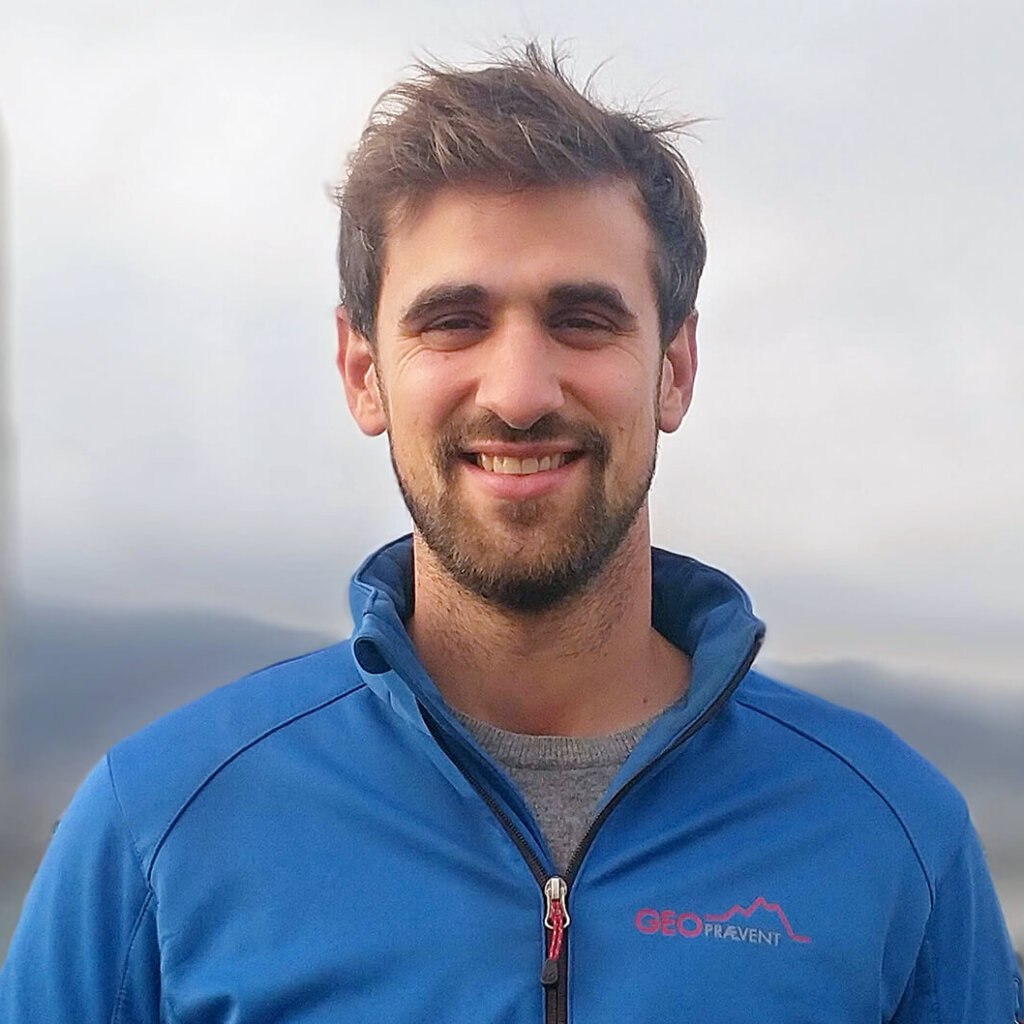
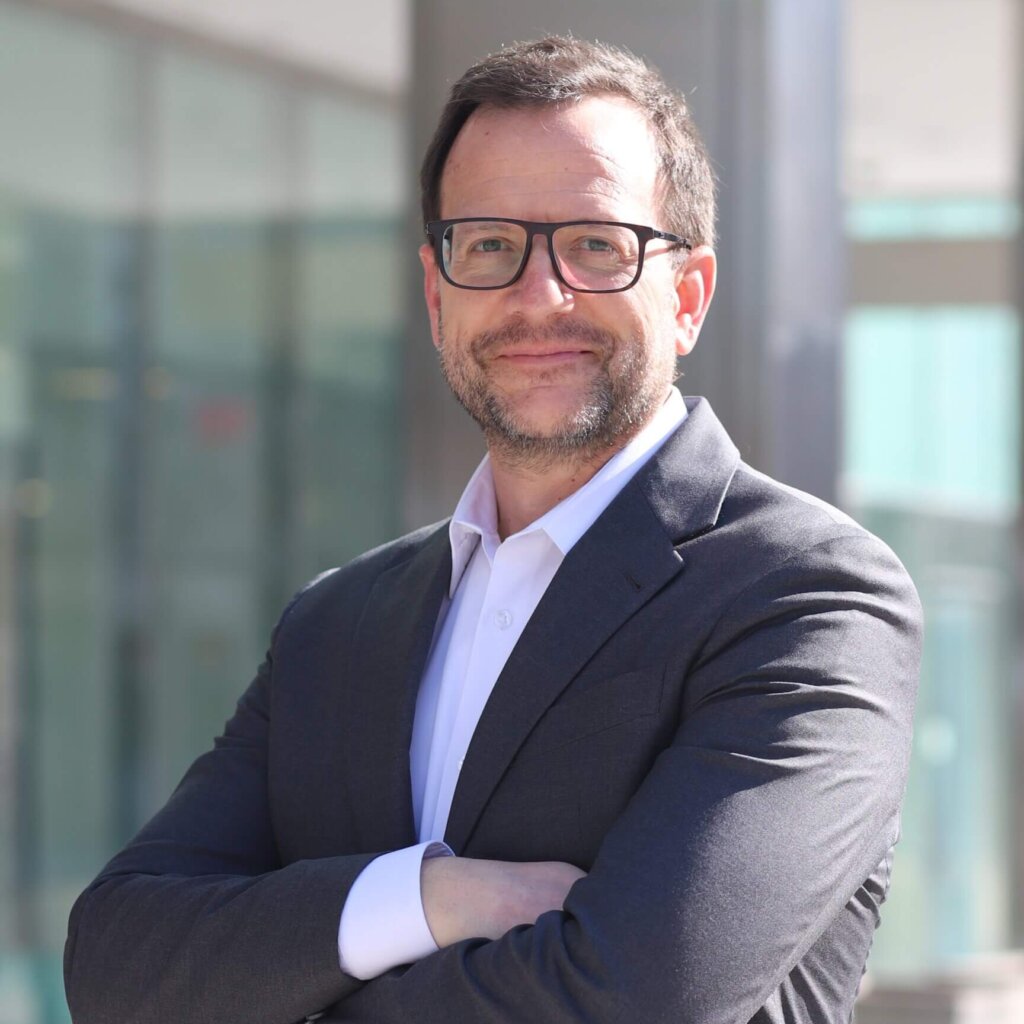
Maxence Carrel, Head of Monitoring Solutions, Geoprevent, Switzerland
Dr. Maxence Carrel is currently the Head of Monitoring Solutions at Geoprevent, a leading company that develops, installs, and operates warning and alarming systems in mountainous regions worldwide. He has years of professional experience working with state of the art companies to build innovative monitoring solutions, supporting rapid response to mountain disasters, and interacting with a variety of stakeholders in different contexts. He hold a PhD in Environmental Engineering from ETH Zurich.
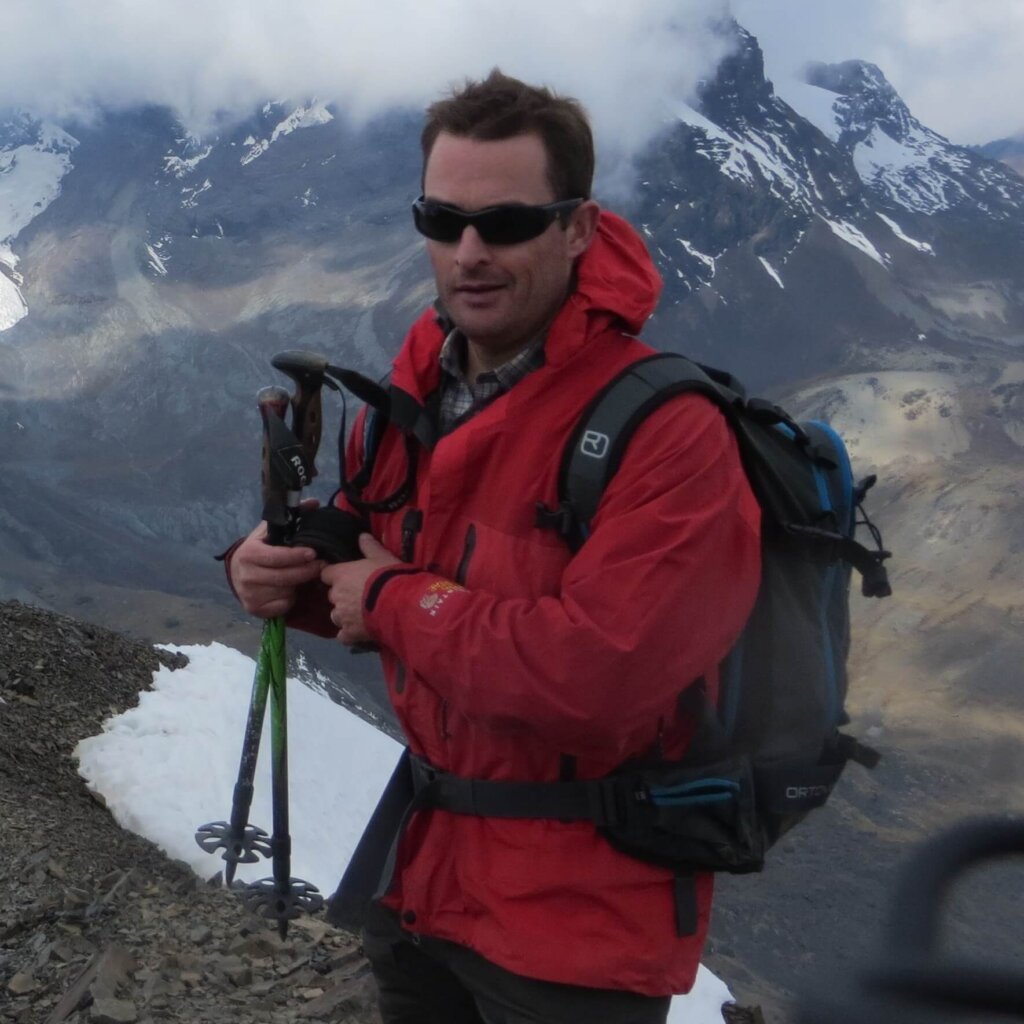
Simon Allen, Research Associate, University of Zurich/University of Geneva, Switzerland
Dr. Simon Allen has nearly two decades of experience working on mountain hazards in Europe, Asia as well as South America. Allen has led a number of interdisciplinary research projects and published a range of scientific studies, including seminal work on the Kedarnath disaster in India. He has experience with both field monitoring and remote assessments, including work in collaboration with non-academic stakeholders. He holds a PhD in Geography from the University of Canterbury in New Zealand.
Wei Yang, Associate Professor, Institute of Tibetan Plateau Research, Chinese Academy of Sciences, Beijing, China
Dr. Wei Yang has many years of research experience focused on analyzing glacier anomalies and disaster risks on the Tibetan Plateau which includes operating complex field instrumentations on the Tibetan Plateau. He has published a large number of scientific studies, and is currently involved in the establishment of a comprehensive early warning infrastructure at the Sedongpu site on the Yarlung Tsangpo. He holds a PhD from the Chinese Academy of Sciences.
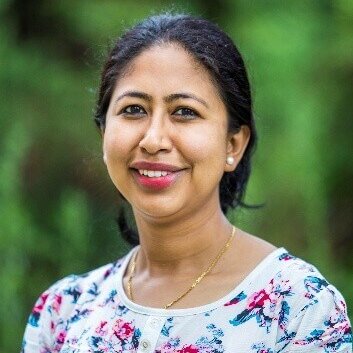
Finu Shrestha, Remote Sensing & Geo-Information Analyst, International Centre for Integrated Mountain Development (ICIMOD), Kathmandu, Nepal
Finu Shrestha has over a decade of experience in cryosphere research focusing on glaciers, glacial lakes in the Hindu Kush Himalaya, and associated hazards such as glacial lake outburst floods (GLOFs) in High Mountain Asia. She holds an MSc in Hydrology and Meteorology from Tribhuvan University, Nepal, and has authored numerous technical reports, peer-reviewed publications, and training manuals.
Moderated By

Austin Lord, Senior Fellow, Energy, Water, and Sustainability Program, Stimson Center
Dr. Austin Lord leads the Stimson Center’s work on disaster and climate risk in the Himalayan region, which is currently focused on developing monitoring and early warning systems for multi-hazard and extreme flow events. He holds a PhD in Cultural Anthropology from Cornell University, and has been conducting applied and interdisciplinary research in Nepal for the past 13 years.
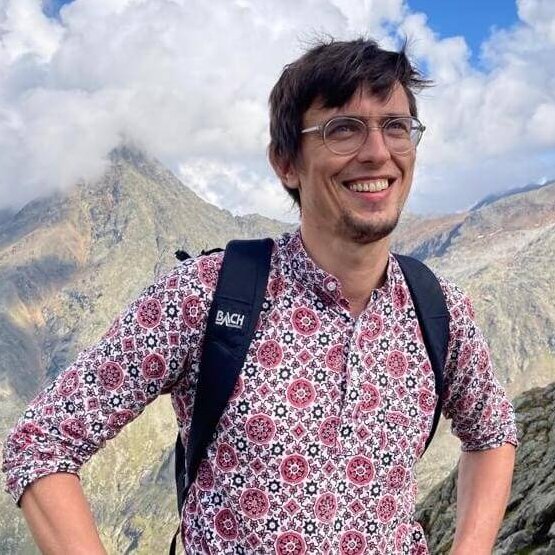
Jakob Steiner, Fellow, The Himalayan University Consortium
Dr. Jakob Steiner is a geoscientist with more than 15 years of experience in water resources and associated hazards and risks in High Mountain Asia and the Arctic, from field monitoring at altitude to translating scientific evidence into policy.
He holds a PhD in Physical Geography from Universiteit Utrecht, and is also currently a Postdoctoral Fellow at the University of Graz, Austria.