
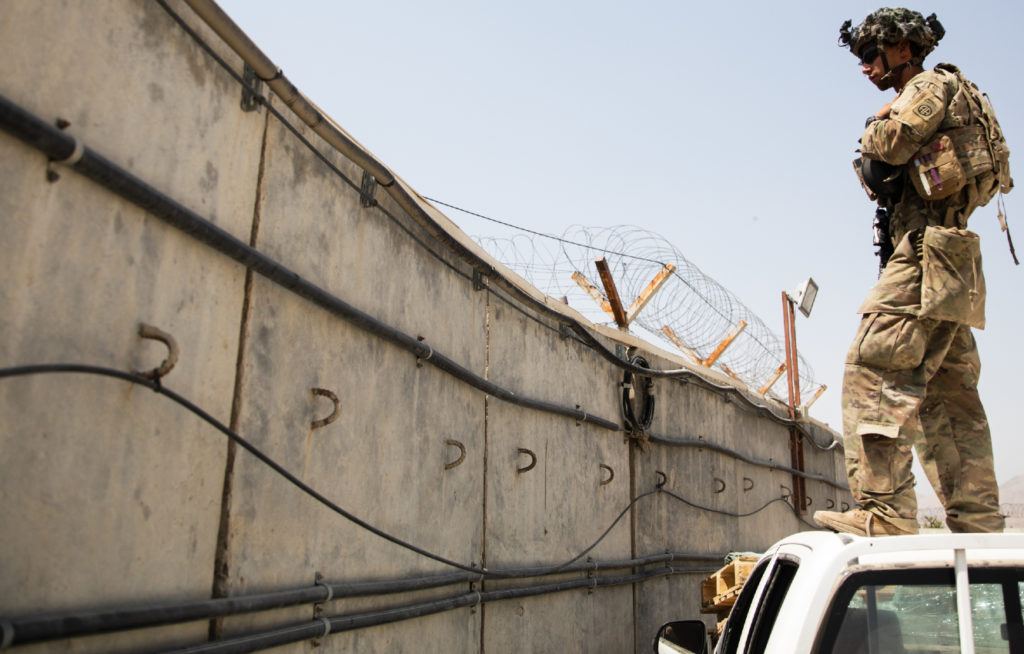
An old proverb says that “the enemy of my enemy is my friend,” but the success of Taliban forces in wresting control over most of Afghanistan from the government of President Ashraf Ghani may complicate matters for three countries whose relationship with the United States is always fraught, and often antagonistic. Leaders in Beijing, Ankara, and Moscow likely shed no tears while watching Ghani’s American- and NATO-backed regime crumble, taking with it any lingering hope that the two-decade mission in Afghanistan could create in the troubled country a durable regime sympathetic to America and the West. But the rise of the Taliban creates its own set of challenges for leaders in China, Turkey, and Russia, each of which see themselves as important regional powerbrokers.
China and the Taliban: A Match Made Under Heaven?
Having cultivated a good relationship with the Taliban for the past decade, and with a recent high-profile official visit by a Taliban delegation led by the group’s number two leader Abdul Ghani Baradar on July 28, Beijing sees itself as having finally bet on the right horse in Afghanistan. Since the Taliban’s takeover of the country, China has demonstrated an unprecedented level of positive reception, political endorsement, and diplomatic support of the Taliban. However, there are ferocious debates ongoing in China as to what the best strategy is moving forward vis-à-vis its poor, unstable, and destabilizing neighbor.
Read the full article in War on the Rocks








Community Adaptation for a Water Festival Without Clean Water