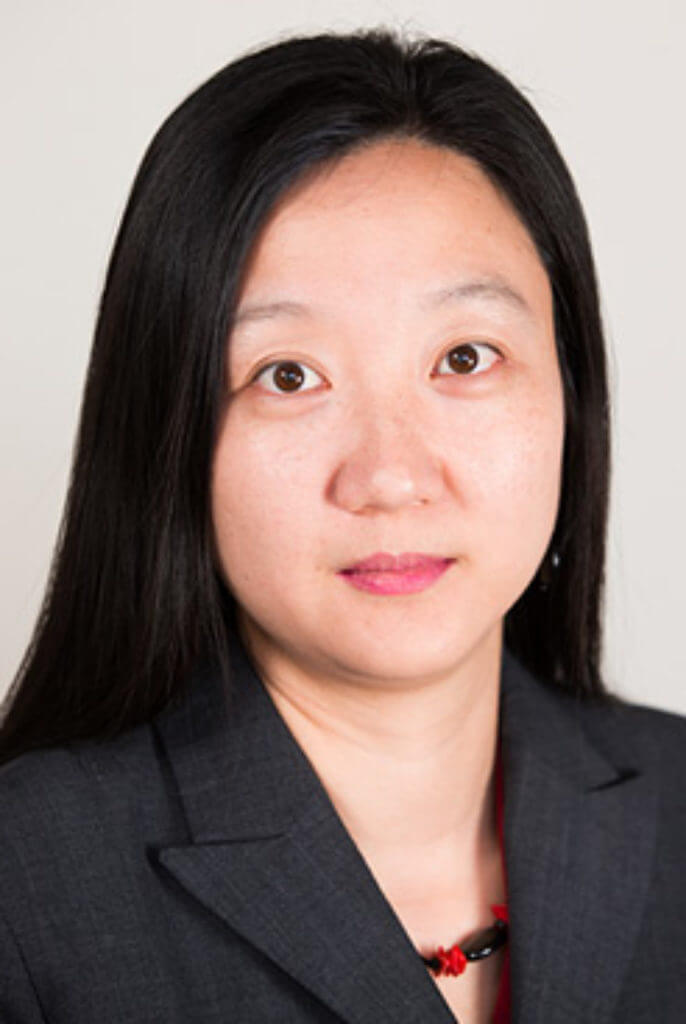
BRIAN FINLAY (1972 – 2026)
Celebrating the vision, dedication, and fierce determination of Stimson’s beloved President and CEO, Brian Finlay
US Foreign Policy
By Evan Cooper and Minseon Ku
DEFENSE STRATEGY
Weighing the costs and benefits of the U.S. decision to go to war
GRAND STRATEGY
CRITICAL MINERALS
US Foreign Policy
By Evan Cooper and Minseon Ku
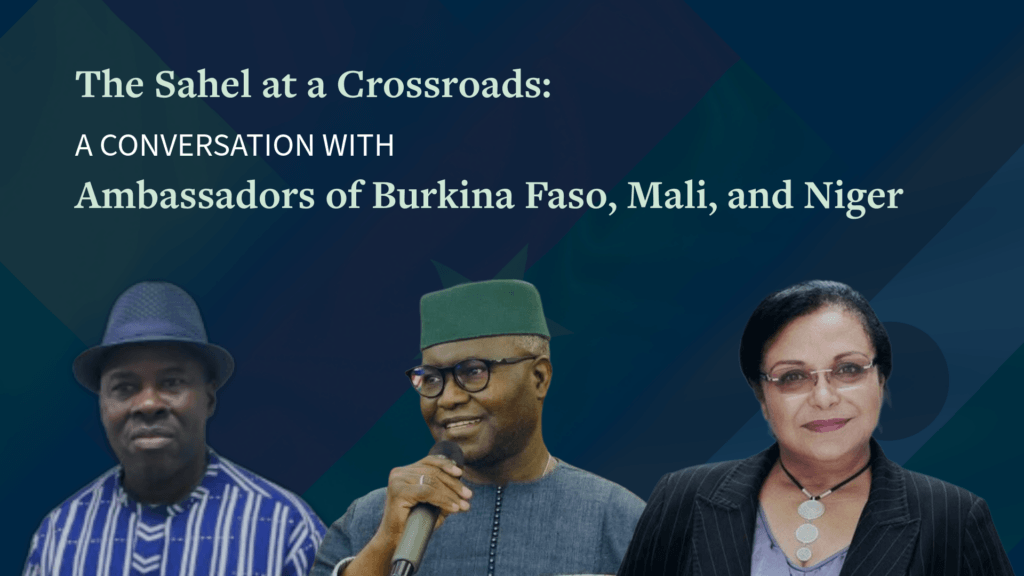
LIVE NOW
A conversation on the legacy of the 2008 US-India Civil Nuclear Agreement and its lessons for the strategic partnership today.
Trending Topics
Taiwan: Trust & Tensions
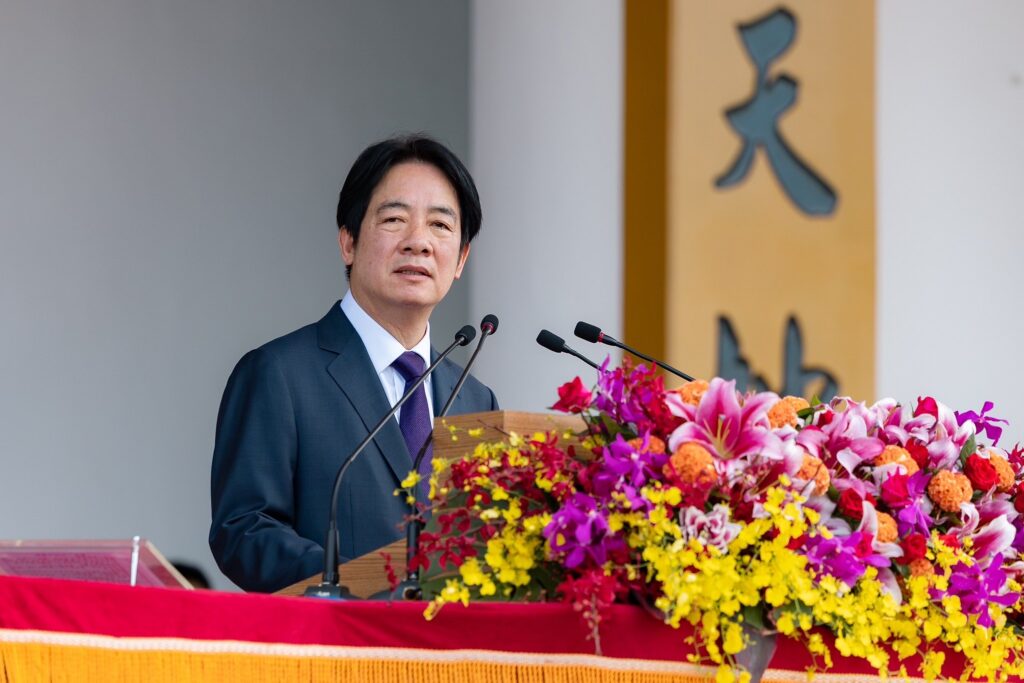
POLICY MEMO
U.S. policies on semiconductors and defense are straining trust in the US-Taiwan relationship at a critical moment

RECENT EVENT RECORDING
A discussion on the U.S. and Taiwan’s approaches to AI and how their collaboration could develop over the next few years.
Hosted by the Strategic Foresight Hub
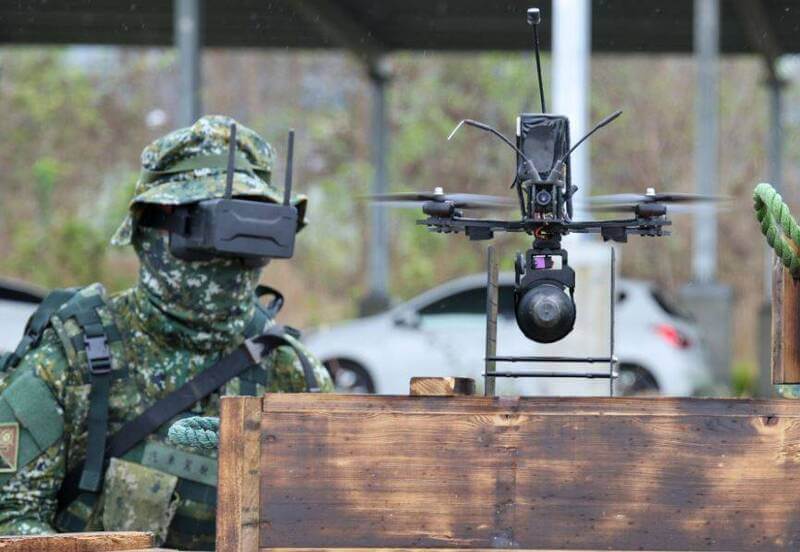
Podcast
The Net Assessment crew consider whether the porcupine strategy that Taiwan is currently implementing is the best plan to deter or defend against China.

Middle East & North Africa
ISSUE BRIEF
PAST EVENT
Featuring Kelly Grieco • James Siebens • Pamela Kennedy
Iran War: Month Three

An updated armistice agreement could pave the way for a serious conversation about border demarcation and an end to all wars that use South Lebanon as a launching pad.
Karim Safieddine • Jad Shahrour
Defense Policy & Posture
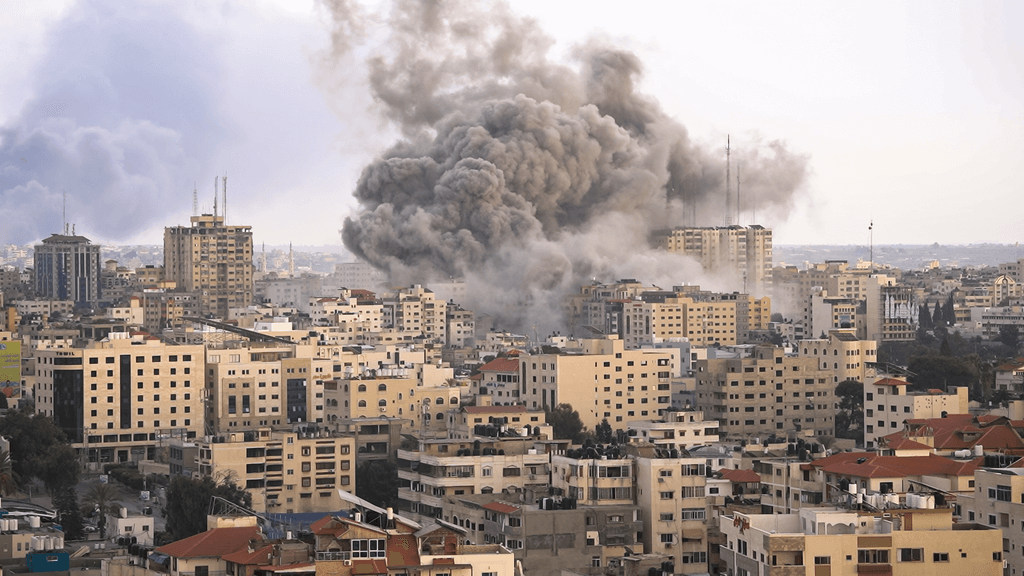
Understanding Iran’s military strategy in response to Operation Epic Fury

Middle East
Given the month-long delay, the Houthis’ missile launch reads less as an operational decision than as a political one

Middle East & North Africa
Masha Kotkin
Podcast
Christopher Preble • Melanie Marlowe • Zack Cooper
Defense Policy & Posture
Kelly A. Grieco • Marie-Louise Westermann
Sue Chodakewitz, Chair of the Stimson Center Board of Directors
Rachel Stohl, Acting President and CEO of the Stimson Center
Trade & Technology

Security & Strategy

Human Security
Chandrima Das • Peter J. Quaranto
Natural Resources

Regan Kwan • Surachanee Sriyai • Brian Eyler
Featuring Mahlet Mesfin & John Parianos
Our Programs Shaping Global Policy
The Stimson Center advances practical, nonpartisan solutions to global security and governance challenges through collaborative research, policy innovation, and partnerships that strengthen peace, security, and international cooperation worldwide.
Experts In The News






Al Jazeera
Featuring

Podcasts
Featured Episode
The Trialogue
Arvind Gupta, co-founder and head of the Digital India Foundation joins the Trialogue.
Peter Slezkine
The Net Assessment

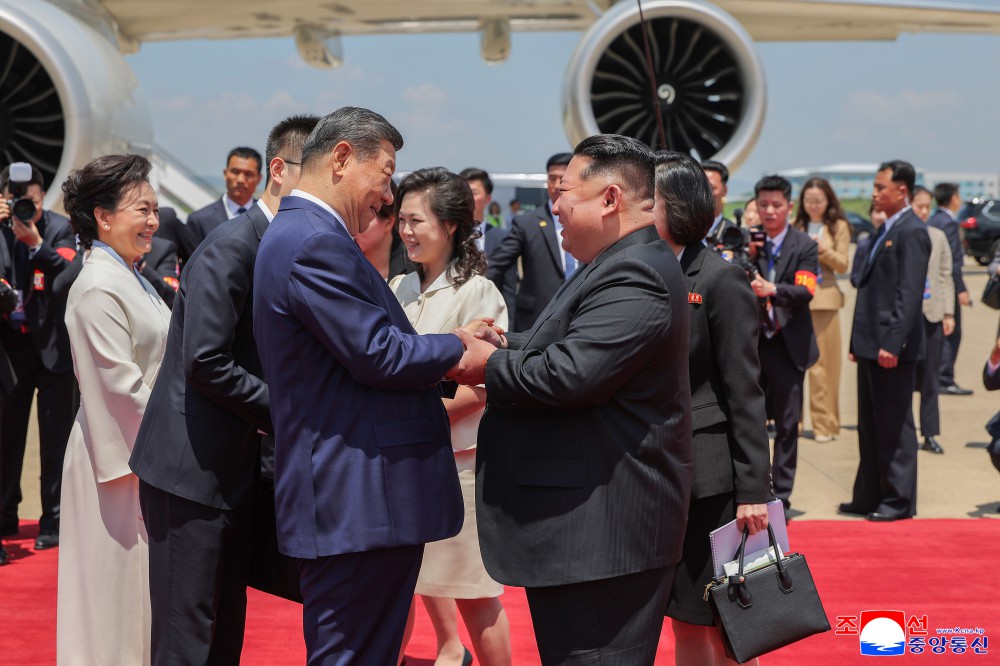
Would the U.S. strategy of consolidation finally realign America’s objectives with its resources? Does the Trump administration have the ability or willingness to execute such an approach? Chris commends Tom Stevenson’s essay on the war in Afghanistan, Melanie questions the lack of American ambassadors worldwide, and Zack expresses frustration with the meager results of the Trump-Xi meeting.
Christopher Preble • Melanie Marlowe • Zack Cooper
Christopher Preble • Melanie Marlowe • Zack Cooper
Christopher Preble • Melanie Marlowe • Zack Cooper
Christopher Preble • Melanie Marlowe • Zack Cooper
Listen Now - 52 Minutes
Christopher Preble • Melanie Marlowe • Zack Cooper
Events
today
- June 11, 2026
- 9:30 AM to 10:30 AM (US ET)
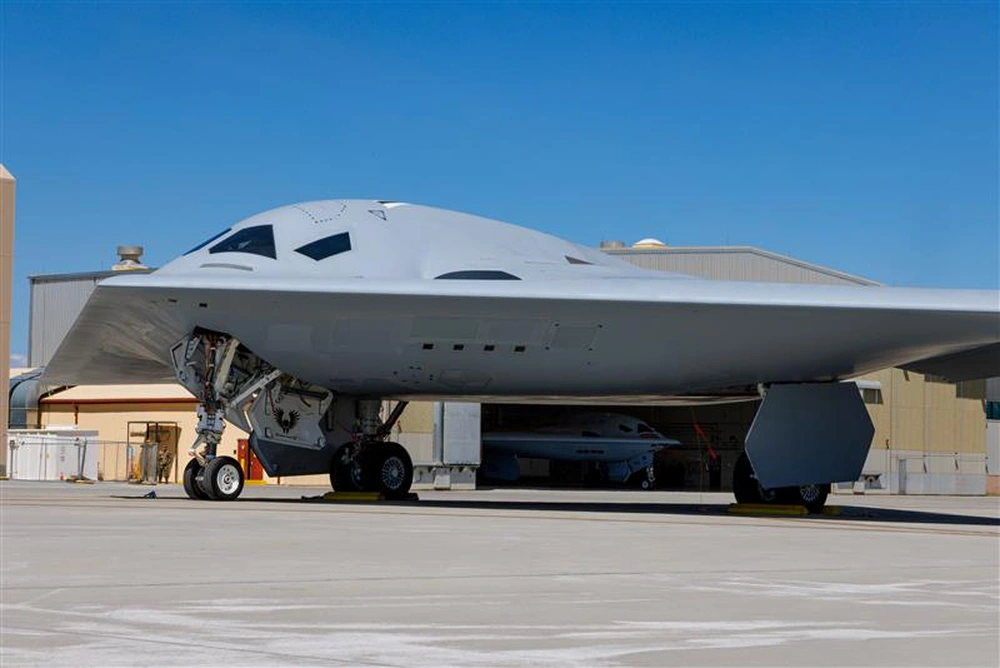
Defense policy experts Kelly Greico and Dan Grazier discuss aviation policy in the context of historical realities.

Upcoming Event
- June 18, 2026
- 9:30 to 10:30 AM ET
- In-Person & Online
Upcoming Event
- June 18, 2026
- 2:00 PM to 3:15 PM ET
- In-Person & Online
upcoming event
- June 23, 2026
- 1:00 PM to 2:00 PM (US ET)
- In-Person & Online
Find an Expert
Home to more than 100 scholars and global affiliates, the Stimson Center is proud to be a magnet for the world’s leading experts on the most pressing foreign policy and national security issues of our time. Explore our experts and their work.