












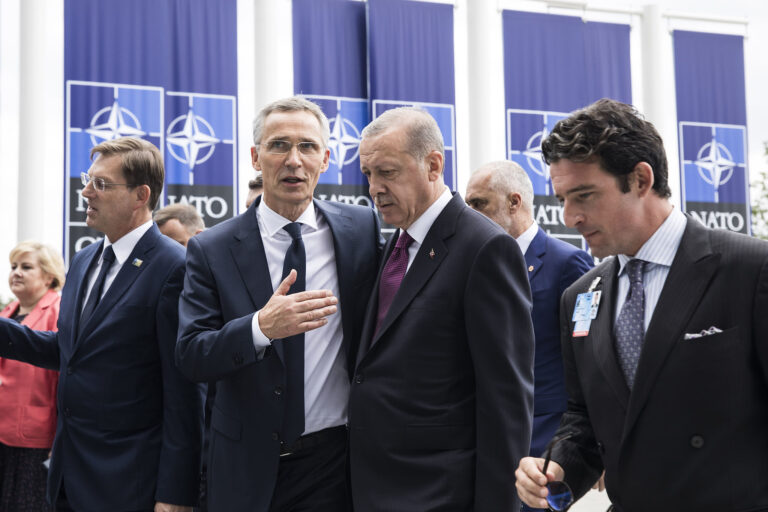
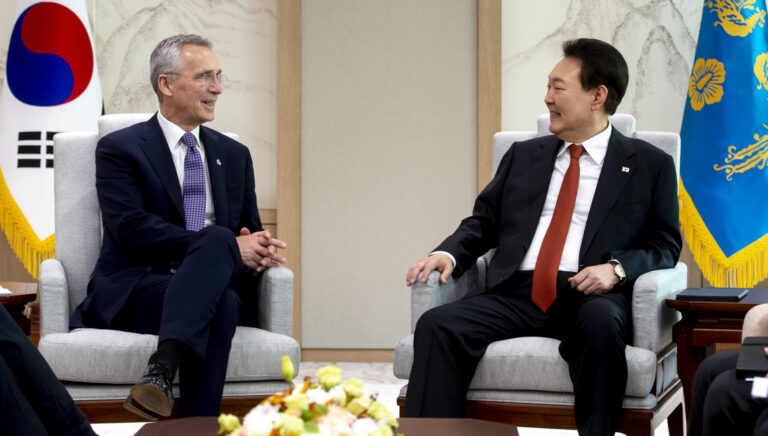
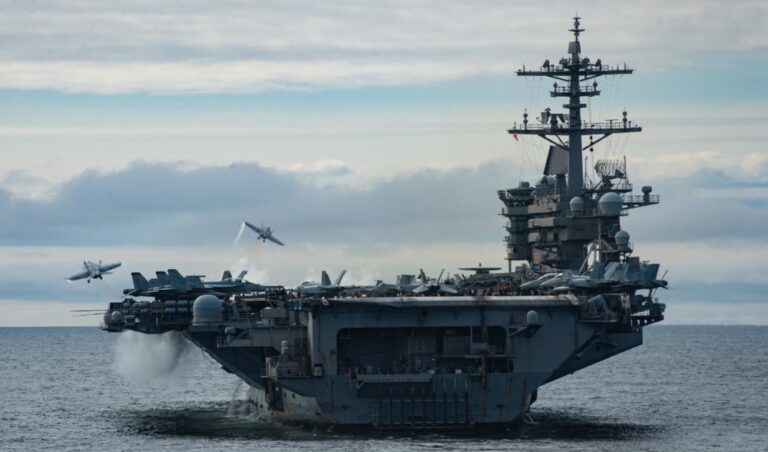



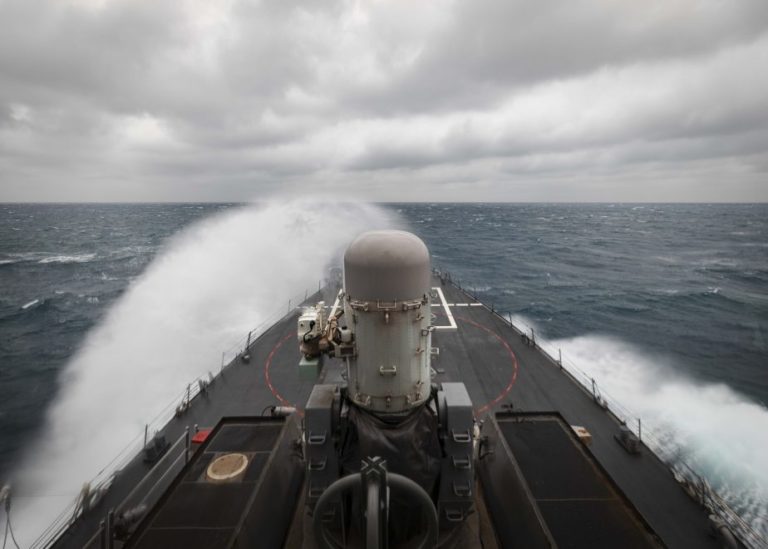






There is a real danger that the actions the United States is taking in an effort to signal support for Taiwan will actually spur a conflict over Taiwan
May 18, 2022

Putin may have intended to achieve his political goals in Ukraine merely by presenting a highly credible threat of invasion.
March 31, 2022
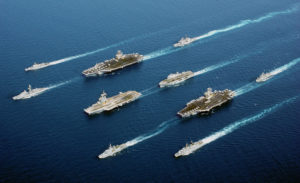
An interactive visualization and downloadable dataset of overseas US active duty troop presence from 1991-2020.
July 14, 2021

Too often, foreign policy analysts have focused principally on the hard power component of China’s ambitions in the South China Sea.
May 13, 2021

The doctrine of “strategic ambiguity” makes it critical that any military action taken in defense of Taiwan has the overwhelming support of the American public.
January 19, 2021
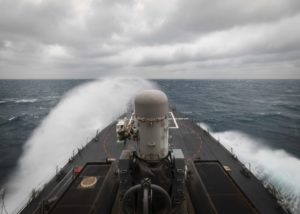
The U.S. needs to make clear if transits through the Taiwan Strait are routine demonstrations of its navigational rights or intentional signals of deterrence.
January 15, 2021
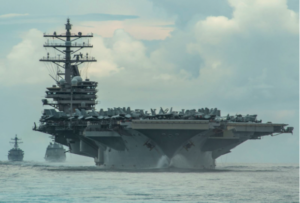
This article was originally published in The National Interest
December 24, 2020

To compete successfully, DoD instead needs a strategy that uses its military strength to persuade friends and, when necessary, coerce rivals.
August 28, 2020