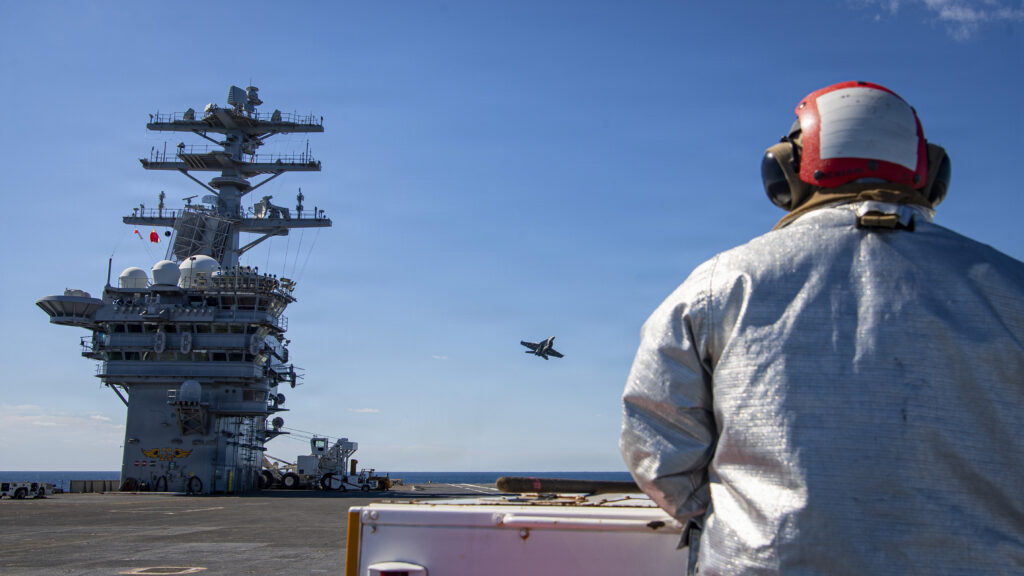
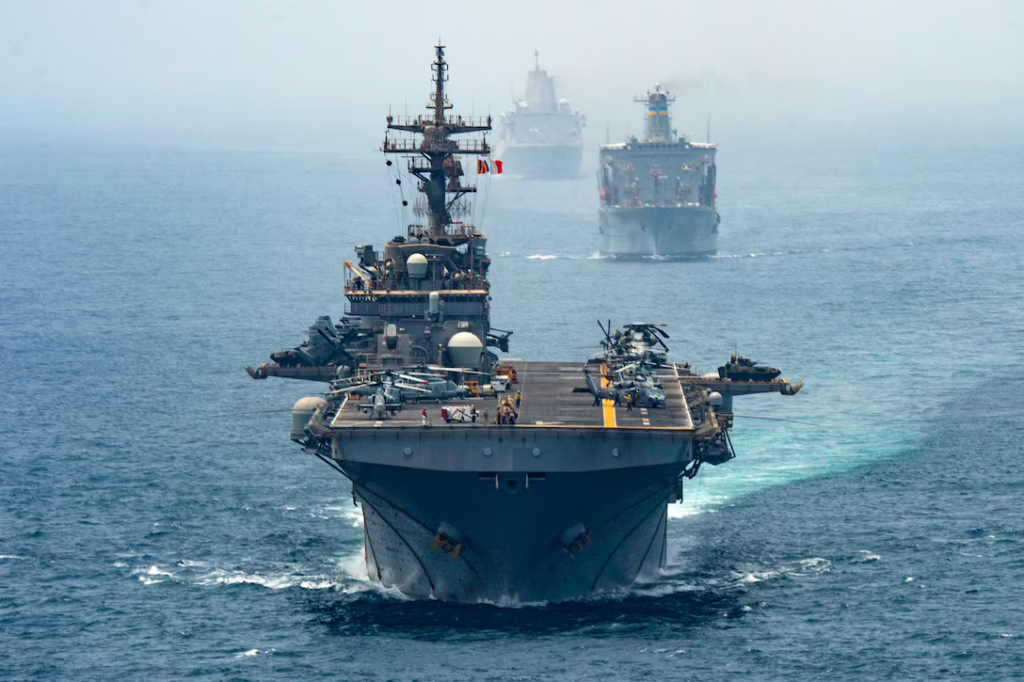
The main driver of seemingly ever-increasing defense spending since at least 2016 has been the relentless narrative of China’s rise and the specter of a war in the western Pacific. The hypothetical scenario of the United States and its allies coming to the assistance of Taiwan in the event of a Chinese amphibious invasion has been one of the most frequently cited reasons to plus-up the Pentagon budgets above already historic levels.
The China threat, Cold War 2.0, narrative has essentially become an unchallenged mantra in hawkish national security circles. A closer examination would show that while China’s economic growth in the early years of the 21st century allowed its leaders to heavily invest in their military, they built up a largely defensive force designed primarily to keep foreign military forces away from their shores. Occasional saber-rattling aside, the Chinese have shown little propensity for military adventurism.
Yet, for Pentagon budget boosters, China remains the perfect foil. The prospect of a “near peer” fight against a sophisticated adversary on the other side of the globe justifies every imaginable weapons program either already in development or being dreamt up in laboratories, board rooms and marketing departments across the national security establishment. A hypothetical war to defend Taiwan justifies a massive navy and corresponding air forces. The Air Force uses it to justify F-35s, B-21s, and the Next Generation Air Dominance program. The supposed China menace also provides a rationale for the modernization of all three legs of the nuclear triad, which will likely cost more than $1.7 trillion in the coming decades.
The Stimson Center’s National Security Reform Program and Defense Strategy and Planning team has carefully examined the strategic, political, economic, and military considerations that would factor into a decision to invade Taiwan. Their research, including time spent on the ground in Taiwan, clearly shows the scenario is far more complicated than the official Washington narrative suggests. An amphibious invasion of the island would be the largest, and most complex military operation in history. The scenario is fraught with dangers for the Chinese including nuclear escalation, political upheaval, economic consequences, and a military quagmire. The dangers and low probability of success make an invasion of Taiwan extremely unlikely. American defense policymakers would do well to choose a different scenario on which to establish future military plans.
Featured Speakers

Dan Grazier, Senior Fellow and Director, National Security Reform Program, Stimson Center

MacKenna Rawlins, Research Associate, Defense Strategy and Planning Project, Stimson Center

James Siebens, Fellow, Defense Strategy and Planning Project, Stimson Center
Read Our Related Work

Taiwan Up Close: Why Geography Complicates Invasion, Mackenna Rawlins and Dan Grazier, May 19, 2025
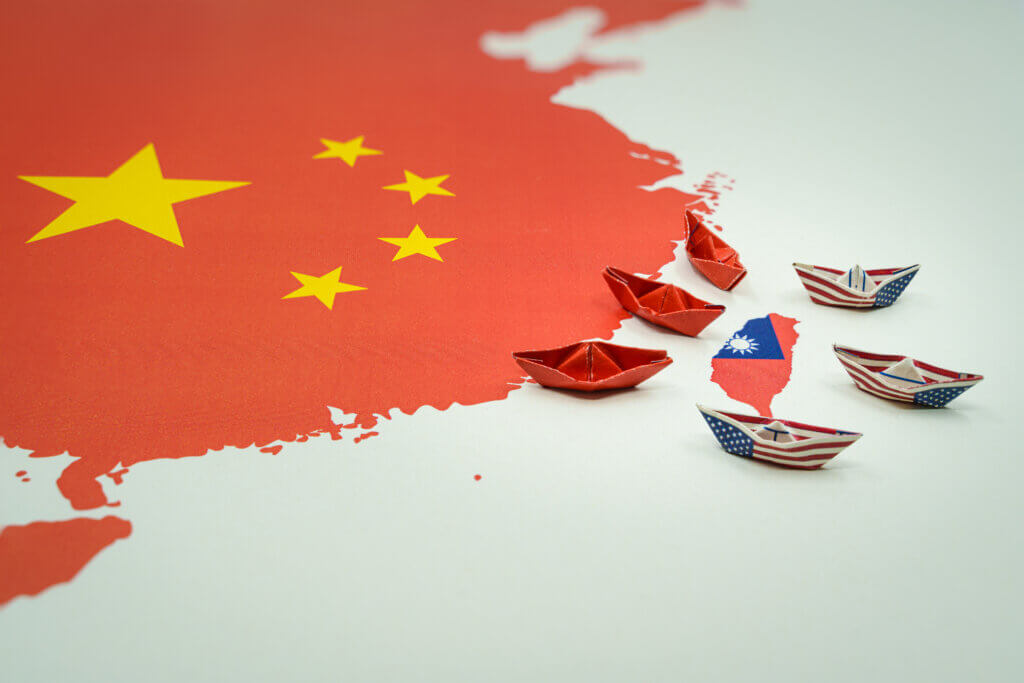
“Would Anyone ‘Win’ a Taiwan Conflict?“, Robert A. Manning, January 9, 2024
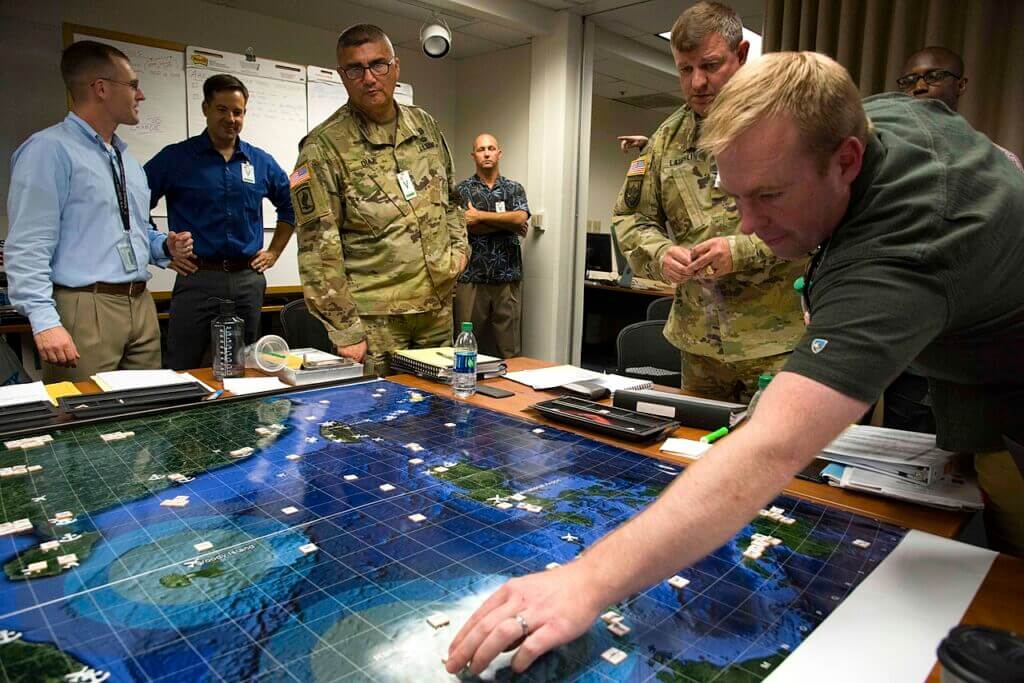
“Is a Chinese Invasion of Taiwan the Most Likely Scenario?“, Robert A. Manning, October 27, 2023
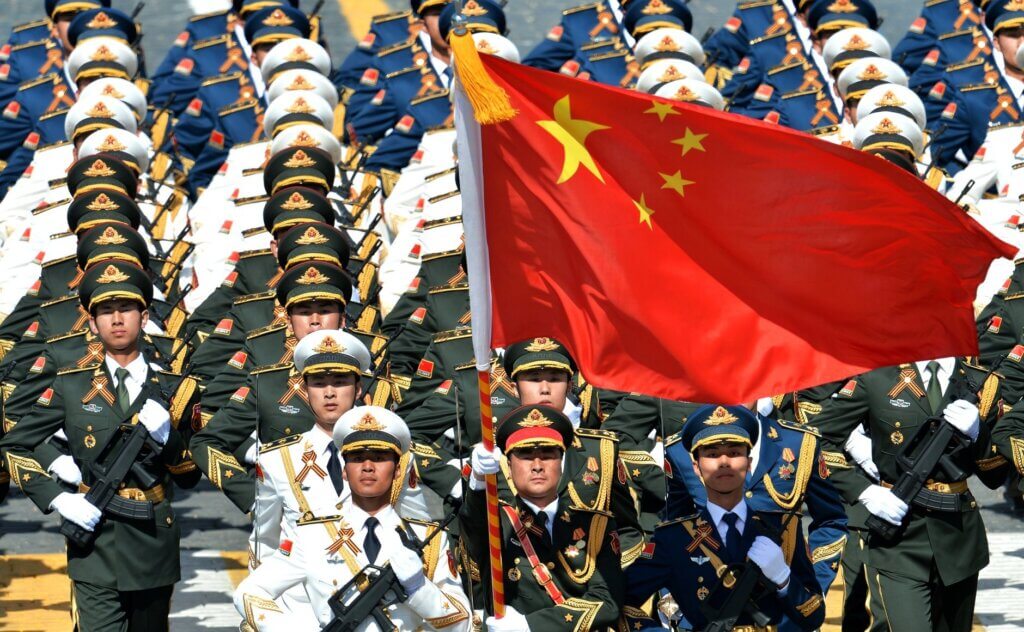
“China’s Use of Armed Coercion: To Win Without Fighting“, James Siebens, November 17, 2023