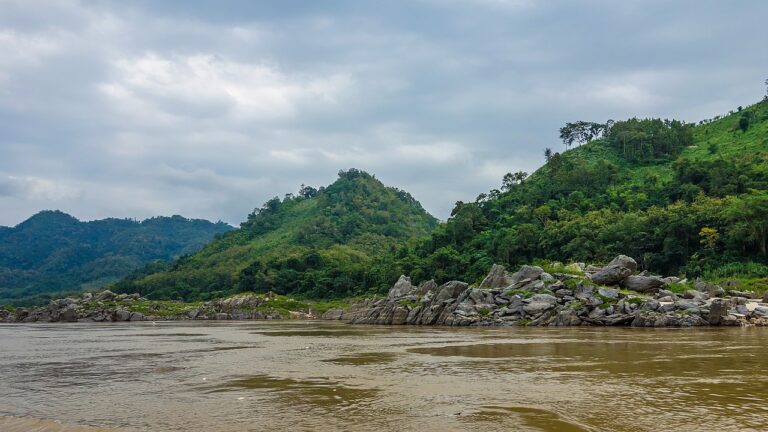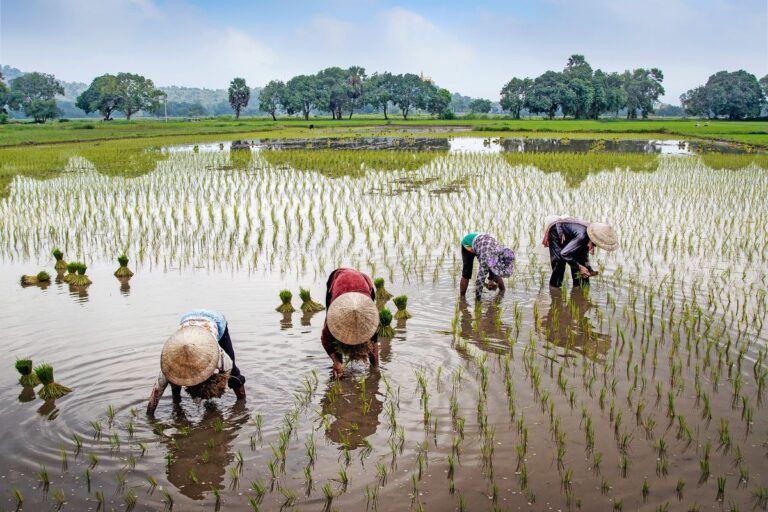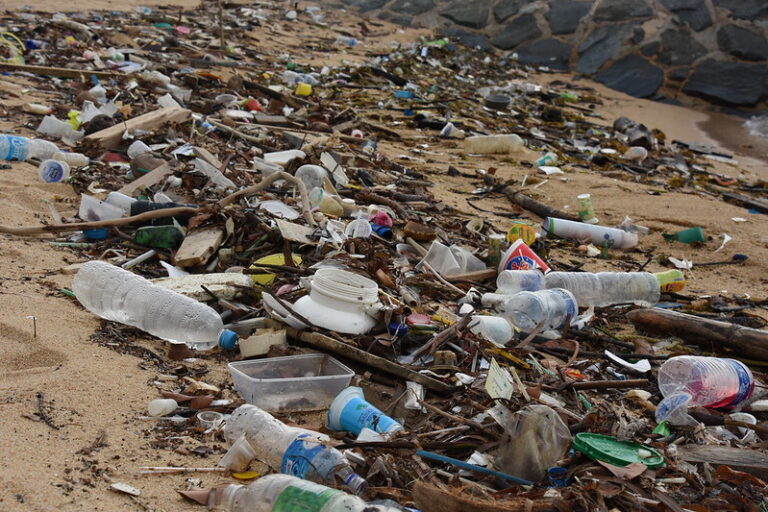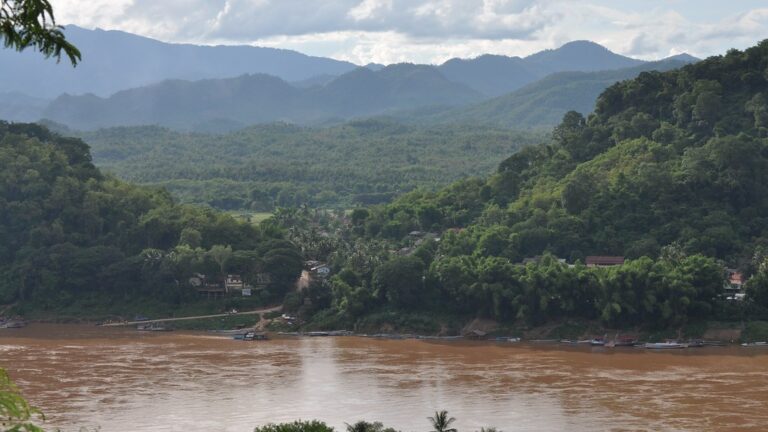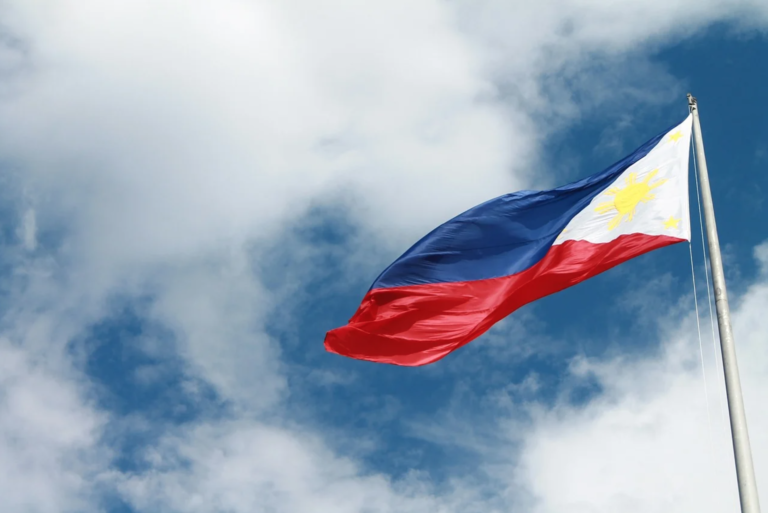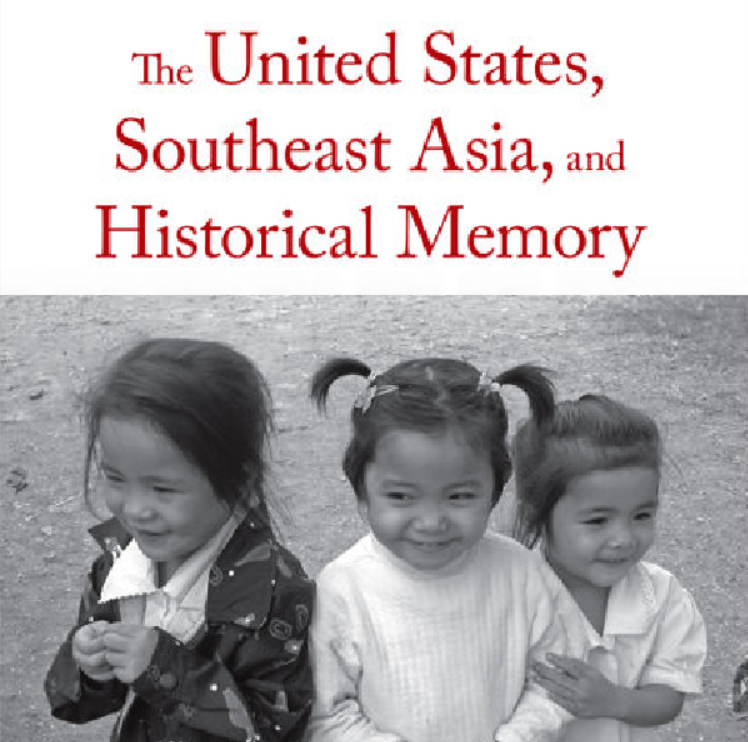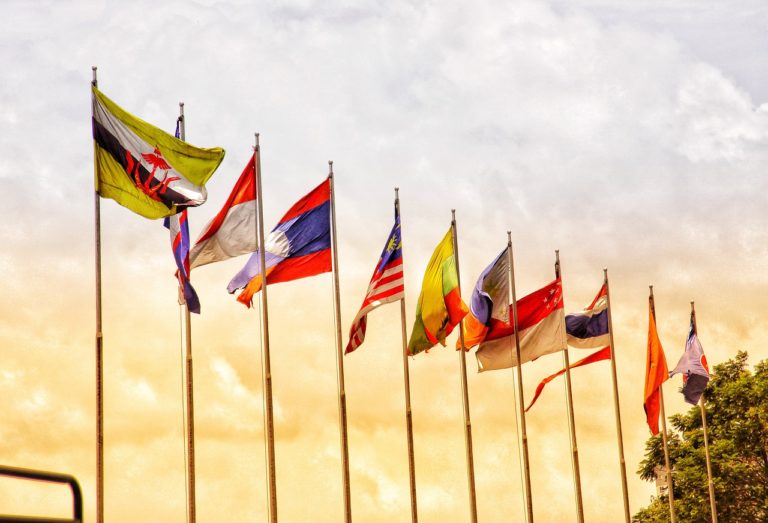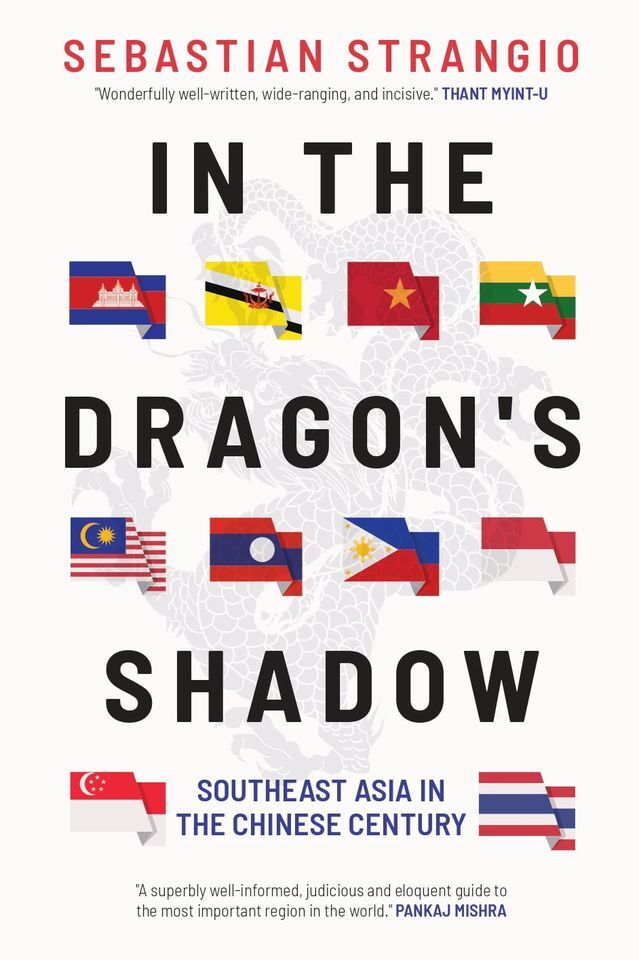







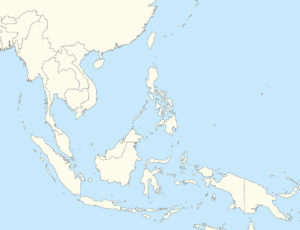


The 10 countries of Southeast Asia comprise the world’s fifth largest economy and third largest population. Most Southeast Asian countries have achieved levels of unprecedented economic growth in recent years as the conflict-ridden 20th century has transitioned to a mostly peaceful, stable 21st century. Yet, rapid economic expansion has come at a significant social and environmental costs. Looking forward, Southeast Asia is predicted to be one of the world’s most at-risk regions for disastrous effects of climate change. Today, Southeast Asia serves as a key zone of engagement for the United States and other external partners. Some suggest Southeast Asia is the premier arena for great power competition between the U.S. and China.
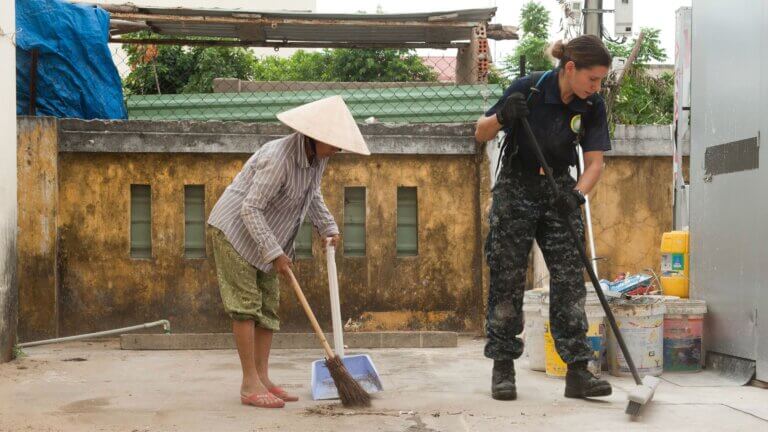
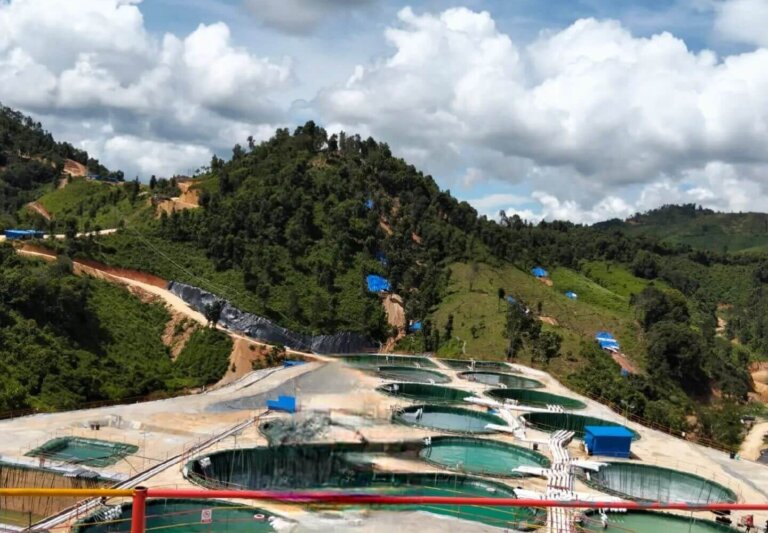
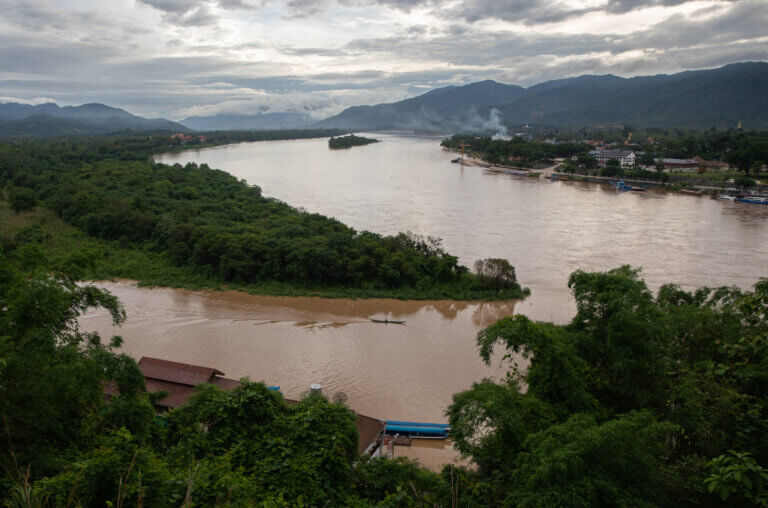
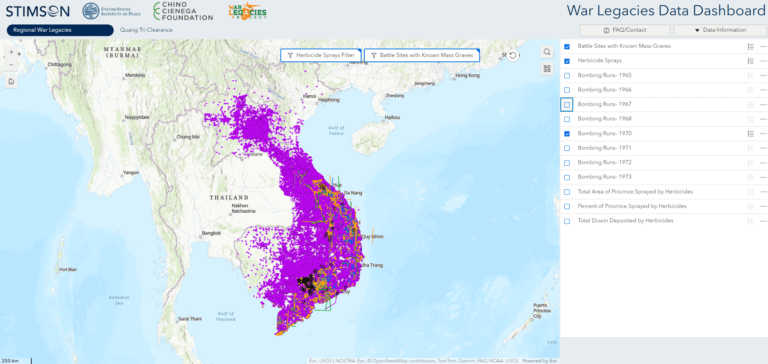
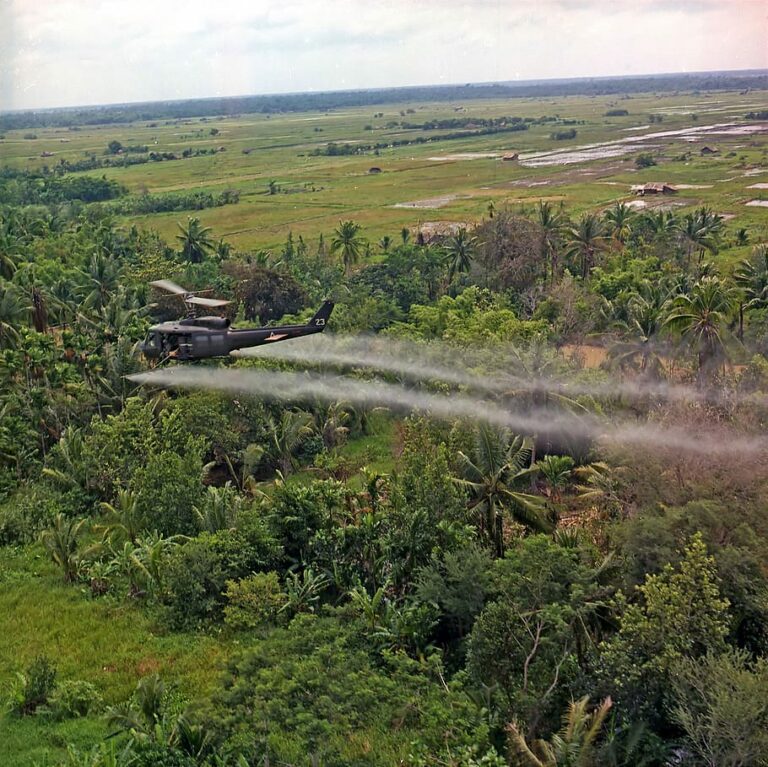
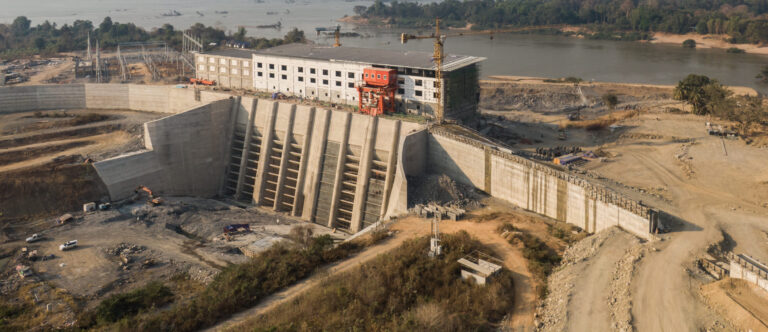
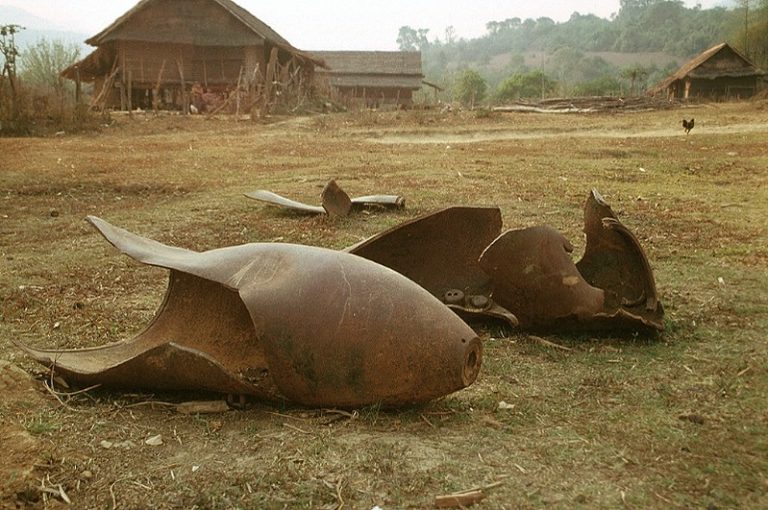
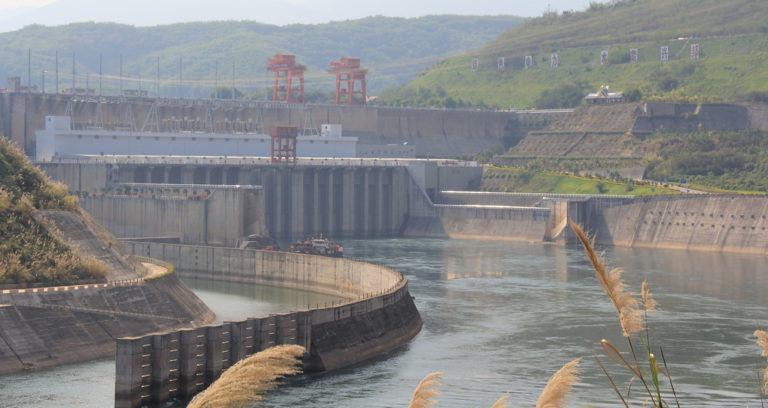
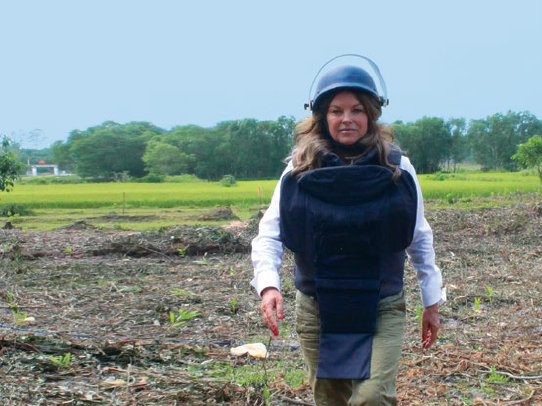
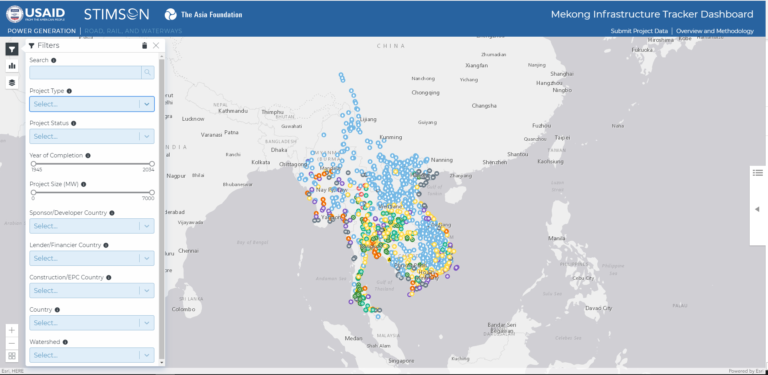
The Stimson Center’s Southeast Asia Program engages with key stakeholders in Southeast Asia, the United States, and other development partners to promote sustainable growth, peace, and security in the region. Our Mekong work focuses on data transparency and smarter planning of infrastructure development and a more equitable share of natural resources for stakeholders throughout the Mekong Basin. The Southeast Asia Forum addresses emerging issues through bridging the gap between policy development and academic research. Finally, the War Legacies Working Group convenes member organizations working on issues related to unexploded ordnance removal, mine clearing, and Agent Orange remediation and disability assistance for victims of the U.S. wars in Vietnam, Laos, and Cambodia.

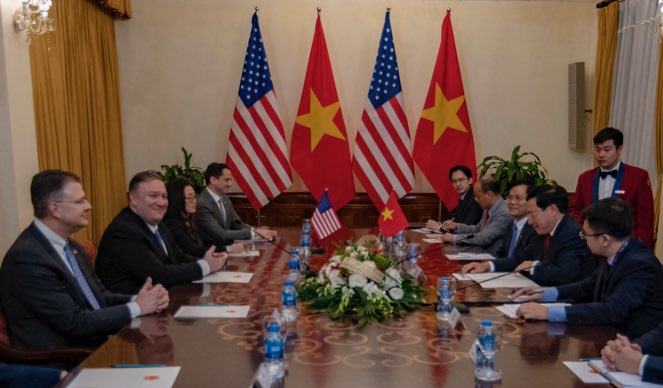
The United States and Vietnam should deepen collaboration to remediate dioxin contamination, clear unexploded ordnance, and support those disabled by war’s legacy
October 9, 2020

A starting point for students of Southeast Asia who are looking for relevant internships to complement their studies
September 18, 2020
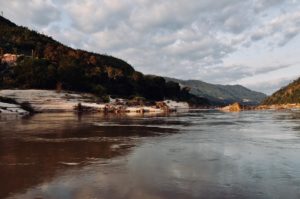
The Mekong's natural flow and the heartbeat of the Tonle Sap are being undermined by wet season water restrictions from dams in China and in downstream Mekong countries.
July 31, 2020
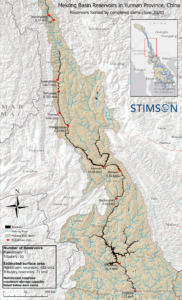
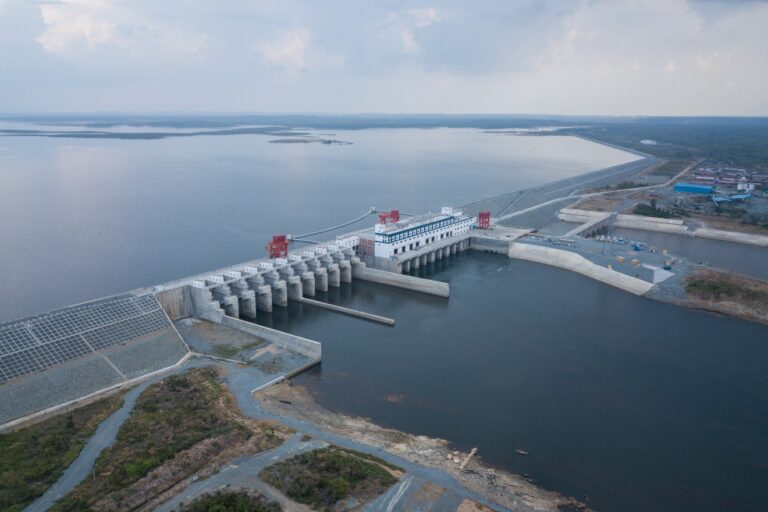
More than 100 reservoirs now hold water in China’s portion of the Upper Mekong and impact the Mekong’s natural hydrological cycle.
July 7, 2020
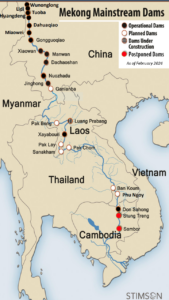
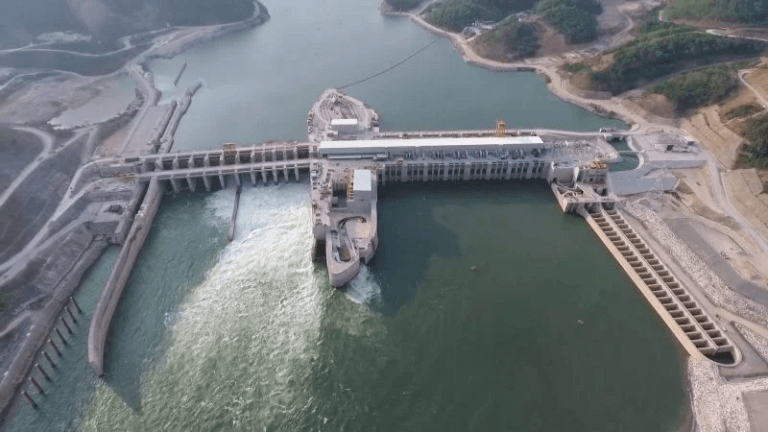
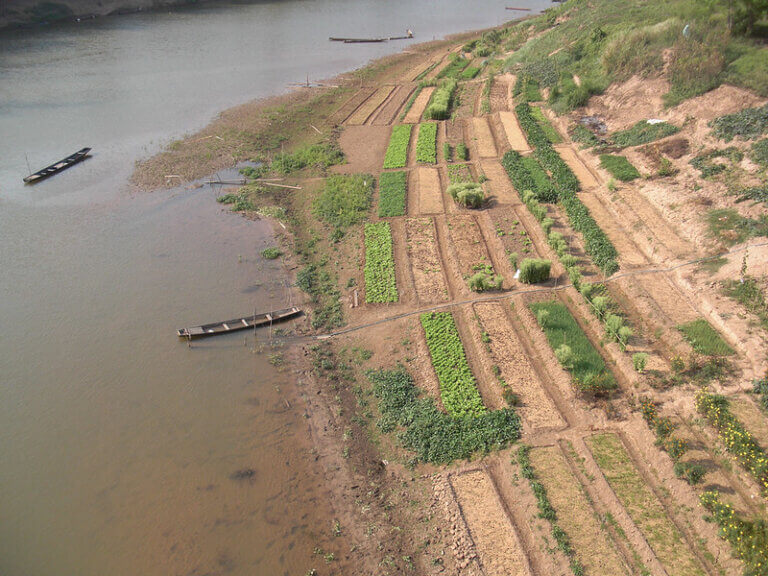
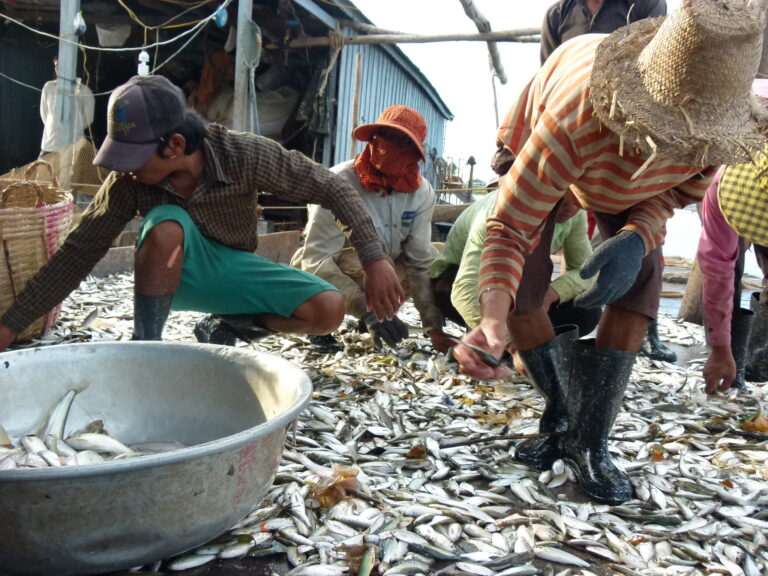
Mainstream Mekong dams have been proven time after time to devastate the river’s fisheries and agricultural processes along its floodplain.
June 23, 2020
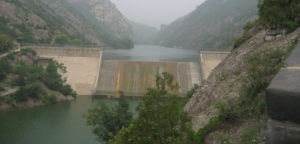
Stimson scholars consider China's dams on the Mekong, evidence of their impact downstream, policy motivations, and more
June 16, 2020
Partners and supporting organizations for the Mekong Infrastructure Tracker
May 26, 2020

FAQs about the development and use of the Mekong Infrastructure Tracker
May 26, 2020