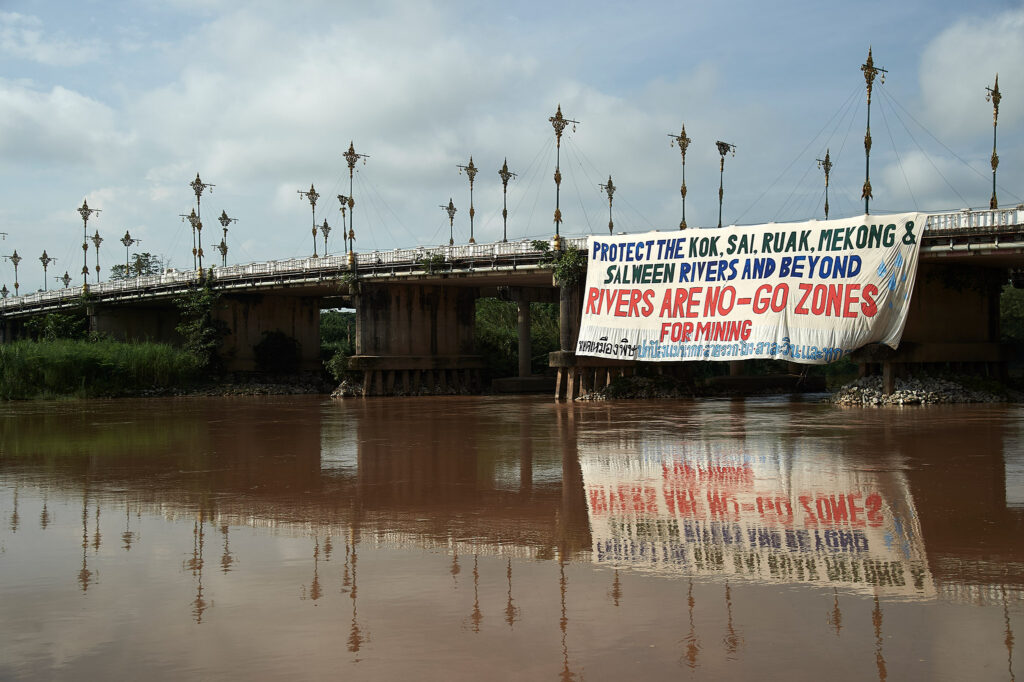
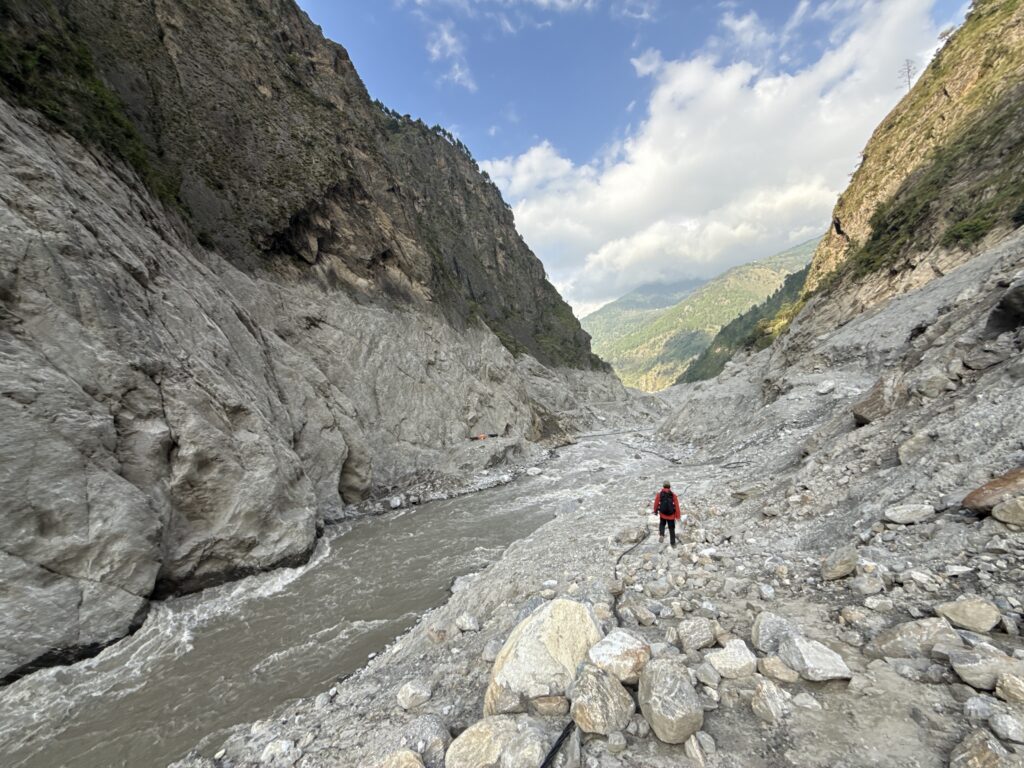
In recent years, extreme weather events such as Typhoon Yagi have increasingly caused rapid onset flooding that flows across national boundaries, devastating communities and causing billions of dollars of damage. How can countries in the Mekong improve transboundary forecasting? How can dam operators improve coordination of dam operations to reduce impacts and respond to immediate and seasonal trends in rainfall? Currently in the Mekong, major dams are filled to their maximum capacity, an observation that has not been seen since the Mekong Dam Monitor began operations in 2020? How will their dry season operations affect downstream communities who expect low river levels in the dry season to carry out their livelihoods?
Join the Mekong Dam Monitor team for its forecast for the 2025 dry season and review of major findings from the 2024 wet season.
Featured Speakers

Alan Basist, President, Eyes on Earth
Alan Basist has worked in climate sciences for almost 40 years with experience ranging from work as a research scientist in NOAA, an employee of a reinsurance company, an entrepreneur identifying climate variability and promoting mitigation and risk management strategies. In 2013 he started Eyes On Earth to service the agricultural and insurance industry on climate related investments, as well as monitoring food and water resources around the world. He is co-lead of the Mekong Dam Monitor.
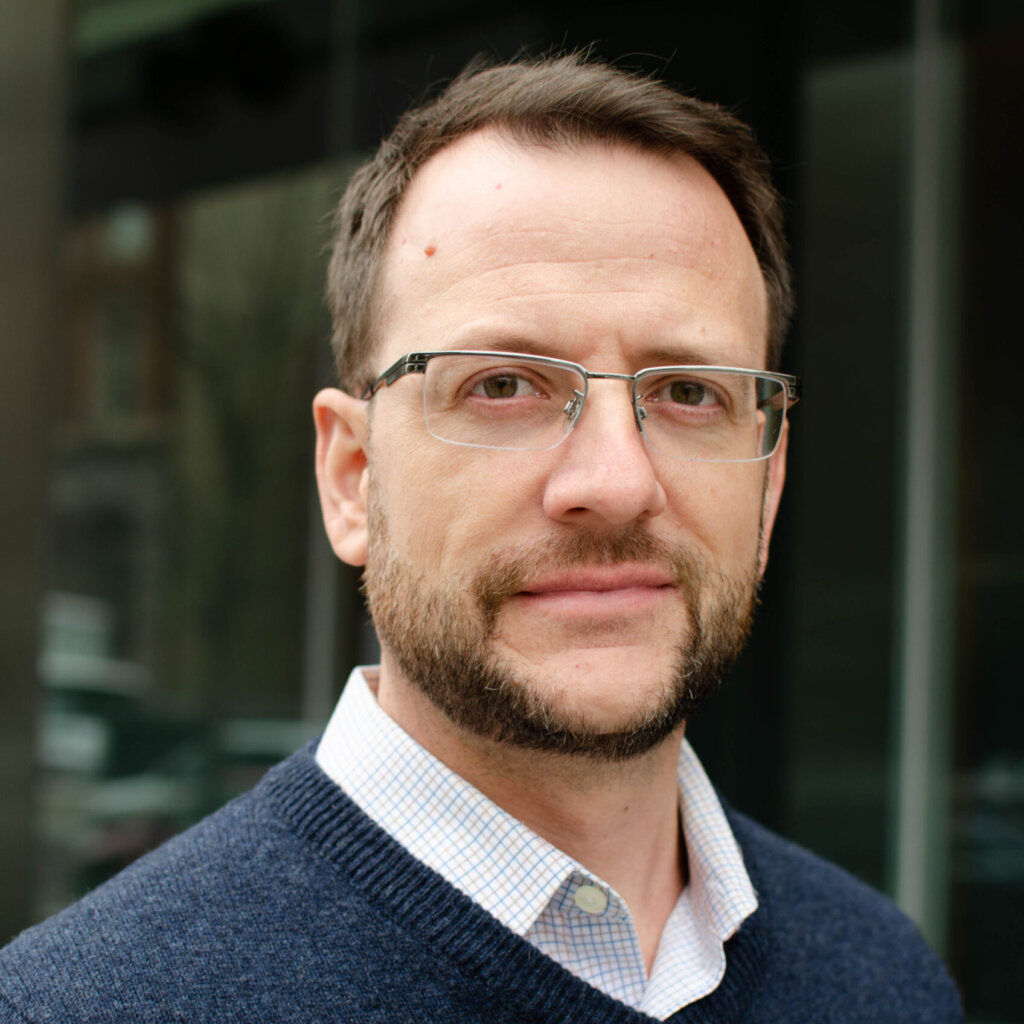
Brian Eyler, Senior Fellow and Director, Southeast Asia Program, Stimson Center
Brian is an expert on transboundary issues in the Mekong region and China’s economic cooperation with Southeast Asia. He is widely recognized as a leading voice on environmental and water security issues in the Mekong. Brian co-leads the Mekong Dam Monitor, winner of 2021 Esri Special Achievement in GIS Award, 2021 Prudence Foundation’s Disaster Tech Competition, and Renewable Natural Resources Foundation’s 2021 Outstanding Achievement Award.

Zeb Hogan, Host of National Geographic’s Monster Fish
Zeb Hogan, PhD, is a research biologist at the University of Nevada, Reno and the United Nations Convention on Migratory Species Scientific Councilor for Fish. Hogan hosts National Geographic’s television series Monster Fish, and his research focuses on migratory fish ecology, fisheries management, and endangered species issues.

Nguyen Y Nhu, Head of Department of Hydrology and Water Resources, Vietnam National University of Science
Nhu’s research focuses on improving flood damage assessment in rural and agricultural areas. Nhu developed methods to estimate inundation depth and quantify uncertainties in flood damage. Currently, she is investigating discharge variability and its teleconnections to improve understanding of flood dynamics. By providing insights and tools for policymakers, her research aims to enhance preparedness and response to floods, ultimately minimizing socio-economic impacts and strengthening resilience.
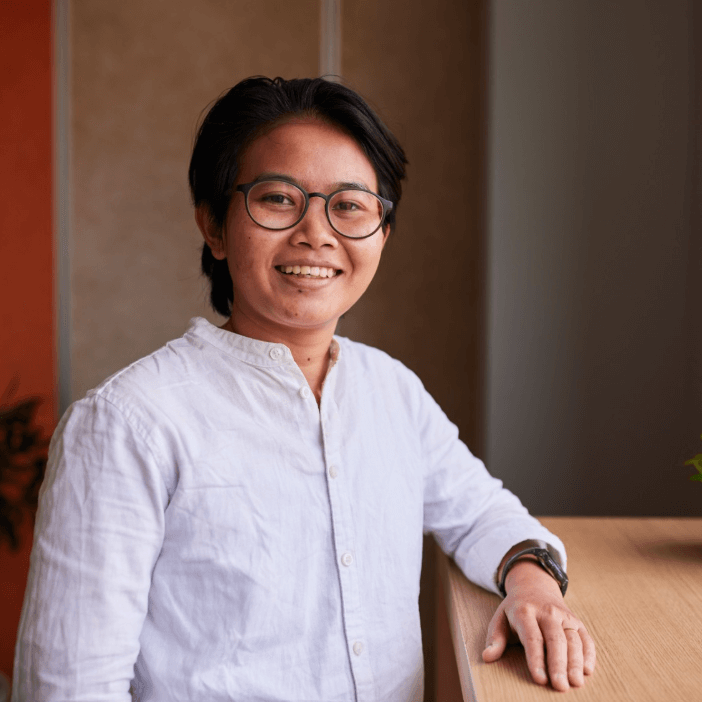
Srey Lakh Mech, Technical Climate Resilience Coordinator, Mekong Regional Water Governance Program, Oxfam
Lakh works to strengthen climate resilience in the Mekong subregion, focusing on data sharing and early warning for riparian communities. She takes a human centered and country-based design approach, centering on environmental and social inclusion. Her work seeks to ensure marginalized communities’ access to information and ability to cope with disaster and adapt to climate change. She facilitated a co-designed study for actionable and accountable data-sharing in Cambodia’s Tonle Sap Lake.

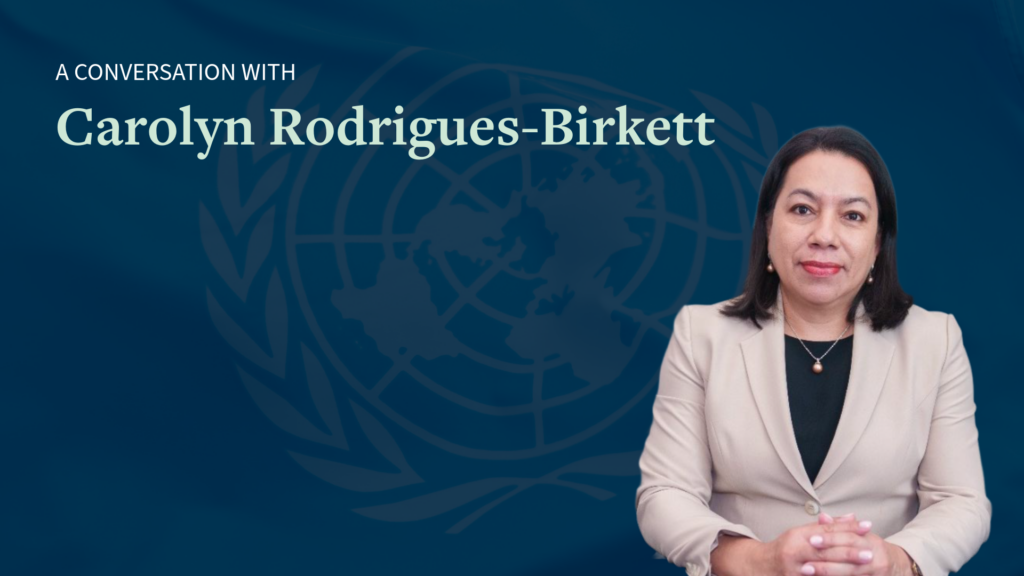
Courtney Weatherby, Southeast Asia Deputy Director, Stimson Center (Moderator)
Courtney’s research focuses on sustainable infrastructure and the nexus of water, energy, and food issues in the Greater Mekong Subregion. She was a lead author on a range of technical and policy studies related to system-scale planning, electricity trade, and clean energy developments. She supports the team’s data-driven work through platforms like the Mekong Dam Monitor and the Mekong Infrastructure Tracker.