

2025: Year in Impact Rooted in evidence. Rising to meet complexity. In 2025, Stimson deepened its foundations and broadened its impact, delivering rapid analysis, launching new programs, and shaping conversations across the globe.
From the President’s Desk…
“This year reminded us that the world does not pause for us to catch our breath. Complex crises unfolded quickly, innovative technologies altered the global security landscape, and geopolitical dynamics shifted beneath our feet. Yet through it all, the Stimson team remained grounded in rigorous analysis and trusted partnerships, rooted in the values that define who we are, while rising to meet new challenges with creativity, agility, and determination. In 2025, we expanded our global reach, launched new programs, deepened our engagement in fragile regions, and contributed insights that helped policymakers, journalists, and communities navigate uncertainty.
I defy you to point to another think tank that can draw as direct a line between the work that it does and the positive impact it has on the world. I am deeply grateful to everyone across this institution whose work made these accomplishments possible. Together, we are building the foundations for an even stronger 2026.”
Brian Finlay, President & CEO
Publications
0
Public Events
0
New Programs Launch
0
Event Attendees
0
k+
Media Hits
0
k+
Countries Engaged
0
Rooted in Results
Stimson released over 486 publications, hosted 84 public events, and garnered over 27,000 media hits, reflecting a year of unparalleled impact. These numbers underscore Stimson’s growth and commitment to producing actionable insights, convening global stakeholders, and influencing critical policy dialogues.
https://youtu.be/KKZXLx79n6M PART I Resilience in Action Strengthening global stability, protecting civilians, navigating crises, and countering disinformation in 2025. Clarity Amid Crisis
In 2025, the South Asia Program produced some of the earliest and most influential analysis of the May India–Pakistan crisis. Our flagship report on the conflict, authored by non-resident fellow Dr. Christopher Clary, has become the definitive account of the events and their strategic implications – and is now the single most-read publication in Stimson’s history.
Alongside this public analysis, the program also convened a series of discreet engagements that offered timely insights to policymakers and informed strategic reflection across the region. These efforts included real-time virtual dialogues held at the height of the crisis, as well as a private workshop that brought together U.S. experts and former policymakers with firsthand experience managing regional crises past and present.
Centering Civilian Experiences in Conflict Zones
This year, the Protecting Civilians and Human Security program deepened its role as a global thought leader on the future of peace operations, especially on how missions without explicit protection mandates can still safeguard civilian lives. Through fieldwork in Colombia, Liberia, Cyprus, and the Democratic Republic of the Congo, the team brought forward the voices and experiences of communities living closest to conflict.
Central to this work was Verifying Peace, Promoting Protection, Julie Gregory and Elias Yousif’s influential report on Colombia’s UN Verification Mission. The publication advanced evolving conversations among the UN, member states, civil society, and affected populations about the scope and capacity of UN Special Political Missions (SPMs) to promote civilian safety — even when protection is not written into their mandate.
https://youtu.be/YHRmDMh6MKA Strengthening Accountability and Resilience in Cyberspace
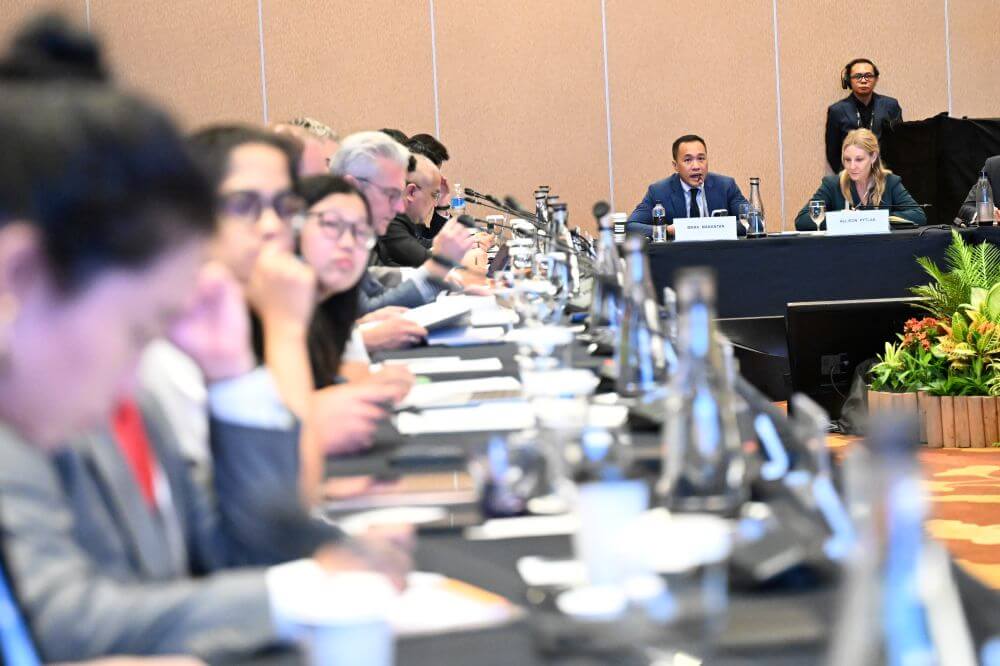
The Cyber Program deepened regional engagement by hosting a multistakeholder workshop in Bangkok, where government officials, cybersecurity experts, and private-sector actors from across Southeast Asia examined cyber norms, accountability, and the application of international law in cyberspace. This workshop laid groundwork for more coordinated regional approaches to cyber risk.
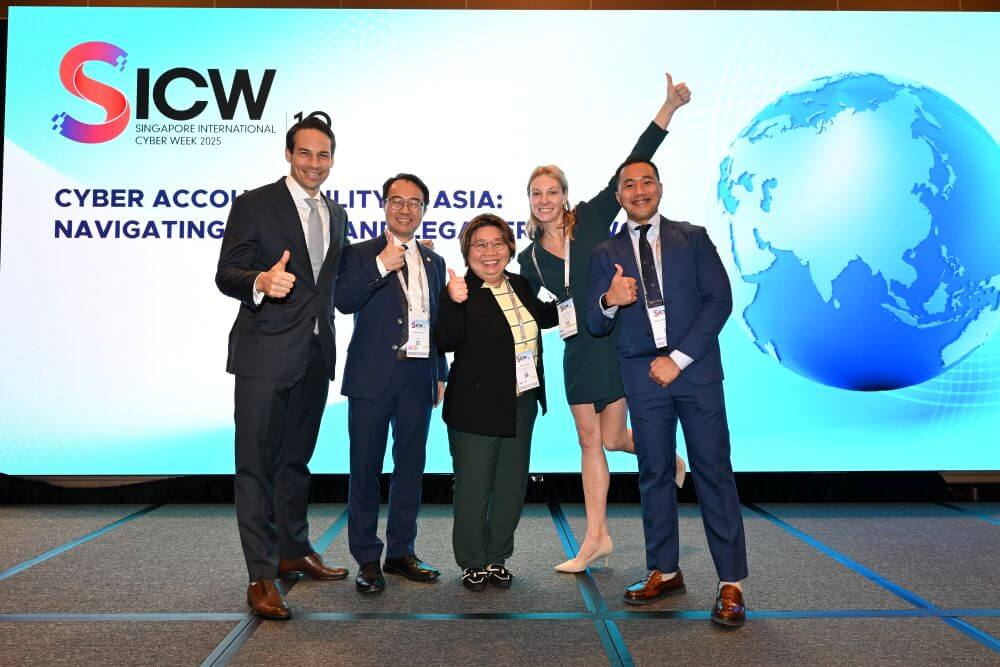
The team then co-organized an official side event at Singapore International Cyber Week, convening more than 40 participants from over 10 countries to discuss attribution, transparency, and cyber accountability — an event recognized in SICW’s opening keynote.
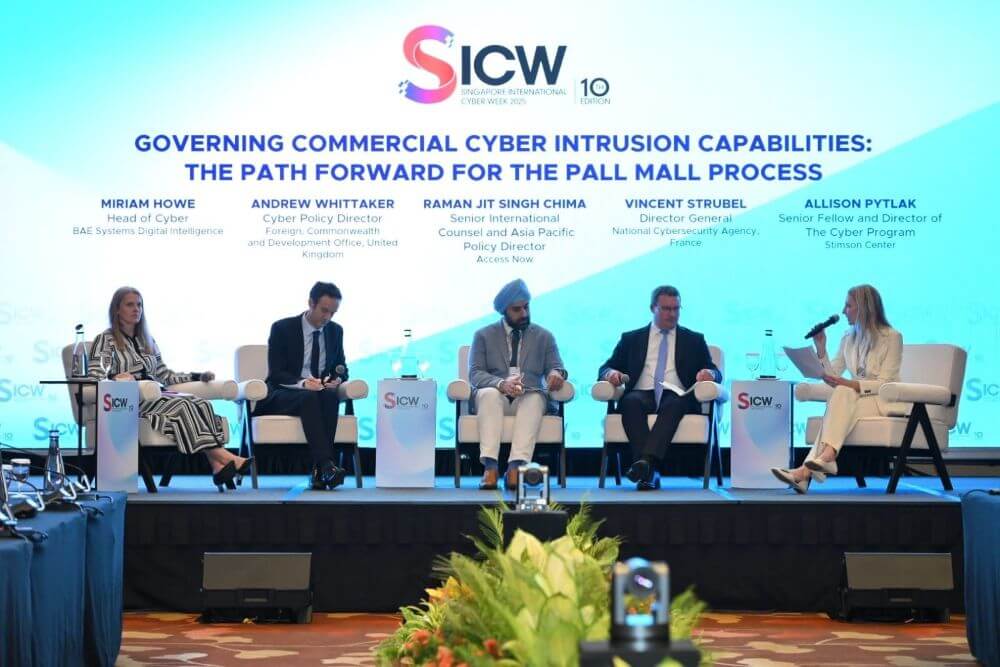
The program also advanced global thinking on cyber deterrence through the publication of a major report, reframing deterrence strategy by arguing that accountability must be central to managing irresponsible, unlawful, and destabilizing behavior in cyberspace.
At the same time, the program partnered with the Southeast Asia Program to tackle the rise of cross-border digital scams through a series of three online workshops culminating in their explainer, illustrating how countries from Australia to Singapore are adapting law and policy to confront a rapidly evolving threat landscape.
Protecting Coastal Cities and Marine Resources
The Environmental Security Program continued to lead global efforts to understand and manage climate risk. New CORVI assessments for Belize City and Aruba provided local governments with detailed climate-risk profiles to guide adaptation investments and long-term resilience planning.
To connect risk data with financing solutions, the program co-hosted “Closing the Climate Finance Gap in Fragile States” with the Green Climate Fund. This high-level dialogue elevated barriers vulnerable states face in accessing funds and emphasized the need for flexible, context-specific financing models.
https://youtu.be/YORsrjcfCCA Past event Closing the Climate Finance Gap in Conflict-Affected States: A Conversation with the Green Climate Fund A discussion on how to close the climate-finance gap in fragile and conflict-affected countries, exploring opportunities to ensure that no one is left behind in the global effort to build climate resilience. Reimagining the Future of Arms Governance
The Conventional Defense Program advanced global understanding of arms transfers, defense cooperation, and emerging security risks through a wide portfolio of analysis. In 2025, the team produced six major reports and several briefs exploring the role of mercenaries in escalation, reduced transparency in weapons transfers, and shifting patterns of security cooperation affecting regional stability.
The program also strengthened policy engagement through testimony before the House Armed Services Committee, scenario-based discussions on private military companies for DTRA, and high-level dialogues on arms transparency and defense cooperation. Together, these accomplishments positioned Stimson as a leading voice on responsible and effective conventional defense governance.
Reports, Issue Briefs,
Papers
0
Commentaries
0
Multimedia research
products
0
Public Events
0
Major media hits
and citations
0
Roundtables, roundtables,
& table-top exercises
0
Presentations
0
Deepening Strategic Cooperation with Japan
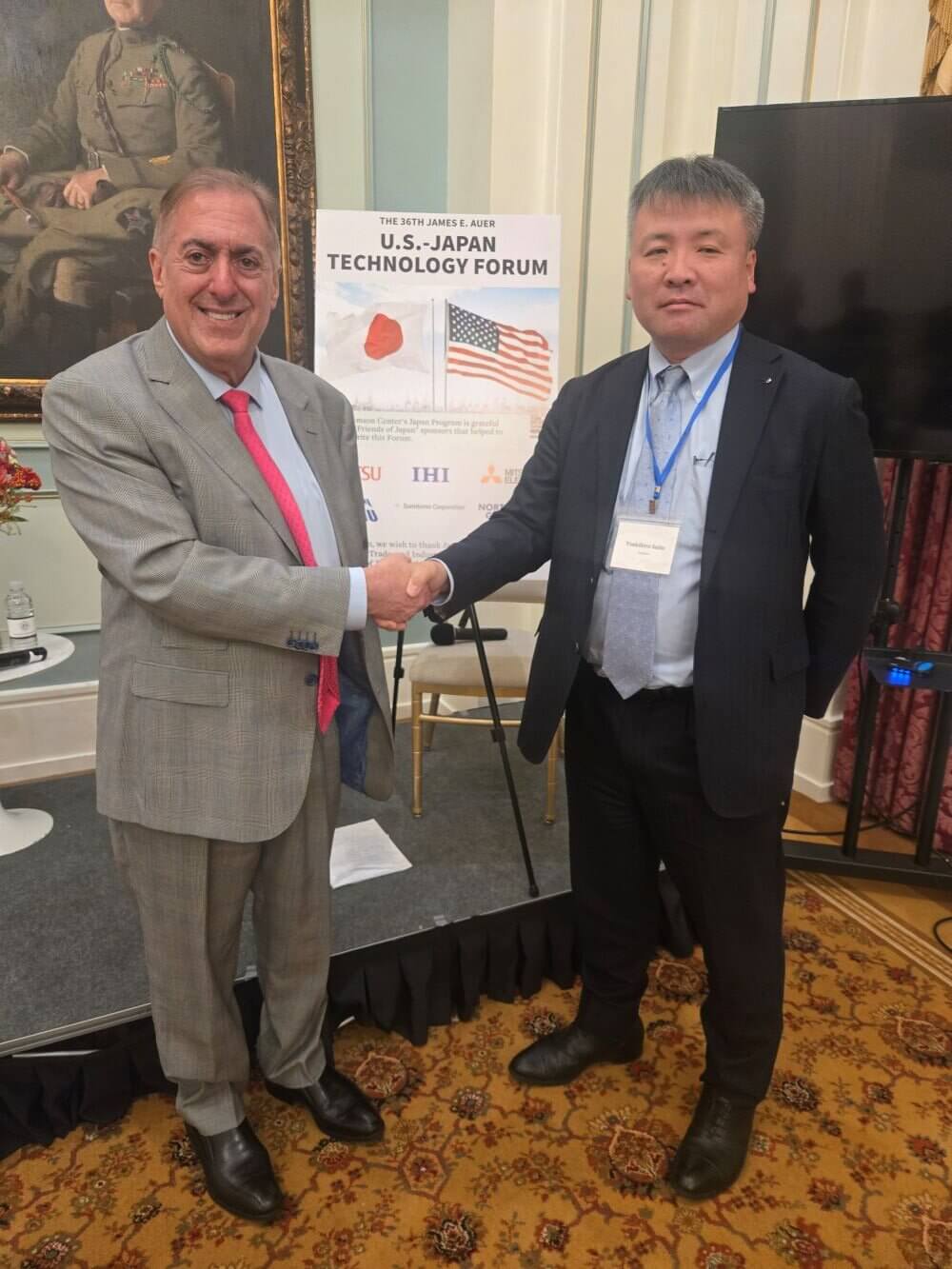
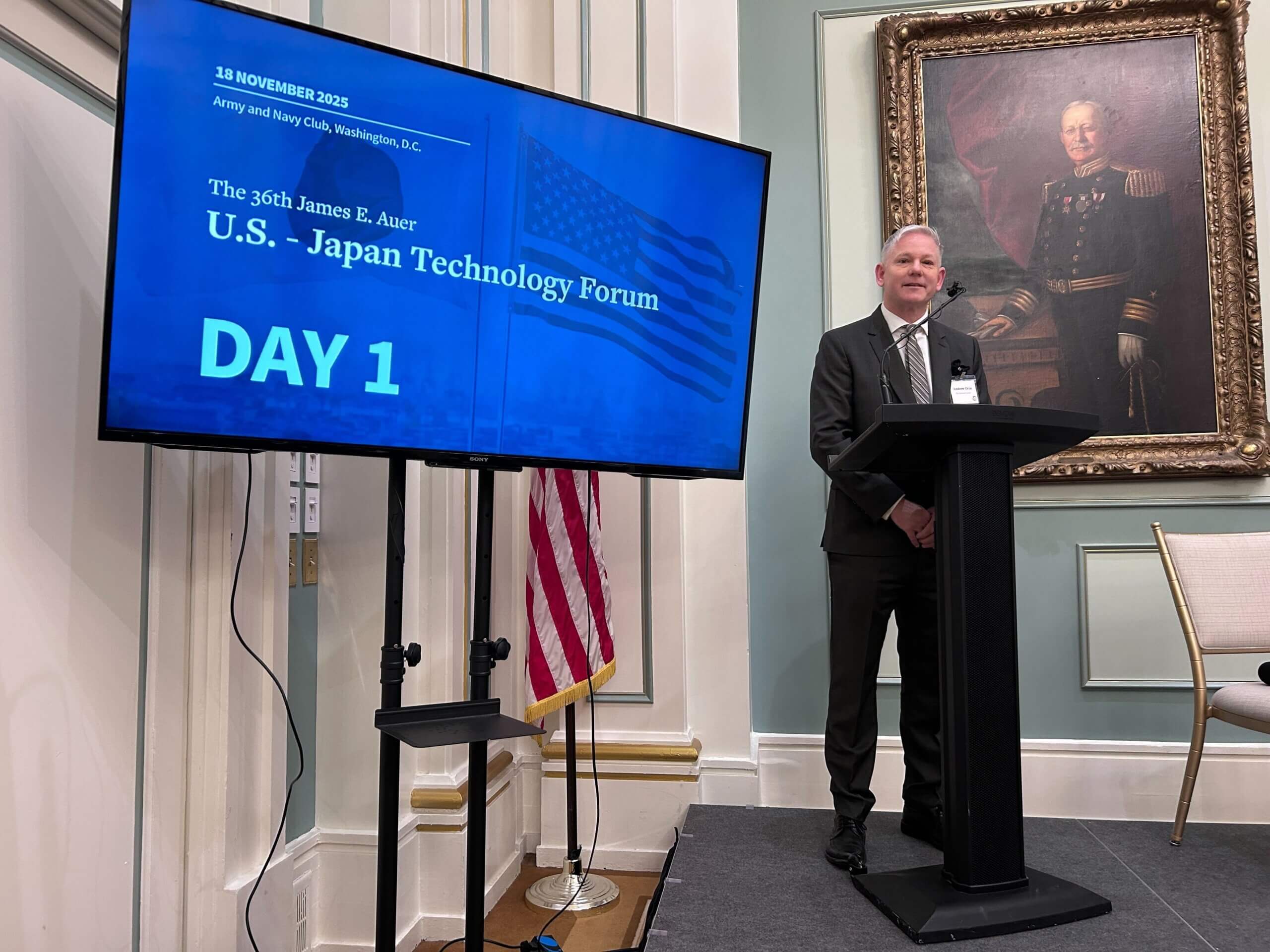
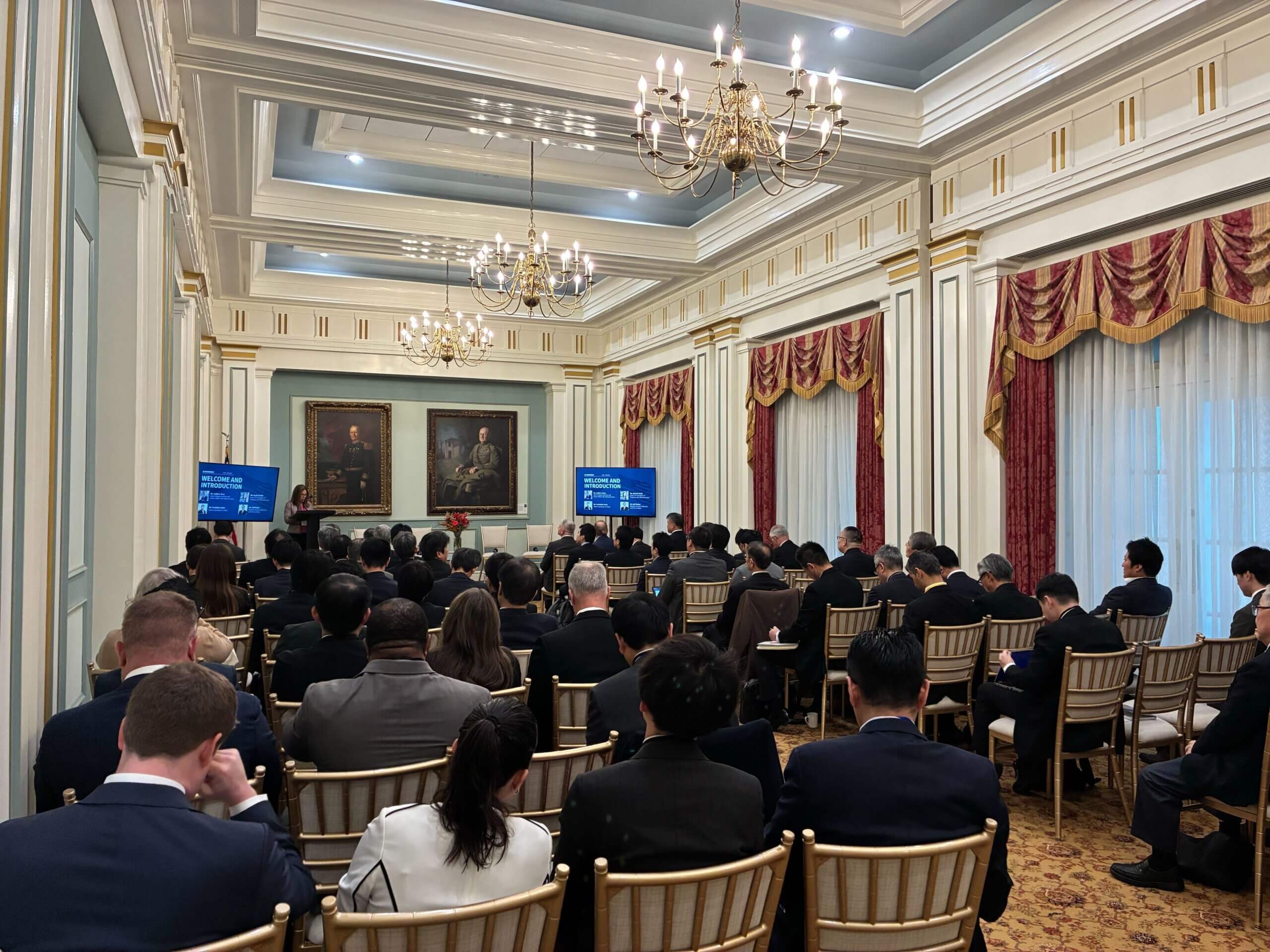
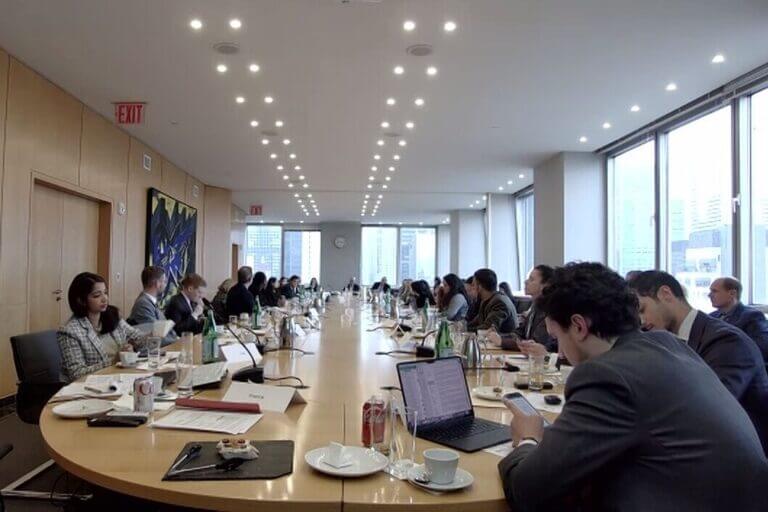
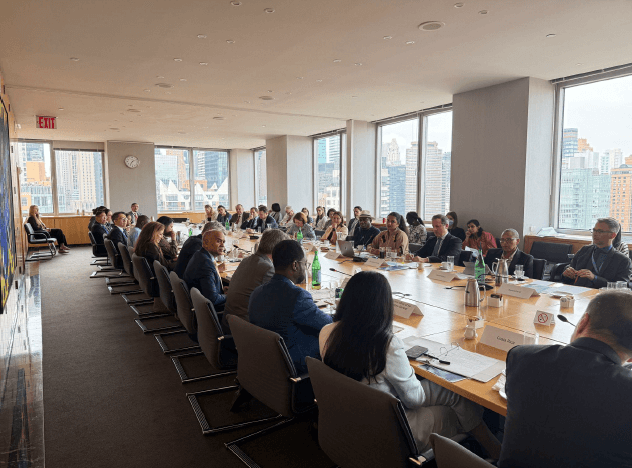
The Japan Program reinforced US–Japan strategic collaboration in 2025 through its flagship event, the 36th Annual US–Japan Technology Forum, co-hosted with METI. This two-day gathering brought together senior officials, industry leaders, and academic experts to examine how emerging technologies — including AI governance, dual-use innovation, unmanned systems, and space capabilities — are reshaping the Indo-Pacific security landscape.
The forum fostered deeper dialogue on aligning US–Japan innovation agendas and produced shared insights on how both countries can adapt together to rapid technological change. Its discussions contributed to a stronger, more resilient alliance and underscored Japan’s central role in regional stability at a time of accelerating geopolitical and technological shifts.
New Expertise on a Region in Turmoil
The Middle East Perspectives project delivered timely analysis throughout the third year of regional conflict, offering clear, grounded insights on Gaza, regional escalation dynamics, and Gulf security postures. Contributors based in the region provided firsthand perspectives on unfolding events, enriching public understanding of a complex landscape.
The program also expanded analysis on political repression in Turkey and shifts in Iranian domestic sentiment, including rare commentary from inside Tehran following Israeli strikes. These contributions offered audiences nuanced context and underscored the program’s commitment to elevating on-the-ground voices from across the Middle East.
Read more from Middle East Perspectives
Challenging Assumptions in U.S. Defense Strategy
The National Security Reform Program brought fresh scrutiny to entrenched U.S. defense assumptions, most notably through analysis reexamining traditional narratives around a potential conflict over Taiwan. Publications by Dan Grazier, James Siebens, and MacKenna Rawlins attracted widespread attention, reshaping public discourse on U.S. risk calculus and military planning.
The program also advanced bold critiques of U.S. defense structures, including Julia Gledhill’s argument for nationalizing defense industry segments as a means of improving accountability and efficiency. Collectively, these efforts pushed national security debates toward more innovative and evidence-based policy solutions.
Navigating Technology’s Impact on Security
The Converging Tech Program advanced global thinking on how emerging technologies — including AI, autonomous systems, and advanced sensors — intersect with nuclear risk and international security. Publications such as MATCH 2.0 and A Critical Juncture provided new frameworks for policymakers navigating tech-driven disruption.
The program also convened high-level dialogues with regulators and academic partners, including a major public event with UNSW that examined nuclear futures and technology governance. These initiatives strengthened Stimson’s leadership at the intersection of technology and global security.
https://www.youtube.com/watch?v=oV-5Y8YFq-c Engineering the Future: Navigating a Nuclear Tomorrow On February 25, Stimson convened a high-level discussion featuring Professor Robin Grimes, Professor of Materials Physics at Imperial College London and former Chief Scientist to the UK government, and Professor Iain MacGill, Professor in the School of Electrical Engineering and Telecommunications at UNSW and Joint Director of the Collaboration on Energy and Environmental Markets. The event brought together leading experts at the intersection of energy systems, advanced materials, and environmental sustainability for a wide-ranging conversation on emerging technologies and their implications for global security and climate resilience. Redefining America’s Strategic Future
The Reimagining U.S. Grand Strategy Program helped reshape national conversations around U.S. foreign policy through Kelly Grieco’s widely cited work on military innovation and strategic adaptation. Her analysis — featured in outlets such as The New York Times and Foreign Affairs — challenged long-held assumptions about U.S. competitive advantages and brought fresh thinking into mainstream debate.
The program also advanced critical discussions on nuclear modernization and deterrence. Publications by Chris Preble, Lucas Ruiz, and Geoff Wilson, including Gambling on Armageddon, offered pointed critiques of existing U.S. nuclear strategy and highlighted opportunities for more responsible, effective approaches. Together, these contributions strengthened public understanding of U.S. strategic choices during a period of accelerating global change.
Driving Innovation in Global Governance
The Global Governance, Justice & Security program played a central role in supporting global governance reform through the Pact Innovation Forum, which convened governments, civil society, and practitioners to develop practical pathways for implementing the UN’s Pact for the Future. This network-building created space for cross-sector collaboration.
The program also released major research products — including the Global Governance Innovation Report and Justice in Action — that provided new frameworks for strengthening environmental governance, accountability, and multilateral cooperation. These accomplishments positioned the program as a leading voice in governance innovation.
Anticipating Russia’s Strategic Trajectories
The Strategic Foresight Hub completed a major two-year study assessing Russia’s potential geopolitical trajectories. This analysis integrated modeling, expert interviews, and historical comparison to help policymakers prepare for long-term strategic uncertainty.
Public dialogue and briefings based on the report elevated understanding of Russia’s internal dynamics and future paths. Together, this work strengthened anticipatory governance at a moment of global instability.
Interpreting China’s Strategy in a Shifting World
The China Program provided clear, actionable insight into topics ranging from China’s media influence strategies to the geopolitics of rare earth mining. These analyses deepened global understanding of China’s evolving domestic and foreign policy posture.
Public engagements, commentary, and high-level discussions reinforced Stimson’s role in contextualizing China’s behavior within shifting regional and global systems. The program’s work helped audiences navigate a rapidly transforming strategic environment.
Exploring North Korea’s Socioeconomic and Political Trends
In addition to its continued authoritative monitoring of North Korean military, WMD, political, economic, and social developments, 38 North advanced a deeper understanding of North Korea’s internal landscape through new research from its inaugural Emerging Scholars cohort, whose work examined economic development trends, Pyongyang’s evolving ties with Southeast Asia, and the personal diplomacy shaping Kim Jong Un’s relationship with Vladimir Putin.
The program also hosted an event showcasing year-long research on North Korea’s 20×10 regional development initiative, analyzing how this high-profile project fits into the country’s post-pandemic priorities and highlighting key uncertainties that will determine whether the initiative represents meaningful economic reform or superficial progress.
Exposing the Realities of a Hidden Humanitarian Crisis
The Rakhine State project strengthened engagement with communities and experts across Bangladesh and Myanmar, offering rare insight into the humanitarian, political, and security implications of escalating violence. These interactions informed more nuanced, field-connected analysis of the crisis.
Senior Fellow Steve Ross briefed policymakers and diplomatic missions, highlighting U.S. interests and regional instability risks. The program’s combined analysis and outreach improved international understanding of a rapidly evolving crisis.
Learn more about the project
https://youtu.be/y6QXAR-xEZo?t=2348 TESTIMONY
Congressional Testimony – No Exit Strategy: Burma’s Endless Crisis and America’s Limited Options
Testimony before the House Foreign Affairs Subcommittees on East Asia and the Pacific and South and Central Asia Evidence That Moves Policy
In 2025, the Southeast Asia Program delivered high-impact, data-driven work linking environmental risk, governance, and resilience. In November, the team released a groundbreaking dataset mapping more than 2,400 unregulated mining sites across mainland Southeast Asia, revealing heavy metal contamination risks in 43 river systems and sparking a global media conversation. The publicly accessible data empowered citizen scientists and journalists to test local environments and prompted concrete government action, including a nationwide mining audit by Cambodia’s Ministry of Environment and interest from the government of Laos. The work was widely covered by Reuters, CNN, Channel News Asia, UPI, and regional outlets.
The program also advanced disaster preparedness through its Nepal Early Warning Systems (EWS) project, providing full-spectrum support to Nepal’s Department of Meteorology and Hydrology for an Impact-Based Forecasting pilot. This included a six-month system assessment, a national workshop, regional forecaster training, and strengthened coordination with local disaster risk managers — helping translate climate data into actionable early warnings for vulnerable communities.
Learn more about the project
PART II Strategic Growth Investing in new programs, new tools, and global partnerships that shape Stimson’s future. In 2025, Stimson expanded its global footprint with the launch and evolution of five major programs that strengthen the institution’s regional expertise and long-term strategic depth.
Latin America Program
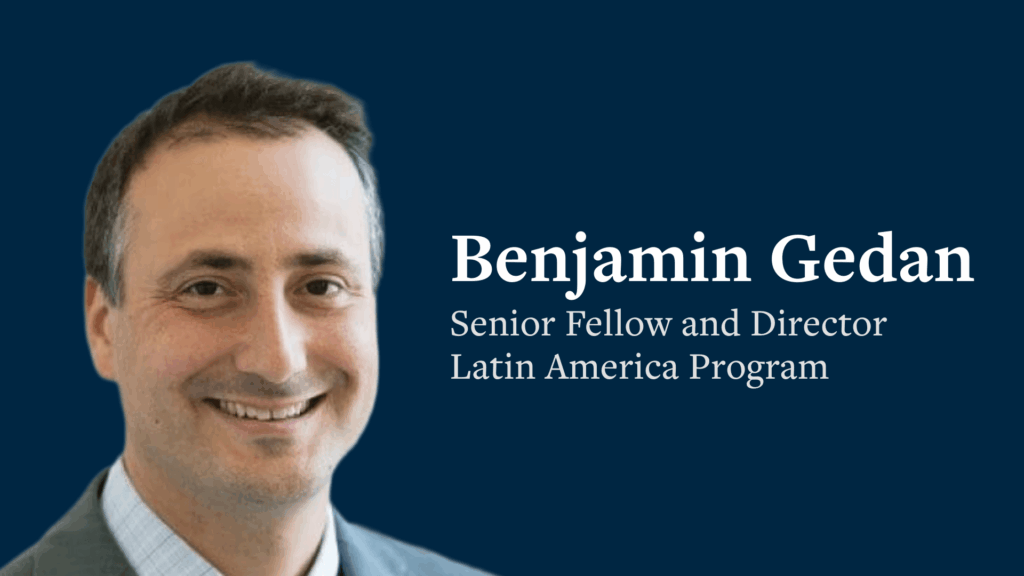
Launched in 2025 under the leadership of Benjamin Gedan, the Latin America Program expands Stimson’s engagement across the region, focusing on democratic governance, security, energy transitions, and economic development. The program brings policymakers, civil society, and regional experts into dialogue to generate practical, forward-looking solutions for a more resilient and inclusive hemisphere.
Middle East Program
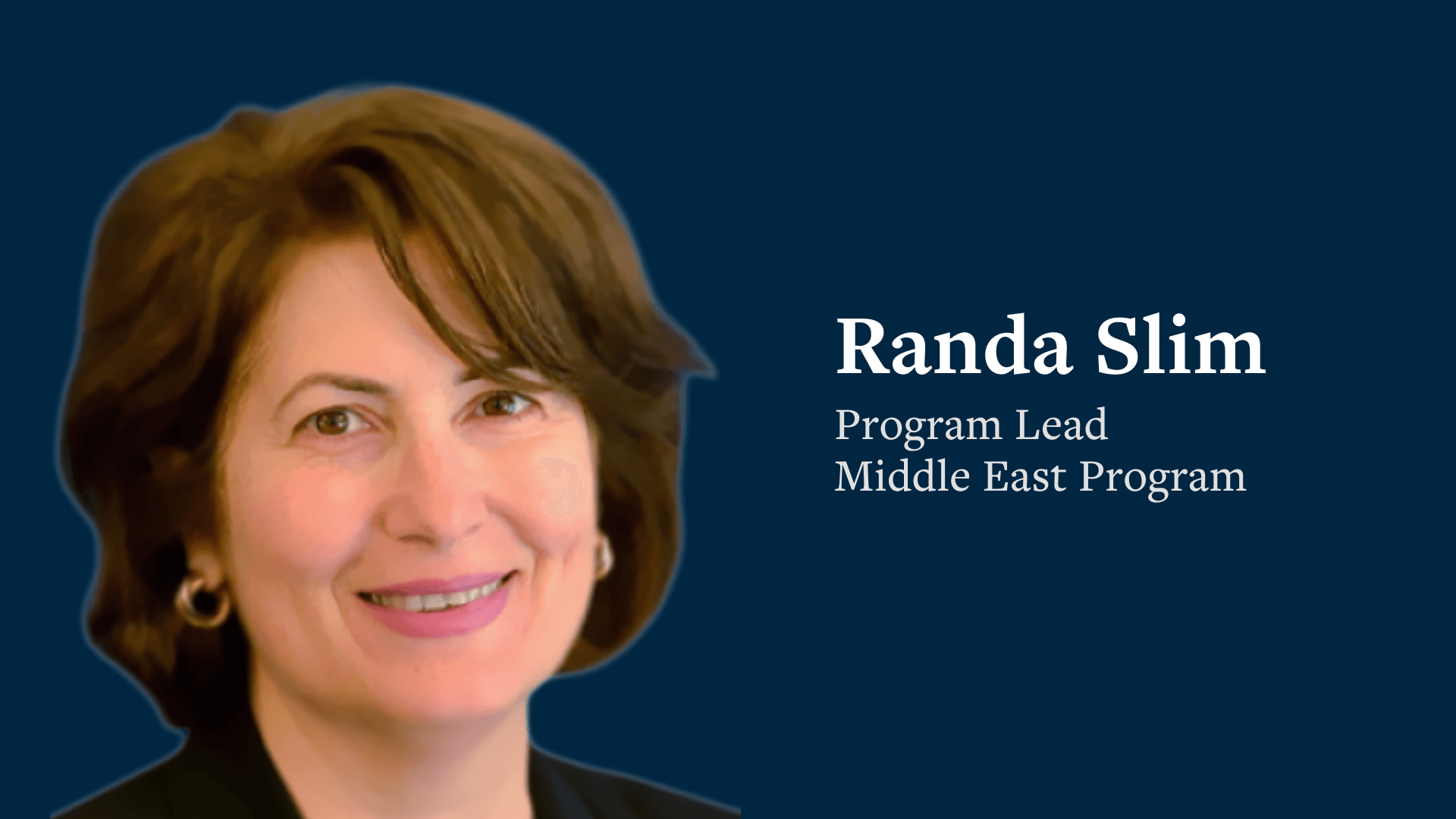
Under the leadership of Randa Slim, the Middle East Program expands Stimson’s capacity to analyze political, security, and diplomatic developments across the region. The program deepens engagement with regional experts, elevates local perspectives, and provides timely, nuanced analysis to help policymakers navigate a rapidly evolving Middle East.
North Africa Program
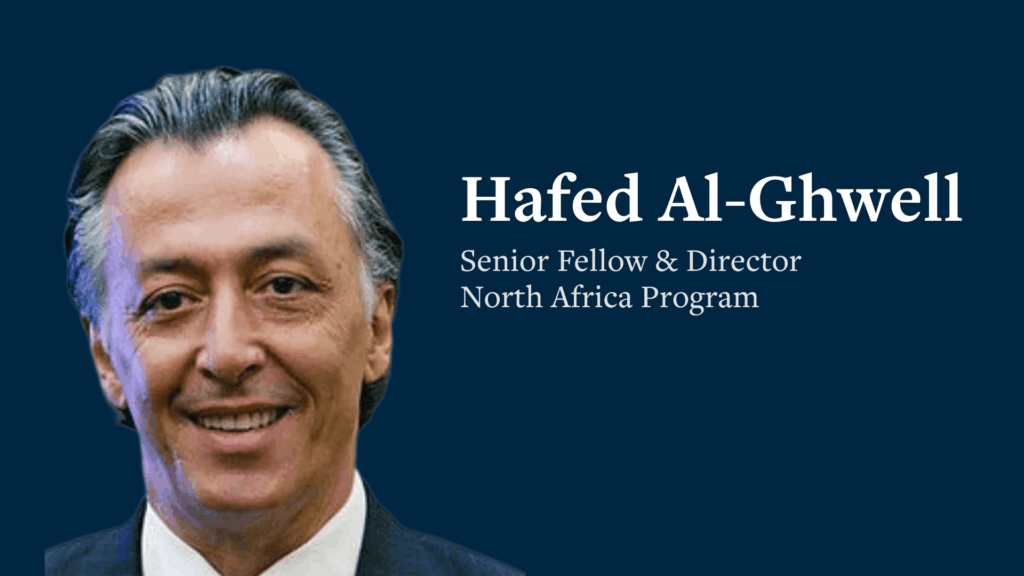
Led by Hafed Al-Ghwell, the newly launched North Africa Program quickly established itself with the debut of Maghreb Weekly and a high-profile Ambassador Series. The program delivers rigorous, policy-relevant analysis on the political and economic forces shaping the Maghreb and broader North Africa.
Japan Program
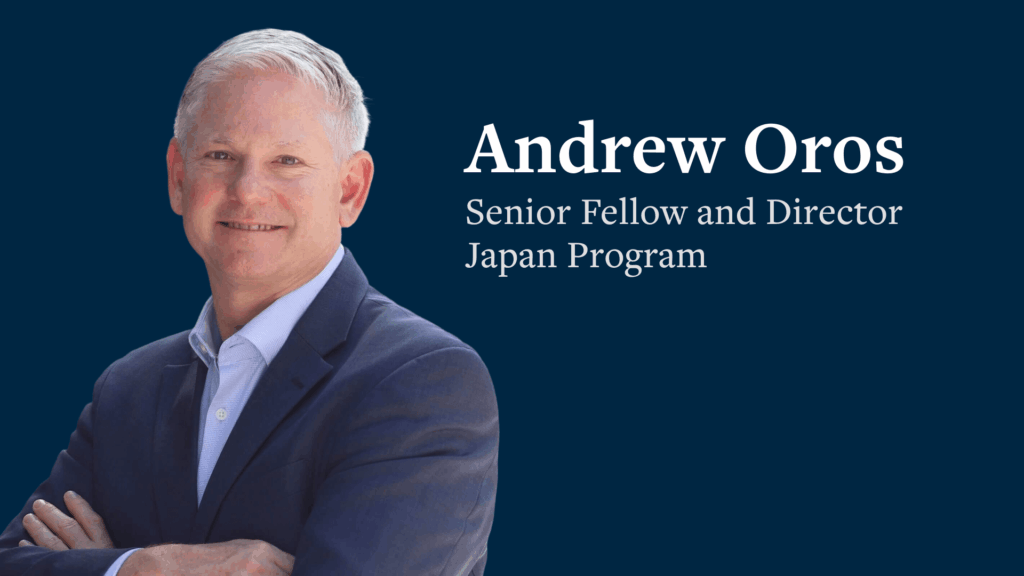
The Japan Program entered a new era with Dr. Andrew Oros as director, bringing deep field expertise and a strong public presence to Stimson’s Indo-Pacific work.
Under his leadership, the program expanded its intellectual footprint through publications, policy engagement, and public scholarship.
Korea Program
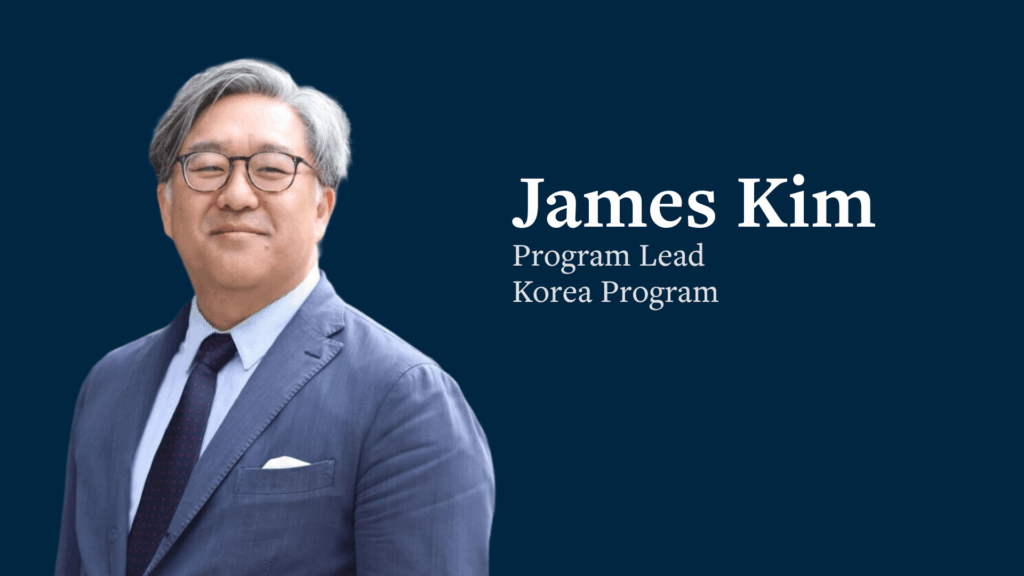
In late 2025, Stimson relaunched its Korea Program under new leadership by James Kim, sharpening its focus exclusively on South Korea.
The program began developing new projects on alliance strategy, technology and economic security, and South Korea’s global leadership, laying the groundwork for an expanded portfolio in 2026.
Learn more about the Program
 Expanding Our Environmental Voice
 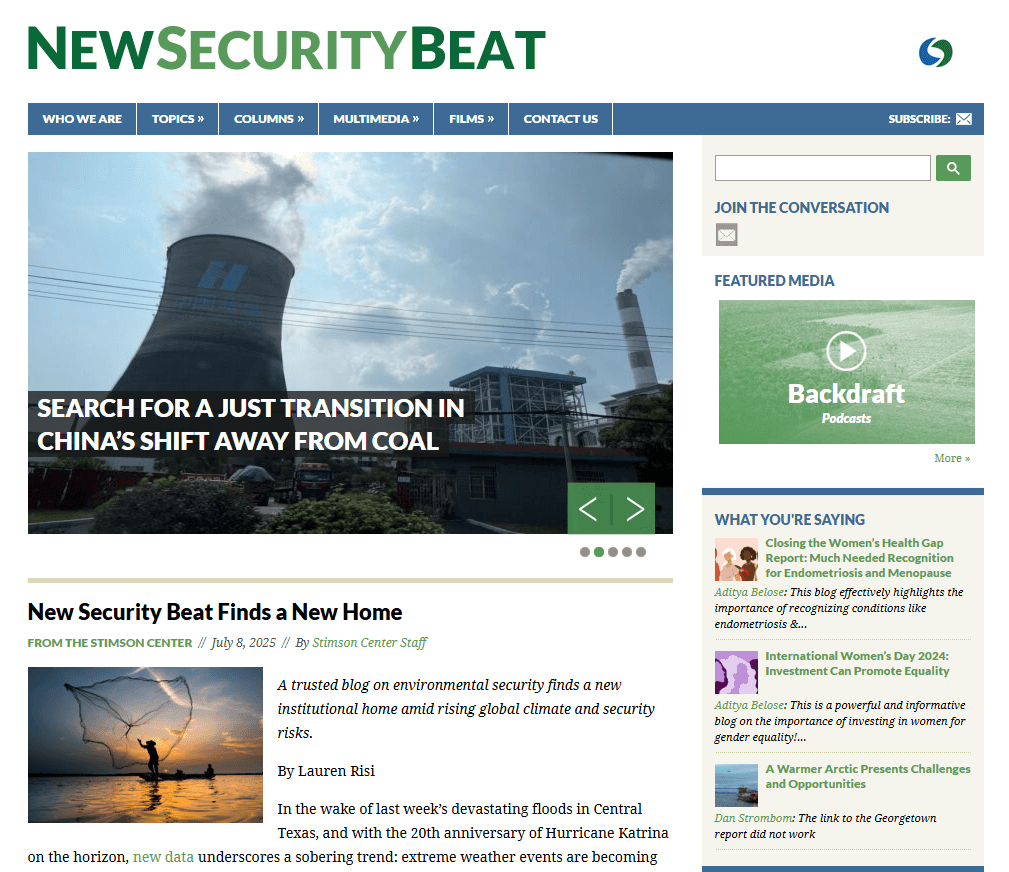 WEBSITE New Security Beat A platform spotlighting bold research at the nexus of climate, environment, health, population, and global security.
New Security Beat found a new and permanent home at the Stimson Center this year, integrating into the Environmental Security Program’s growing portfolio.
Its transition strengthened Stimson’s capacity to communicate complex climate and environmental security issues with clarity, accessibility, and global reach. NSB now serves as a storytelling engine across the Stimson Center, connecting rigorous research to wider public audiences and amplifying Stimson’s environmental voice.
Launching Dialogue Across Divides
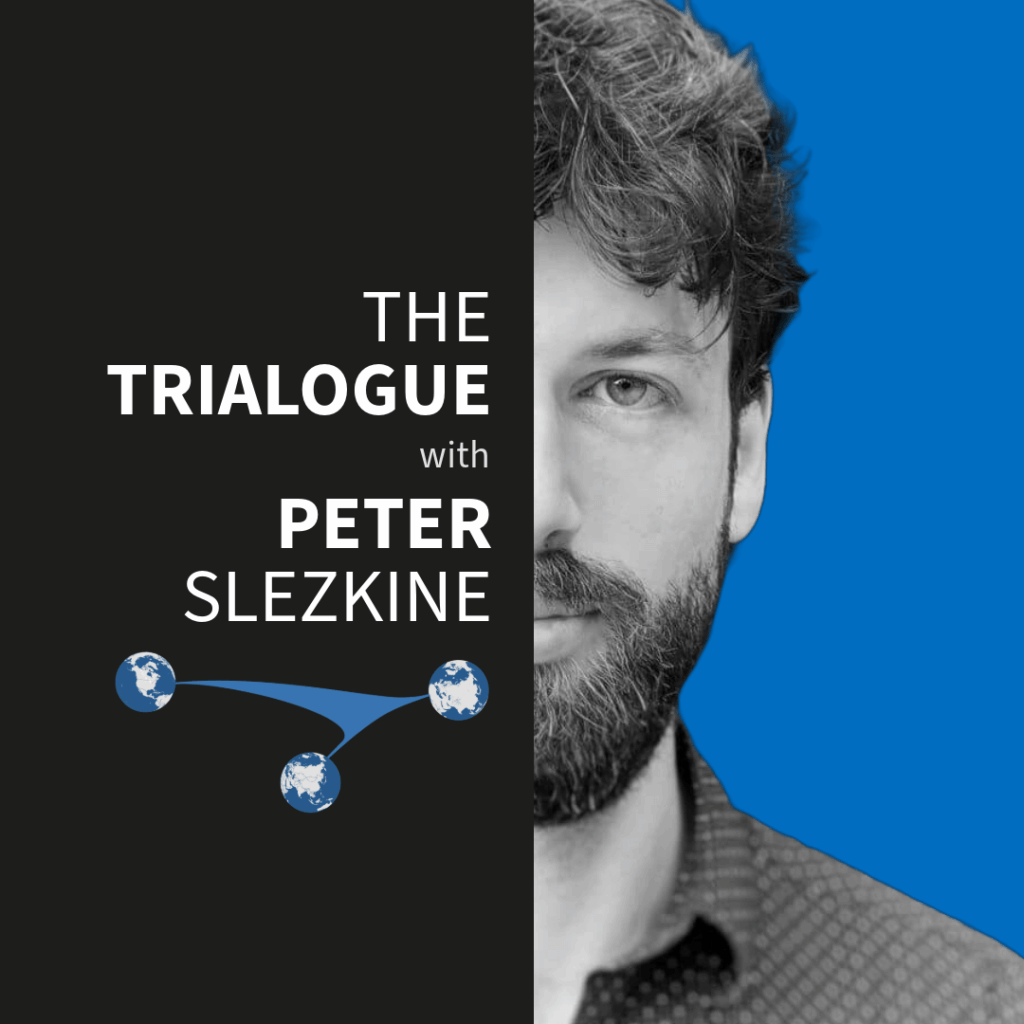
The Russia Program expanded its platform by launching The Trialogue, a podcast exploring global order through perspectives from the United States, Russia, China, and beyond. The series featured historians, national security experts, and former diplomats examining the legacies and future of great power politics.
The podcast added a dynamic, conversational format to Stimson’s Russia analysis, reaching new audiences and fostering deeper engagement at a moment of heightened geopolitical tension. It established the program as a bridge for complex, multidirectional dialogue.
In a landscape marked by fracture, the Russia Program offered something increasingly rare: a forum for thoughtful, informed conversation capable of shaping long-term thinking.
Establishing a Leading Voice on the Maghreb
Launched this summer, the North Africa Program quickly established itself as a trusted voice through more than 18 analytical products covering political, economic, and security dynamics across the North African region. This rapid output demonstrated the team’s deep regional grounding. The launch of the Maghreb Weekly digest, North Africa Insights commentary series and the successful start to an Ambassador event series, expanded the program’s visibility and impact. Together, these developments positioned the program as a critical hub for Maghreb-focused analysis.
https://youtu.be/ga-6eVndKjs Past event A Conversation with H.E. Sabri Boukadoum, Ambassador of Algeria to the United States A conversation on Algeria’s reforms, regional security, and U.S.–Algeria relations. https://youtu.be/kluw7YQM7O8 Past event A Dialogue with H.E. Nadia Fettah Alaoui: Navigating Morocco’s Path to Growth and Resilience A fireside chat Morocco’s economic agenda, global engagement, and relationship with the IMF and World Bank.
Learn More about the program
Advancing Global Perspectives on AI Governance  Global Perspectives: Responsible AI Fellowship Convening stakeholders from developing countries to discuss artificial intelligence, evaluate the technology’s impact around the world, and propose responsible ways forward
The Strategic Foresight Hub renewed its Global Perspectives: Responsible AI Fellowship for a third year in partnership with Microsoft’s Office of Responsible AI, strengthening Stimson’s ties to the Global South and expanding its network of emerging AI governance leaders. This year’s cohort brought together seven new fellows from the Dominican Republic, India, Nigeria, South Africa, and Turkey, each contributing distinct regional insights to global debates on responsible technology development.
The successful redesign of the fellowship’s webpage and the launch of a public-facing webinar series increased the program’s visibility and reach, drawing more than 2,000 webpage visits in the final quarter of the year and over 100 attendees at each event. These milestones deepened engagement with global audiences and reinforced the Hub’s leadership in shaping inclusive, forward-looking approaches to AI governance.
Innovating Access to DPRK Analysis
38 North launched the North Korea TechLab, a dedicated analytical hub that maps North Korea’s digital ecosystem, including surveillance tools, cyber operations, and information control systems. The platform offers policymakers structured, data-driven insight into the DPRK’s rapidly evolving digital landscape.
The program also introduced a new Quarterly Briefing product synthesizing political, economic, military, and technological developments. Together, these tools expanded public access to authoritative, tightly curated analysis on one of the world’s most opaque states.
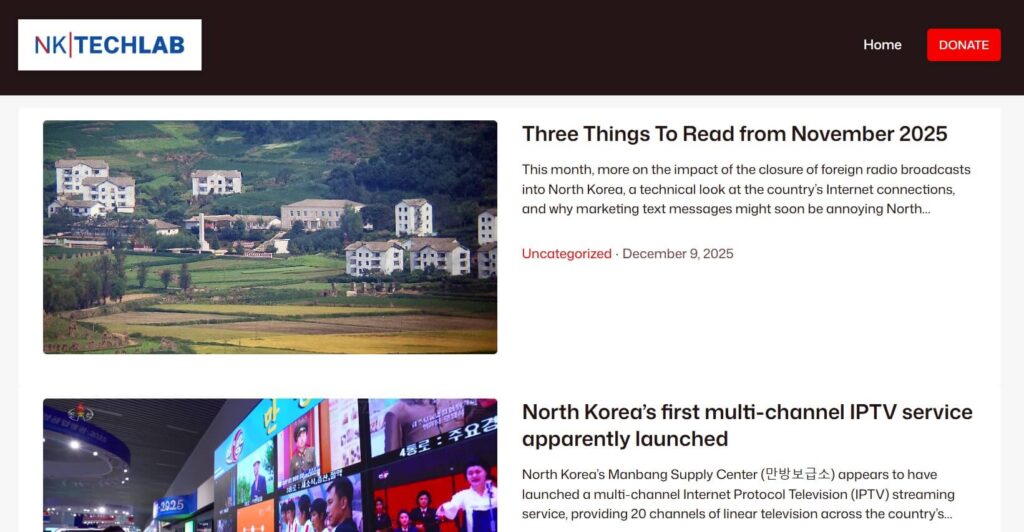
WEBSITE North Korea TechLab A joint project between 38 North and Lumen that serves as a central hub for ongoing investigation and analysis into how North Korea uses technology to serve and suppress its citizens. Broadening the Grand Strategy Conversation
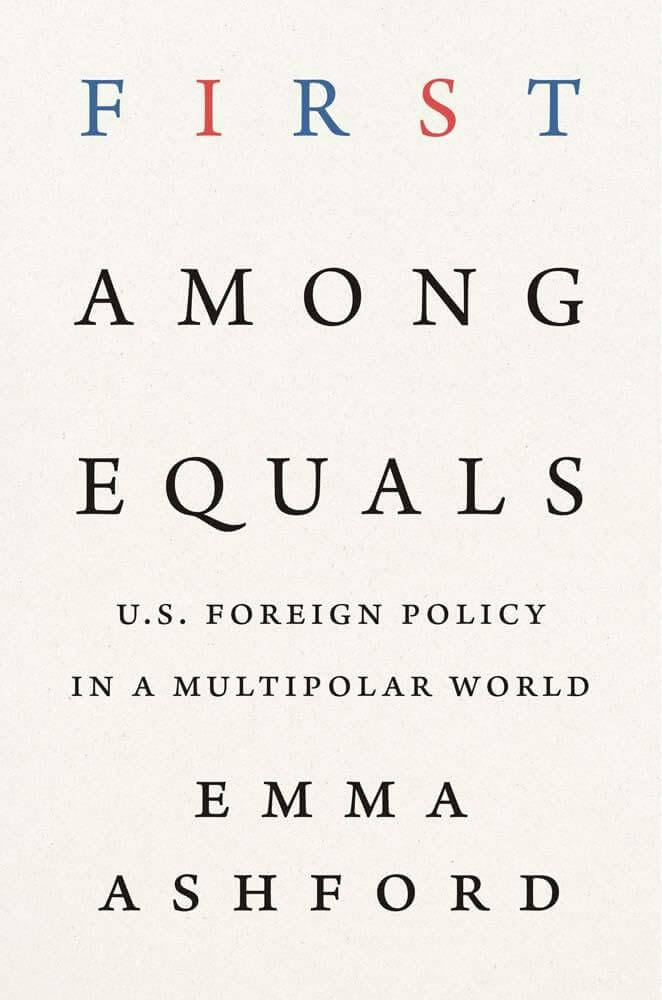
Learn more about the book
The Reimagining Grand Strategy team amplified its influence through Emma Ashford’s First Among Equals, a major work examining U.S. alliances and power distribution in a multipolar world. Her extensive media engagements brought the book’s arguments into mainstream foreign policy debate.
The program also launched the New Visions for Grand Strategy multimedia project, blending videos, interviews, and written analysis into an accessible educational series. These activities broadened the program’s reach and diversified how audiences engage with grand strategy.
Educating for Strategic Understanding in South Asia
The Strategic Learning Initiative (SLI) expanded significantly with the launch of a redesigned website featuring modular learning content, interactive visualizations, and long-form interviews with leading scholars and practitioners. This redesign made the program’s analytic tools more accessible to students, journalists, and policymakers.
SLI also introduced new multimedia products — including video explainers and thematic deep dives — that explore deterrence dynamics and strategic culture in Southern Asia. These enhancements transformed SLI into a modern educational platform for understanding the region’s security challenges.
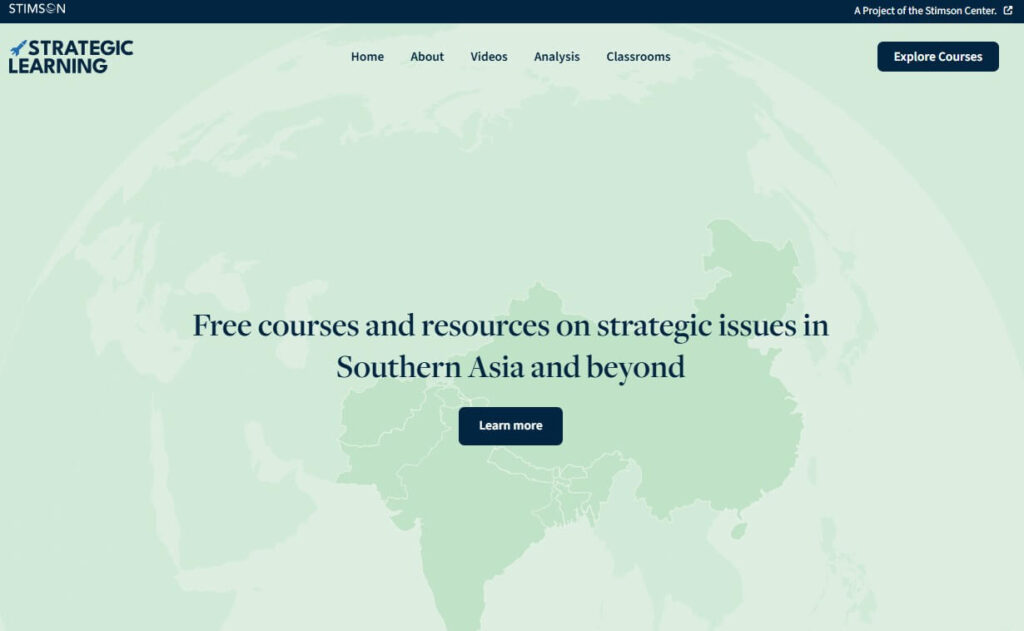
WEBSITE Strategic Learning Free courses and resources on strategic issues in Southern Asia and beyond Looking Ahead to 2026
Soft Power in Play
The NFL has a rapidly growing presence outside of the United States. With games drawing fans in Europe, South America, and flag football rising in global popularity, the sport offers the United States another way to engage audiences and tell the story of the country. This event explores how American athletes act as envoys of the United States, shaping the perceptions of foreign publics and creating opportunities for US diplomacy.
Innovative Ideas.
Changing the World. SINCE 1989
Support our Work