Indo-Pacific Initiative
As a center of excellence on the Indo-Pacific, the Stimson Center brings together unmatched global expertise on the region. For more than 30 years, our experts have been the most trusted source for independent research and analysis, realtime monitoring, strategic engagement, and authoritative expertise.
Explore the work of our Indo-Pacific Initiative and meet our experts
Independent Research & Analysis
Stimson’s Indo-Pacific Initiative builds the body of independent research and expert engagement on the Indo-Pacific to enhance understanding and feature diverse perspectives on this dynamic region.
Home to more than half of the world’s people, nearly two-thirds of the world’s economy, and seven of the world’s largest militaries, the Indo-Pacific has been called the world’s economic and geopolitical “center of gravity.” With more than 30 years of expertise and trusted engagement in the region, the Stimson Center provides unparalleled research and analysis on historic tensions and emerging challenges across the Indo-Pacific.
https://youtu.be/61_QZHS6Bzk
PAST EVENT Strategy, Security, and Diplomacy in the Indo-Pacific
Experts explore power, engagement, and competition in the Indo-Pacific ahead of the U.S. elections, assessing the greatest opportunities and risks in the region.
PAST EVENT The Indo-Pacific and the World: A Conversation with U.S. Deputy Secretary of State Kurt Campbell
U.S. Deputy Secretary of State Kurt Campbell joins the Stimson Center for a fireside chat exploring historic tensions, emerging competition, and new opportunities for strategic partnership across the Indo-Pacific.
Learn more about the Stimson Center’s Asia & Indo-Pacific research, engagement, and policy solutions.
As China grows in relative power, the world is closely watching China’s geopolitical, economic, and security moves. Stimson experts work to assess China’s strategic intentions and foreign policy behaviors to provide a fresh and objective look at China’s interaction with the world.
https://youtu.be/JELRNHS4UPE
PAST EVENT Nicholas Burns, US Ambassador to China
Ambassador Nicholas Burns, US Ambassador to China reflected on the state of the US-China relationship since taking the oath of office in December 2021.
PAST EVENT Beyond the Horizon: Outlining Risks and Opportunities in 2024
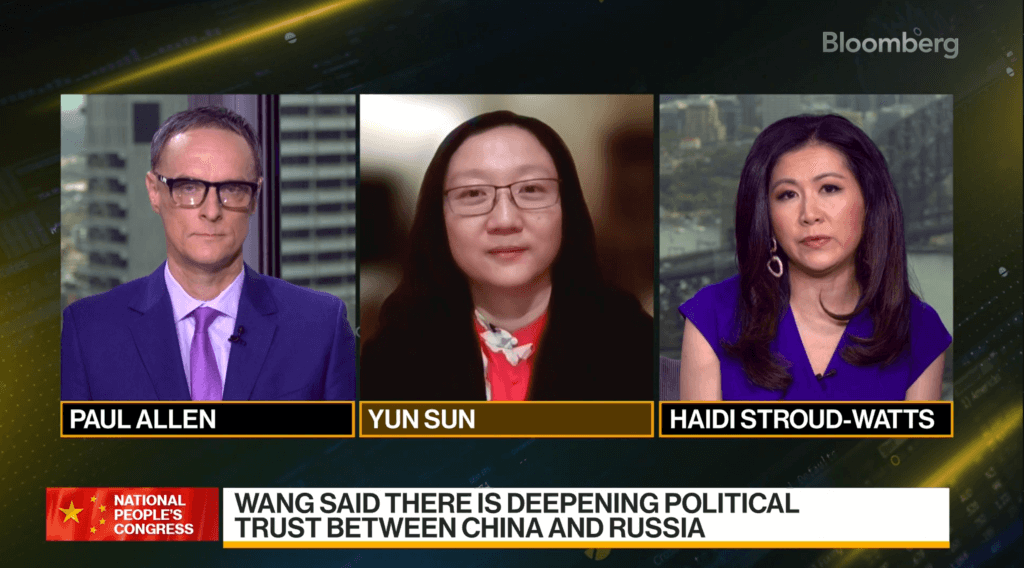
A quickfire conversation with Yun Sun and NPR’s Vincent Ni on the regional and global implications of the Taiwan election outcomes and the future of the US-China relationship.
In recent years, the Taiwan Strait has emerged as one of the most volatile flashpoints in the Indo-Pacific. Amid increasing military tensions, economic dependencies, and Taiwan’s limited participation in international organizations, Stimson experts are shaping the policy discourse to inform decisionmaking and prevent conflict as they highlight the outsized role that Taiwan plays in regional and global affairs.
Nowhere is the risk of strategic instability and nuclear exchange greater than in South Asia. Stimson’s work across South Asia and the Indo-Pacific designs uncommon platforms to explore crisis triggers, mitigate risks, and cultivate respectful dialogue and debate across India, Pakistan, Afghanistan, and beyond to support strategic stability in South Asia.
For more than three decades, the South Asia program has produced in-depth research and analysis, hosted high-level events, and conducted outreach in the region to promote stability and deepen understanding of security dynamics in South Asia.
PAST EVENT U.S. Policy Toward Afghanistan: A Conversation with Tom West
U.S. Special Representative for Afghanistan Thomas West discusses U.S. policy toward Afghanistan and on-going engagement with partners, allies, and Afghans regarding humanitarian needs, grave human rights concerns, and shared security interests, among other issues.
PAST EVENT Understanding India’s Security Role in the Indo-Pacific
Experts explore the drivers of India’s growing strategic role in the Indo-Pacific over the past two decades and how this behavior has been shaped by Delhi’s relations with the United States, China, Japan, Vietnam and others.
As a long-standing actor in both Indo-Pacific dynamics and Western foreign policy frameworks, Japan and South Korea have critical strategic importance to help broker new opportunities for East-West relations. Stimson scholars are creating new opportunities for public discourse and policy dialogue, building off of two decades of trusted engagement on Northeast Asia.
PAST EVENT Prime Minister Kishida’s Visit to Washington: A Way Forward for US-Japan Relations
Yuki Tatsumi sits with Ambassador Masafumi Ishii, the former Japanese Ambassador to Indonesia, to assess the U.S.-Japan and U.S.-Japan-Philippines trilateral summit and how Kishida might incorporate the results of these leadership talks into his foreign policy initiatives.
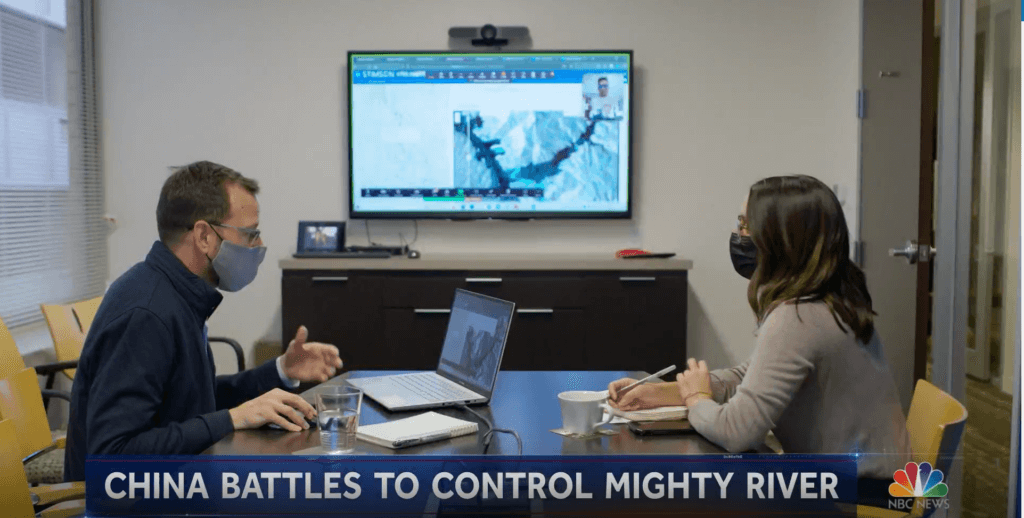
Southeast Asia sits at the heart of the Indo-Pacific and is a premier area of great power competition with a growing range of policy needs. Through proprietary tools like our award-winning Mekong Dam Monitor, Stimson experts engage key stakeholders to promote sustainable growth, peace, and security across Southeast Asia.
Stimson experts go beyond the status quo to separate fact from fiction in the Indo-Pacific. Through platforms like 38 North, which works to uncover North Korea’s strategic intentions across the region and globally, Stimson scholars are using investigative reporting to challenge assumptions and provide deeper insights. Through our signature evidence-based analysis and regional research, Stimson is fostering a more nuanced understanding of the complex dynamics in the region, uncovering truths that might be overlooked by conventional narratives.
https://youtu.be/gA6ycKPK6Q4
video
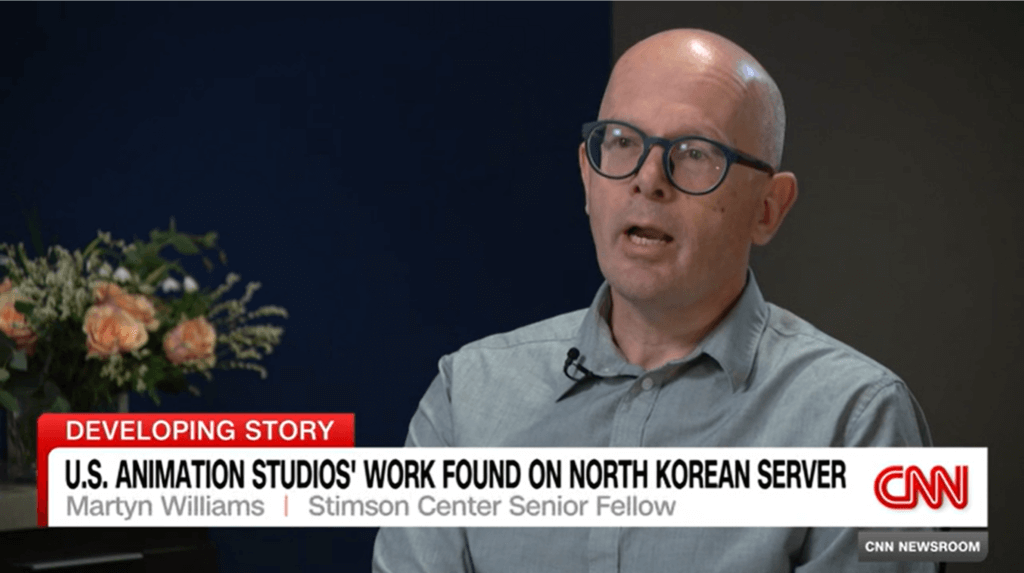
38 North experts detail how a North Korean Internet server’s contents and workflow underscore the growing challenge foreign companies face verifying outsourced work
The global implications of Great Power dynamics in the Indo-Pacific cannot be overstated. Stimson experts work across disciplines to interrogate long-held assumptions about strategic alliances, force, and influence in our collective effort to build a fuller picture of the global and regional dynamics across the Indo-Pacific.
Experts explore the impediments to a US-led Indo-Pacific alliance and what’s needed to overcome the geographic hurdles to create regional military coalitions.
Drawing on contributions from next-gen scholars, Siebens’s book offers lessons about when, how, why, and to what effect China has used its armed forces in recent decades, to gain insight about its intentions and approaches to the use of force in the future.
NATO’s tilt toward the Indo-Pacific could spark the very conflict the alliance is seeking to defuse, says Stimson Center Senior Fellow Kelly Grieco.
The Pacific Ocean is home to some 20,000 – 30,000 islands, from the populous Indonesia to Nauru, the world’s smallest island nation. Stimson’s work explores the unique challenges and vulnerabilities faced by islands in the Indo-Pacific, including predatory and unsustainable fishing practices by China, and the existential threat of rising sea levels and extreme weather events.
https://youtu.be/lUSkI9RAyCo
video
Small island developing states (SIDS) and coastal least developed countries (LDCs) are responsible for only 4% of greenhouse gas emissions, yet are on the frontlines of rising sea levels and extreme weather that threatens security and economic well-being.
Stimson’s signature CORVI assessment identifies significant ecological and financial vulnerabilities for the Pacific island of Tarawa, Kiribati.
IUU fishing threatens the food, ecological, and economic security of coastal communities in Southeast Asia’s seascapes. A 2023 piece published in Asia Policy offers government recommendations to counter these predatory and abusive fishing practices.
Realtime Monitoring
Stimson’s Indo-Pacific Initiative deploys advanced monitoring systems and comprehensive data analysis to enhance transparency, support informed decision-making, and contribute to more secure world.
Learn more about the Project
38 North combines in-depth research on issues central to North Korean strategic thinking with informal diplomatic engagement.
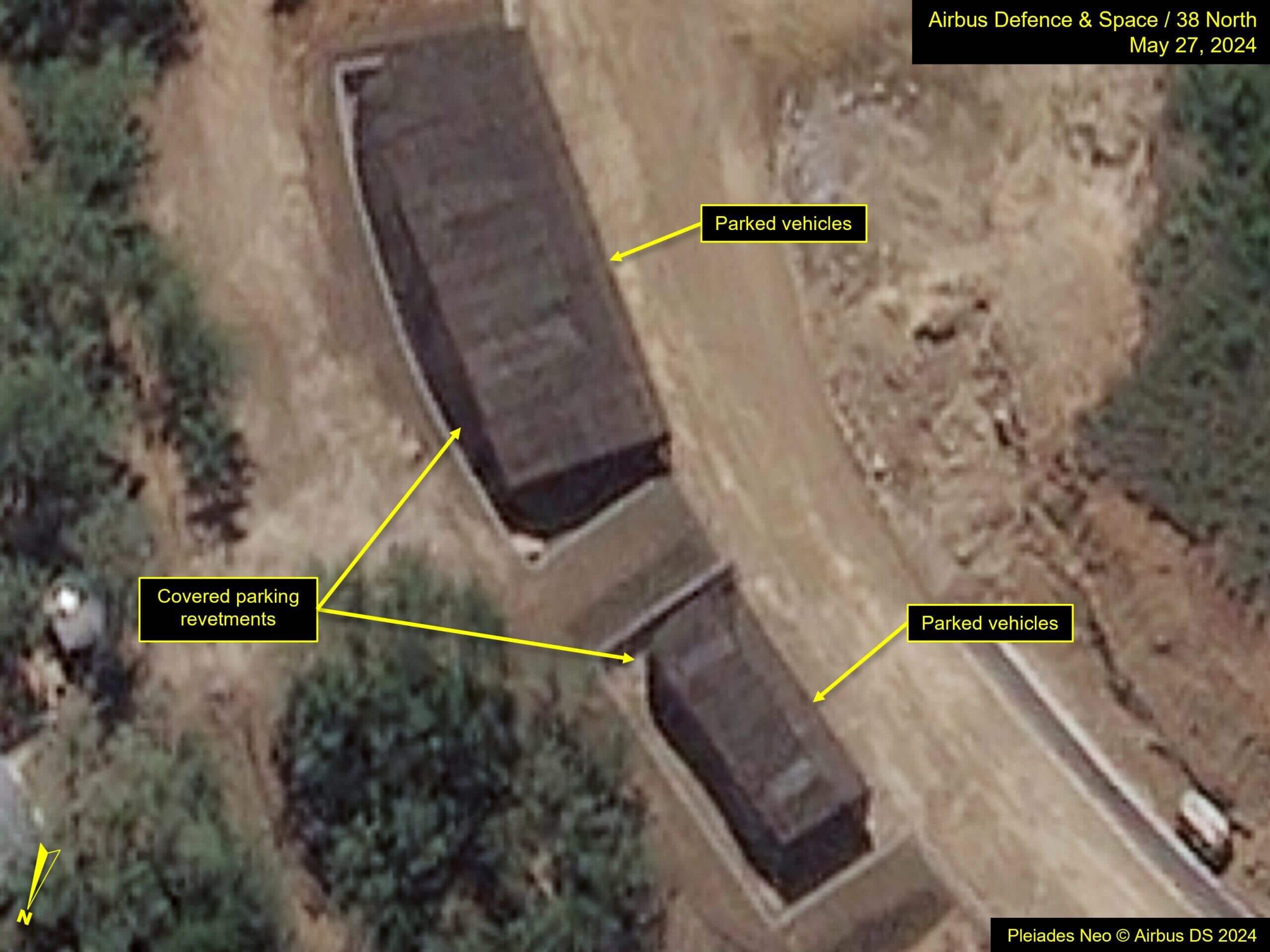
Among its innovative approaches to this hard target problem set is the use of commercial satellite imagery to glean unique and real-time insights of activities that impact North Korea’s weapons of mass destruction program (WMD) development.
Learn more about 38 North
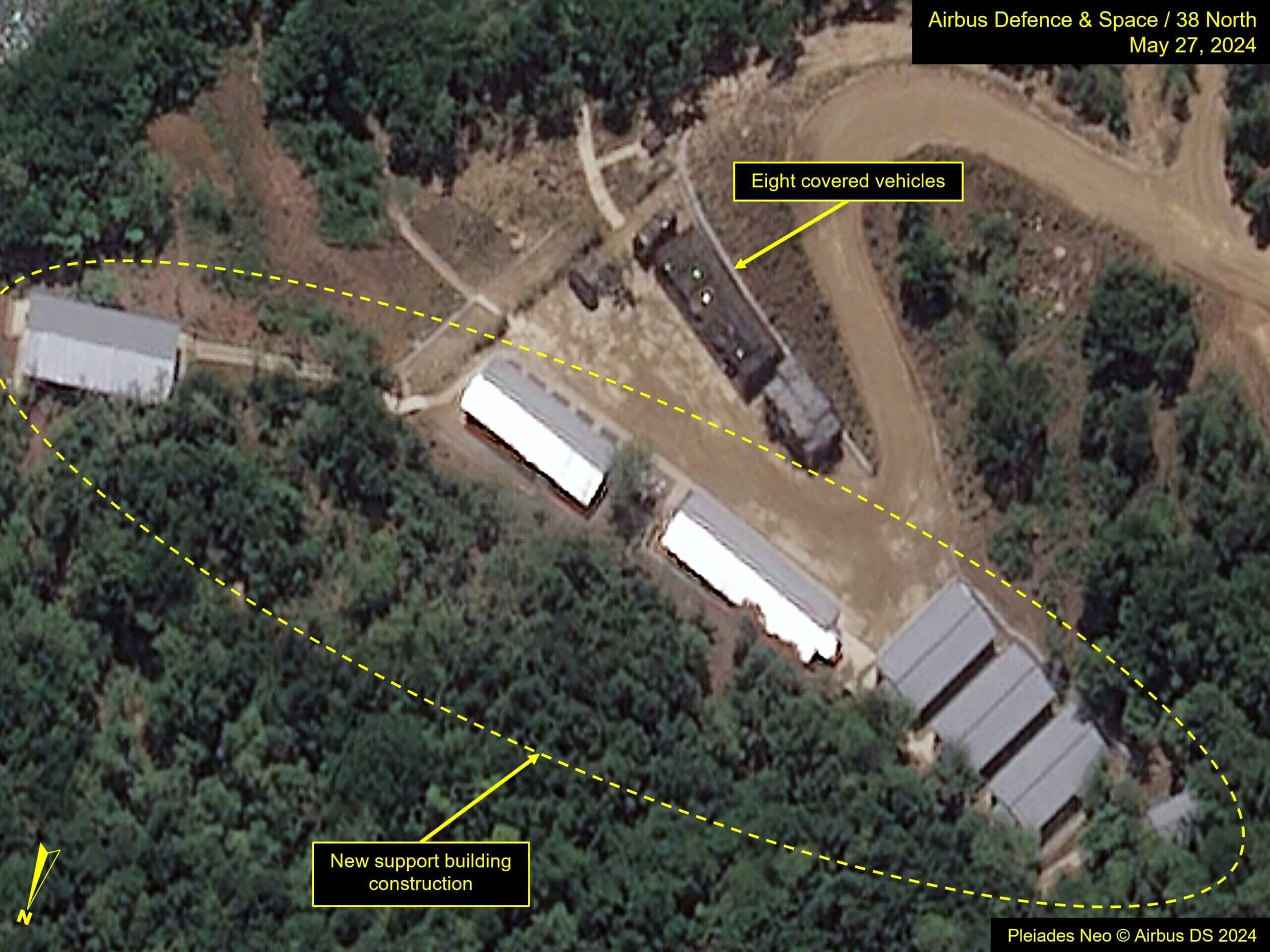
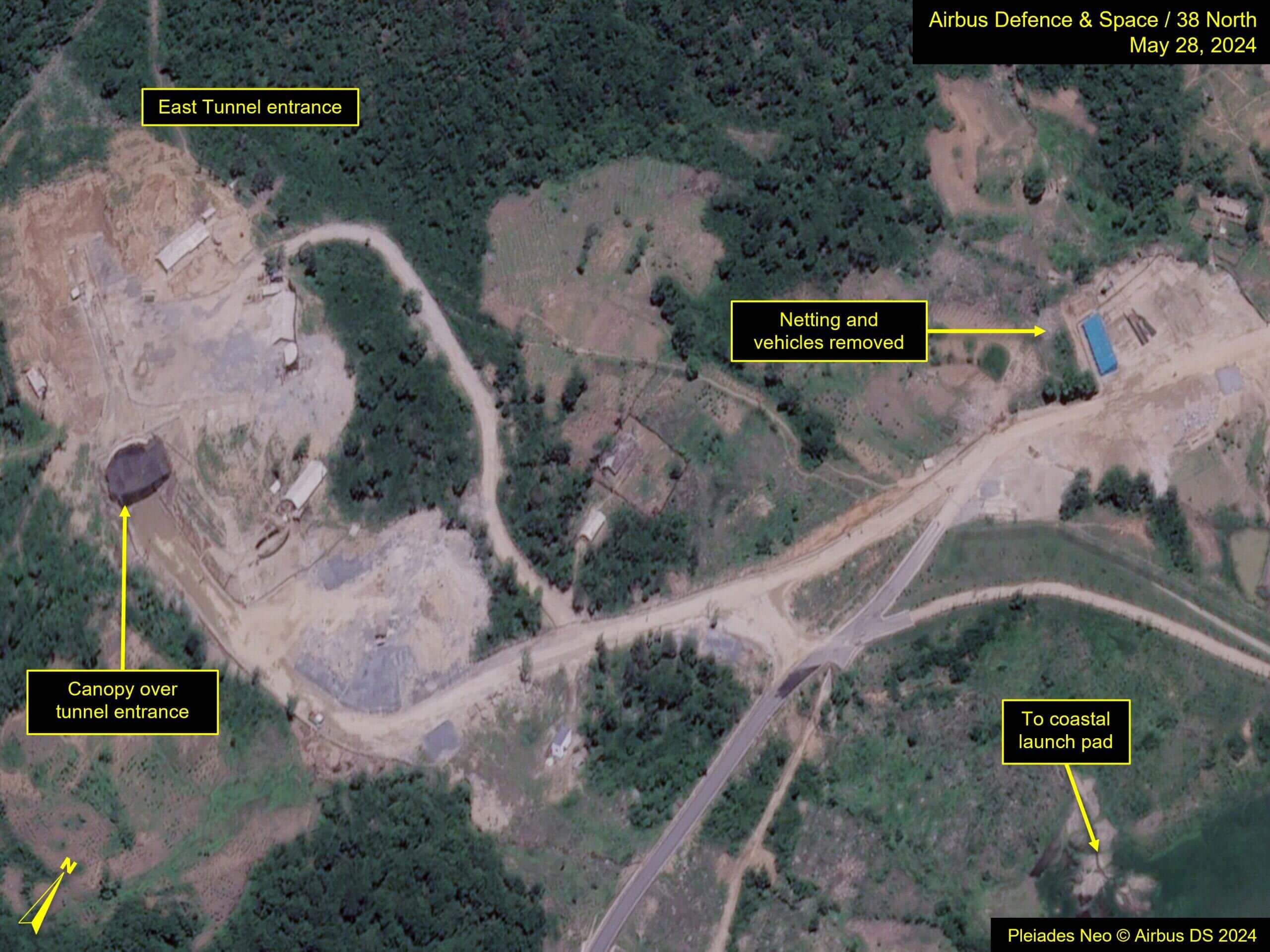
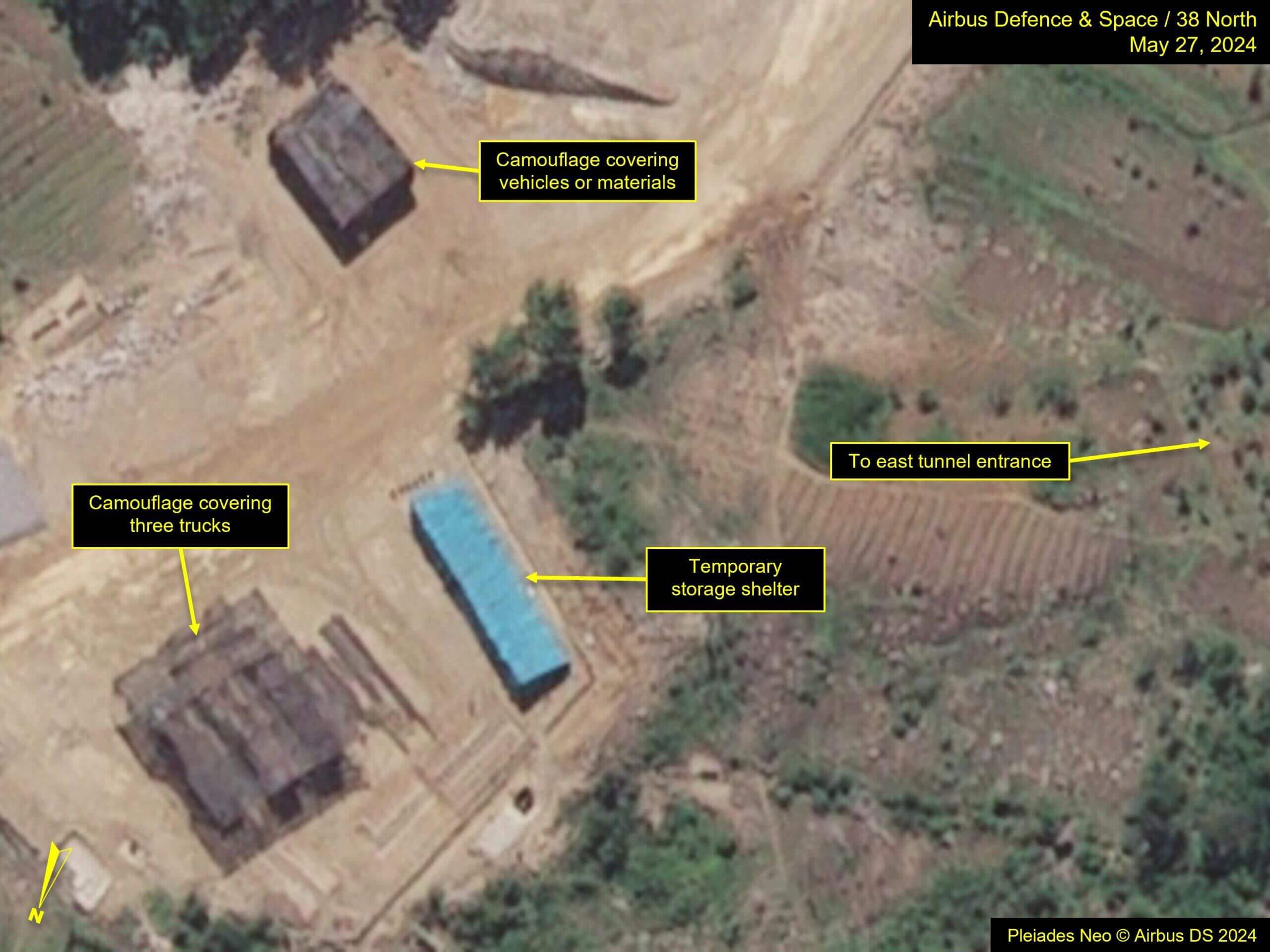
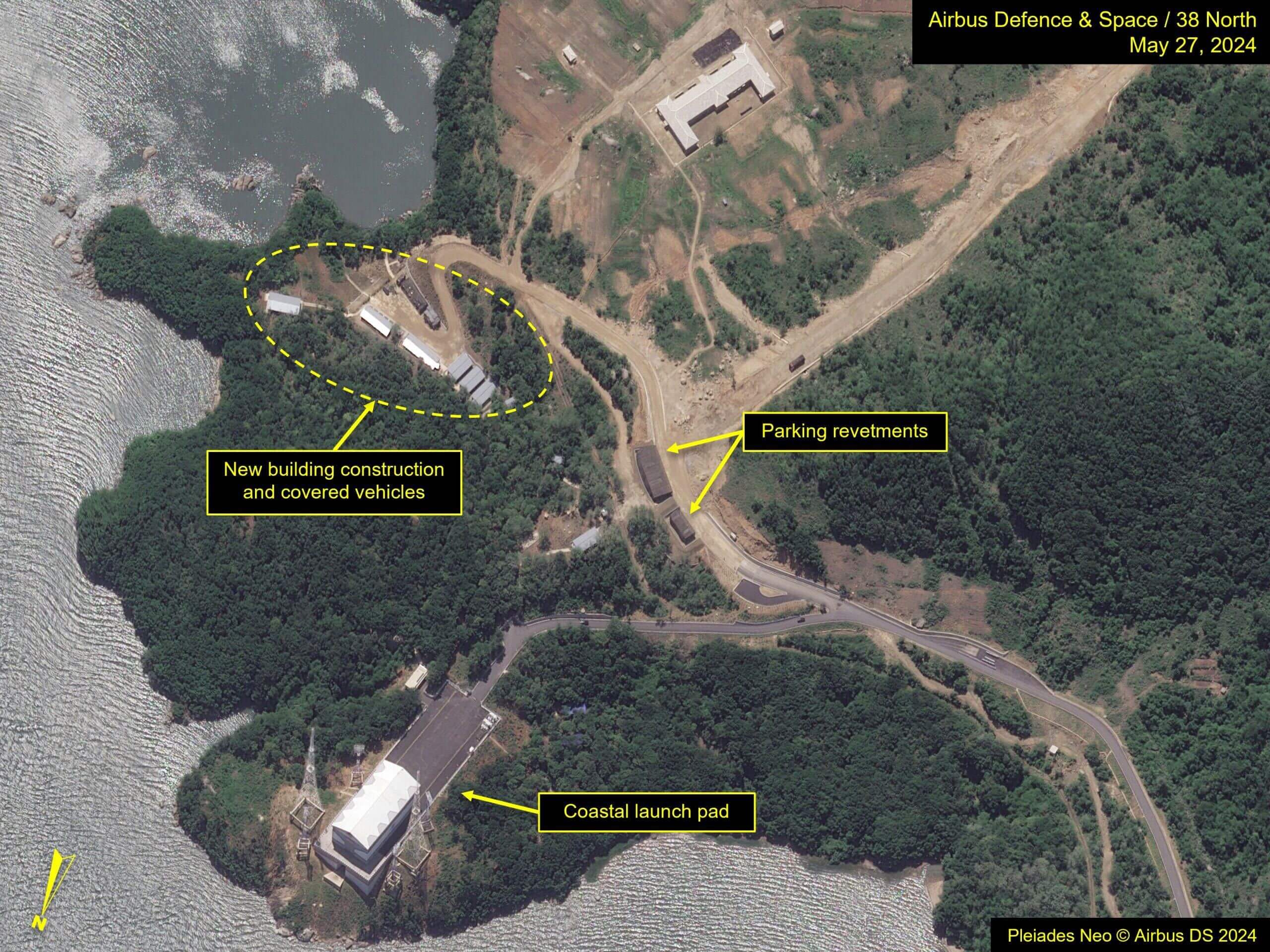
Commercial satellite imagery of the Sohae Satellite Launching Station hours prior to the launch reveal indicates continued activity as North Korea continues their efforts to modernize their space launch program.
Strategic Engagement
The Stimson Center’s Indo-Pacific initiative fosters strategic engagement by promoting multilateral dialogues, collaborating with regional partners, and fostering education to enhance regional peace and stability.
Through candid, constructive, and closed-door interaction, the Dialogue creates unique space for retired U.S. and Chinese flag officers to exchange views, build understanding, and chart policy directions on contentious issues within the bilateral relationship.
The Military Dialogue represents a standout example of exchange in a narrowing window of interaction, mutual understanding, and crisis management.
Missile Technologies in Southern Asia
This course explores key missiles and missile defense systems, missile arsenals across China, India, and Pakistan, and emerging developments through interactive features, text explainers, and video interviews with more than 20 leading and rising scholars from India, Pakistan, China, the United States, and beyond.
Restoring Deterrence
This course covers deterrence relationships in the context of the “strategic chain” in Southern Asia, including China, India, and Pakistan, and explores deterrence concepts, crisis risks among nuclear-armed states, and key crisis case studies.
Deterrence in Southern Asia
This course covers deterrence theory, deterrence relationships among nuclear-armed states, and case studies from the Cold War and Southern Asia through video interviews with more than 60 leading scholars and practitioners from India, Pakistan, China, the United States, and beyond.
Learn more about the Project
Authority and Expertise
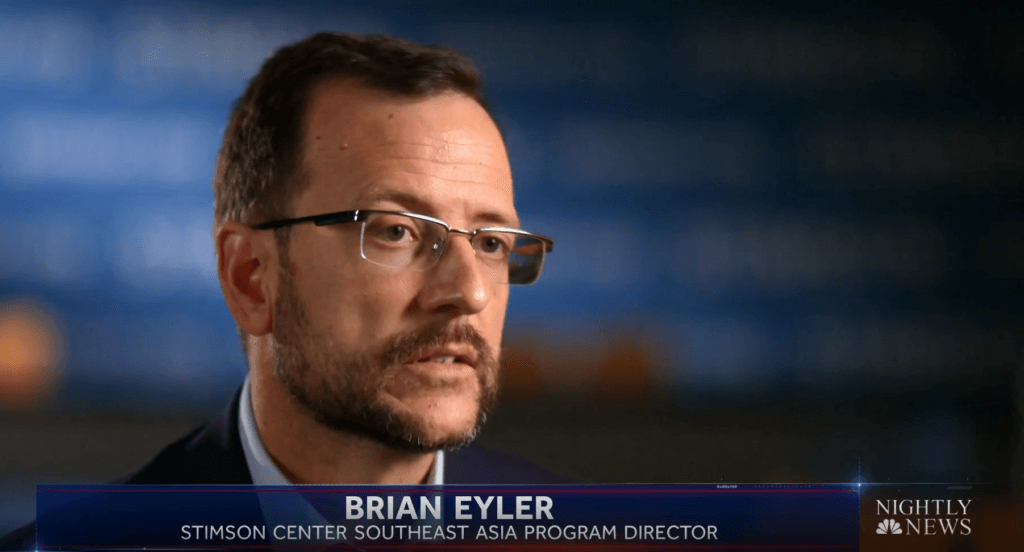
Stimson Center Indo-Pacific experts are proud to serve as the go-to source for media and on the Hill to provide authoritative and trusted insights on the political, economic, and security landscapes in Asia and the Indo-Pacific.
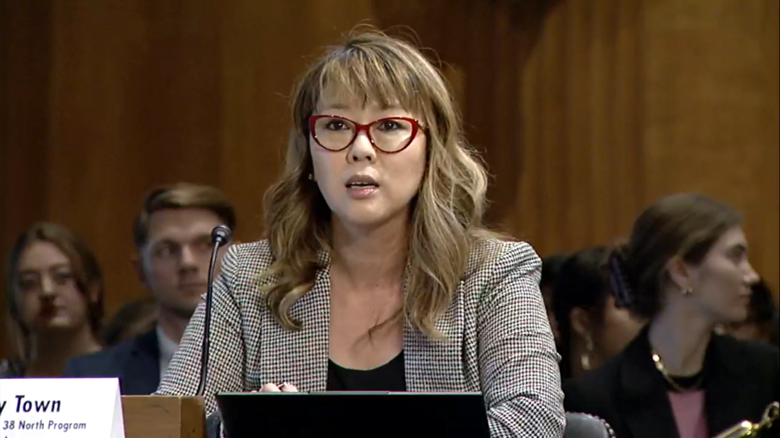
“Subcommittee Chairman Van Hollen, Ranking Member Romney and distinguished members of the Subcommittee, it is a distinct honor to be able to testify this afternoon, about the growing challenges to security on the Korean Peninsula.”
Jenny Town, Director, Korea Program and 38 North
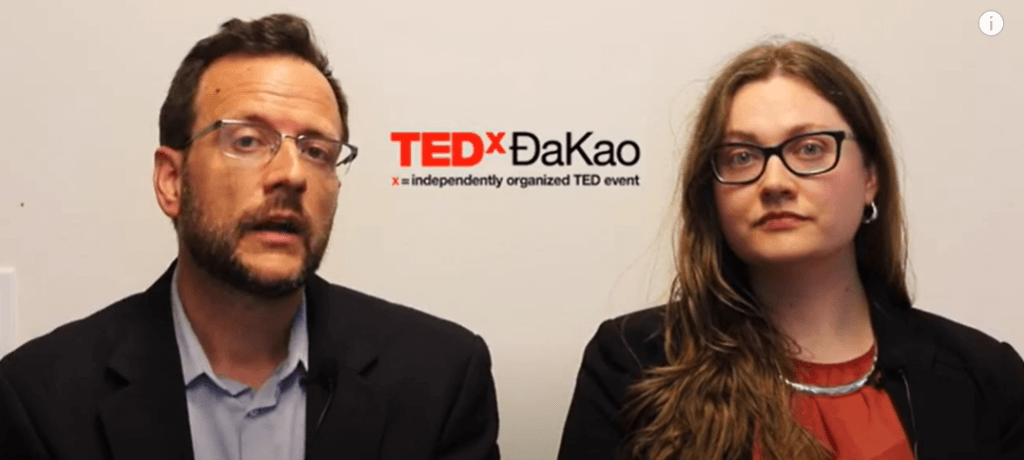
How a smart “away game” can save Mekong Delta
At TEDxĐaKao, Brian Eyler and Courtney Weatherby empower Vietnamese audience about the importance of choosing a development plan that could shape a thriving and brighter future for both Vietnam and our neighboring countries.
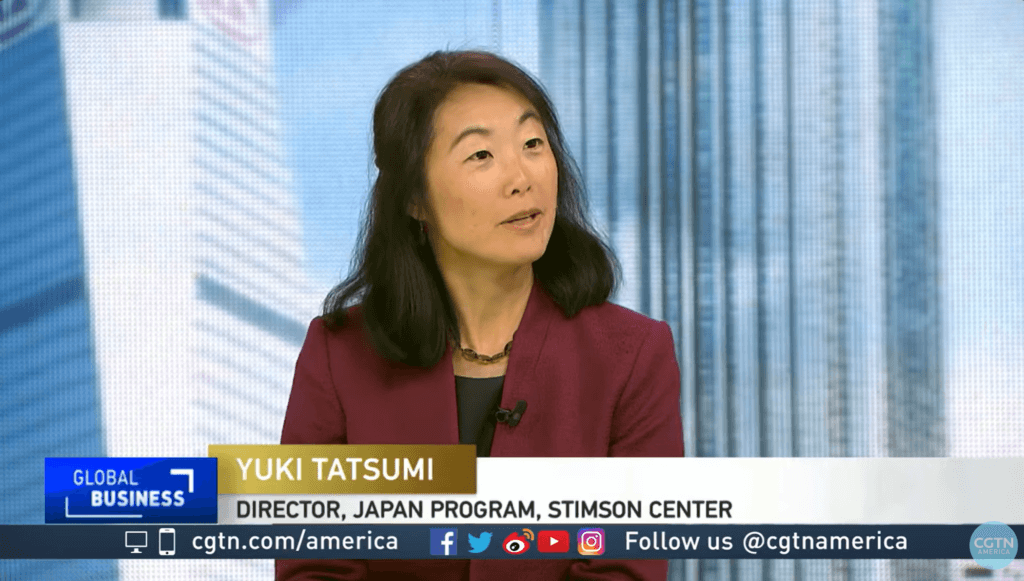
“Seeing something like this unfolding and having Chinese missiles landing in Japan’s economic zone may actually accelerate the argument for a more rapid increase in defense spending.”
Yuki Tatsumi, Japan Program Director says in the New York Times
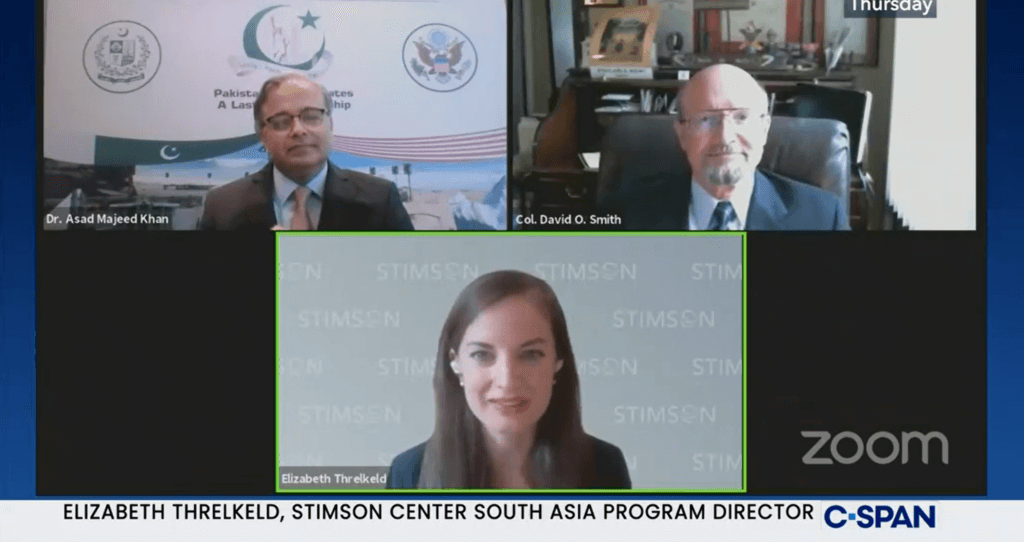
“Elizabeth Threlkeld, a former U.S. diplomat in Pakistan now with the Stimson Center think tank, said negotiating a new IMF deal was the number one-priority for a new government.
‘Any prolonged political uncertainty would complicate that process at a time when Pakistan can ill-afford delays,’ she said.”
Reuters, February 2024
Meet the Experts
Discover authoritative insights and strategic guidance from Stimson’s experts, at the forefront of regional analysis and policy development.
Innovative Ideas.
Changing the World. SINCE 1989
Stimson’s cutting-edge insights and independent, unbiased research as part of the Indo-Pacific Initiative rely on the generous contributions of individuals like you. Your donation ensures we can continue delivering trusted research and fostering engagement in the Indo-Pacific and beyond.