Project

Cheminformatics

Enhancing frontline officers’ chemical trade control compliance by increasing access to information to help identify chemicals of proliferation concern

About the Project

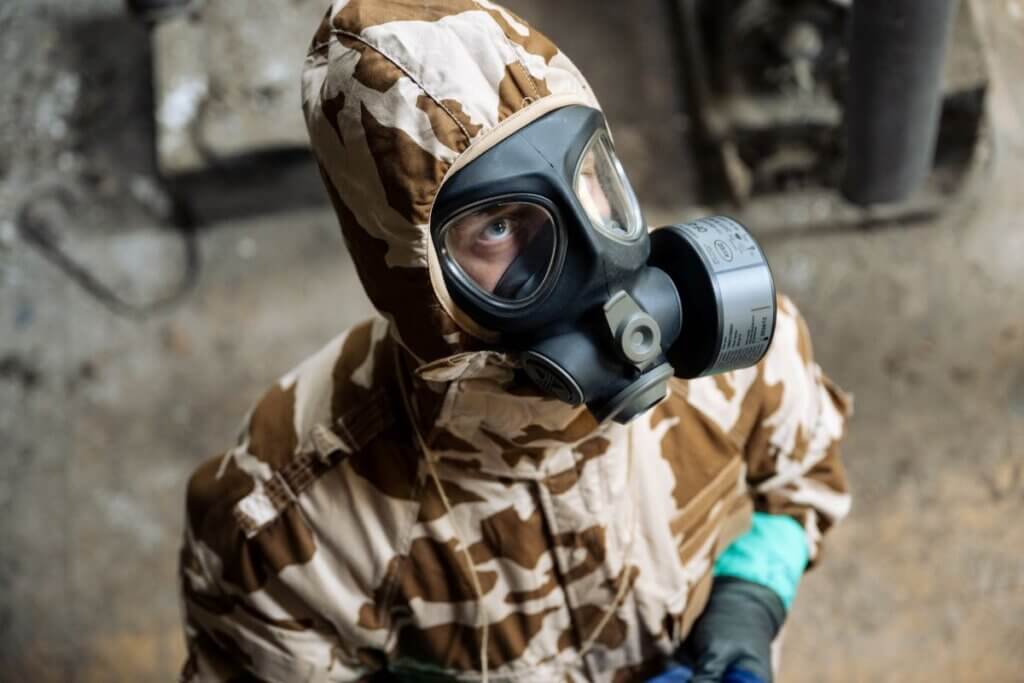
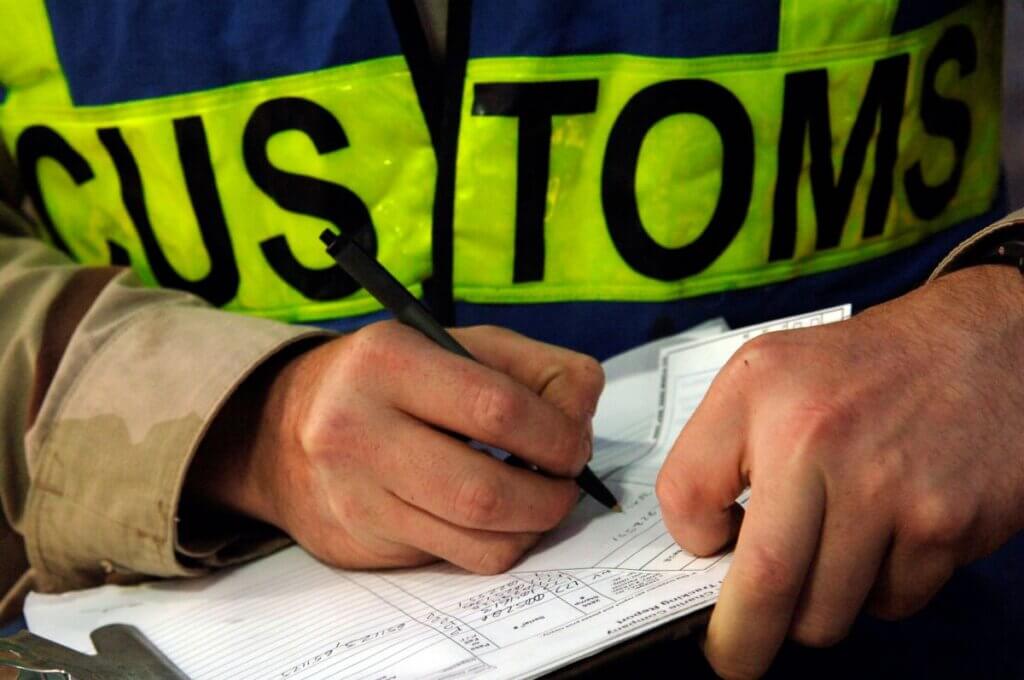
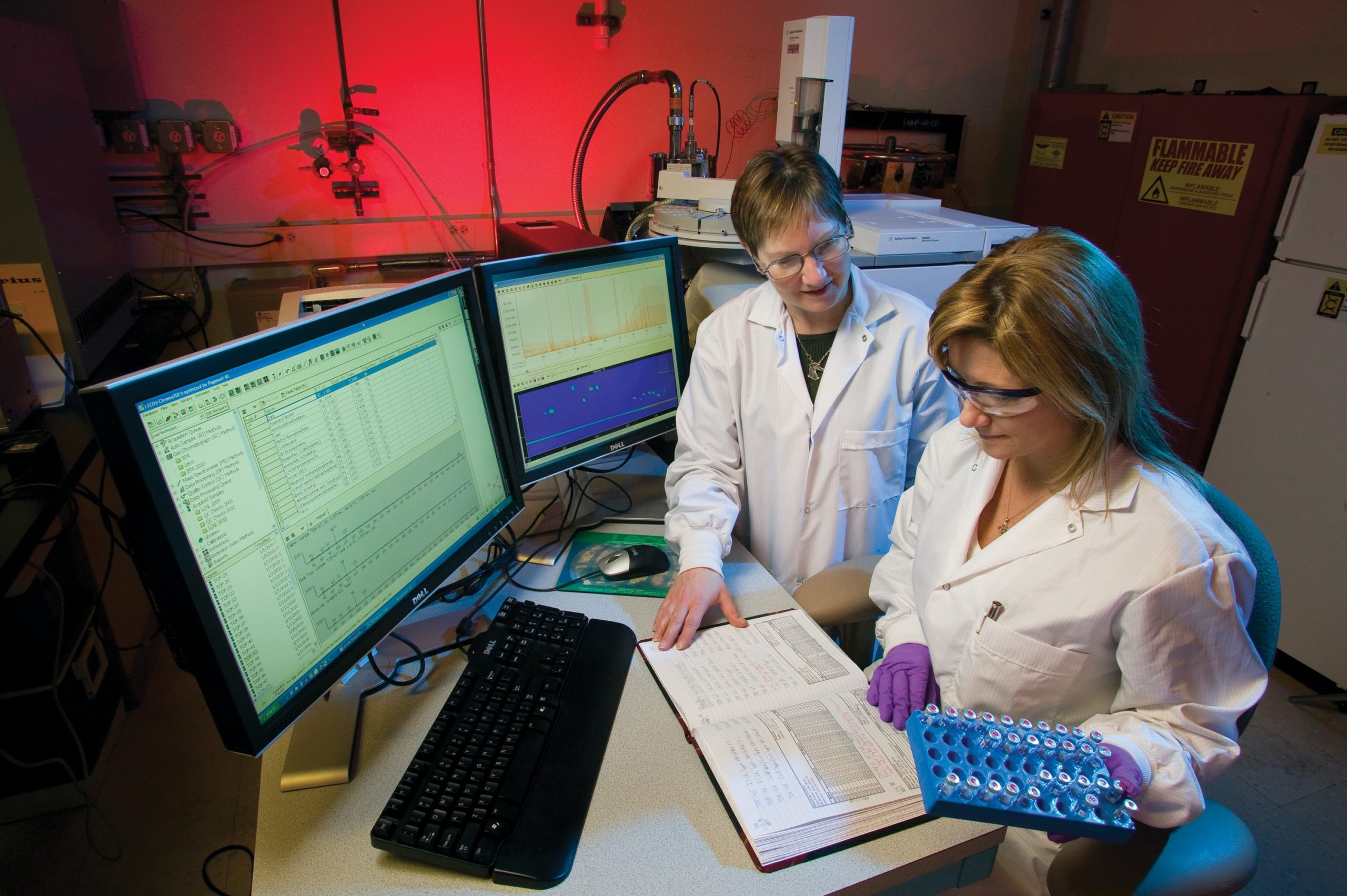
As recent international incidents amply demonstrate, chemical weapons remain an enduring and very real challenge to international peace and security. However, frontline officers for border security and trade controls, as well as chemical industry employees, struggle to identify whether a chemical can be utilized as a chemical warfare agent and precursor. This challenge stems from at least three sources: (1) lists of controlled chemicals identify chemicals of concern through names and registry numbers – however, the lists may not cover the specific chemical in question, given that chemicals have a multitude of synonymous names and different variants of the same chemical; (2) some lists of controlled chemicals do not identify individual chemicals only chemical families, which can make the lists difficult to interpret by non-chemists; and (3) lists of controlled chemicals are subject to change and must be kept current. This project is supported by and funded through Global Affairs Canada’s Weapons Threat Reduction Program.
Research & Writing

Op-Ed

Global trade in dual-use chemicals is booming and customs must modernize controls with precise identifiers to stop illicit diversion and misuse.
May 31, 2025

Project Note

Stimson’s Partnerships in Proliferation Prevention Program partners with Botswana to convene a roundtable on ways to integrate SDGs and nonproliferation goals.
February 26, 2025

Project Note

Defining enforcement challenges to strategic chemical trade controls and promoting awareness about tool solutions for international stakeholders.
August 5, 2024

Video

Stimson envisions a tool that automates complex chemical export control enforcement tasks to prevent chemical weapons proliferation
February 6, 2024

Commentary

Elimination of the world’s last declared chemical weapons stockpile still leaves plenty of work to do to prevent proliferation
July 21, 2023

Issue Brief

Analyzing how two different UN instruments can be used to manage hazardous chemicals for both international security and sustainable development.
July 3, 2023

Resource

A complete proof of concept for a low-cost and accessible tool for front-line customs officers to identify controlled chemicals
May 30, 2023

Commentary

Stimson’s Nonproliferation Compliance Cheminformatics Tool can help expand Chemical Weapons Precursors lists by enabling family-based approaches, closing loopholes for proliferators.
March 20, 2023

Project Note

The Cheminformatics team collaborated with Canada Border Services Agency to perform a hybrid test of the Nonproliferation Compliance Cheminformatics Tool.
March 17, 2023

Project Note

Defense Research and Development Canada’s Center for Security Science tested the NCCT during CAPEX 2022
July 12, 2022

Working Paper

This article is originally from the journal Pure and Applied Chemistry.
March 3, 2022

Project Note

On February 26, 2021 the Stimson Center and American University unveiled its Cheminformatics database tool and software.
April 2, 2021

Sub-Projects

There are no subprojects associated with this project.

Events

No data was found