Project

Assessing American Alliances

Many believe that permanent peacetime alliances provide both security and leverage for the United States — but are today’s alliances really fit for purpose?

About the Project

A common view in Washington is that America’s global network of alliances and strategic partnerships is a source of strength and global influence and is integral for fostering global peace and stability. This project explores that assumption, testing whether alliances – often seen as a core component of U.S. grand strategy – actually advance U.S. security and prosperity. By surfacing a set of questions and research topics that scrutinize the assumptions about alliances and partnerships underlying U.S. foreign policy, this project opens a space for a broader discussion about the potential risks and rewards of changing the U.S. approach to alliances to one better suited to the twenty-first century, and better grounded in realism and restraint.
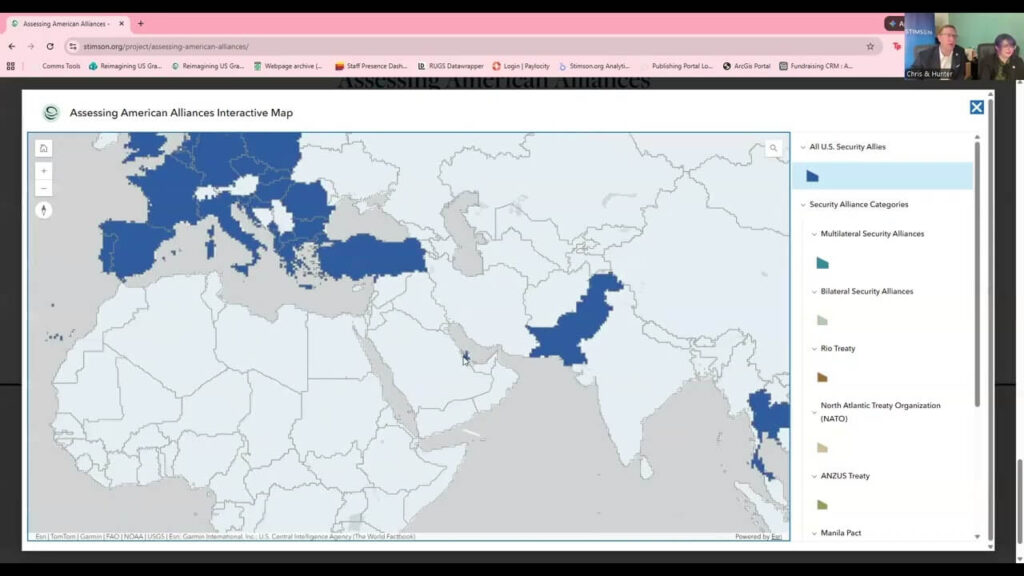
Assessing American Alliances Interactive Map

Thank you for taking the time to look at our interactive map on the United States’ alliance network. Above you will find
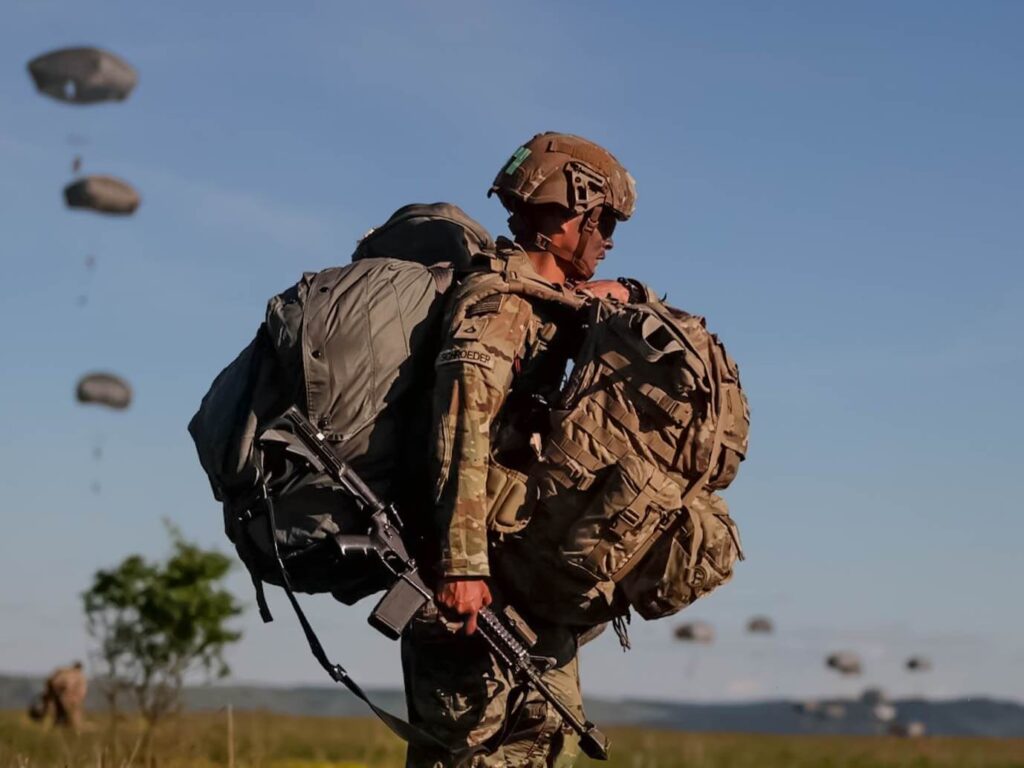

America’s network of alliances is often seen as one of its most valuable assets. But is it fit for purpose in a

Research & Writing

America’s network of alliances is often seen as one of its most valuable assets. But is it fit for purpose in a
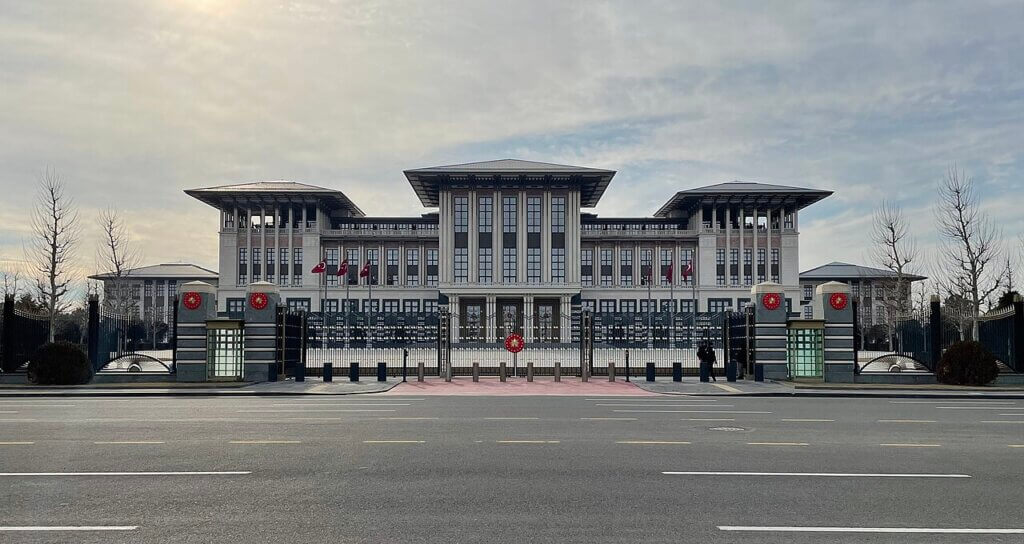
During a recent research trip to Ankara and Istanbul, we discussed US-Türkiye relations with a range of experts.
We went to Abu Dhabi on a research trip and met with a variety of experts to understand the state of the
US-European tensions over Greenland highlight the absurdity of today’s transatlantic relationship.
American leaders have a choice: build the systems that will shape the future, or others will build them for you. In the
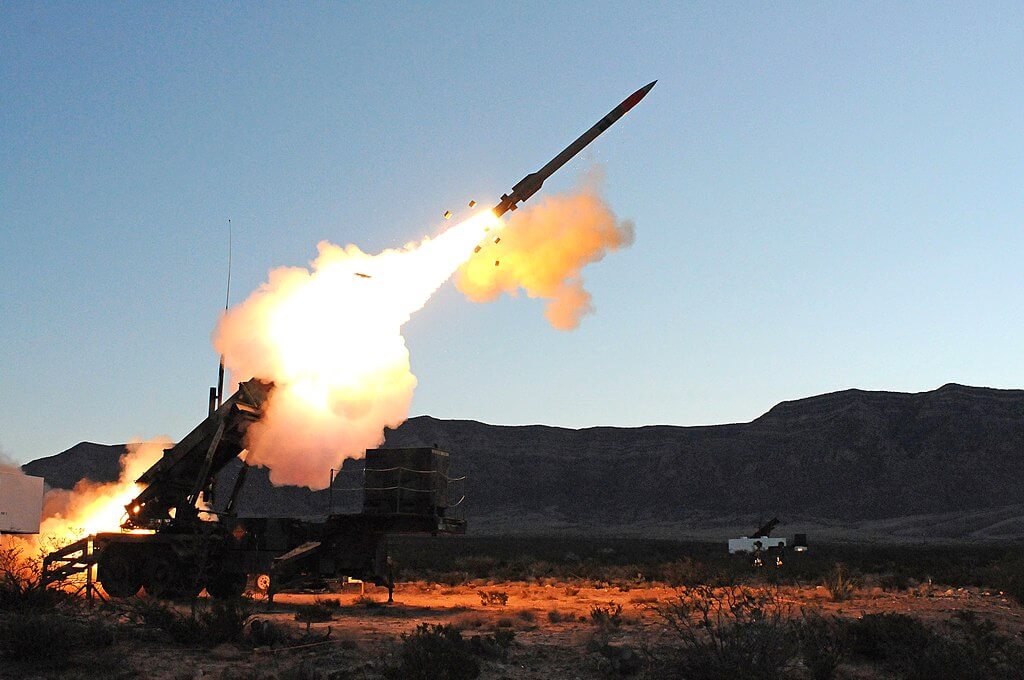
America should shift Europe's conventional defense burden to wealthy allies like Germany while maintaining nuclear control.
Washington must align ambitious ends with constrained means and proactively embrace an inevitable multipolar world.
Taiwan touts an asymmetric defense, but outdated thinking and mismanagement of its natural advantages undermine the island’s security.
Despite fears of rupture, allies in Asia see business as usual. Yet beneath this continuity lie deeper challenges in burden sharing and
Exploring the history of the Rio Treaty and why the United States’ first collective security agreement fell into obscurity.
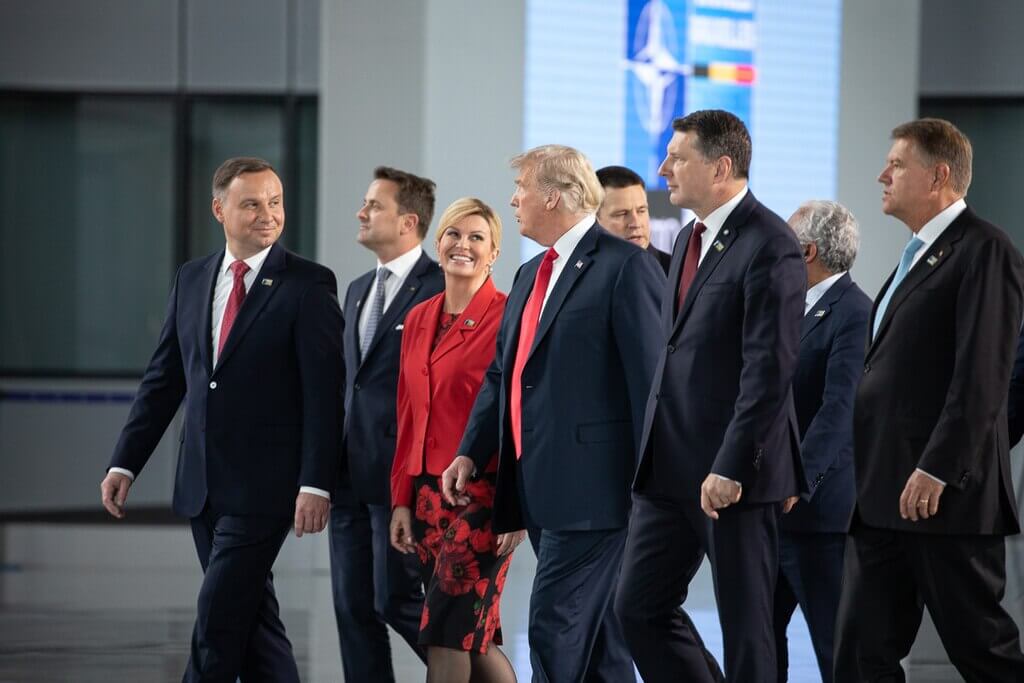
Anticipating how President Trump and his European counterparts will handle the upcoming NATO summit.
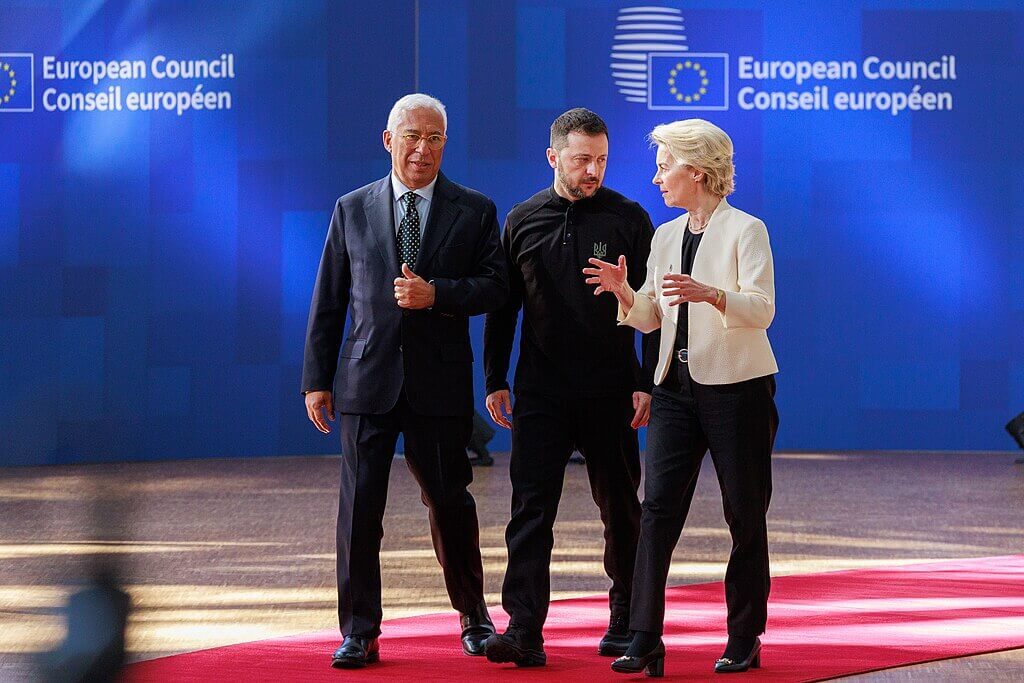
The "coalition of the willing" sounds impressive but remains paper thin.
Washington is likely to reduce its troop presence and demand even higher defense spending.
European policymakers in the capitals need to do much more today – even in the face of political and economic turmoil –
Saudi Arabia is a country in transition, but the ongoing changes could create friction with Washington.
Van, Julia, and Matt discuss how to think about Biden's Gaza ceasefire deal, AI, and the meaning of D-Day in light of
Recent initiatives to bolster European defense are steps in the right direction and the U.S. should be supportive.
Policymakers need to plan for a range of possibilities when thinking about U.S. retrenchment from Europe.
Exploring the impediments to a US-led Indo-Pacific alliance and overcoming the geographic hurdles to creating regional military coalitions.
The United States need not exceed every move China makes in the Pacific Islands or in continental Southeast Asia.
The Israel Model is the best of the bad options available to guarantee Ukraine’s future security but is not without risks.
In this podcast, Melanie Marlowe, and Zack Cooper, and the Stimson Center's Christopher Preble discuss whether it is possible, and wise, to

Sub-Projects

There are no subprojects associated with this project.