






From Sudan war grinding into a prolonged regional crisis to the Iran war continuing to drive energy volatility, disrupt supply chains, and push Europe to reassess routes and energy security strategies across the Mediterranean
April 22, 2026
How Sudan’s catastrophic war became a neglected crisis, exposing geopolitical selectivity and the erosion of global humanitarian response
April 20, 2026

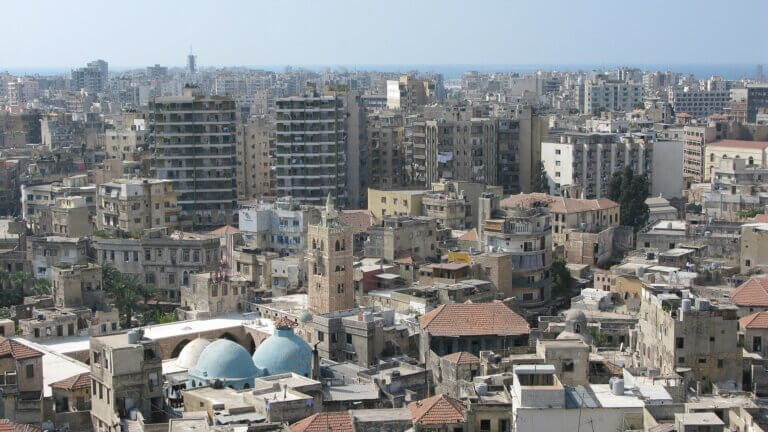
U.S. policy options to leverage Tunisia for regional security, economic stability, and Sahel-focused cooperation
April 16, 2026

From the Sudan war deepening into a regional humanitarian and security crisis to the Iran war driving sustained energy shocks and Pope Leo XIV’s historic visit to Algeria.
April 15, 2026

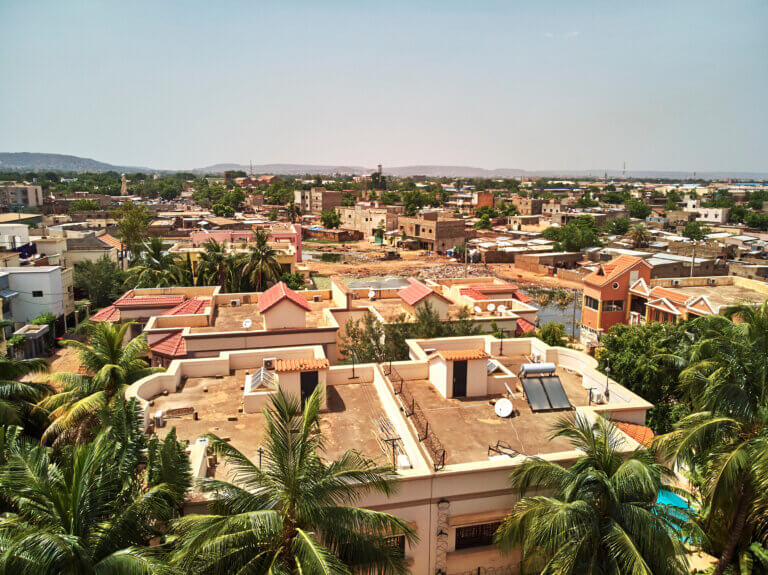
How Mali’s shift in external partnerships has failed to improve security, governance, or economic conditions
April 13, 2026

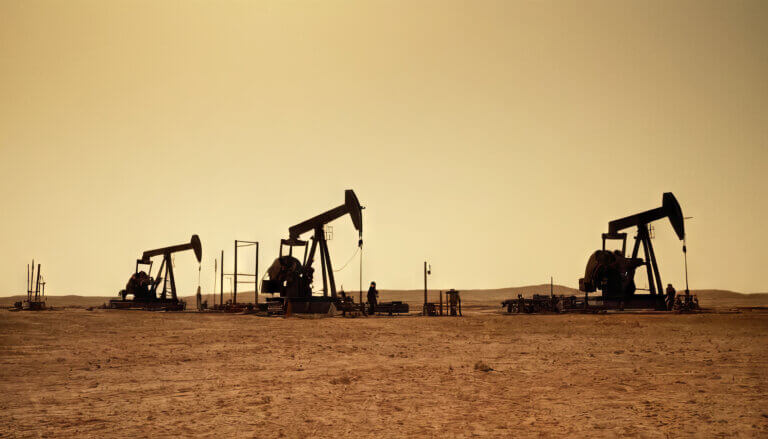
How Libya’s fragmented governance enables oil revenue diversion through hybrid networks and what recent interventions signal for restoring state control
April 8, 2026

As the Iran war continues to drive energy shocks, fuel shortages and fiscal strain across North Africa, Europe races to secure alternative supply routes while Algeria’s evolving energy role and the shifting Sahel security dynamics add new layers of geopolitical complexity
April 8, 2026

Why EU fragmentation risks fueling Algeria–Morocco tensions, and how a neutral, coordinated strategy could prevent escalation and protect regional stability
April 2, 2026