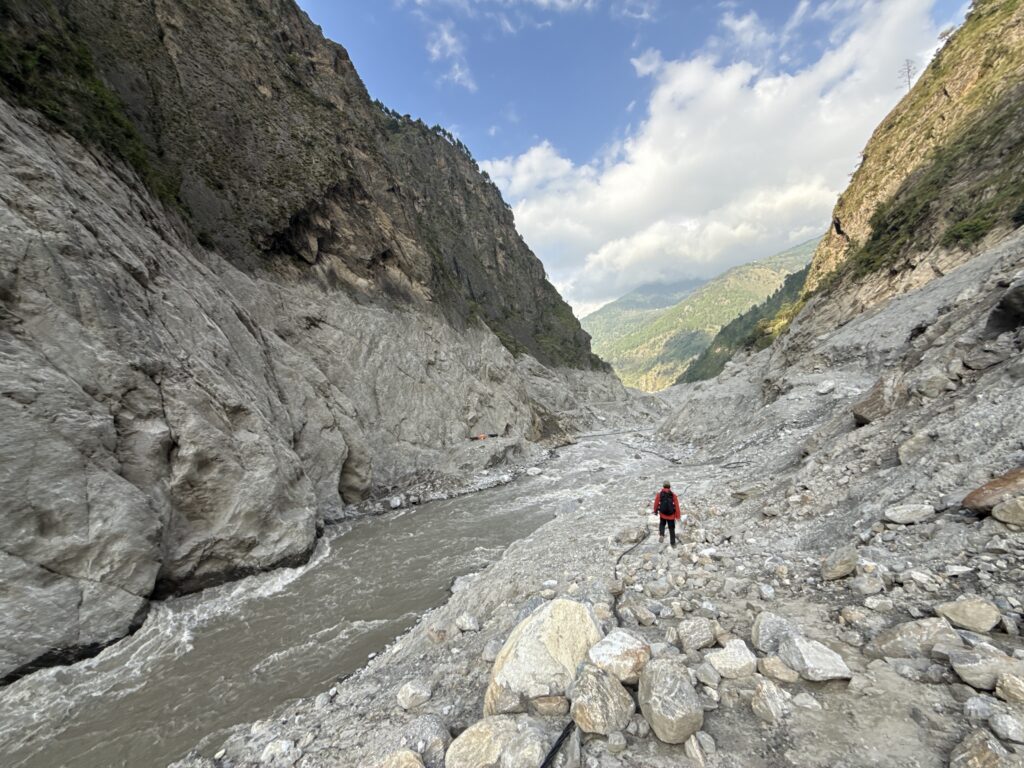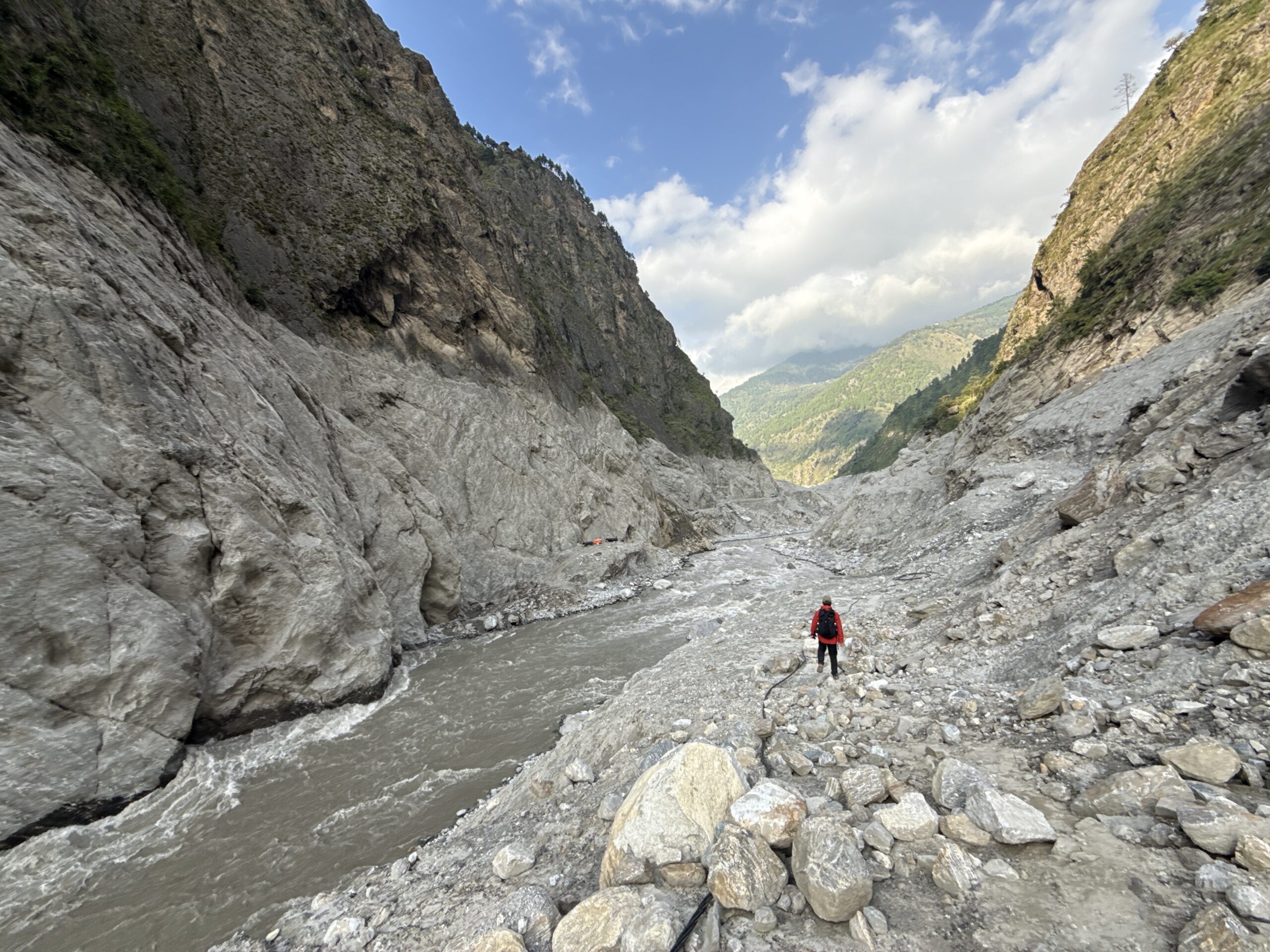
In the aftermath of Nepal’s deadliest extreme flow disaster, impacted communities in the Bhotekoshi-Trishuli Corridor are struggling to come to terms with a deeply uncertain future. With the protracted search and rescue phase over and the monsoon season concluded, collective focus has officially shifted to early recovery efforts. Patterns of displacement are changing as those whose homes were destroyed move from “holding centers” to more established camps or temporary rooms for the coming winter. As roads and bridges are reestablished and grieving communities complete communal funerary rites, attention now shifts to difficult questions about displacement and resettlement, risk-sensitive land-use planning, and possibilities for long-term recovery.
Government of Nepal institutions are now working to complete the formal Post-Disaster Needs Assessment exercise that will help secure funding for recovery and reconstruction. The next step will be formulating a Post-Disaster Recovery Framework — a work plan that will guide medium to long term recovery efforts and structural initiatives to increase resilience. Along the way, authorities must now make difficult and unprecedented policy decisions about hazard zoning and post-disaster resettlement amid considerable uncertainty. These decisions will set the tone for how Nepal navigates future disasters, mass displacement events, and the process of reckoning with emergent and complex risks. The latest extreme flow disaster that devastated communities along the Budhi Gandaki River in the Gorkha District on October 11th is another terrifying reminder of the overwhelming scale of the unknown.
To meet this moment, this panel gathers a group of experts who have conducted research on post-disaster recovery and resilience in Nepal to discuss the current challenges that impacted communities face, to highlight key areas for policy, and to examine key questions and issues that will shape future patterns of recovery. While looking to the future, our discussion will also reflect on the past — examining uneven pathways of recovery in the wake of other disasters, and exploring the ways compounding disasters and vulnerabilities have intensified risks for the victims of this disaster now seeking to rebuild their lives.
This event is the latest in a series organized as part of Stimson’s multi-year project on Early Warning Systems for Cascading Disasters in Nepal.
Featured Speakers

Sunil Tamang, PhD Candidate, Earth & Environment, University of Canterbury
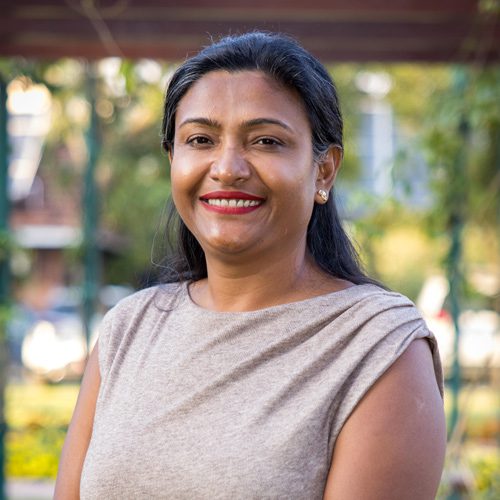
Amina Maharjan, Senior Livelihood & Migration Specialist, International Center for Integrated Mountain Development (ICIMOD)
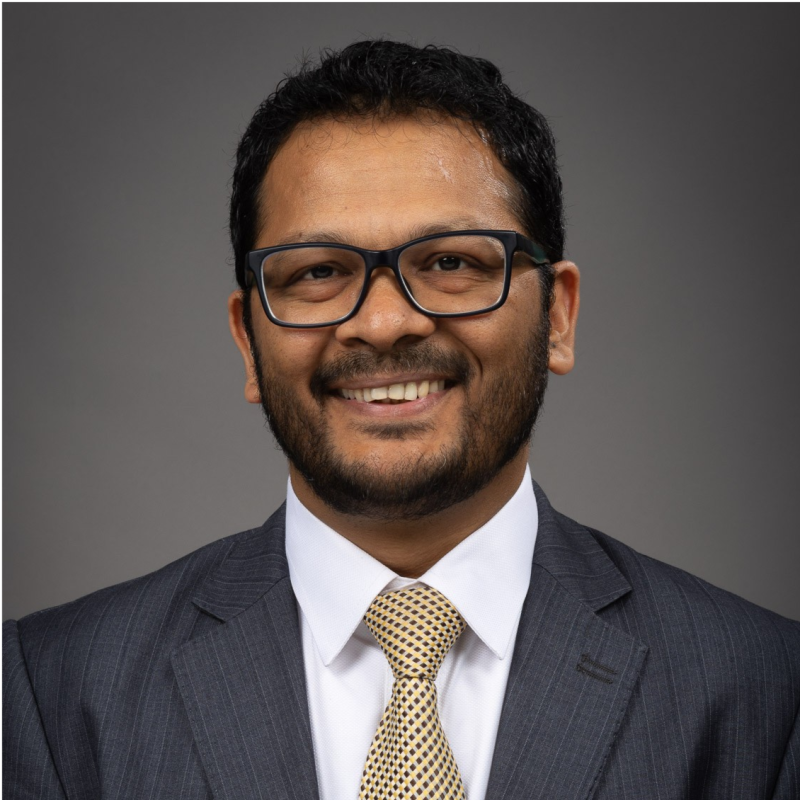
Sanam Aksha, Assistant Professor, School of Public Administration, University of Central Florida
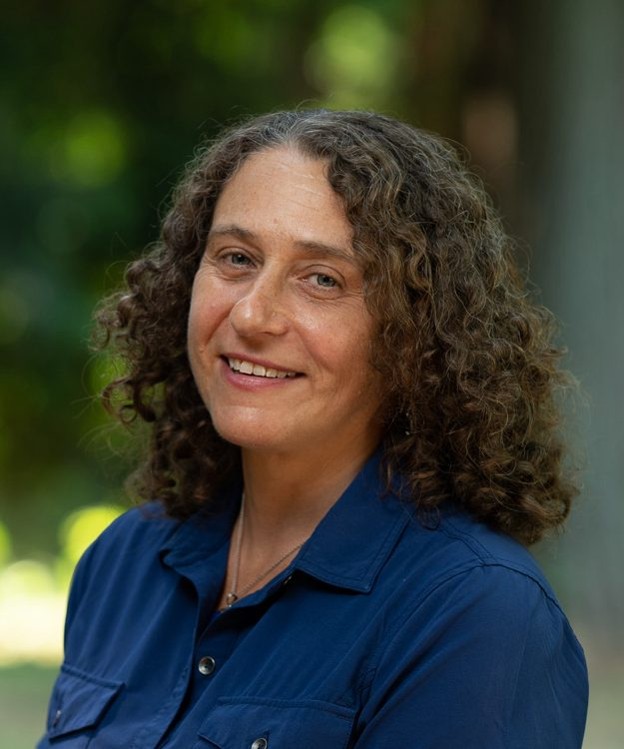
Sara Shneiderman, Associate Professor, Department of Anthropology and School of Public Policy & Global Affairs/Institute of Asian Research, University of British Columbia

Jeremy Spoon, Research Professor of Anthropology, School of Earth, Environment, & Society, Portland State University
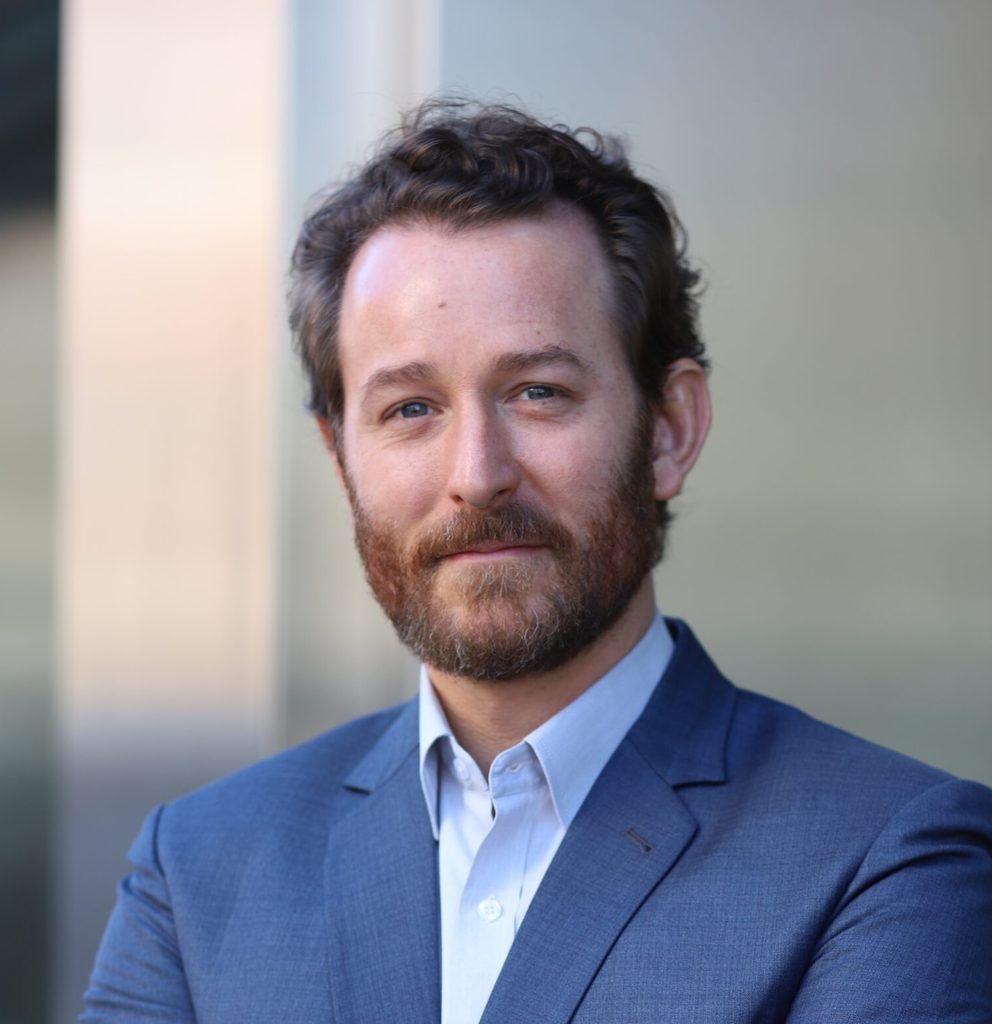
Dr. Austin Lord, Senior Fellow, Energy, Water, & Sustainability Program, Stimson Center (Moderator)