
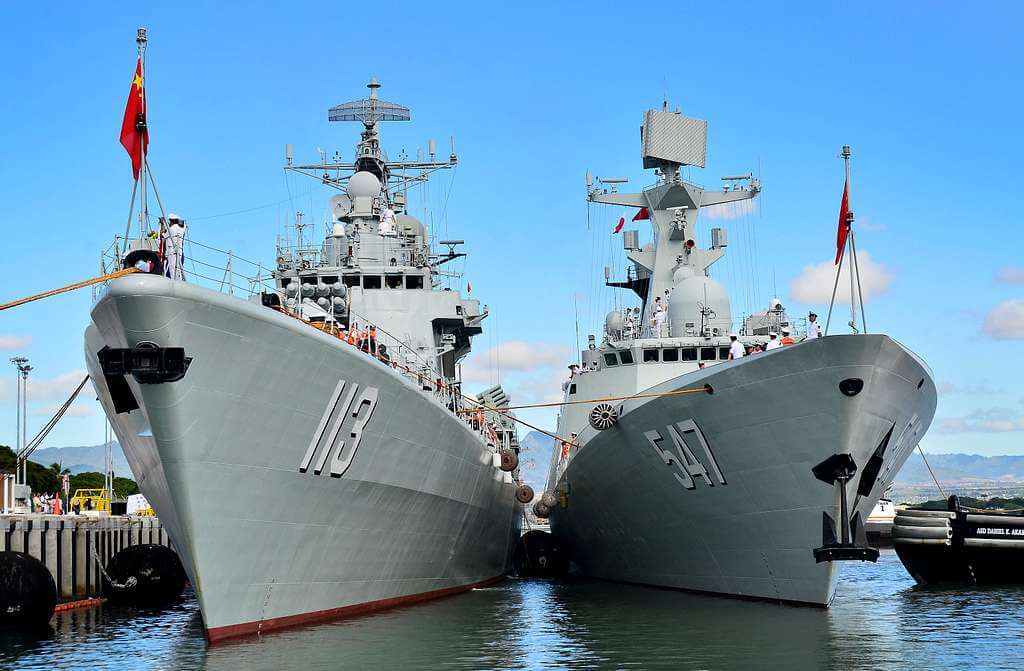
Building on last year’s “Rethinking Korea initiative,” in 2024 KEI will continue to explore the evolution of US-Korea relations, Korea’s place in the world, rapid changes in Korean society, and a fast changing geopolitical and strategic landscape. The initiative involves both retrospective inquiry as well as prospective analysis about future trends. Our guest today is intently focused on the role of armed coercion as a tool of foreign policy employed by both the United States and China and how other states perceive and respond to it.
James A. Siebens is a Fellow with Stimson Center’s Reimagining US Grand Strategy program, where he leads the Defense Strategy and Planning project. His research focuses on grand strategy, military coercion, and gray zone conflict. Building on a co-edited volume titled, Military Coercion and U.S. Foreign Policy: The Use of Force Short of War (Routledge 2020), a book on U.S. strategy and military operations since the end of the Cold War, James is also the editor of China’s Use of Armed Coercion: To Win Without Fighting (Routledge 2023), a recently published study on China’s use of military and paramilitary forces for purposes of coercion.
Our conversation is split into two parts, the first of which focuses on: the motivation behind his latest book project and what sets it apart from other work on China; key terms and concepts used throughout the book, such as coercion, deterrence and compellence; and the overall content and structure of the book as well as some of the representative examples of China’s use of armed coercion and whether they were effective.






Current Geopolitics Shift Deep-Sea Mining Debates