

The recent India-Pakistan crisis reached levels of escalation previously unseen between two nuclear-armed powers. The unprecedented nature of this crisis makes it an important new case study for understanding security relationships in South Asia and the wider world.
The Strategic Learning team interviewed a range of South Asian security and nuclear deterrence experts to share their analysis on strategic dynamics and how various concepts were on display, disrupted, or upended. We have organized these videos into four categories for ease of navigation: deterrence objectives, military capabilities, escalation dynamics, and external actors. Viewers should bear in mind that these interviews were recorded both during and after the crisis.
Watch the full playlist (above) or use the arrows to scroll through the video series by category (below).
Deterrence Objectives and Strategies
Why did India and Pakistan engage in military action against one another, and what was the desired path to achieving their goals?
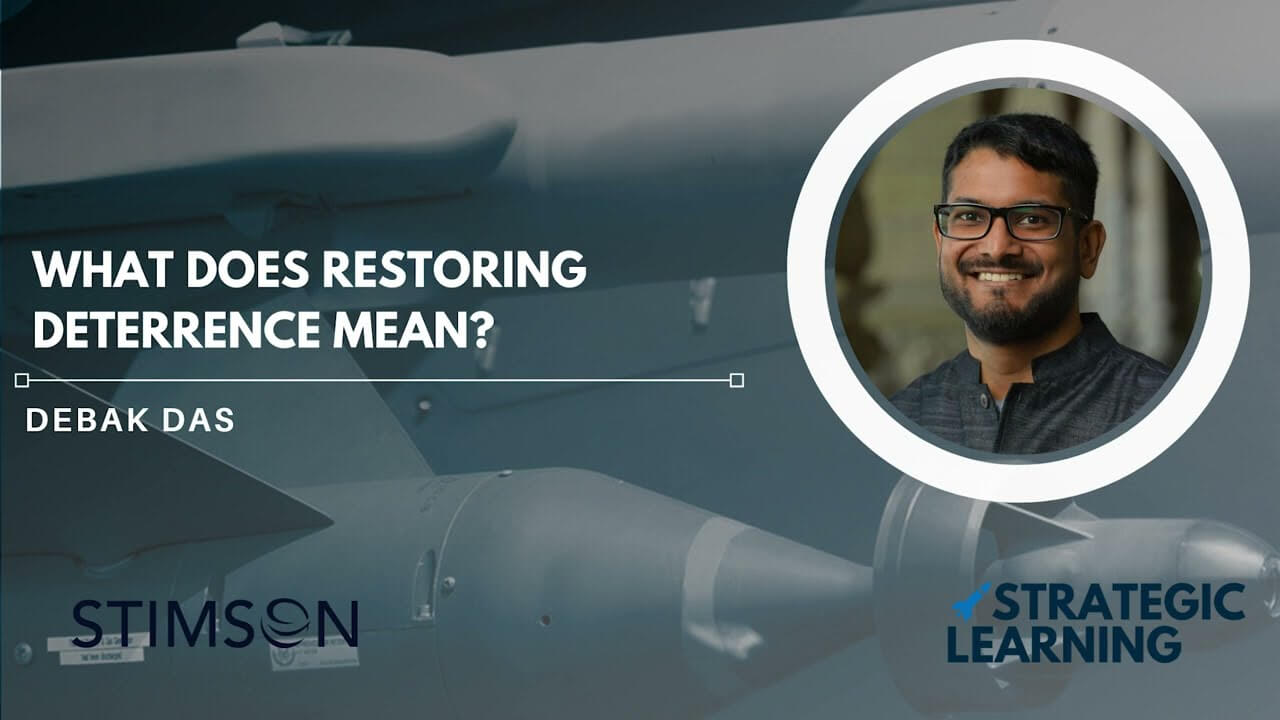
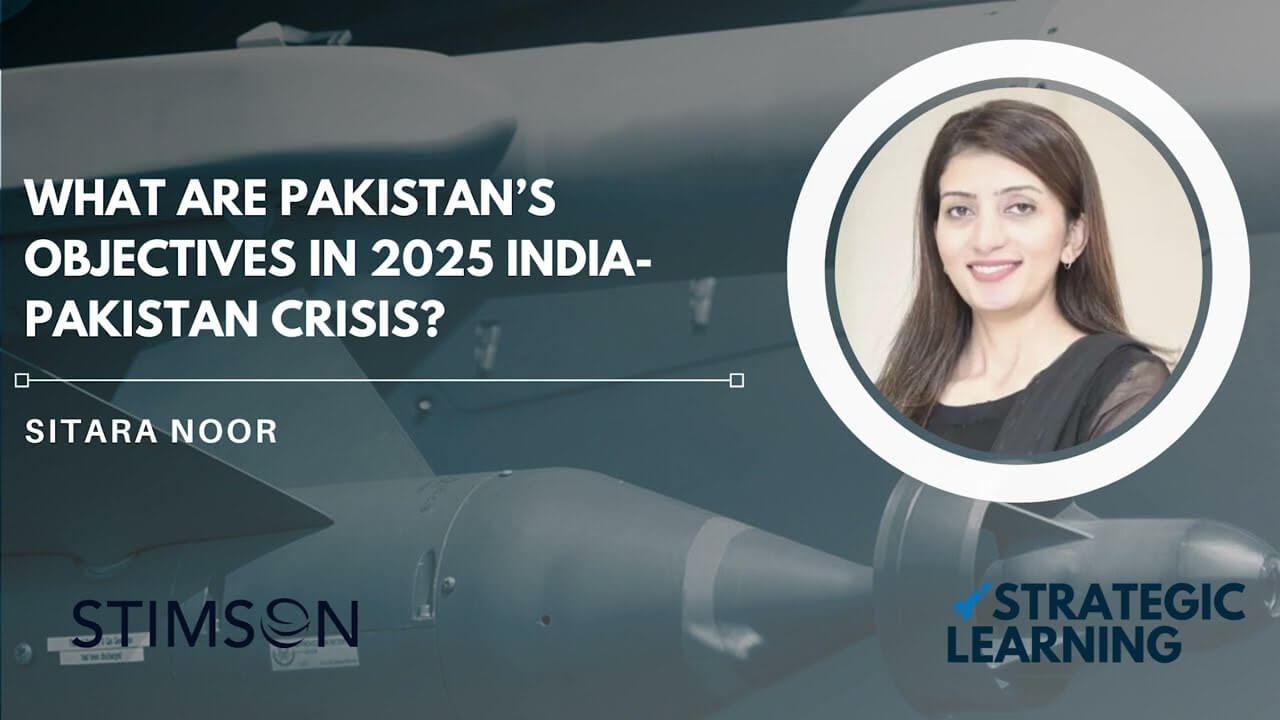
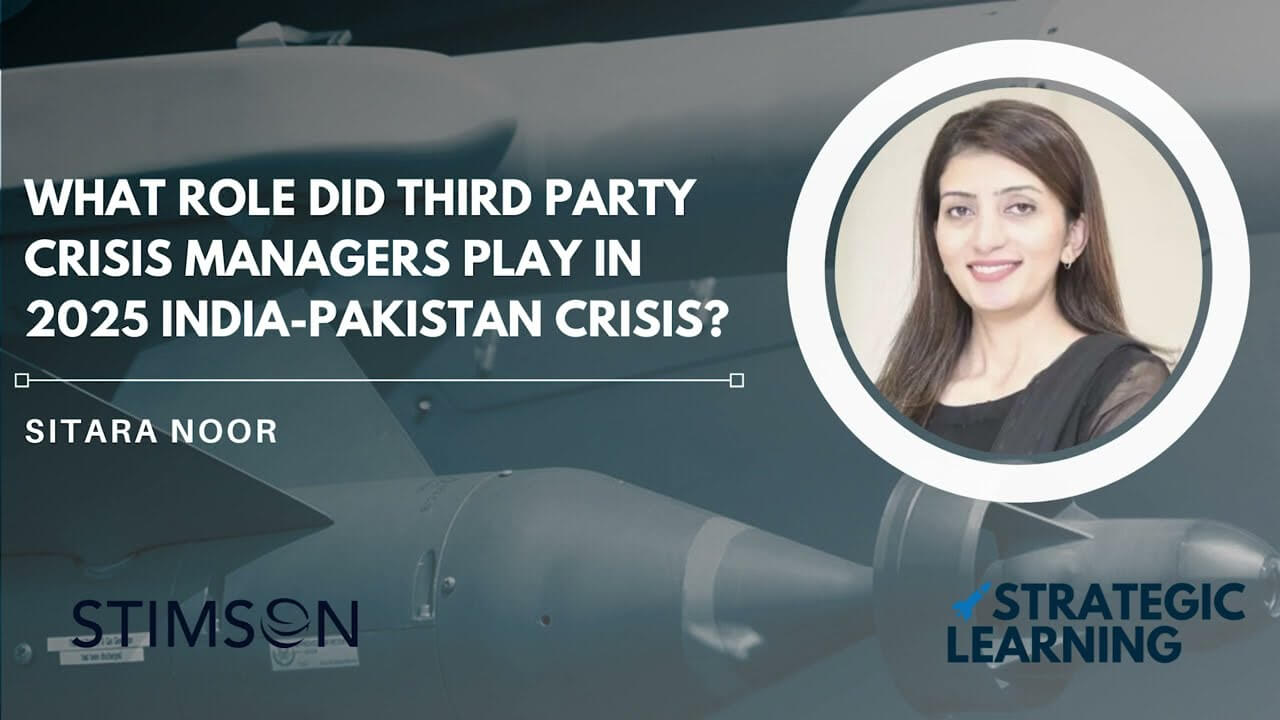
Walter Ladwig assesses what the two sides were attempting to get the other to do (or stop doing) and why this crisis is important for understanding deterrence, while Debak Das questions the use of the commonly invoked phrase “restoring deterrence.” Then, Sitara Noor and Arzan Tarapore describe Pakistan’s and India’s respective objectives while Tanvi Kulkarni explains the role of competing narratives in the conflict.
Military Capabilities
What kinds of weapons did each country use, and how did they contribute to the trajectory of the recent crisis?
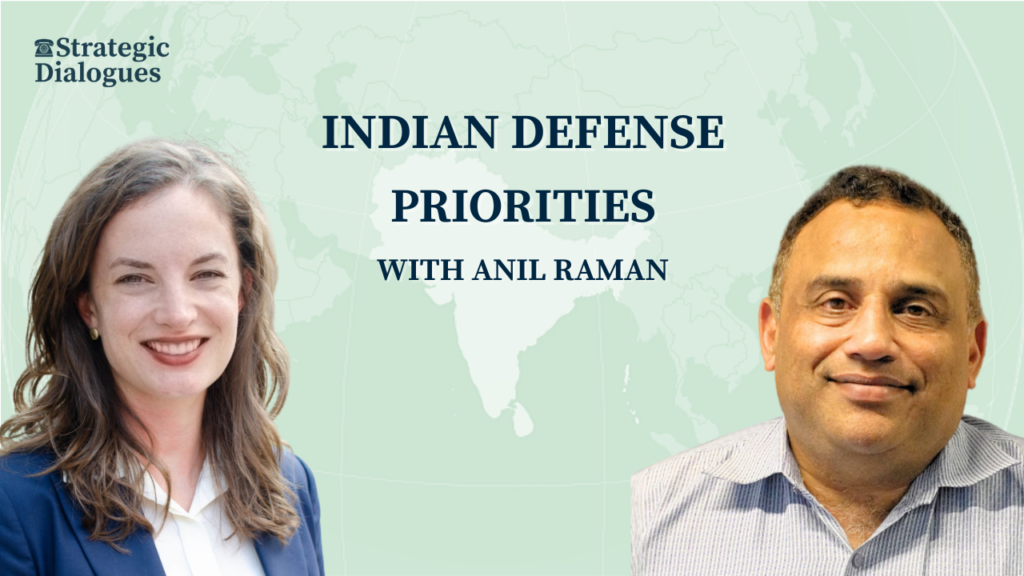
Christopher Clary and Walter Ladwig summarize their assessments of the overall military and air power balances respectively, while Beenish Pervaiz describes the different emerging technologies employed and their unique impacts on deterrence dynamics. Then, Arzan Tarapore explains how these new capabilities enabled India to strike Pakistan harder than in previous crises and Sitara Noor outlines the role of nuclear signaling in the crisis.
Escalation Dynamics
Why did the crisis escalate so far, and what were the implications for nuclear risk?
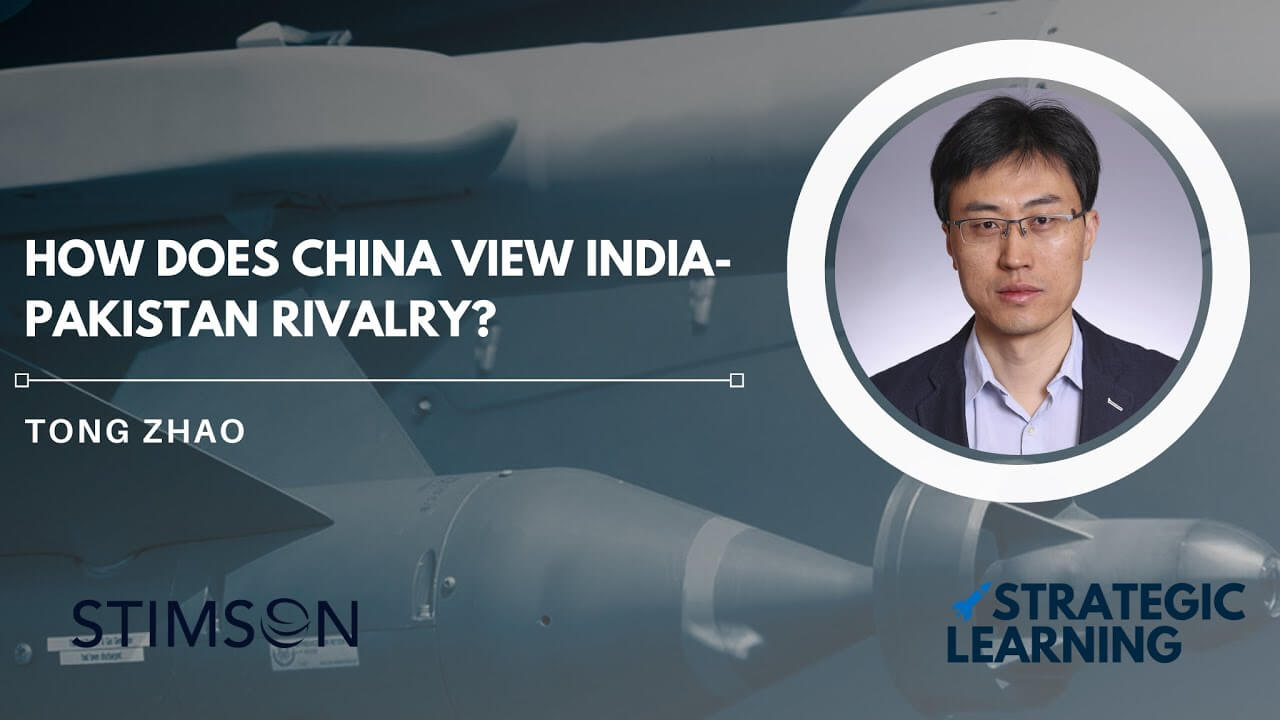
Christopher Clary describes what factors contribute to leaders’ assessments of whether an additional round of escalation is needed and Walter Ladwig defines the concept of brinkmanship and argues that it was not present in the recent crisis. Then, Tong Zhao explains escalation dominance and the implications of pursuing such a strategy while Beenish Pervaiz highlights the continued presence of instability and nuclear escalation risks in South Asia.
External Actors
What role did third parties play in influencing the escalation trajectory and crisis management between India and Pakistan?
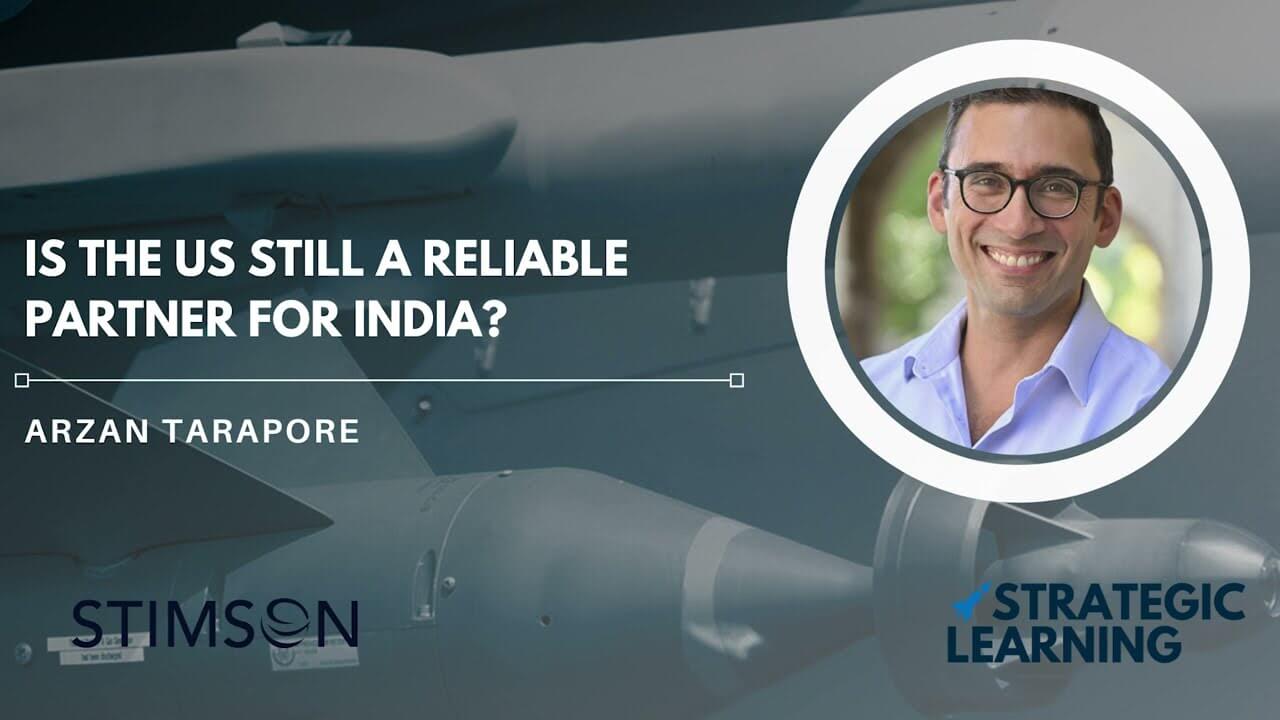
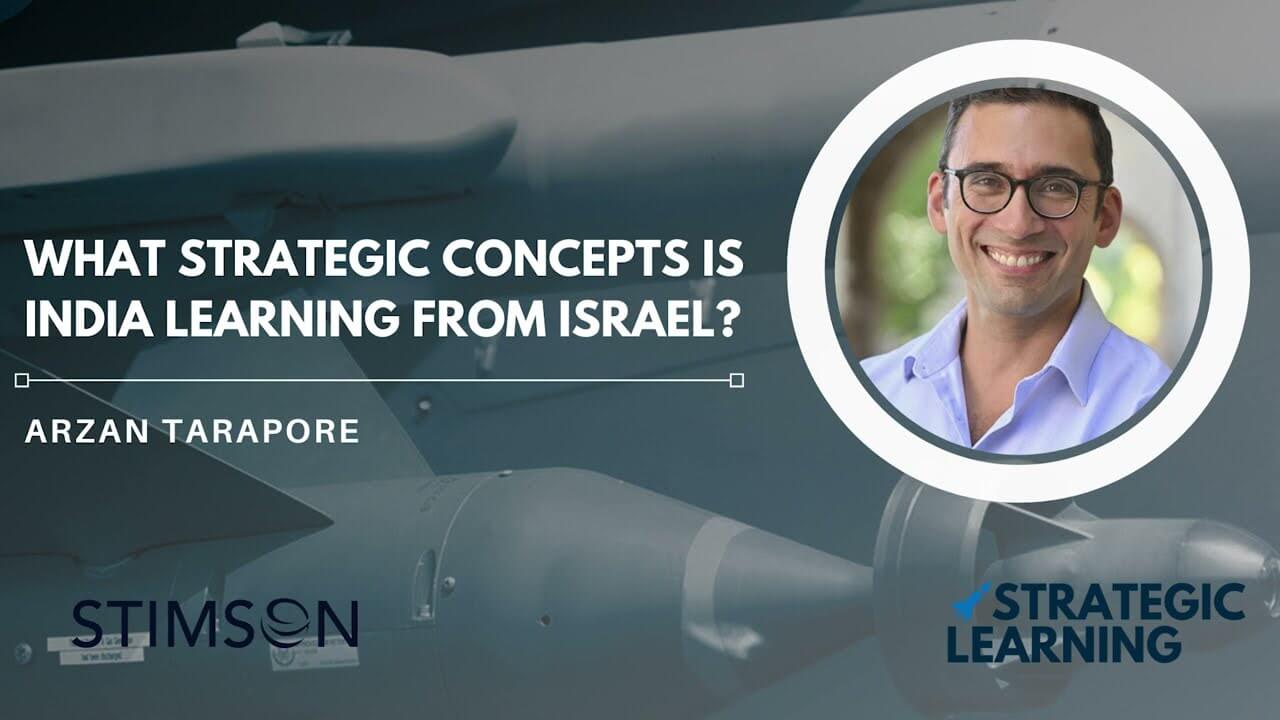
Sitara Noor offers her perspective on the role of third parties in India-Pakistan crises and Arzan Tarapore explains the relevance of India’s partnerships with the United States and Israel. Then, Tong Zhao describes China’s past, present, and future role in South Asian crises.
Play
Play
Play
Play
Play
Check out our full playlist of videos from experts analyzing the India-Pakistan crisis.








Community Adaptation for a Water Festival Without Clean Water