
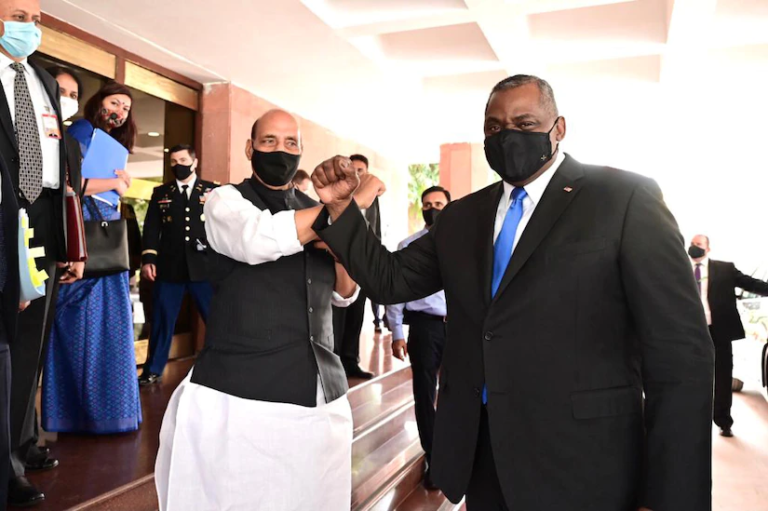

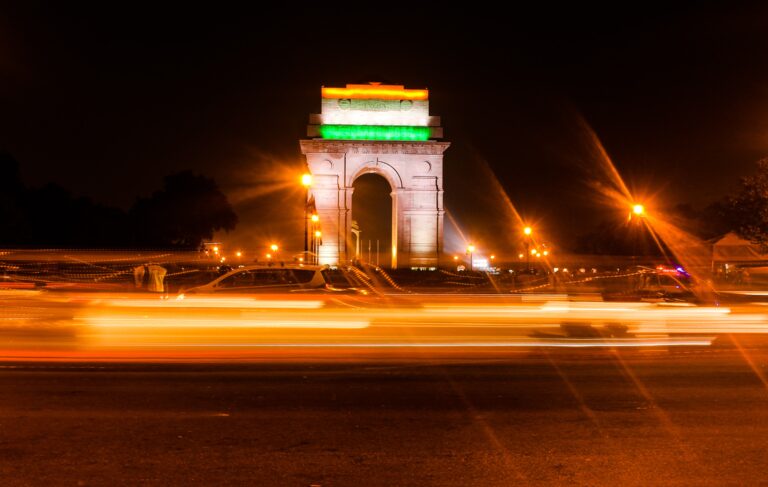

The US–India relationship—described as “a defining partnership for the 21st century”—has seen a dramatic rise over the past two decades.
January 15, 2021

The new administration is likely to be distracted by domestic circumstances; this could pave the way for a greater Indian agenda-setting role in the Indo-Pacific.
November 11, 2020
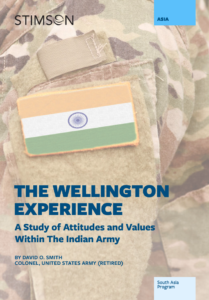
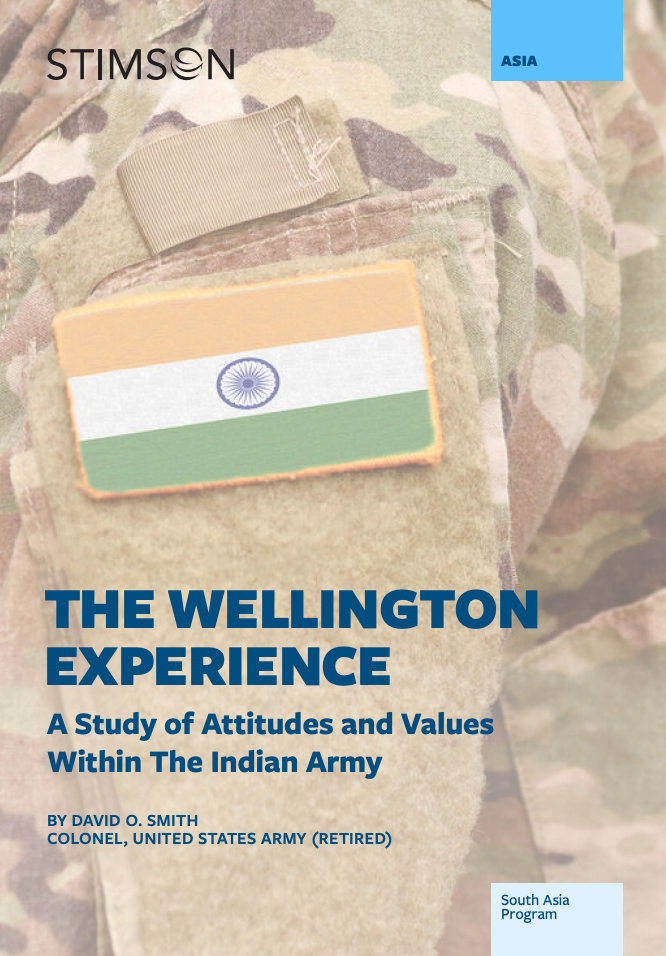
An in-depth analysis of India’s premier professional military education institution with implications for Indian military strategy
September 30, 2020
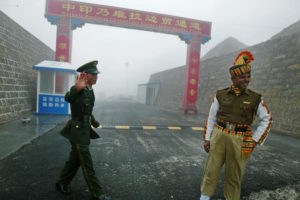
Why was India's security establishment blindsided by China and what will India do about it?
August 28, 2020

Since 2013, mass resistance and armed insurgency have returned and grown in India’s Kashmir Valley, partly in response to the government’s failed strategy
August 5, 2020
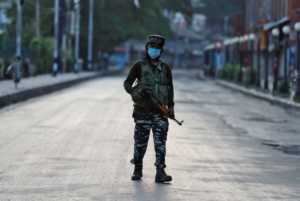
Reflections on security, economic, and political trends in Kashmir one year after India eliminated the region's semi-autonomy provisions.
August 5, 2020
May 7, 2020
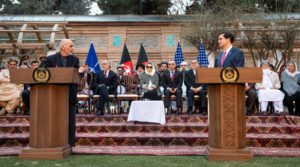
Analysis of the U.S.-Taliban deal and the associated U.S.-Afghan joint statement
March 15, 2020