






The changing dynamics between the United States and China is reshaping the international system. Historical, cultural, and political differences as well as misunderstandings of each other’s strategic intentions risk potentially catastrophic escalation across military, economic, and political realms. The way China interacts with the international community will help to define the 21st century’s political, economic, military, and governance norms worldwide.
Stimson’s China program works to assess China’s strategic intentions and foreign policy behaviors to reduce the likelihood of misunderstandings, misperceptions, and miscalculations. The program seeks to understandings of strategic considerations — not only of China and the United States, but also other states in and outside the region. Recognizing that dialogue is important for developing better understanding among regional actors, the program works to expand interaction between the Chinese foreign policy community and their counterparts in other countries.

China takes a cautious approach to conflict mediation in the Sahel, where there are high political risks and lower economic/security interests
January 26, 2024

New controls on metals used in semiconductor manufacturing will lead to smuggling and force countries to rethink their supply chains
July 19, 2023
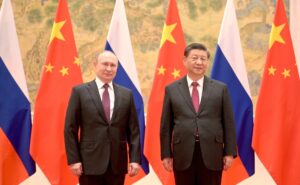
In walking the line, China has managed to keep its strategic competitor and trade front and center
February 13, 2023
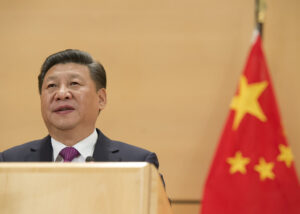
What new foreign policy leadership suggests about the future
October 25, 2022

From-the-ground analysis of Afghanistan’s internal and external relations new leadership
October 20, 2022

AsiaGlobal Podcast on the aspects of current Chinese foreign policy to watch.
September 23, 2022

At 45 years of diplomatic relations, China-Jordan relations are full of rhetorical grandeur but impeded by strategic miscalculations.
August 24, 2022