Project

China’s Role in Conflict Mediation

Deepening understanding of China’s participation in international conflict mediation and its impact

About Project

Stimson’s China Program is conducting an ongoing research and dialogue project that examines China’s emerging role in conflict mediation globally. The project explores China’s foray into conflict mediation during a period of evolution in China’s multidimensional role on the international stage and engages critical Chinese actors on potential cooperation in conflict mediation in Myanmar, Afghanistan/Pakistan, India/Pakistan, the Korean peninsula, Africa, and the Middle East.

Included in the project’s first compilation of works are thorough analysis of how great powers engage in mediation, commentary on how China’s policies fit within its decades-old non-interference policy, an investigation into Beijing’s mediatory role between India and Pakistan, and detailed best practices for military ceasefire monitoring.
Research & Writing

Chapter

China’s engagement during the Tigray crisis from November 2020 to November 2022 prioritized state stability and economic interests, clashing with African mediation norms.
April 6, 2026

Resource

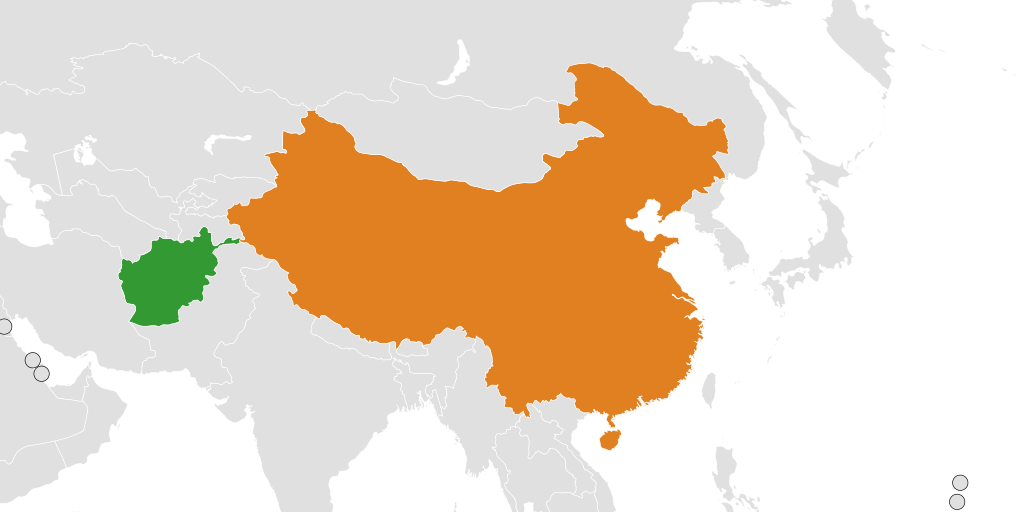
This monthly update highlights major events, statements, and bilateral interactions driving China’s relations with Afghanistan at a time when the Taliban sees China as a crucial partner.
February 25, 2026

Resource

This monthly update highlights major events, statements, and bilateral interactions driving China’s relations with Afghanistan at a time when the Taliban sees China as a crucial partner.
January 15, 2026

Chapter

China has attempted to mediate Afghanistan’s conflicts at various stages, even as China’s global status and roles changed over the decades.
September 23, 2024

Chapter

Chinese approaches to counterterrorism in Africa show complex interactions between state and nonstate actors.
July 31, 2024

Chapter

North Korea presents a useful case study to examine the ways that China’s interests, risk aversion, and process building drive its engagement in mediation.
June 5, 2024

Chapter

China seeks to balance diplomatic relations with Saudi Arabia and Iran to serve its broader strategic interests.
May 10, 2024

Chapter

China has limited its involvement in crises in Venezuela, preferring to secure its economic interests and avoid reputational cost.
February 16, 2024

Chapter

China has shifted its role in Yemen to align more closely with Saudi Arabia, while maintaining a narrative of facilitation
January 31, 2024

Chapter

China takes a cautious approach to conflict mediation in the Sahel, where there are high political risks and lower economic/security interests.
January 26, 2024

Field Note

From-the-ground analysis of Afghanistan’s internal and external relations new leadership
October 20, 2022

Issue Brief

The UN can contribute to human security and stability on the Korean Peninsula, and it should be empowered to do more
October 14, 2021

Op-Ed

This commentary was originally published in War on the Rocks on August 31, 2021.
August 31, 2021

Resource

Examining how China’s interests and relationships fit into the conflict
August 16, 2021

Op-Ed

This article was originally published in Syndication Bureau.
May 28, 2021

Op-Ed

This article was originally published in War On The Rocks.
May 14, 2021

Issue Brief

Dialogue with North Korea ranks high on Biden’s foreign policy to-do list. However, the path forward is not without obstacles—old and new.
April 7, 2021

Op-Ed

This article was originally published in the South China Morning Po
February 4, 2021

Op-Ed

This article was originally published in The Diplomat Magazine, October 2020 (Iss. 71)
September 30, 2020

Resource

Examining how China’s interest and relationships fit into the conflict
September 17, 2020

Issue Brief

China’s interest in South Asian crisis prevention meets new challenges posed by great power competition and shifting strategic balances
August 14, 2020

Op-Ed

This article was originally published in Frontier Myanmar on March 23, 2020.
March 23, 2020

Commentary

In 1955, Chinese Premier Zhou Enlai advocated for and supported the adoption of a ten-point “declaration on promotion of world peace and cooperation” at the Afro-Asian Conference in Bandung, Indonesia. One principle from the final communiqué, the “abstention from intervention or interference in the internal affairs of another country,” has since been enshrined as one of China’s cornerstone foreign policy principles.
August 27, 2019

Stimson in the News

January 9, 2018

Issue Brief

June 10, 2014

Policy Paper

April 5, 2012

Sub-Projects

There are no subprojects associated with this project.