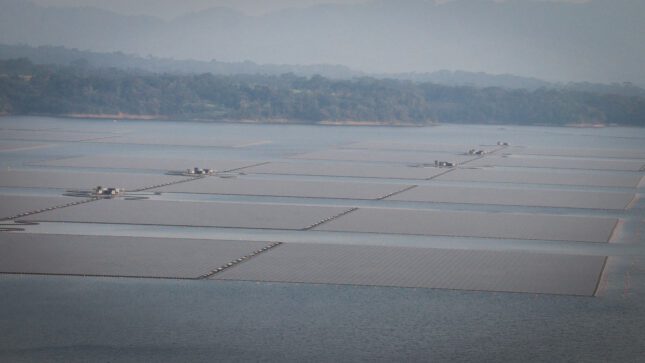
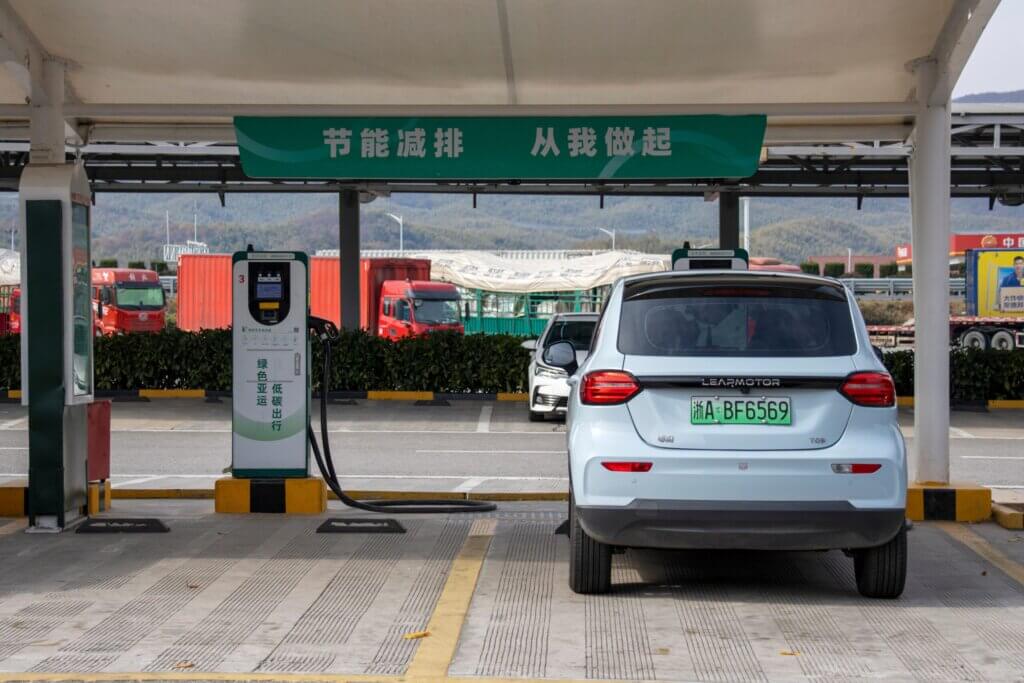
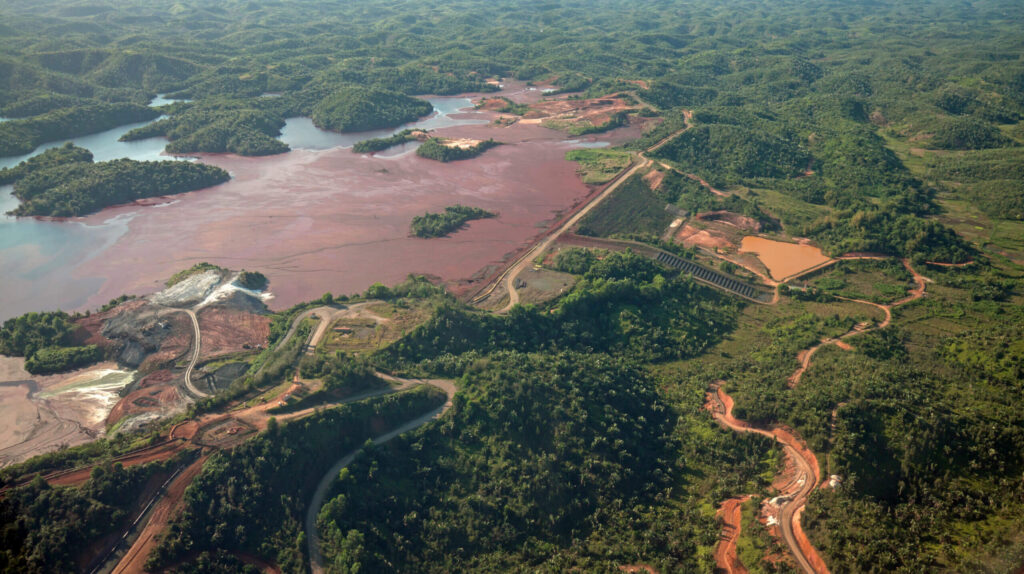
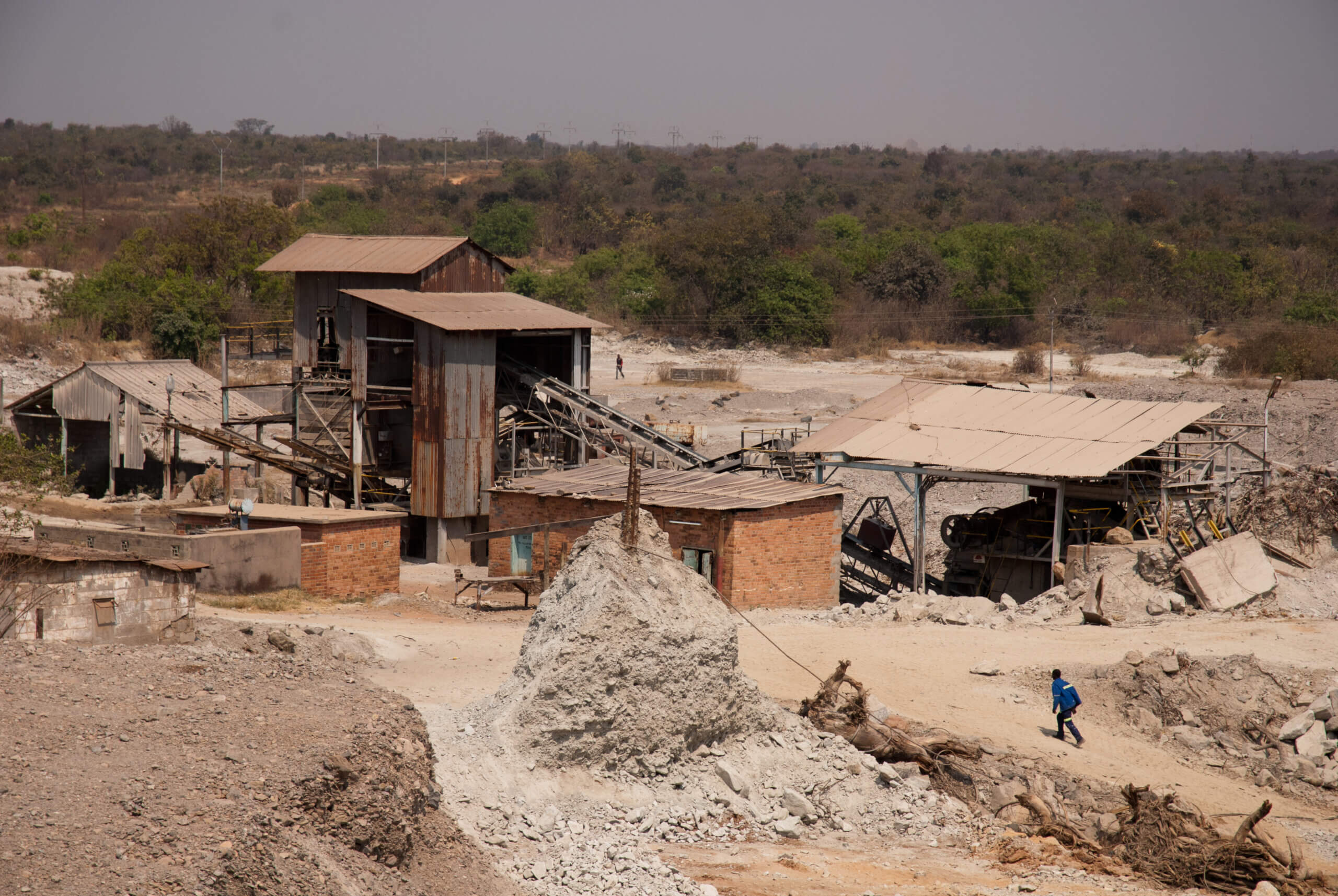
Efforts to transition to a renewable energy economy and the expansion of the world’s digital footprint are driving unprecedented demand for critical minerals. This growing scramble for minerals raises a host of challenges, including critical environmental, social, and governance risks for mineral-rich regions. At the same time, geopolitical competition between global powers and shifting trade policies are impacting trade flows and supply chains – and vice versa. Minerals such as lithium, cobalt, and copper sit at the intersection of security, development, and today’s digital economy, but much of the conversation remains driven by rhetoric rather than on-the-ground realities.
This project applies a clear-eyed lens to how mineral supply chains are evolving, with a focus on African countries, which collectively hold roughly 30% of the world’s mineral resources. From the Democratic Republic of Congo to South Africa, the project analyzes how U.S., Chinese, and multilateral investments are reshaping mining, processing, transport corridors, and manufacturing — and bringing new opportunities and risks. The project also explores how subnational actors like NGOs and community leaders are influencing outcomes around extraction and benefit sharing, distilling lessons for translating resource-based growth into durable institutional, social, and economic gains.
 Carolyn Gruber
Fellow and Deputy Director
Carolyn Gruber
Fellow and Deputy Director
 Claire Doyle
Research Analyst, Environmental Security Program
Claire Doyle
Research Analyst, Environmental Security Program
 Jennifer L. Turner
Nonresident Fellow
Jennifer L. Turner
Nonresident Fellow
 Lauren Herzer Risi
Senior Fellow and Director, Environmental Security Program
Lauren Herzer Risi
Senior Fellow and Director, Environmental Security Program
 Madelyn MacMurray
Former Research Assistant
Madelyn MacMurray
Former Research Assistant
 Peter Schwartzstein
Nonresident Fellow
Peter Schwartzstein
Nonresident Fellow
You can opt out at any time. We respect your privacy and will not sell your personal information. See our privacy policy for more.