Early Warning Systems for Cascading Disasters in Nepal
Monitoring hazards and climate-induced risks to inform anticipatory action using earth observation, hydro-meteorological data, and community-engaged approaches
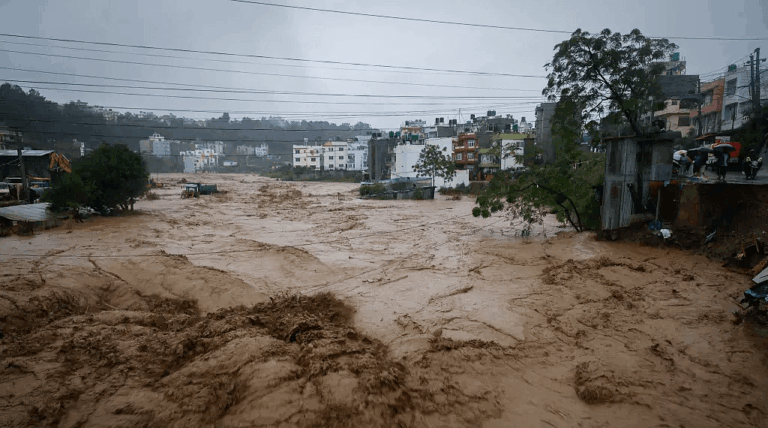
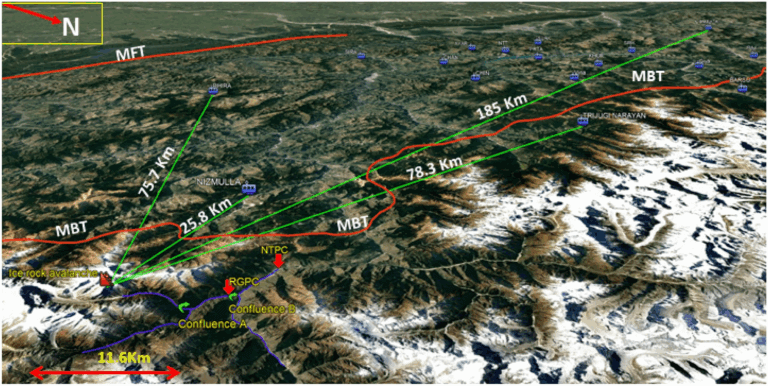
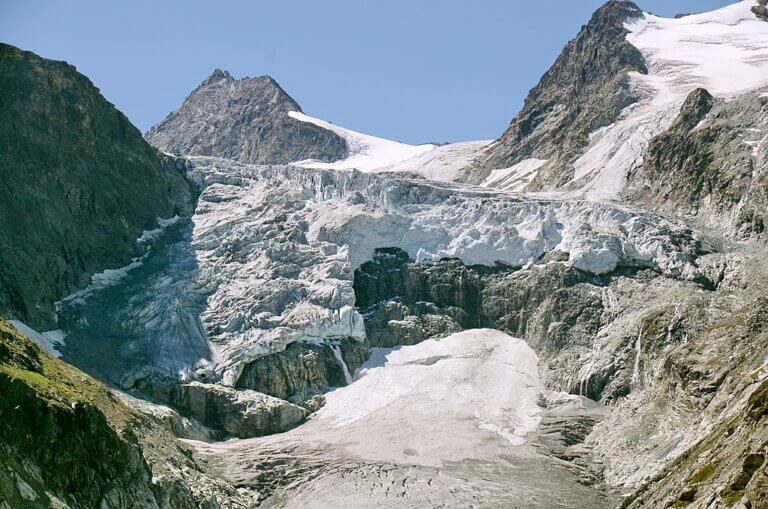
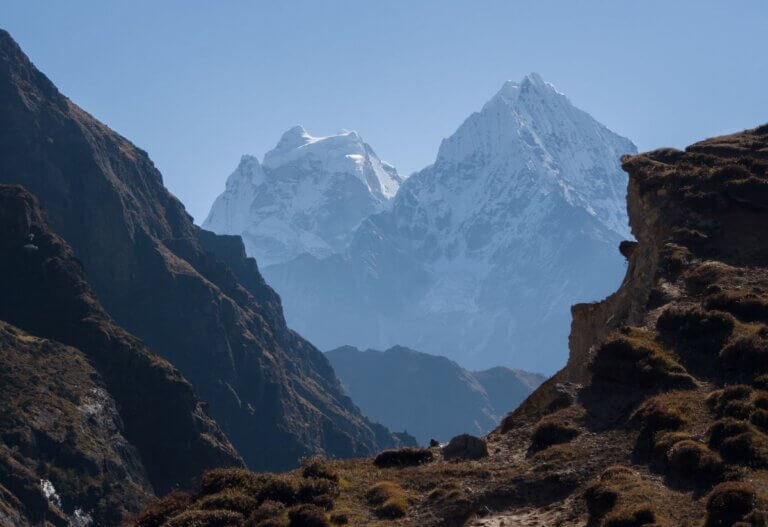
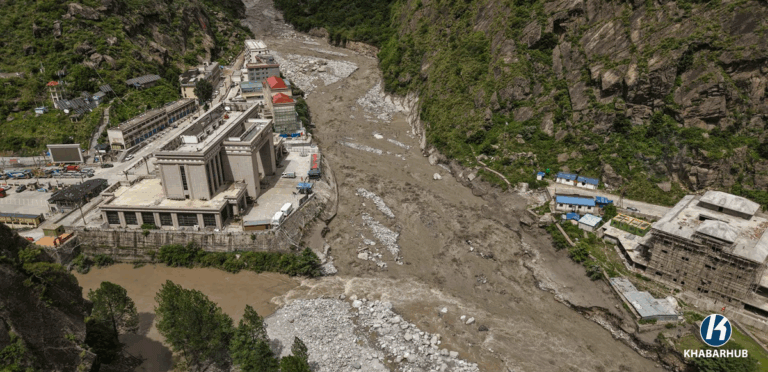
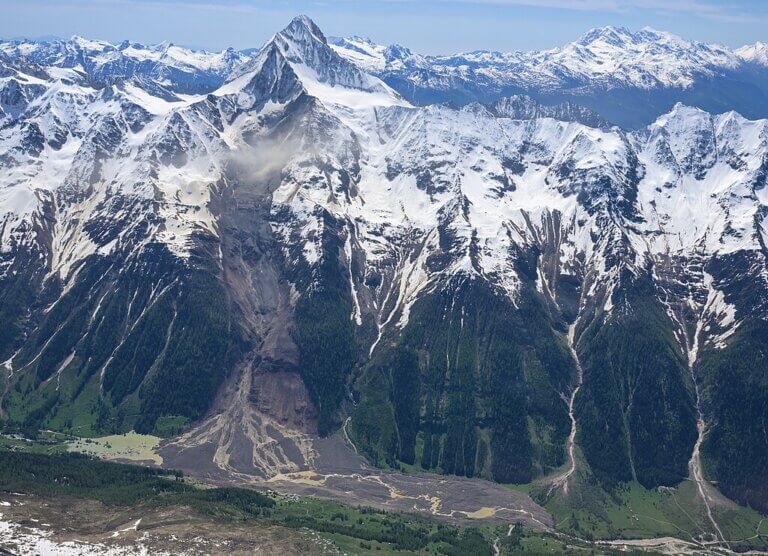
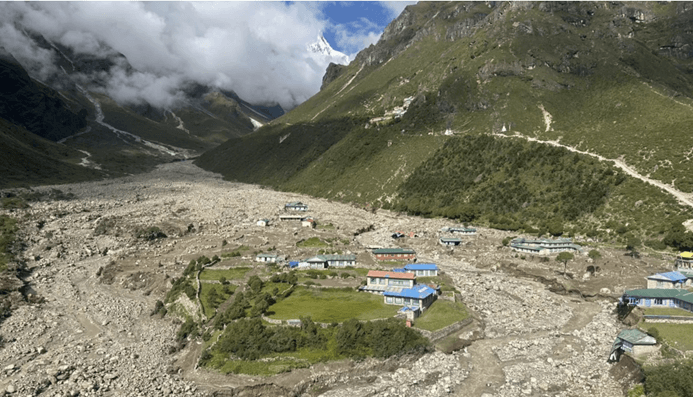
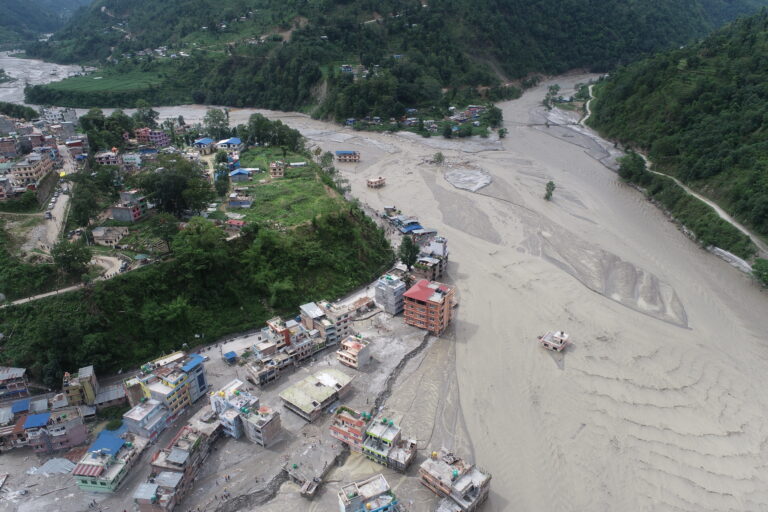
Nepal is one of the most disaster-prone countries in South Asia and is highly exposed to both extreme weather events and an evolving array of climate change-related hazards. In the Himalayas, dynamic geomorphological processes and volatile meteorological conditions can combine to produce cascading disasters which cause intense patterns of loss and damage downstream. As hazard regimes shift, new analyses are needed to understand the shifting dimensions of risk and vulnerability in downstream communities and the ways critical infrastructures may be exposed and disrupted. New tools, modes of coordination, and interdisciplinary collaborations are also needed to formulate scalable and sustainable early warning system (EWS) approaches. This project engages disaster and climate risk management institutions in Nepal and aims to develop new systems for multi-hazard monitoring which can augment and elaborate on existing models and approaches, linking efforts across diverse sites and scales.
Current institutional partners are People in Need-Nepal and the Institute of Himalayan Risk Reduction. The project also closely coordinates with the Government of Nepal’s National Disaster Risk Reduction & Management Authority (NDRRMA) and Department of Hydrology & Meteorology (DHM).
This project is generously supported by The McConnell Foundation, Australia’s Department of Foreign Affairs and Trade (DFAT), and Margaret A. Cargill Philanthropies. Earlier phases of project work were supported by The Saga Foundation, The Prudence Foundation, and the Start Network in Nepal. The project concept was first developed with seed funding from The McConnell Foundation in 2022.